Zamshengu — Verified Supplier

About Zamshengu - Vegetables Supplier in South Africa

South Africa hosts the supplier Zamshengu, which currently lists seven active products in its catalogue. The company focuses on three top categories: Vegetables, Processed Vegetable Products, and Avocado. Its catalogue includes baby carrots, beans, cabbage, baby cabbage, avocados, chillies and bananas, each falling under the fresh produce segment. The product list aligns with HS Chapter 07 for fresh vegetables and HS Chapter 08 for fresh fruit, which are the standard tariff headings used for such items. Zamshengu is classified as an imported supplier with a harbor trust tier, indicating it operates through port‑based distribution channels.

The listed items cover a range of fresh horticultural goods commonly traded from South Africa. Baby carrots and other root vegetables are typically classified under HS 0701, beans under HS 0702, cabbage and baby cabbage under HS 0704, chillies under HS 0709, avocados under HS 0804 and bananas under HS 0805. These codes are used by customs authorities worldwide to assess duties and regulatory requirements. The supplier’s portfolio therefore spans both vegetable and fruit HS families, reflecting the diversity of South African fresh‑produce exports.

Product Range and Specialties of Zamshengu

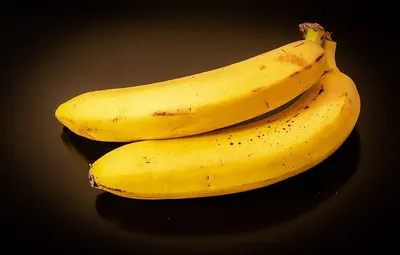
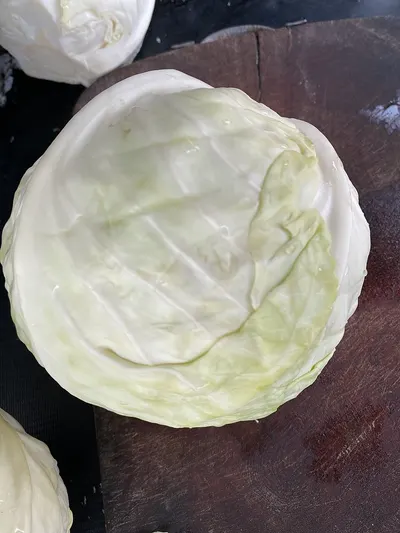
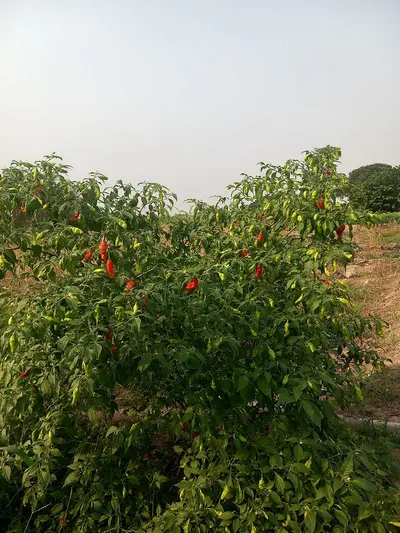
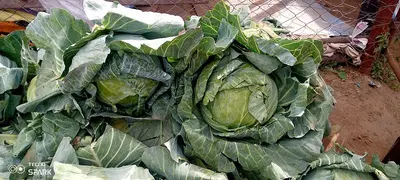
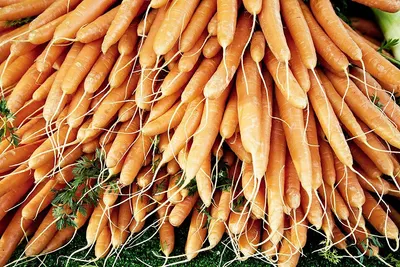
Zamshengu’s catalogue offers baby carrots, beans, cabbage, baby cabbage, chillies, avocados and bananas. In the vegetable sector, baby carrots are usually graded by length (6‑8 cm) and moisture content below 12 %, while beans are sorted by size (large, medium) and uniform colour. Cabbage and baby cabbage are evaluated on head weight (3‑5 kg for full heads, 0.8‑1.2 kg for baby heads) and outer leaf integrity. Chillies are commonly graded by colour intensity and capsaicin level, with a typical moisture range of 85‑90 %. Avocados, predominantly the Hass variety, are measured by weight (200‑300 g) and flesh firmness, and bananas are assessed on length (15‑20 cm), shape and ripeness stage. Industry practice packs these products in ventilated cartons (typically 10‑12 kg per box for carrots, 20 kg per bag for beans) and loads them into 20‑ft reefers for temperature‑controlled shipment.

The fresh‑produce market also expects compliance with Global GAP standards, ISO 22000 food safety management, and traceability records. Buyers often request laboratory analysis for pesticide residues, microbial load (e.g., total plate count <10⁴ CFU/g for carrots), and Brix levels for fruit sweetness. Such specifications are standard across South African exporters of these categories.

Trade and Export Information - Zamshengu

South African exporters of fresh vegetables and fruit primarily ship to the European Union, the Middle East, and Asian markets such as China, Japan and South Korea. The HS families involved (0701‑0709 for vegetables, 0803‑0805 for fruit) are subject to phytosanitary inspections and may require fumigation certificates depending on the destination country. Common certifications requested by importers include Global GAP, HACCP, ISO 22000 and a phytosanitary certificate issued by the South African Department of Agriculture. Packaging is usually in insulated, ventilated cartons placed in refrigerated containers (reefers) maintained at 0‑4 °C for carrots and 10‑13 °C for bananas and avocados. Incoterms most frequently used are FOB Port of Durban or CIF to the buyer’s port, reflecting the harbour‑based logistics indicated by the supplier’s trust tier.

Sourcing from Zamshengu - Buyer Guidance

When sourcing from Zamshengu, buyers should request a current Global GAP audit report, the latest phytosanitary certificate, and any available laboratory test results for pesticide residues and microbial counts. Samples of each product type should be examined for size, colour, moisture content and firmness against the typical grades described above. Verify that the packing plan includes temperature‑controlled containers and that the shipment complies with the HS code requirements of the destination country. Minimum order quantities for fresh produce are often set at one metric ton per product, with a lead time of 4‑6 weeks after order confirmation to allow for harvesting, packing and export clearance.

Frequently Asked Questions About Zamshengu

What HS codes are used for Zamshengu’s fresh‑produce items?

The products fall under HS Chapter 07 for vegetables (e.g., 0701 for carrots, 0702 for beans, 0704 for cabbage, 0709 for chillies) and HS Chapter 08 for fruit (0804 for avocados, 0805 for bananas). Each code is applied at customs to determine duties and regulatory checks.

Which certifications should a buyer request from Zamshengu?

Buyers should ask for a Global GAP audit, ISO 22000 or HACCP food safety certificate, and a phytosanitary certificate issued by South African authorities. These documents are standard for fresh produce imports.

What quality specifications are typical for baby carrots from South Africa?

Baby carrots are usually 6‑8 cm long, have a moisture content below 12 %, and must meet a total plate count of less than 10⁴ CFU/g. Visual grading looks for uniform colour and absence of blemishes.

How are avocados from Zamshengu typically packed for export?

Avocados are packed in ventilated cartons of 20 kg each, with each fruit weighing 200‑300 g. The cartons are loaded into refrigerated containers kept at 10‑13 °C to preserve flesh firmness and prevent premature ripening.

What are the common import markets for South African bananas?

Bananas from South Africa are mainly shipped to the European Union, the Middle East and Asian countries such as Japan and South Korea, where they are classified under HS 0805 and require a phytosanitary certificate.

What lead time should a buyer expect for a full container load of beans?

A typical lead time is 4‑6 weeks after order confirmation, covering harvesting, cleaning, packaging in 20‑kg bags and loading into a 20‑ft refrigerated container for shipment.

What packaging format is used for chillies in Zamshengu’s catalogue?

Chillies are usually packed in ventilated cartons of 10‑12 kg, with each carton sealed to maintain humidity levels around 85‑90 % and loaded into reefers at 0‑4 °C for transport.

Are there any specific documents required for customs clearance of cabbage?

Customs clearance generally requires the HS code declaration (0704), a phytosanitary certificate, and any relevant import permits from the destination country. A certificate of origin may also be requested for preferential tariff treatment.


Other Suppliers in Vegetables

Top Trusted Suppliers

Related Products in Vegetables

Trending in Parent Category

More Suppliers in Parent Category

Related Products

Other Suppliers

EximNext
58.4K+ live requirements
Register Free🎁 5 free buy-lead credits
Post Requirement
🌍 Trusted by 224.4K+ businesses in 200+ countries|
58.4K+ active requirements right now
✉️ [email protected]
|
Sell on EximNextPost Requirement
EximNext
AgricultureApparelConstructionElectronicFoodHomeIndustrialMineralsMiscellaneous
🔥 Deals|✨ AI Match|🏭 Suppliers|📋 Buy Leads|💰 Trade Finance|⭐ Upgrade
58.4K+ live RFQs·194.5K+ suppliers
🎁 5 free credits →
EximNext
EximNext
Register Free
🎁 5 free buy-lead credits
Sign In
📋Post Requirement💬Get QuotesAI Match📋RFQ Marketplace
All Categories
Services & Tools
🏭Supplier Directory🔥Today's Deals💰Trade FinanceMembership
Sell on EximNext
AboutContactBlogHelp
🏭

Zamshengu

Harbor
Country flag , South Africa
🛡️
55/100
Trust Score

Zamshengu Product Catalog

Showing 7 of 7 products
View all products →
Bananas
Harbor
Bananas
Contact
MOQ: 1 Unit
Baby Cabbage
Harbor
Baby Cabbage
Contact
MOQ: 1 Unit
Chillies
Harbor
Chillies
Contact
MOQ: 1 Unit
Avocados
Harbor
Avocados
Contact
MOQ: 1 Unit
Cabbage
Harbor
Cabbage
Contact
MOQ: 1 Unit
Beans
Harbor
Beans
Contact
MOQ: 1 Unit
Baby Carrots
Harbor
Baby Carrots
Contact
MOQ: 1 Unit

About Zamshengu - Vegetables Supplier in South Africa

South Africa hosts the supplier Zamshengu, which currently lists seven active products in its catalogue. The company focuses on three top categories: Vegetables, Processed Vegetable Products, and Avocado. Its catalogue includes baby carrots, beans, cabbage, baby cabbage, avocados, chillies and bananas, each falling under the fresh produce segment. The product list aligns with HS Chapter 07 for fresh vegetables and HS Chapter 08 for fresh fruit, which are the standard tariff headings used for such items. Zamshengu is classified as an imported supplier with a harbor trust tier, indicating it operates through port‑based distribution channels.

The listed items cover a range of fresh horticultural goods commonly traded from South Africa. Baby carrots and other root vegetables are typically classified under HS 0701, beans under HS 0702, cabbage and baby cabbage under HS 0704, chillies under HS 0709, avocados under HS 0804 and bananas under HS 0805. These codes are used by customs authorities worldwide to assess duties and regulatory requirements. The supplier’s portfolio therefore spans both vegetable and fruit HS families, reflecting the diversity of South African fresh‑produce exports.

Product Range and Specialties of Zamshengu

Zamshengu’s catalogue offers baby carrots, beans, cabbage, baby cabbage, chillies, avocados and bananas. In the vegetable sector, baby carrots are usually graded by length (6‑8 cm) and moisture content below 12 %, while beans are sorted by size (large, medium) and uniform colour. Cabbage and baby cabbage are evaluated on head weight (3‑5 kg for full heads, 0.8‑1.2 kg for baby heads) and outer leaf integrity. Chillies are commonly graded by colour intensity and capsaicin level, with a typical moisture range of 85‑90 %. Avocados, predominantly the Hass variety, are measured by weight (200‑300 g) and flesh firmness, and bananas are assessed on length (15‑20 cm), shape and ripeness stage. Industry practice packs these products in ventilated cartons (typically 10‑12 kg per box for carrots, 20 kg per bag for beans) and loads them into 20‑ft reefers for temperature‑controlled shipment.

The fresh‑produce market also expects compliance with Global GAP standards, ISO 22000 food safety management, and traceability records. Buyers often request laboratory analysis for pesticide residues, microbial load (e.g., total plate count <10⁴ CFU/g for carrots), and Brix levels for fruit sweetness. Such specifications are standard across South African exporters of these categories.

Trade and Export Information - Zamshengu

South African exporters of fresh vegetables and fruit primarily ship to the European Union, the Middle East, and Asian markets such as China, Japan and South Korea. The HS families involved (0701‑0709 for vegetables, 0803‑0805 for fruit) are subject to phytosanitary inspections and may require fumigation certificates depending on the destination country. Common certifications requested by importers include Global GAP, HACCP, ISO 22000 and a phytosanitary certificate issued by the South African Department of Agriculture. Packaging is usually in insulated, ventilated cartons placed in refrigerated containers (reefers) maintained at 0‑4 °C for carrots and 10‑13 °C for bananas and avocados. Incoterms most frequently used are FOB Port of Durban or CIF to the buyer’s port, reflecting the harbour‑based logistics indicated by the supplier’s trust tier.

Sourcing from Zamshengu - Buyer Guidance

When sourcing from Zamshengu, buyers should request a current Global GAP audit report, the latest phytosanitary certificate, and any available laboratory test results for pesticide residues and microbial counts. Samples of each product type should be examined for size, colour, moisture content and firmness against the typical grades described above. Verify that the packing plan includes temperature‑controlled containers and that the shipment complies with the HS code requirements of the destination country. Minimum order quantities for fresh produce are often set at one metric ton per product, with a lead time of 4‑6 weeks after order confirmation to allow for harvesting, packing and export clearance.

Frequently Asked Questions About Zamshengu

What HS codes are used for Zamshengu’s fresh‑produce items?

The products fall under HS Chapter 07 for vegetables (e.g., 0701 for carrots, 0702 for beans, 0704 for cabbage, 0709 for chillies) and HS Chapter 08 for fruit (0804 for avocados, 0805 for bananas). Each code is applied at customs to determine duties and regulatory checks.

Which certifications should a buyer request from Zamshengu?

Buyers should ask for a Global GAP audit, ISO 22000 or HACCP food safety certificate, and a phytosanitary certificate issued by South African authorities. These documents are standard for fresh produce imports.

What quality specifications are typical for baby carrots from South Africa?

Baby carrots are usually 6‑8 cm long, have a moisture content below 12 %, and must meet a total plate count of less than 10⁴ CFU/g. Visual grading looks for uniform colour and absence of blemishes.

How are avocados from Zamshengu typically packed for export?

Avocados are packed in ventilated cartons of 20 kg each, with each fruit weighing 200‑300 g. The cartons are loaded into refrigerated containers kept at 10‑13 °C to preserve flesh firmness and prevent premature ripening.

What are the common import markets for South African bananas?

Bananas from South Africa are mainly shipped to the European Union, the Middle East and Asian countries such as Japan and South Korea, where they are classified under HS 0805 and require a phytosanitary certificate.

What lead time should a buyer expect for a full container load of beans?

A typical lead time is 4‑6 weeks after order confirmation, covering harvesting, cleaning, packaging in 20‑kg bags and loading into a 20‑ft refrigerated container for shipment.

What packaging format is used for chillies in Zamshengu’s catalogue?

Chillies are usually packed in ventilated cartons of 10‑12 kg, with each carton sealed to maintain humidity levels around 85‑90 % and loaded into reefers at 0‑4 °C for transport.

Are there any specific documents required for customs clearance of cabbage?

Customs clearance generally requires the HS code declaration (0704), a phytosanitary certificate, and any relevant import permits from the destination country. A certificate of origin may also be requested for preferential tariff treatment.

About Zamshengu - Vegetables Supplier in South Africa

South Africa hosts the supplier Zamshengu, which currently lists seven active products in its catalogue. The company focuses on three top categories: Vegetables, Processed Vegetable Products, and Avocado. Its catalogue includes baby carrots, beans, cabbage, baby cabbage, avocados, chillies and bananas, each falling under the fresh produce segment. The product list aligns with HS Chapter 07 for fresh vegetables and HS Chapter 08 for fresh fruit, which are the standard tariff headings used for such items. Zamshengu is classified as an imported supplier with a harbor trust tier, indicating it operates through port‑based distribution channels.

The listed items cover a range of fresh horticultural goods commonly traded from South Africa. Baby carrots and other root vegetables are typically classified under HS 0701, beans under HS 0702, cabbage and baby cabbage under HS 0704, chillies under HS 0709, avocados under HS 0804 and bananas under HS 0805. These codes are used by customs authorities worldwide to assess duties and regulatory requirements. The supplier’s portfolio therefore spans both vegetable and fruit HS families, reflecting the diversity of South African fresh‑produce exports.

Product Range and Specialties of Zamshengu

Zamshengu’s catalogue offers baby carrots, beans, cabbage, baby cabbage, chillies, avocados and bananas. In the vegetable sector, baby carrots are usually graded by length (6‑8 cm) and moisture content below 12 %, while beans are sorted by size (large, medium) and uniform colour. Cabbage and baby cabbage are evaluated on head weight (3‑5 kg for full heads, 0.8‑1.2 kg for baby heads) and outer leaf integrity. Chillies are commonly graded by colour intensity and capsaicin level, with a typical moisture range of 85‑90 %. Avocados, predominantly the Hass variety, are measured by weight (200‑300 g) and flesh firmness, and bananas are assessed on length (15‑20 cm), shape and ripeness stage. Industry practice packs these products in ventilated cartons (typically 10‑12 kg per box for carrots, 20 kg per bag for beans) and loads them into 20‑ft reefers for temperature‑controlled shipment.

The fresh‑produce market also expects compliance with Global GAP standards, ISO 22000 food safety management, and traceability records. Buyers often request laboratory analysis for pesticide residues, microbial load (e.g., total plate count <10⁴ CFU/g for carrots), and Brix levels for fruit sweetness. Such specifications are standard across South African exporters of these categories.

Trade and Export Information - Zamshengu

South African exporters of fresh vegetables and fruit primarily ship to the European Union, the Middle East, and Asian markets such as China, Japan and South Korea. The HS families involved (0701‑0709 for vegetables, 0803‑0805 for fruit) are subject to phytosanitary inspections and may require fumigation certificates depending on the destination country. Common certifications requested by importers include Global GAP, HACCP, ISO 22000 and a phytosanitary certificate issued by the South African Department of Agriculture. Packaging is usually in insulated, ventilated cartons placed in refrigerated containers (reefers) maintained at 0‑4 °C for carrots and 10‑13 °C for bananas and avocados. Incoterms most frequently used are FOB Port of Durban or CIF to the buyer’s port, reflecting the harbour‑based logistics indicated by the supplier’s trust tier.

Sourcing from Zamshengu - Buyer Guidance

When sourcing from Zamshengu, buyers should request a current Global GAP audit report, the latest phytosanitary certificate, and any available laboratory test results for pesticide residues and microbial counts. Samples of each product type should be examined for size, colour, moisture content and firmness against the typical grades described above. Verify that the packing plan includes temperature‑controlled containers and that the shipment complies with the HS code requirements of the destination country. Minimum order quantities for fresh produce are often set at one metric ton per product, with a lead time of 4‑6 weeks after order confirmation to allow for harvesting, packing and export clearance.

Frequently Asked Questions About Zamshengu
What HS codes are used for Zamshengu’s fresh‑produce items?
The products fall under HS Chapter 07 for vegetables (e.g., 0701 for carrots, 0702 for beans, 0704 for cabbage, 0709 for chillies) and HS Chapter 08 for fruit (0804 for avocados, 0805 for bananas). Each code is applied at customs to determine duties and regulatory checks.
Which certifications should a buyer request from Zamshengu?
Buyers should ask for a Global GAP audit, ISO 22000 or HACCP food safety certificate, and a phytosanitary certificate issued by South African authorities. These documents are standard for fresh produce imports.
What quality specifications are typical for baby carrots from South Africa?
Baby carrots are usually 6‑8 cm long, have a moisture content below 12 %, and must meet a total plate count of less than 10⁴ CFU/g. Visual grading looks for uniform colour and absence of blemishes.
How are avocados from Zamshengu typically packed for export?
Avocados are packed in ventilated cartons of 20 kg each, with each fruit weighing 200‑300 g. The cartons are loaded into refrigerated containers kept at 10‑13 °C to preserve flesh firmness and prevent premature ripening.
What are the common import markets for South African bananas?
Bananas from South Africa are mainly shipped to the European Union, the Middle East and Asian countries such as Japan and South Korea, where they are classified under HS 0805 and require a phytosanitary certificate.
What lead time should a buyer expect for a full container load of beans?
A typical lead time is 4‑6 weeks after order confirmation, covering harvesting, cleaning, packaging in 20‑kg bags and loading into a 20‑ft refrigerated container for shipment.
What packaging format is used for chillies in Zamshengu’s catalogue?
Chillies are usually packed in ventilated cartons of 10‑12 kg, with each carton sealed to maintain humidity levels around 85‑90 % and loaded into reefers at 0‑4 °C for transport.
Are there any specific documents required for customs clearance of cabbage?
Customs clearance generally requires the HS code declaration (0704), a phytosanitary certificate, and any relevant import permits from the destination country. A certificate of origin may also be requested for preferential tariff treatment.

🏭
Zamshengu
Country flag , South Africa
Harbor
55/100
Trust Score
📦
7
Products
Free to contact — no commission
Escrow payment available
Verified business identity
Compare more suppliers
Post a requirement — get 10 quotes free
Let verified suppliers compete for your business. Free, fast, no commitment.
EximNext Verified Supplier
Business identity verified
Physical address confirmed
Financial history checked
Certifications authenticated
Trade references validated
Due Diligence
Verify this supplier's real shipping history.
Every shipment, every buyer, every port. Trade data that can't be faked.
Run due diligence →
Discover More

Related Suppliers & Products

Explore similar suppliers, related products and trending categories

Other Suppliers in Vegetables

Top Trusted Suppliers

Related Products in Vegetables

Trending in Parent Category

More Suppliers in Parent Category

Stay ahead in global trade
Weekly market insights & new supplier alerts.
EximNext
Exim Next is a leading global B2B marketplace, connecting over 205,000 verified suppliers and buyers across 200+ countries. As a trusted import export marketplace, it serves as the essential B2B portal for businesses worldwide, empowering them to expand their international reach. With Exim Next, businesses can trade smarter and grow faster.
SECURE PAYMENTS
VISAMastercardPayPalSWIFTL/CEscrow
Follow us
© 2026 EximNext