Global Merchants — Verified Supplier
About Global Merchants - Essential Oils Supplier in India
India is the source country for Global Merchants, which lists 184 active products across several natural‑ingredient categories. The catalogue includes essential oils such as Lavender, Lemon and Frankincense, herbal extracts like Ashwagandha (1.5‑5 %), Boswellia (65‑80 %) and Garcinia Cambogia (50‑60 %), as well as organic powders such as Bio Turmeric and Bio Cinnamon. These items fall under HS chapter 09 for spices, chapter 29 for essential oils, and chapter 13 for herbal extracts and plant powders. The supplier also mentions PG extracts and organic products, indicating a breadth that covers both bulk and packaged formats. No additional company size or revenue information is provided.
Typical end‑users of these ingredients include health‑care, personal‑care, nutraceutical, pharmaceutical and functional food manufacturers. Global Merchants states that it can supply both bulk quantities and private‑label packaged forms, allowing flexibility for small‑batch product development or large container loads. The product list is organized by category rather than by individual HS codes, but the range aligns with standard import classifications for natural extracts. The company’s ISO 9001:2015 certification is noted in the profile. All statements are derived from the supplied facts.
Product Range and Specialties of Global Merchants
Global Merchants’ catalogue lists a variety of essential oils - such as Basil, Bergamot, Citronella and Eucalyptus - most of which are expected to meet industry purity levels of 95 % or higher as verified by gas chromatography. Herbal extracts are presented with standardization percentages, for example Ashwagandha at 1.5‑5 % withanolides and Boswellia at 65‑80 % boswellic acids, which aligns with common GMP specifications for nutraceutical raw materials. Powdered products like Bio Turmeric and Bio Cinnamon are offered in organic form, typically conforming to organic standards that require ≤10 % moisture and particle size below 500 µm. The inclusion of PG extracts and organic juices indicates the ability to provide both solvent‑based and water‑based extracts for formulation flexibility.
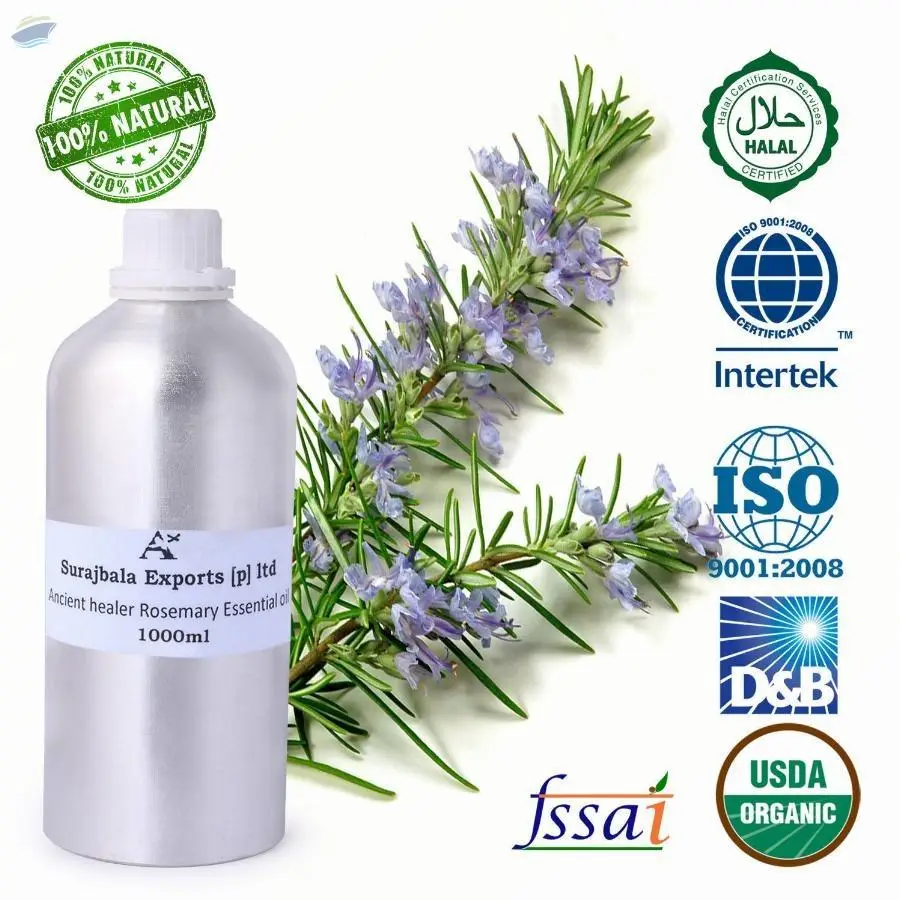
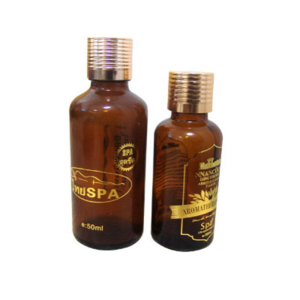
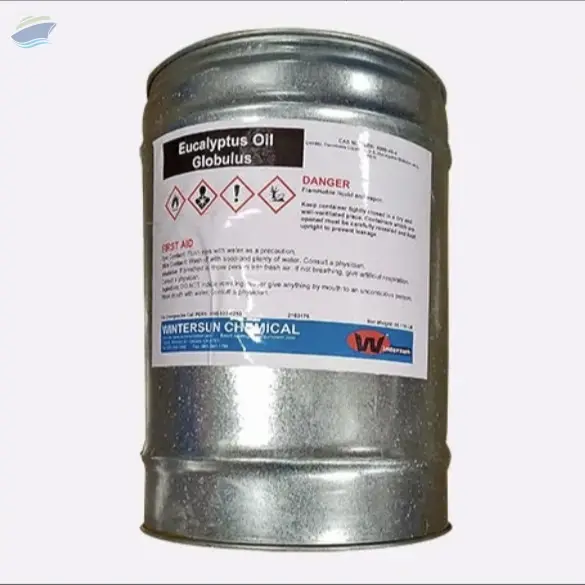
In the global market, essential oils are usually classified under HS 3301 and are shipped in 100 ml or 250 ml amber glass bottles, or in bulk 25 kg drums for industrial use. Herbal extracts commonly fall under HS 1302 and are supplied in sealed polyethylene bags ranging from 5 kg to 25 kg, with certificates of analysis confirming active marker content. Organic powders are often exported under HS 2106 with specifications for pesticide residue limits (≤0.01 mg kg⁻¹) and heavy‑metal compliance (≤10 ppm lead). Buyers typically request ISO 9001, GMP and, when applicable, USDA‑Organic or EU‑Organic certifications to validate production practices.
Trade and Export Information - Global Merchants
India is a major exporter of essential oils and botanical extracts, with the European Union, United States and Middle East representing the largest import regions for these categories. HS 3301 (essential oils) and HS 1302 (herbal extracts) are subject to phytosanitary inspection and may require a Certificate of Origin and a Laboratory Analysis Report for customs clearance. Commonly required certifications include ISO 9001, GMP, and where organic claims are made, USDA‑Organic or EU‑Organic certificates, as well as a COA for each batch.
Logistically, bulk essential oils are frequently packed in 20 ft containers containing up to 12 000 ml of product, while powdered herbs are loaded in 40 ft containers with bulk bags of 25 kg each. Incoterms such as FOB Mumbai or CIF Dubai are typical for Indian exporters. Exporters from India must comply with the Foreign Trade Policy and may need to obtain an Export Promotion Capital Goods (EPCG) license for certain value‑added products. Buyers should verify that the supplier can provide the necessary documentation to meet the importing country’s regulatory requirements, such as the EU’s REACH registration for certain fragrance ingredients.
Sourcing from Global Merchants - Buyer Guidance
Prospective buyers should request a recent Certificate of Analysis that details purity, active marker percentage, moisture content and microbial limits for each extract or oil. For organic powders, an organic certification audit report and pesticide residue analysis are standard verification documents. It is advisable to obtain a sample batch to run independent testing, especially for critical parameters like GC‑MS profile of essential oils and HPLC quantification of herbal actives.
Before confirming an order, verify the supplier’s packaging specifications, such as glass bottle closure type for oils or food‑grade polyethylene bag for powders, and ensure they meet the buyer’s shelf‑life requirements. Minimum order quantities in the Indian market typically start at 5 kg for essential oils and 500 kg for bulk powders, though private‑label projects may allow smaller batches. Confirm the agreed Incoterm, lead time - usually 30‑45 days for bulk production - and any required pre‑shipment inspection reports.
Frequently Asked Questions About Global Merchants
What product categories does Global Merchants offer?
Global Merchants lists essential oils, herbal extracts, organic powders, PG extracts and other natural ingredients, with 184 active SKUs such as Lavender Oil, Ashwagandha Extract (1.5‑5 %) and Bio Turmeric Powder.
Which HS codes are relevant for the listed products?
The essential oils fall under HS 3301, herbal and plant extracts under HS 1302, and powdered spices or organic powders under HS 0904 (spices) or HS 2106 (food preparations).
What certifications does the supplier hold?
The supplier’s profile states ISO 9001:2015 certification; buyers should also request GMP, organic (USDA or EU) certificates and batch‑specific COAs where applicable.
What are typical minimum order quantities?
For essential oils, MOQ usually starts at 5 kg, while bulk herbal powders are commonly ordered in increments of 500 kg; smaller private‑label batches can be arranged on request.
What documentation should be obtained before shipment?
Buyers should obtain a Certificate of Analysis, a Certificate of Origin, phytosanitary certificates if required, and any relevant organic or REACH compliance documents.
How are the products usually packaged for export?
Essential oils are shipped in sealed amber glass bottles (100 ml‑250 ml) or 25 kg drums; powders are packed in food‑grade polyethylene bags (5‑25 kg) and placed in standard 20 ft or 40 ft containers.
What Incoterms are commonly used for shipments from India?
Indian exporters typically use FOB Mumbai or CIF Dubai, but the exact term can be negotiated according to the buyer’s preference.




 , India