Shri Krishna traders — Verified Distributor & Wholesale Supplier

About Shri Krishna traders - Fresh Vegetables & Grains Supplier in India

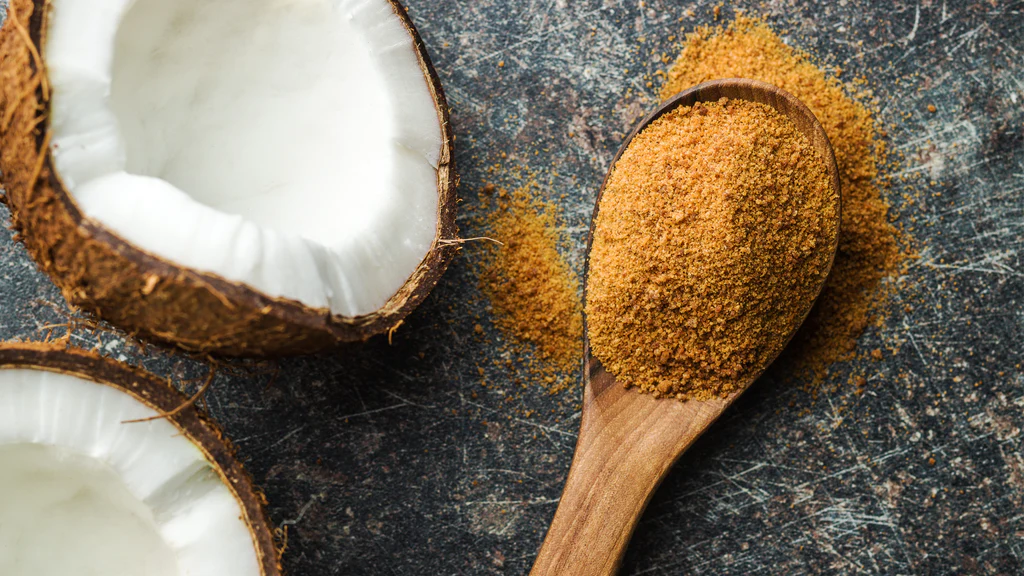
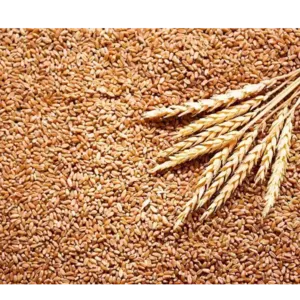
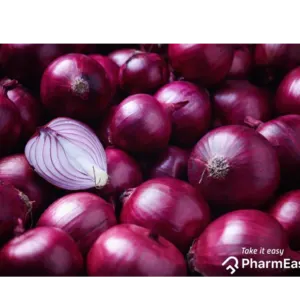
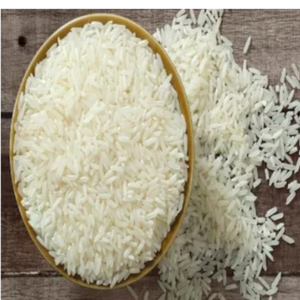
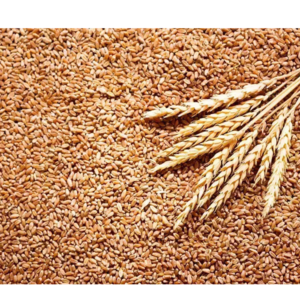
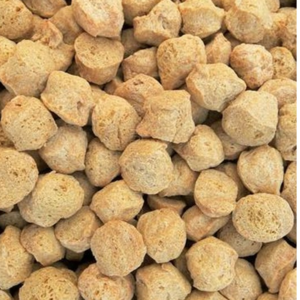
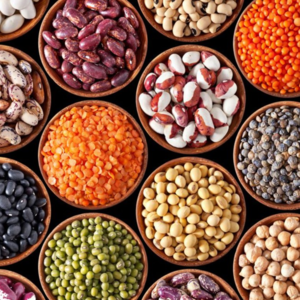
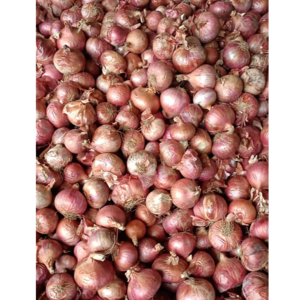
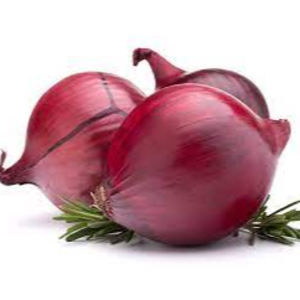
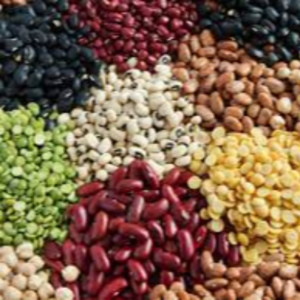
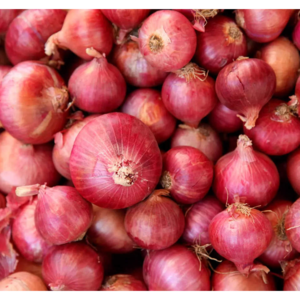
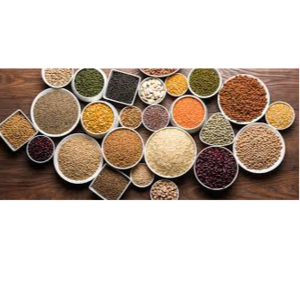
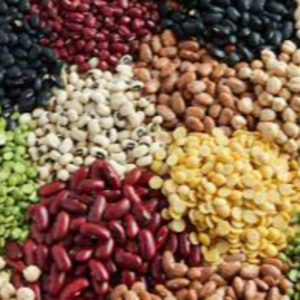
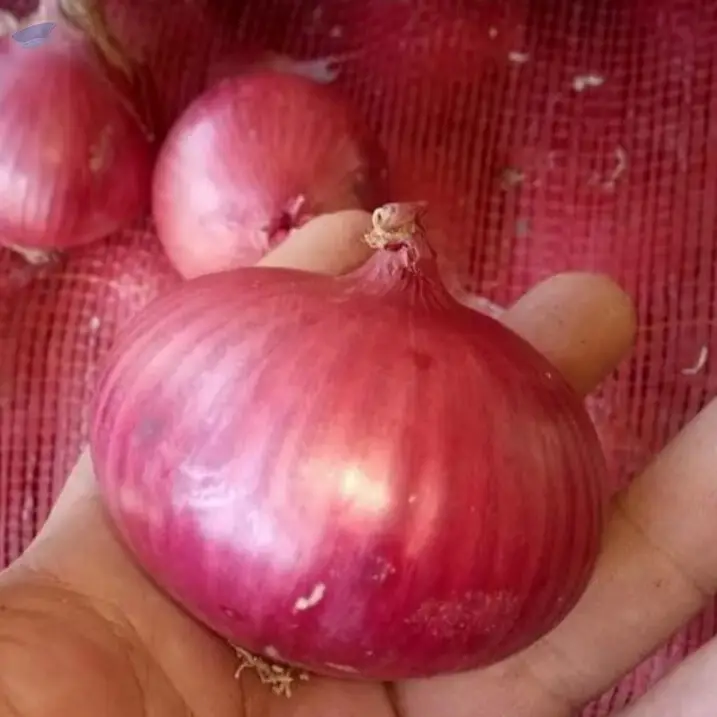
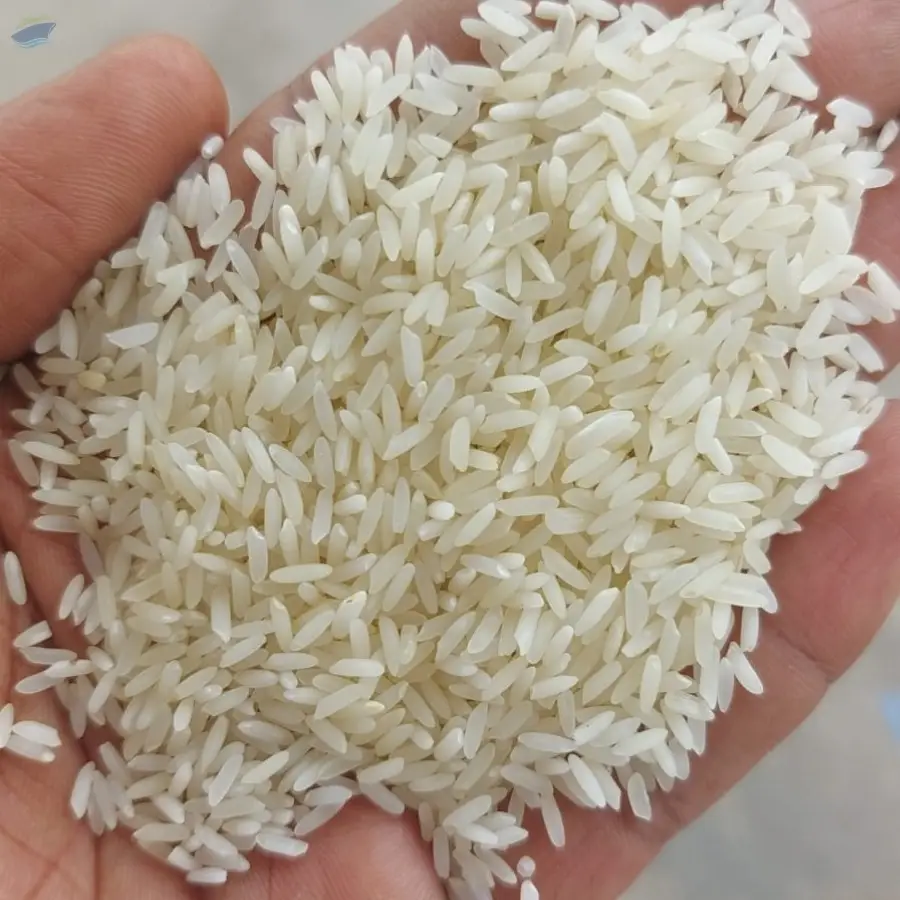
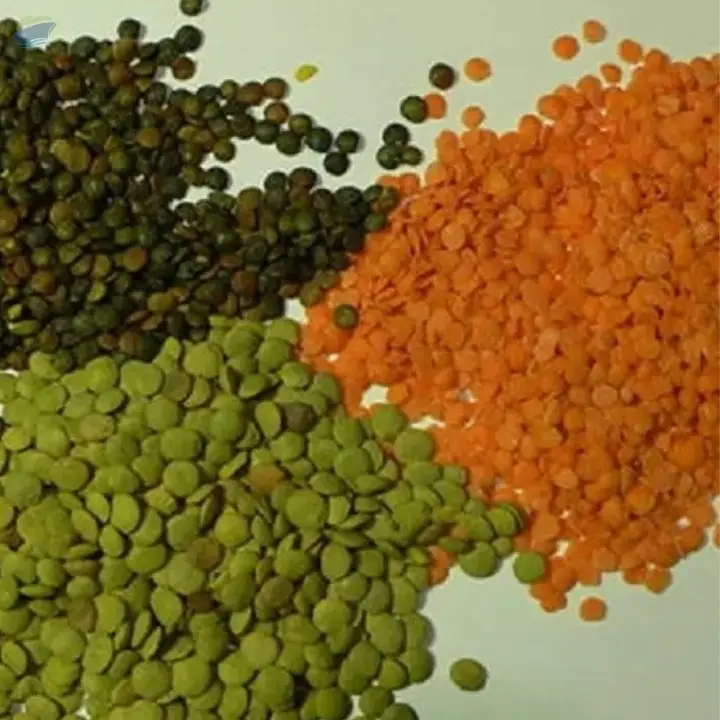
India, Rajgarh in Madhya Pradesh hosts Shri Krishna traders, which lists 14 active products in its catalogue. The catalogue includes staple food items such as broken rice (HS 1006.40, Oryza sativa), dehydrated garlic (HS 0712.30, 100 % pure), dehydrated onion (HS 0712.20, Allium cepa), wheat grain (HS 1001.99, Triticum aestivum), yellow soybeans (HS 1201.90, Glycine max) and assorted dried pulses (HS 0713.60) covering lentils, chickpeas, yellow peas and pigeon peas. In addition the supplier mentions sugar, as well as a line of textile goods including scarves, stoles, shawls, skirts, ladies suits, leggings and ladies kurti, although no HS codes are provided for these items. All food products are presented with their HS‑code families, indicating compliance with standard customs classifications. The mix of agricultural and textile entries reflects a diversified catalogue rather than a single‑product focus.

Product Range and Specialties of Shri Krishna traders

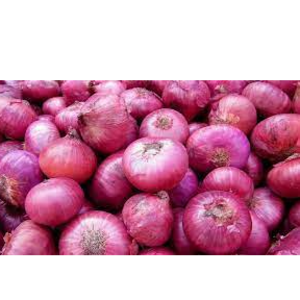
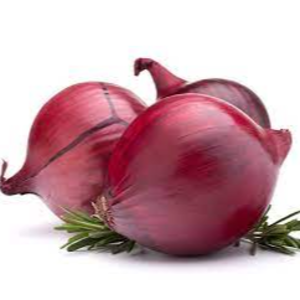
The food portfolio comprises broken rice, which is commonly sold as a lower‑grade milling fraction, and dehydrated vegetables such as garlic and onion that are used in spice blends and ready‑to‑cook applications. Wheat and soybeans are supplied as food‑grade grains, while the pulse assortment meets typical bulk‑export specifications for dried legumes. In the sugar segment, exporters usually provide refined white sugar meeting Codex purity standards of 99.8 % sucrose. The textile segment lists items generally made from cotton or silk blends, a common material choice for scarves, stoles and shawls. Industry practice for these categories includes grading rice by broken percentage, specifying moisture limits for dehydrated vegetables (≤12 %), and defining protein content for wheat (10‑12 %).

Trade and Export Information - Shri Krishna traders

India ranks among the world’s top exporters of rice, wheat, pulses, garlic, onion and soybeans, with major destination markets in the Middle East, Africa, Southeast Asia and the European Union. HS 1006, 0712, 1001, 1201 and 0713 are the primary tariff headings used for customs clearance of these commodities, and they often trigger requirements for a phytosanitary certificate, certificate of origin and laboratory analysis for moisture, pesticide residues and foreign matter. Buyers typically request food‑safety certifications such as ISO 22000, FSSC 22000 or HACCP, and for organic‑labelled shipments an accredited organic certification is required. Textile items are normally classified under HS 6205‑6215 and may be subject to Oeko‑Tex or ISO 9001 audits, especially for apparel destined for the EU or North America. Shipping is usually performed in 20‑ft or 40‑ft containers; bulk grains travel in jute bags or bulk carriers, while dehydrated vegetables and pulses are packed in food‑grade polypropylene bags, and textiles are folded in cartons with moisture‑resistant liners.

Sourcing from Shri Krishna traders - Buyer Guidance

When sourcing broken rice, request a sample analysis that includes moisture content (≤12 %), broken grain size (1.5‑2 mm) and ash content per Codex guidelines. For dehydrated garlic and onion, ask for a laboratory report showing moisture ≤12 % and pesticide residue levels below Codex maximum residue limits. Wheat shipments should be accompanied by a test report confirming protein content in the 10‑12 % range and foreign matter below 0.5 %. Soybeans and pulses require verification of oil content (≈18‑20 % for soy) and moisture below 13 %. Buyers should also obtain a phytosanitary certificate, certificate of origin and, where applicable, an organic certificate before freight booking. For textile products, request a material composition certificate, wash‑fastness test results and any relevant Oeko‑Tex or ISO compliance documentation.

Frequently Asked Questions About Shri Krishna traders

What types of rice does Shri Krishna traders export?

The supplier lists broken rice (Oryza sativa) classified under HS 1006.40. Broken rice is typically sold with a moisture content not exceeding 12 % and grain size around 1.5‑2 mm.

Which quality parameters are verified for dehydrated garlic?

Dehydrated garlic (HS 0712.30) is usually tested for moisture ≤12 %, purity ≥95 % and compliance with Codex pesticide residue limits. A laboratory analysis report is standard practice.

What specifications are common for the wheat offered?

Wheat (HS 1001.99) is assessed for protein content between 10‑12 %, moisture below 14 % and foreign matter under 0.5 % by weight. Export shipments are accompanied by a certificate of analysis.

What certifications should I request for Indian grain exports?

Buyers normally ask for ISO 22000 or FSSC 22000 food‑safety certificates, HACCP compliance, and, if the product is marketed as organic, a recognized organic certification. A phytosanitary certificate is also required.

How are pulses packaged for international shipment?

Assorted dried pulses (HS 0713.60) are packed in food‑grade polypropylene bags of 25 kg or in standard 50 kg jute sacks for bulk containers. Packaging must ensure moisture stays below 12 %.

What is the typical lead time for a 20‑ft container of broken rice?

Lead times range from 30 to 45 days after order confirmation, depending on harvest season and container availability. Freight is usually arranged on a CIF basis.

Under which HS codes are the textile items like scarves classified?

Scarves, stoles and shawls are generally classified under HS 6215 (silk garments) or HS 6205 (knitted or crocheted apparel). Exact codes depend on material composition, which the supplier should confirm.

What documents are needed for sugar export from India?

Exporters must provide a certificate of origin, a laboratory analysis confirming sugar purity of at least 99.8 %, and compliance with the relevant HS 1701 tariff heading. A phytosanitary certificate is not required for refined sugar.


Featured Products from Shri Krishna traders

Other Suppliers in Mushrooms

Top Trusted Suppliers

Related Products in Mushrooms

Trending in Parent Category

More Suppliers in Parent Category

Related Products

Other Suppliers

EximNext
58.4K+ live requirements
Register Free🎁 5 free buy-lead credits
Post Requirement
🌍 Trusted by 224.3K+ businesses in 200+ countries|
58.4K+ active requirements right now
✉️ [email protected]
|
Sell on EximNextPost Requirement
EximNext
AgricultureApparelConstructionElectronicFoodHomeIndustrialMineralsMiscellaneous
🔥 Deals|✨ AI Match|🏭 Suppliers|📋 Buy Leads|💰 Trade Finance|⭐ Upgrade
58.4K+ live RFQs·194.4K+ suppliers
🎁 5 free credits →
EximNext
EximNext
Register Free
🎁 5 free buy-lead credits
Sign In
📋Post Requirement💬Get QuotesAI Match📋RFQ Marketplace
All Categories
Services & Tools
🏭Supplier Directory🔥Today's Deals💰Trade FinanceMembership
Sell on EximNext
AboutContactBlogHelp
🏭

Shri Krishna traders

🚢 Voyage
Country flag Rajgarh, IndiaEst. 2021-12-31
🏆
5+
Years in Business
🛡️
65/100
Trust Score

Shri Krishna traders Product Catalog

Showing 12 of 14 products
View all products →
Sugar
🚢 Voyage
Sugar
Contact
MOQ: 1 Unit
Ladies Kurti
🚢 Voyage
Ladies Kurti
Contact
MOQ: 1 Unit
Leggings
🚢 Voyage
Leggings
Contact
MOQ: 1 Unit
Ladies Suit
🚢 Voyage
Ladies Suit
Contact
MOQ: 1 Unit
Skirt
🚢 Voyage
Skirt
Contact
MOQ: 1 Unit
Shawls
🚢 Voyage
Shawls
Contact
MOQ: 1 Unit
Stoles
🚢 Voyage
Stoles
Contact
MOQ: 1 Unit
Scarves
🚢 Voyage
Scarves
Contact
MOQ: 1 Unit
pulses
🚢 Voyage
pulses
Contact
MOQ: 1 Unit
SOYBEAN
🚢 Voyage
SOYBEAN
Contact
MOQ: 1 Unit
WHEAT
🚢 Voyage
WHEAT
Contact
MOQ: 1 Unit
ONION
🚢 Voyage
ONION
Contact
MOQ: 1 Unit

About Shri Krishna traders - Fresh Vegetables & Grains Supplier in India

India, Rajgarh in Madhya Pradesh hosts Shri Krishna traders, which lists 14 active products in its catalogue. The catalogue includes staple food items such as broken rice (HS 1006.40, Oryza sativa), dehydrated garlic (HS 0712.30, 100 % pure), dehydrated onion (HS 0712.20, Allium cepa), wheat grain (HS 1001.99, Triticum aestivum), yellow soybeans (HS 1201.90, Glycine max) and assorted dried pulses (HS 0713.60) covering lentils, chickpeas, yellow peas and pigeon peas. In addition the supplier mentions sugar, as well as a line of textile goods including scarves, stoles, shawls, skirts, ladies suits, leggings and ladies kurti, although no HS codes are provided for these items. All food products are presented with their HS‑code families, indicating compliance with standard customs classifications. The mix of agricultural and textile entries reflects a diversified catalogue rather than a single‑product focus.

Product Range and Specialties of Shri Krishna traders

The food portfolio comprises broken rice, which is commonly sold as a lower‑grade milling fraction, and dehydrated vegetables such as garlic and onion that are used in spice blends and ready‑to‑cook applications. Wheat and soybeans are supplied as food‑grade grains, while the pulse assortment meets typical bulk‑export specifications for dried legumes. In the sugar segment, exporters usually provide refined white sugar meeting Codex purity standards of 99.8 % sucrose. The textile segment lists items generally made from cotton or silk blends, a common material choice for scarves, stoles and shawls. Industry practice for these categories includes grading rice by broken percentage, specifying moisture limits for dehydrated vegetables (≤12 %), and defining protein content for wheat (10‑12 %).

Trade and Export Information - Shri Krishna traders

India ranks among the world’s top exporters of rice, wheat, pulses, garlic, onion and soybeans, with major destination markets in the Middle East, Africa, Southeast Asia and the European Union. HS 1006, 0712, 1001, 1201 and 0713 are the primary tariff headings used for customs clearance of these commodities, and they often trigger requirements for a phytosanitary certificate, certificate of origin and laboratory analysis for moisture, pesticide residues and foreign matter. Buyers typically request food‑safety certifications such as ISO 22000, FSSC 22000 or HACCP, and for organic‑labelled shipments an accredited organic certification is required. Textile items are normally classified under HS 6205‑6215 and may be subject to Oeko‑Tex or ISO 9001 audits, especially for apparel destined for the EU or North America. Shipping is usually performed in 20‑ft or 40‑ft containers; bulk grains travel in jute bags or bulk carriers, while dehydrated vegetables and pulses are packed in food‑grade polypropylene bags, and textiles are folded in cartons with moisture‑resistant liners.

Sourcing from Shri Krishna traders - Buyer Guidance

When sourcing broken rice, request a sample analysis that includes moisture content (≤12 %), broken grain size (1.5‑2 mm) and ash content per Codex guidelines. For dehydrated garlic and onion, ask for a laboratory report showing moisture ≤12 % and pesticide residue levels below Codex maximum residue limits. Wheat shipments should be accompanied by a test report confirming protein content in the 10‑12 % range and foreign matter below 0.5 %. Soybeans and pulses require verification of oil content (≈18‑20 % for soy) and moisture below 13 %. Buyers should also obtain a phytosanitary certificate, certificate of origin and, where applicable, an organic certificate before freight booking. For textile products, request a material composition certificate, wash‑fastness test results and any relevant Oeko‑Tex or ISO compliance documentation.

Frequently Asked Questions About Shri Krishna traders

What types of rice does Shri Krishna traders export?

The supplier lists broken rice (Oryza sativa) classified under HS 1006.40. Broken rice is typically sold with a moisture content not exceeding 12 % and grain size around 1.5‑2 mm.

Which quality parameters are verified for dehydrated garlic?

Dehydrated garlic (HS 0712.30) is usually tested for moisture ≤12 %, purity ≥95 % and compliance with Codex pesticide residue limits. A laboratory analysis report is standard practice.

What specifications are common for the wheat offered?

Wheat (HS 1001.99) is assessed for protein content between 10‑12 %, moisture below 14 % and foreign matter under 0.5 % by weight. Export shipments are accompanied by a certificate of analysis.

What certifications should I request for Indian grain exports?

Buyers normally ask for ISO 22000 or FSSC 22000 food‑safety certificates, HACCP compliance, and, if the product is marketed as organic, a recognized organic certification. A phytosanitary certificate is also required.

How are pulses packaged for international shipment?

Assorted dried pulses (HS 0713.60) are packed in food‑grade polypropylene bags of 25 kg or in standard 50 kg jute sacks for bulk containers. Packaging must ensure moisture stays below 12 %.

What is the typical lead time for a 20‑ft container of broken rice?

Lead times range from 30 to 45 days after order confirmation, depending on harvest season and container availability. Freight is usually arranged on a CIF basis.

Under which HS codes are the textile items like scarves classified?

Scarves, stoles and shawls are generally classified under HS 6215 (silk garments) or HS 6205 (knitted or crocheted apparel). Exact codes depend on material composition, which the supplier should confirm.

What documents are needed for sugar export from India?

Exporters must provide a certificate of origin, a laboratory analysis confirming sugar purity of at least 99.8 %, and compliance with the relevant HS 1701 tariff heading. A phytosanitary certificate is not required for refined sugar.

About Shri Krishna traders - Fresh Vegetables & Grains Supplier in India

India, Rajgarh in Madhya Pradesh hosts Shri Krishna traders, which lists 14 active products in its catalogue. The catalogue includes staple food items such as broken rice (HS 1006.40, Oryza sativa), dehydrated garlic (HS 0712.30, 100 % pure), dehydrated onion (HS 0712.20, Allium cepa), wheat grain (HS 1001.99, Triticum aestivum), yellow soybeans (HS 1201.90, Glycine max) and assorted dried pulses (HS 0713.60) covering lentils, chickpeas, yellow peas and pigeon peas. In addition the supplier mentions sugar, as well as a line of textile goods including scarves, stoles, shawls, skirts, ladies suits, leggings and ladies kurti, although no HS codes are provided for these items. All food products are presented with their HS‑code families, indicating compliance with standard customs classifications. The mix of agricultural and textile entries reflects a diversified catalogue rather than a single‑product focus.

Product Range and Specialties of Shri Krishna traders

The food portfolio comprises broken rice, which is commonly sold as a lower‑grade milling fraction, and dehydrated vegetables such as garlic and onion that are used in spice blends and ready‑to‑cook applications. Wheat and soybeans are supplied as food‑grade grains, while the pulse assortment meets typical bulk‑export specifications for dried legumes. In the sugar segment, exporters usually provide refined white sugar meeting Codex purity standards of 99.8 % sucrose. The textile segment lists items generally made from cotton or silk blends, a common material choice for scarves, stoles and shawls. Industry practice for these categories includes grading rice by broken percentage, specifying moisture limits for dehydrated vegetables (≤12 %), and defining protein content for wheat (10‑12 %).

Trade and Export Information - Shri Krishna traders

India ranks among the world’s top exporters of rice, wheat, pulses, garlic, onion and soybeans, with major destination markets in the Middle East, Africa, Southeast Asia and the European Union. HS 1006, 0712, 1001, 1201 and 0713 are the primary tariff headings used for customs clearance of these commodities, and they often trigger requirements for a phytosanitary certificate, certificate of origin and laboratory analysis for moisture, pesticide residues and foreign matter. Buyers typically request food‑safety certifications such as ISO 22000, FSSC 22000 or HACCP, and for organic‑labelled shipments an accredited organic certification is required. Textile items are normally classified under HS 6205‑6215 and may be subject to Oeko‑Tex or ISO 9001 audits, especially for apparel destined for the EU or North America. Shipping is usually performed in 20‑ft or 40‑ft containers; bulk grains travel in jute bags or bulk carriers, while dehydrated vegetables and pulses are packed in food‑grade polypropylene bags, and textiles are folded in cartons with moisture‑resistant liners.

Sourcing from Shri Krishna traders - Buyer Guidance

When sourcing broken rice, request a sample analysis that includes moisture content (≤12 %), broken grain size (1.5‑2 mm) and ash content per Codex guidelines. For dehydrated garlic and onion, ask for a laboratory report showing moisture ≤12 % and pesticide residue levels below Codex maximum residue limits. Wheat shipments should be accompanied by a test report confirming protein content in the 10‑12 % range and foreign matter below 0.5 %. Soybeans and pulses require verification of oil content (≈18‑20 % for soy) and moisture below 13 %. Buyers should also obtain a phytosanitary certificate, certificate of origin and, where applicable, an organic certificate before freight booking. For textile products, request a material composition certificate, wash‑fastness test results and any relevant Oeko‑Tex or ISO compliance documentation.

Frequently Asked Questions About Shri Krishna traders
What types of rice does Shri Krishna traders export?
The supplier lists broken rice (Oryza sativa) classified under HS 1006.40. Broken rice is typically sold with a moisture content not exceeding 12 % and grain size around 1.5‑2 mm.
Which quality parameters are verified for dehydrated garlic?
Dehydrated garlic (HS 0712.30) is usually tested for moisture ≤12 %, purity ≥95 % and compliance with Codex pesticide residue limits. A laboratory analysis report is standard practice.
What specifications are common for the wheat offered?
Wheat (HS 1001.99) is assessed for protein content between 10‑12 %, moisture below 14 % and foreign matter under 0.5 % by weight. Export shipments are accompanied by a certificate of analysis.
What certifications should I request for Indian grain exports?
Buyers normally ask for ISO 22000 or FSSC 22000 food‑safety certificates, HACCP compliance, and, if the product is marketed as organic, a recognized organic certification. A phytosanitary certificate is also required.
How are pulses packaged for international shipment?
Assorted dried pulses (HS 0713.60) are packed in food‑grade polypropylene bags of 25 kg or in standard 50 kg jute sacks for bulk containers. Packaging must ensure moisture stays below 12 %.
What is the typical lead time for a 20‑ft container of broken rice?
Lead times range from 30 to 45 days after order confirmation, depending on harvest season and container availability. Freight is usually arranged on a CIF basis.
Under which HS codes are the textile items like scarves classified?
Scarves, stoles and shawls are generally classified under HS 6215 (silk garments) or HS 6205 (knitted or crocheted apparel). Exact codes depend on material composition, which the supplier should confirm.
What documents are needed for sugar export from India?
Exporters must provide a certificate of origin, a laboratory analysis confirming sugar purity of at least 99.8 %, and compliance with the relevant HS 1701 tariff heading. A phytosanitary certificate is not required for refined sugar.

🏭
Shri Krishna traders
Country flag Rajgarh, India
🚢 Voyage
65/100
Trust Score
📦
14
Products
Free to contact — no commission
Escrow payment available
Verified business identity
Compare more suppliers
Post a requirement — get 10 quotes free
Let verified suppliers compete for your business. Free, fast, no commitment.
EximNext Verified Supplier
Business identity verified
Physical address confirmed
Financial history checked
Certifications authenticated
Trade references validated
Due Diligence
Verify this supplier's real shipping history.
Every shipment, every buyer, every port. Trade data that can't be faked.
Run due diligence →
Discover More

Related Suppliers & Products

Explore similar suppliers, related products and trending categories

Featured Products from Shri Krishna traders

Other Suppliers in Mushrooms

Top Trusted Suppliers

Related Products in Mushrooms

Trending in Parent Category

More Suppliers in Parent Category

Stay ahead in global trade
Weekly market insights & new supplier alerts.
EximNext
Exim Next is a leading global B2B marketplace, connecting over 205,000 verified suppliers and buyers across 200+ countries. As a trusted import export marketplace, it serves as the essential B2B portal for businesses worldwide, empowering them to expand their international reach. With Exim Next, businesses can trade smarter and grow faster.
SECURE PAYMENTS
VISAMastercardPayPalSWIFTL/CEscrow
Follow us
© 2026 EximNext