Suwannaphum Asia Trading LLC — Verified Supplier
About Suwannaphum Asia Trading LLC - Vegetables Supplier in United Arab Emirates
United Arab Emirates - based Suwannaphum Asia Trading LLC is listed as an imported supplier with ten active products. The catalogue covers three top categories - Vegetables, Fruits and Apple - and includes mangosteen, shiitake mushroom, marian plum, taro, broccoli or kale leaf, rose apple, papaya, pak choi, baby corn and okra or lady finger. Each entry is presented under the relevant HS‑code family, for example rose apple carries HS code 0808.10 as a fresh whole fruit of Syzygium samarangense. The remaining items fall under the standard HS chapters for fresh produce, such as chapter 07 for vegetables and chapter 08 for tropical fruits, although specific codes are not listed in the source data.
The supplier’s product set spans tropical fruits, leafy greens, root vegetables and mushrooms, all classified within the international tariff schedule for fresh agricultural goods. While only rose apple has an explicit HS code, buyers can anticipate that mangosteen, papaya and other fruits will be recorded under HS 0805‑0806, and vegetables like taro, broccoli, pak choi and okra under HS 0704‑0705. This alignment facilitates customs clearance and enables buyers to match the catalogue to standard import documentation.
Product Range and Specialties of Suwannaphum Asia Trading LLC
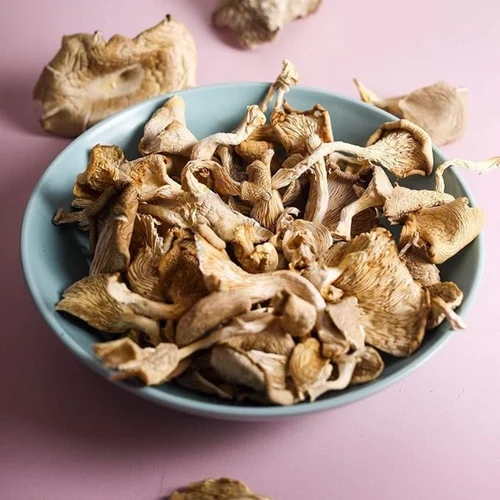
Suwannaphum Asia Trading LLC’s catalogue lists ten fresh items: mangosteen, papaya and rose apple as tropical fruits; shiitake mushroom as a cultivated fungus; taro, okra (lady finger) and baby corn as root or pod vegetables; broccoli/kale leaf and pak choi as leafy greens; and marian plum as a stone fruit. In the global fresh‑produce market, these commodities are commonly graded as Grade A or Extra, with size specifications such as papaya 5‑8 kg per fruit or baby corn 150‑200 g per ear. Typical packaging for such items includes ventilated 5‑10 kg cartons or bulk boxes that are loaded into refrigerated containers (reefers) for sea freight.
Industry practice for the listed categories includes temperature controls of 0‑4 °C for most vegetables and 10‑12 °C for tropical fruits, moisture content limits below 12 % for leafy greens, and pesticide residue limits that comply with Codex maximum residue levels. Buyers often request compliance with GlobalGAP or ISO 22000/HACCP food‑safety standards, as well as a phytosanitary certificate confirming freedom from pests and diseases.
Trade and Export Information - Suwannaphum Asia Trading LLC
The United Arab Emirates serves as a logistical hub for fresh‑produce exports to the European Union, Gulf Cooperation Council states, North Africa and parts of Asia. Export shipments from the UAE typically use 20 ft or 40 ft refrigerated containers, with temperature regimes matched to each product’s optimal storage range. HS chapter 07 (vegetables) and chapter 08 (fruits) are the primary tariff classifications, and customs authorities frequently require a phytosanitary certificate, certificate of origin and compliance with any additional import permits for specific fruit species.
Buyers importing these goods usually request GlobalGAP or similar food‑safety certifications, and may need to meet EU or GCC-specific residue testing and traceability requirements. Packaging standards call for sealed, ventilated cartons that protect against bruising and maintain humidity levels, while documentation must include a commercial invoice, packing list and, where applicable, a fumigation or treatment certificate.
Sourcing from Suwannaphum Asia Trading LLC - Buyer Guidance
When sourcing from Suwannaphum Asia Trading LLC, buyers should obtain a detailed product specification sheet that lists grade, size, moisture content and any applicable pesticide‑residue limits. It is advisable to request a phytosanitary certificate and, if available, a GlobalGAP or ISO 22000 audit report to verify food‑safety compliance before shipment. Buyers should also confirm the exact HS code for each item, verify container temperature settings, and agree on packaging dimensions to avoid damage during transit.
Typical verification steps include reviewing sample photographs, arranging a pre‑shipment sample of each fruit or vegetable, and checking that the supplier can provide the required export documents such as the certificate of origin and packing list. Clarifying the minimum order quantity, lead time and container load plan helps align supply with the buyer’s inventory and logistics schedule.
Frequently Asked Questions About Suwannaphum Asia Trading LLC
What fresh produce does Suwannaphum Asia Trading LLC offer?
The supplier lists ten items: mangosteen, shiitake mushroom, marian plum, taro, broccoli or kale leaf, rose apple, papaya, pak choi, baby corn and okra or lady finger.
Which HS code applies to the rose apple product?
Rose apple is classified under HS code 0808.10 for fresh whole fruit of Syzygium samarangense.
What certifications should buyers request for these products?
Buyers typically request a phytosanitary certificate and a food‑safety certification such as GlobalGAP, ISO 22000 or HACCP to demonstrate compliance with international fresh‑produce standards.
How are the listed vegetables and fruits usually packaged for export?
They are commonly packed in ventilated 5‑10 kg cartons or bulk boxes, which are then loaded into 20 ft or 40 ft refrigerated containers (reefers) with temperature controls appropriate to each commodity.
What documentation is required for importing these goods into the EU or GCC?
Importers generally need a phytosanitary certificate, certificate of origin, commercial invoice and packing list; additional import permits may be required for certain fruit species.
What quality parameters are inspected for these fresh produce items?
Inspections focus on grade (e.g., Grade A), size uniformity, moisture content, absence of pest damage, and pesticide‑residue levels that meet Codex limits, typically ≤0.01 mg kg⁻¹.
What is a typical lead time for an order from this supplier?
Lead times for fresh‑produce shipments from the UAE usually range from two to four weeks after order confirmation, depending on seasonality and container availability.




 , United Arab Emirates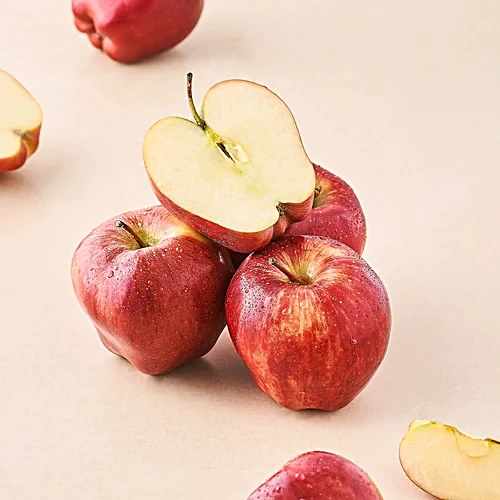




.jpg.png)