Dwarkadhish Trading Co — Verified Manufacturer & Wholesale Supplier

About Dwarkadhish Trading Co - Cotton and Rayon Textile Exporter in India

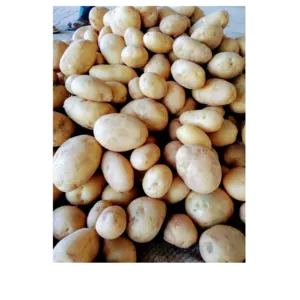
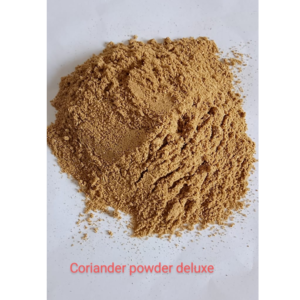
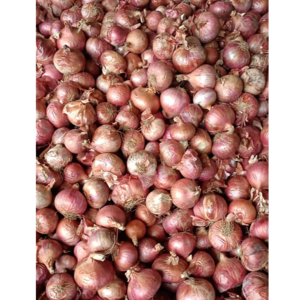
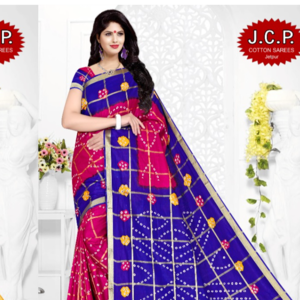
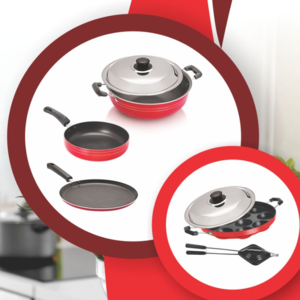
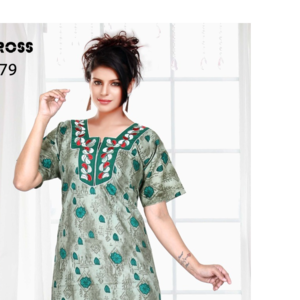
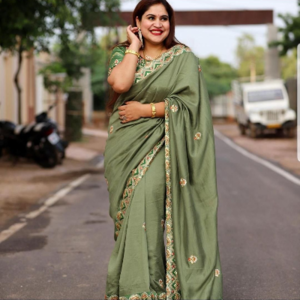
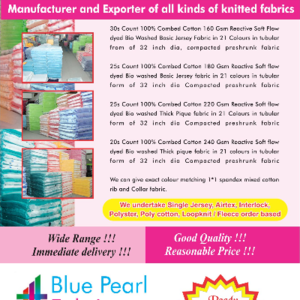
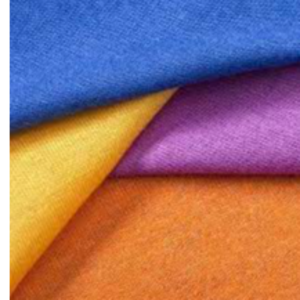
Dwarkadhish Trading Co is an exporter based in Rajkot, Gujarat, India, with an active catalogue of 39 listed products spanning woven cotton and rayon textiles, ready-made garments, kitchenware, industrial valves, and a small set of agricultural commodities. The textile core covers woven cotton fabrics classified under HS 5208 (including 5208.21, 5208.32, 5208.39, 5208.42 and 5208.11), rayon printed fabric under HS 5408.24, cotton satin mix dress material under HS 5408.22, and a multi-fibre suiting/shirting line under HS 5407.52. Garment-side items include cotton sarees (HS 6204.69), nightwear (HS 6210.10), burkha/dupatta sets (HS 6214.90), hoodies (HS 6110.20), men's ready-made pants (HS 6203.42) and denim fabric (HS 5209.42), giving the company a mixed woven-fabric plus made-up apparel profile. Beyond textiles, the catalogue lists non-stick aluminium cookware under HS 7615.10, copper-alloy industrial refinery piston and butterfly valves under HS 8481.80, and a small agricultural line of dry red chilli and chilli powder (HS 0904.20), turmeric powder (HS 0910.30), coriander powder (HS 0902.12), potatoes (HS 0701.90), dried onions (HS 0712.20) and yellow maize (HS 1005.10). Gujarat, and Rajkot in particular, sits within India's western textile belt with strong production of cotton shirting, dress material and block-printed fabrics, and the company draws on that regional base for its woven and printed cotton output. The combination of woven fabrics, made-up garments, cookware and agri-commodities in a single catalogue is unusual and reflects a multi-line trading operation rather than a single-category mill.

Product Range and Specialties of Dwarkadhish Trading Co

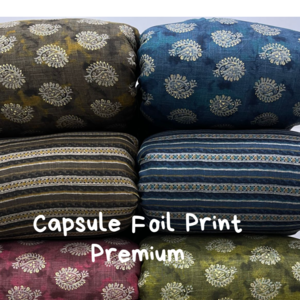
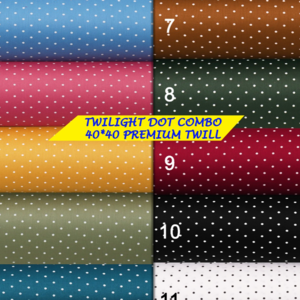
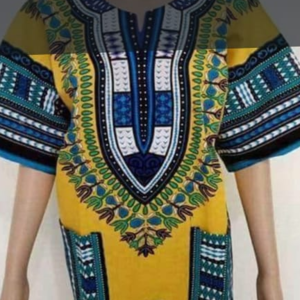
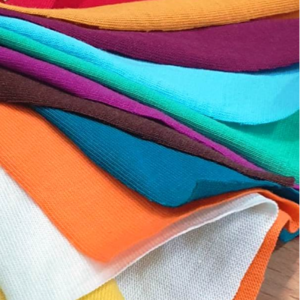
The catalogue is anchored in woven cotton and rayon fabrics, with specific constructions including cotton poplin/rayon suiting (HS 5208.21), cotton printed suiting (HS 5208.32), African-style printed cotton (HS 5208.39), four-way cotton lycra (HS 5208.39), denim cotton mix (HS 5209.42), grey cloth for further processing (HS 5208.11), and rayon/cotton blends (HS 5208.42). In cotton woven shirting and dress material, buyers typically evaluate fabric by GSM (commonly 80-120 GSM for printed dress material, 100-160 GSM for shirting), thread count, weave (plain, twill, satin, dobby), and shrinkage percentage; for African print fabrics, the relevant specs are 6 yard and 12 yard piece lengths, width of 45-48 inches, and reactive or pigment print fastness to washing (typically rated 3-4 on the grey scale). Rayon-printed fabric under HS 5408.24 is usually a viscose filament or staple weave at 90-120 GSM, valued for drape and print clarity. Ready-made apparel in the catalogue covers sarees, nightwear, hoodies, men's pants and denim, plus a dress material line in cotton satin mix (HS 5408.22) and cotton digital prints. For these made-ups, buyers typically request stitch density (stitches per inch), fabric GSM, size-chart conformity, colour fastness reports, and AZO-free and OEKO-TEX compliance for export to the EU. Outside textiles, the cookware line in HS 7615.10 is typically specified by aluminium grade (3003/3004 series), coating system (2-layer or 3-layer PTFE/ceramic non-stick), induction-base compatibility, and handle rivet type. The industrial valve entries under HS 8481.80 specify brass/CuZn body composition (copper 70-85%, zinc 15-30%), which is the standard free-machining brass used for refinery and butterfly valves and is typically supplied with hydrostatic test certificates and ISO 5208 leakage ratings.

Trade and Export Information - Dwarkadhish Trading Co

India is one of the world's largest exporters of cotton woven fabrics, and Gujarat specifically is a major hub for cotton shirting, dress material and block-printed textiles, with the state hosting large spinning and weaving clusters around Surat, Ahmedabad and Rajkot. The HS code families in this catalogue (5208 woven cotton, 5209 denim, 5407/5408 woven synthetic filament, 6203/6204/6210/6214 made-up apparel) are the standard classification lines used by Indian textile exporters and align with India's main textile export destinations, which typically include the USA, EU member states, the UK, UAE, Saudi Arabia, and large African markets such as Nigeria, Kenya, Ghana and South Africa for printed cotton and dress material. African print fabric (HS 5208.39) is a particularly high-volume lane from Gujarat and Maharashtra into West and East Africa. For the textile items, buyers in regulated markets usually require a combination of OEKO-TEX Standard 100, GOTS (for organic cotton claims), BCI (Better Cotton), and AZO-free dye certification, along with REACH compliance for the EU and CPSIA compliance for the USA; for made-up apparel, buyers typically ask for pre-shipment inspection (PSI) by SGS, Bureau Veritas or Intertek and a detailed packing list with carton dimensions and CBM. The cookware line under HS 7615.10 generally requires food-grade migration testing (LFGB for the EU, FDA 21 CFR for the USA) and typically moves under FOB or CIF Incoterms in 20 ft or 40 ft containers. The agricultural items in the catalogue (chilli, turmeric, coriander, onion, maize) fall under different HS chapters (07, 09, 10) and usually require fumigation certificates, phytosanitary certificates, APEDA registration for Indian exporters of chilli and turmeric, and ASTA cleanliness specifications for spice shipments to the US. The brass valve line under HS 8481.80 is typically exported against ASTM B16/B16M brass specifications with hydrostatic test reports and is often shipped in wooden crates rather than cartons.

Sourcing from Dwarkadhish Trading Co - Buyer Guidance

Buyers approaching Dwarkadhish Trading Co should treat the catalogue as a multi-line trading operation and verify each product line separately, because specifications, documentation and quality norms differ sharply between woven cotton fabric, made-up apparel, aluminium cookware, brass valves, and agricultural commodities. For textile orders, request fabric composition percentages, GSM, width in inches or cm, shrinkage percentage (warp and weft), colour fastness to washing and rubbing, and AZO-free / OEKO-TEX test reports before confirming any volume. For made-up apparel, ask for a size-chart, stitch density, fabric GSM, and pre-shipment inspection access; for the African print fabric line specifically, confirm piece length (typically 6 yd or 12 yd), width (45-48 inches), print method (reactive, pigment, wax), and whether the fabric is mercerised. For the cookware items, buyers should request the aluminium alloy grade, coating system (number of layers, PTFE vs ceramic), handle and rivet specification, and food-contact migration test reports (FDA/LFGB as relevant). For the brass industrial valves, ask for the exact copper-zinc ratio, working pressure rating, hydrostatic test certificate, and conformity to ISO 5208 or equivalent leakage class. For the agricultural lines (chilli, turmeric, coriander, onion, maize), request ASTA cleanliness for spices, moisture content (typically under 10-11% for ground spices), pesticide residue analysis, phytosanitary certificate, and fumigation certificate. Across all categories, confirm the active product count of 39 reflects current availability, clarify MOQ per SKU, request production samples with measured specifications, and agree on Incoterms, packaging format (roll packing for fabric, bale or carton for spices, wooden crate for valves) and a pre-shipment inspection slot before any advance payment is released.

Frequently Asked Questions About Dwarkadhish Trading Co

What is the core product range of Dwarkadhish Trading Co?

The core range is woven cotton and rayon textiles (HS 5208, 5209, 5407, 5408), made-up apparel including sarees, nightwear, hoodies, men's pants and denim (HS 6203-6214), plus non-stick aluminium cookware (HS 7615.10), brass industrial valves (HS 8481.80) and a small set of agri-commodities including chilli, turmeric, coriander, onion and maize.

Which HS code families apply to the textile items in the catalogue?

Woven cotton fabrics fall under HS 5208 (with subheadings 5208.11, 5208.21, 5208.32, 5208.39, 5208.42), denim under HS 5209.42, woven synthetic filament suiting/shirting under HS 5407.52, rayon printed fabric under HS 5408.24, and cotton satin mix dress material under HS 5408.22. Made-up apparel is classified under HS 6203, 6204, 6210, 6214 and 6110 depending on the garment type.

Which documents and certifications should I request before ordering textiles from this supplier?

Request OEKO-TEX Standard 100 or GOTS for cotton/rayon, AZO-free dye test reports, REACH compliance for the EU, fabric composition with GSM, width, shrinkage and colour fastness data, and a pre-shipment inspection report from SGS, Bureau Veritas or Intertek. For African print fabric, also confirm piece length (6 yd or 12 yd) and print method (reactive, pigment, wax).

What specifications matter for the non-stick cookware line under HS 7615.10?

Confirm the aluminium alloy grade (typically 3003 or 3004 series), the coating system (number of layers and PTFE vs ceramic), induction-base compatibility, handle and rivet construction, and food-contact migration testing to FDA 21 CFR (USA) or LFGB (EU). Ask for a sample pan and a coating adhesion and abrasion test report before bulk order.

What should I verify for the brass industrial valves listed under HS 8481.80?

Confirm the copper-zinc ratio (the catalogue specifies copper 70-85%, zinc 15-30%, consistent with standard free-machining brass), working pressure and temperature rating, hydrostatic test certificate, and conformity to ISO 5208 leakage class or equivalent. Valves are usually packed in wooden crates and inspected against ASTM B16 brass specifications.

What documentation is typically required for the spice and agricultural items in the catalogue?

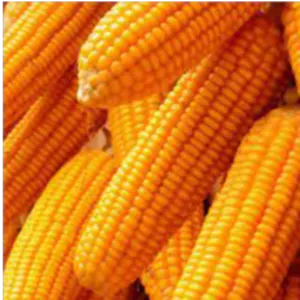
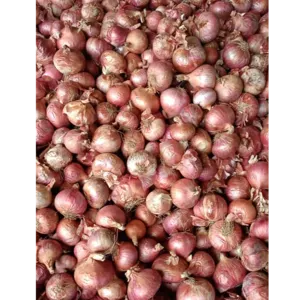
For chilli (HS 0904.20), turmeric (HS 0910.30) and coriander (HS 0902.12), request ASTA cleanliness specification, moisture content (typically under 10-11% for ground spices), pesticide residue analysis, APEDA registration copy, phytosanitary certificate and fumigation certificate. For yellow maize (HS 1005.10) and onions (HS 0712.20), ask for moisture percentage, aflatoxin analysis (maize) and a current phytosanitary certificate.

What is the typical MOQ and lead time I should confirm with this supplier?

MOQ and lead time should be confirmed per SKU because the catalogue spans fabrics (often MOQ 500-1,000 metres per design), made-up garments (MOQ 200-500 pieces per style), cookware sets (often MOQ 500-1,000 sets), brass valves (MOQ 50-200 pieces) and agricultural goods (typically 1-25 MT). Lead times for woven fabric production in Gujarat are commonly 30-45 days plus 15-30 days sea transit from Indian west coast ports.

How are goods from Dwarkadhish Trading Co typically packed and shipped?

Woven fabrics are usually roll-packed in poly bags inside export cartons or bale-packed, made-up apparel is flat-packed or hanger-packed in polybags and export cartons, aluminium cookware is shrink-wrapped and master-carton packed, brass valves are crated in wooden cases, and spices/agricultural goods are packed in PP bags, jute bags or multi-wall paper sacks. Shipments from Rajkot typically move by road to Mundra or Nhava Sheva port for FOB or CIF terms.


Featured Products from Dwarkadhish Trading Co

Other Suppliers in Cotton Woven Fabrics

Top Trusted Suppliers

Related Products in Cotton Woven Fabrics

Trending in Parent Category

More Suppliers in Parent Category

Related Products

Other Suppliers

EximNext
58.4K+ live requirements
Register Free🎁 5 free buy-lead credits
Post Requirement
🌍 Trusted by 224.3K+ businesses in 200+ countries|
58.4K+ active requirements right now
✉️ [email protected]
|
Sell on EximNextPost Requirement
EximNext
AgricultureApparelConstructionElectronicFoodHomeIndustrialMineralsMiscellaneous
🔥 Deals|✨ AI Match|🏭 Suppliers|📋 Buy Leads|💰 Trade Finance|⭐ Upgrade
58.4K+ live RFQs·194.4K+ suppliers
🎁 5 free credits →
EximNext
EximNext
Register Free
🎁 5 free buy-lead credits
Sign In
📋Post Requirement💬Get QuotesAI Match📋RFQ Marketplace
All Categories
Services & Tools
🏭Supplier Directory🔥Today's Deals💰Trade FinanceMembership
Sell on EximNext
AboutContactBlogHelp
🏭

Dwarkadhish Trading Co

🚢 Voyage
Country flag Rajkot, IndiaEst. 2019-12-31
🏆
7+
Years in Business
🛡️
95/100
Trust Score

Dwarkadhish Trading Co Product Catalog

Showing 12 of 40 products
View all products →
Industrial Valve
🚢 Voyage
Industrial Valve
Contact
MOQ: 1 Unit
Hydraulic Hose Pipe Fitting
🚢 Voyage
Hydraulic Hose Pipe Fitting
Contact
MOQ: 1 Unit
Leggings
🚢 Voyage
Leggings
Contact
MOQ: 1 Unit
Saree
🚢 Voyage
Saree
Contact
MOQ: 1 Unit
Shirting Printed Fabrics
🚢 Voyage
Shirting Printed Fabrics
Contact
MOQ: 1 Unit
Shirting Plain Fabrics
🚢 Voyage
Shirting Plain Fabrics
Contact
MOQ: 1 Unit
Plain Fabric
🚢 Voyage
Plain Fabric
Contact
MOQ: 1 Unit
Rayon and Cotton Fabric
🚢 Voyage
Rayon and Cotton Fabric
Contact
MOQ: 1 Unit
Tomato Puree
🚢 Voyage
Tomato Puree
Contact
MOQ: 1 Unit
Yellow Maize
🚢 Voyage
Yellow Maize
Contact
MOQ: 1 Unit
Onion
🚢 Voyage
Onion
Contact
MOQ: 1 Unit
Potato
🚢 Voyage
Potato
Contact
MOQ: 1 Unit

About Dwarkadhish Trading Co - Cotton and Rayon Textile Exporter in India

Dwarkadhish Trading Co is an exporter based in Rajkot, Gujarat, India, with an active catalogue of 39 listed products spanning woven cotton and rayon textiles, ready-made garments, kitchenware, industrial valves, and a small set of agricultural commodities. The textile core covers woven cotton fabrics classified under HS 5208 (including 5208.21, 5208.32, 5208.39, 5208.42 and 5208.11), rayon printed fabric under HS 5408.24, cotton satin mix dress material under HS 5408.22, and a multi-fibre suiting/shirting line under HS 5407.52. Garment-side items include cotton sarees (HS 6204.69), nightwear (HS 6210.10), burkha/dupatta sets (HS 6214.90), hoodies (HS 6110.20), men's ready-made pants (HS 6203.42) and denim fabric (HS 5209.42), giving the company a mixed woven-fabric plus made-up apparel profile. Beyond textiles, the catalogue lists non-stick aluminium cookware under HS 7615.10, copper-alloy industrial refinery piston and butterfly valves under HS 8481.80, and a small agricultural line of dry red chilli and chilli powder (HS 0904.20), turmeric powder (HS 0910.30), coriander powder (HS 0902.12), potatoes (HS 0701.90), dried onions (HS 0712.20) and yellow maize (HS 1005.10). Gujarat, and Rajkot in particular, sits within India's western textile belt with strong production of cotton shirting, dress material and block-printed fabrics, and the company draws on that regional base for its woven and printed cotton output. The combination of woven fabrics, made-up garments, cookware and agri-commodities in a single catalogue is unusual and reflects a multi-line trading operation rather than a single-category mill.

Product Range and Specialties of Dwarkadhish Trading Co

The catalogue is anchored in woven cotton and rayon fabrics, with specific constructions including cotton poplin/rayon suiting (HS 5208.21), cotton printed suiting (HS 5208.32), African-style printed cotton (HS 5208.39), four-way cotton lycra (HS 5208.39), denim cotton mix (HS 5209.42), grey cloth for further processing (HS 5208.11), and rayon/cotton blends (HS 5208.42). In cotton woven shirting and dress material, buyers typically evaluate fabric by GSM (commonly 80-120 GSM for printed dress material, 100-160 GSM for shirting), thread count, weave (plain, twill, satin, dobby), and shrinkage percentage; for African print fabrics, the relevant specs are 6 yard and 12 yard piece lengths, width of 45-48 inches, and reactive or pigment print fastness to washing (typically rated 3-4 on the grey scale). Rayon-printed fabric under HS 5408.24 is usually a viscose filament or staple weave at 90-120 GSM, valued for drape and print clarity. Ready-made apparel in the catalogue covers sarees, nightwear, hoodies, men's pants and denim, plus a dress material line in cotton satin mix (HS 5408.22) and cotton digital prints. For these made-ups, buyers typically request stitch density (stitches per inch), fabric GSM, size-chart conformity, colour fastness reports, and AZO-free and OEKO-TEX compliance for export to the EU. Outside textiles, the cookware line in HS 7615.10 is typically specified by aluminium grade (3003/3004 series), coating system (2-layer or 3-layer PTFE/ceramic non-stick), induction-base compatibility, and handle rivet type. The industrial valve entries under HS 8481.80 specify brass/CuZn body composition (copper 70-85%, zinc 15-30%), which is the standard free-machining brass used for refinery and butterfly valves and is typically supplied with hydrostatic test certificates and ISO 5208 leakage ratings.

Trade and Export Information - Dwarkadhish Trading Co

India is one of the world's largest exporters of cotton woven fabrics, and Gujarat specifically is a major hub for cotton shirting, dress material and block-printed textiles, with the state hosting large spinning and weaving clusters around Surat, Ahmedabad and Rajkot. The HS code families in this catalogue (5208 woven cotton, 5209 denim, 5407/5408 woven synthetic filament, 6203/6204/6210/6214 made-up apparel) are the standard classification lines used by Indian textile exporters and align with India's main textile export destinations, which typically include the USA, EU member states, the UK, UAE, Saudi Arabia, and large African markets such as Nigeria, Kenya, Ghana and South Africa for printed cotton and dress material. African print fabric (HS 5208.39) is a particularly high-volume lane from Gujarat and Maharashtra into West and East Africa. For the textile items, buyers in regulated markets usually require a combination of OEKO-TEX Standard 100, GOTS (for organic cotton claims), BCI (Better Cotton), and AZO-free dye certification, along with REACH compliance for the EU and CPSIA compliance for the USA; for made-up apparel, buyers typically ask for pre-shipment inspection (PSI) by SGS, Bureau Veritas or Intertek and a detailed packing list with carton dimensions and CBM. The cookware line under HS 7615.10 generally requires food-grade migration testing (LFGB for the EU, FDA 21 CFR for the USA) and typically moves under FOB or CIF Incoterms in 20 ft or 40 ft containers. The agricultural items in the catalogue (chilli, turmeric, coriander, onion, maize) fall under different HS chapters (07, 09, 10) and usually require fumigation certificates, phytosanitary certificates, APEDA registration for Indian exporters of chilli and turmeric, and ASTA cleanliness specifications for spice shipments to the US. The brass valve line under HS 8481.80 is typically exported against ASTM B16/B16M brass specifications with hydrostatic test reports and is often shipped in wooden crates rather than cartons.

Sourcing from Dwarkadhish Trading Co - Buyer Guidance

Buyers approaching Dwarkadhish Trading Co should treat the catalogue as a multi-line trading operation and verify each product line separately, because specifications, documentation and quality norms differ sharply between woven cotton fabric, made-up apparel, aluminium cookware, brass valves, and agricultural commodities. For textile orders, request fabric composition percentages, GSM, width in inches or cm, shrinkage percentage (warp and weft), colour fastness to washing and rubbing, and AZO-free / OEKO-TEX test reports before confirming any volume. For made-up apparel, ask for a size-chart, stitch density, fabric GSM, and pre-shipment inspection access; for the African print fabric line specifically, confirm piece length (typically 6 yd or 12 yd), width (45-48 inches), print method (reactive, pigment, wax), and whether the fabric is mercerised. For the cookware items, buyers should request the aluminium alloy grade, coating system (number of layers, PTFE vs ceramic), handle and rivet specification, and food-contact migration test reports (FDA/LFGB as relevant). For the brass industrial valves, ask for the exact copper-zinc ratio, working pressure rating, hydrostatic test certificate, and conformity to ISO 5208 or equivalent leakage class. For the agricultural lines (chilli, turmeric, coriander, onion, maize), request ASTA cleanliness for spices, moisture content (typically under 10-11% for ground spices), pesticide residue analysis, phytosanitary certificate, and fumigation certificate. Across all categories, confirm the active product count of 39 reflects current availability, clarify MOQ per SKU, request production samples with measured specifications, and agree on Incoterms, packaging format (roll packing for fabric, bale or carton for spices, wooden crate for valves) and a pre-shipment inspection slot before any advance payment is released.

Frequently Asked Questions About Dwarkadhish Trading Co

What is the core product range of Dwarkadhish Trading Co?

The core range is woven cotton and rayon textiles (HS 5208, 5209, 5407, 5408), made-up apparel including sarees, nightwear, hoodies, men's pants and denim (HS 6203-6214), plus non-stick aluminium cookware (HS 7615.10), brass industrial valves (HS 8481.80) and a small set of agri-commodities including chilli, turmeric, coriander, onion and maize.

Which HS code families apply to the textile items in the catalogue?

Woven cotton fabrics fall under HS 5208 (with subheadings 5208.11, 5208.21, 5208.32, 5208.39, 5208.42), denim under HS 5209.42, woven synthetic filament suiting/shirting under HS 5407.52, rayon printed fabric under HS 5408.24, and cotton satin mix dress material under HS 5408.22. Made-up apparel is classified under HS 6203, 6204, 6210, 6214 and 6110 depending on the garment type.

Which documents and certifications should I request before ordering textiles from this supplier?

Request OEKO-TEX Standard 100 or GOTS for cotton/rayon, AZO-free dye test reports, REACH compliance for the EU, fabric composition with GSM, width, shrinkage and colour fastness data, and a pre-shipment inspection report from SGS, Bureau Veritas or Intertek. For African print fabric, also confirm piece length (6 yd or 12 yd) and print method (reactive, pigment, wax).

What specifications matter for the non-stick cookware line under HS 7615.10?

Confirm the aluminium alloy grade (typically 3003 or 3004 series), the coating system (number of layers and PTFE vs ceramic), induction-base compatibility, handle and rivet construction, and food-contact migration testing to FDA 21 CFR (USA) or LFGB (EU). Ask for a sample pan and a coating adhesion and abrasion test report before bulk order.

What should I verify for the brass industrial valves listed under HS 8481.80?

Confirm the copper-zinc ratio (the catalogue specifies copper 70-85%, zinc 15-30%, consistent with standard free-machining brass), working pressure and temperature rating, hydrostatic test certificate, and conformity to ISO 5208 leakage class or equivalent. Valves are usually packed in wooden crates and inspected against ASTM B16 brass specifications.

What documentation is typically required for the spice and agricultural items in the catalogue?

For chilli (HS 0904.20), turmeric (HS 0910.30) and coriander (HS 0902.12), request ASTA cleanliness specification, moisture content (typically under 10-11% for ground spices), pesticide residue analysis, APEDA registration copy, phytosanitary certificate and fumigation certificate. For yellow maize (HS 1005.10) and onions (HS 0712.20), ask for moisture percentage, aflatoxin analysis (maize) and a current phytosanitary certificate.

What is the typical MOQ and lead time I should confirm with this supplier?

MOQ and lead time should be confirmed per SKU because the catalogue spans fabrics (often MOQ 500-1,000 metres per design), made-up garments (MOQ 200-500 pieces per style), cookware sets (often MOQ 500-1,000 sets), brass valves (MOQ 50-200 pieces) and agricultural goods (typically 1-25 MT). Lead times for woven fabric production in Gujarat are commonly 30-45 days plus 15-30 days sea transit from Indian west coast ports.

How are goods from Dwarkadhish Trading Co typically packed and shipped?

Woven fabrics are usually roll-packed in poly bags inside export cartons or bale-packed, made-up apparel is flat-packed or hanger-packed in polybags and export cartons, aluminium cookware is shrink-wrapped and master-carton packed, brass valves are crated in wooden cases, and spices/agricultural goods are packed in PP bags, jute bags or multi-wall paper sacks. Shipments from Rajkot typically move by road to Mundra or Nhava Sheva port for FOB or CIF terms.

About Dwarkadhish Trading Co - Cotton and Rayon Textile Exporter in India

Dwarkadhish Trading Co is an exporter based in Rajkot, Gujarat, India, with an active catalogue of 39 listed products spanning woven cotton and rayon textiles, ready-made garments, kitchenware, industrial valves, and a small set of agricultural commodities. The textile core covers woven cotton fabrics classified under HS 5208 (including 5208.21, 5208.32, 5208.39, 5208.42 and 5208.11), rayon printed fabric under HS 5408.24, cotton satin mix dress material under HS 5408.22, and a multi-fibre suiting/shirting line under HS 5407.52. Garment-side items include cotton sarees (HS 6204.69), nightwear (HS 6210.10), burkha/dupatta sets (HS 6214.90), hoodies (HS 6110.20), men's ready-made pants (HS 6203.42) and denim fabric (HS 5209.42), giving the company a mixed woven-fabric plus made-up apparel profile. Beyond textiles, the catalogue lists non-stick aluminium cookware under HS 7615.10, copper-alloy industrial refinery piston and butterfly valves under HS 8481.80, and a small agricultural line of dry red chilli and chilli powder (HS 0904.20), turmeric powder (HS 0910.30), coriander powder (HS 0902.12), potatoes (HS 0701.90), dried onions (HS 0712.20) and yellow maize (HS 1005.10). Gujarat, and Rajkot in particular, sits within India's western textile belt with strong production of cotton shirting, dress material and block-printed fabrics, and the company draws on that regional base for its woven and printed cotton output. The combination of woven fabrics, made-up garments, cookware and agri-commodities in a single catalogue is unusual and reflects a multi-line trading operation rather than a single-category mill.

Product Range and Specialties of Dwarkadhish Trading Co

The catalogue is anchored in woven cotton and rayon fabrics, with specific constructions including cotton poplin/rayon suiting (HS 5208.21), cotton printed suiting (HS 5208.32), African-style printed cotton (HS 5208.39), four-way cotton lycra (HS 5208.39), denim cotton mix (HS 5209.42), grey cloth for further processing (HS 5208.11), and rayon/cotton blends (HS 5208.42). In cotton woven shirting and dress material, buyers typically evaluate fabric by GSM (commonly 80-120 GSM for printed dress material, 100-160 GSM for shirting), thread count, weave (plain, twill, satin, dobby), and shrinkage percentage; for African print fabrics, the relevant specs are 6 yard and 12 yard piece lengths, width of 45-48 inches, and reactive or pigment print fastness to washing (typically rated 3-4 on the grey scale). Rayon-printed fabric under HS 5408.24 is usually a viscose filament or staple weave at 90-120 GSM, valued for drape and print clarity. Ready-made apparel in the catalogue covers sarees, nightwear, hoodies, men's pants and denim, plus a dress material line in cotton satin mix (HS 5408.22) and cotton digital prints. For these made-ups, buyers typically request stitch density (stitches per inch), fabric GSM, size-chart conformity, colour fastness reports, and AZO-free and OEKO-TEX compliance for export to the EU. Outside textiles, the cookware line in HS 7615.10 is typically specified by aluminium grade (3003/3004 series), coating system (2-layer or 3-layer PTFE/ceramic non-stick), induction-base compatibility, and handle rivet type. The industrial valve entries under HS 8481.80 specify brass/CuZn body composition (copper 70-85%, zinc 15-30%), which is the standard free-machining brass used for refinery and butterfly valves and is typically supplied with hydrostatic test certificates and ISO 5208 leakage ratings.

Trade and Export Information - Dwarkadhish Trading Co

India is one of the world's largest exporters of cotton woven fabrics, and Gujarat specifically is a major hub for cotton shirting, dress material and block-printed textiles, with the state hosting large spinning and weaving clusters around Surat, Ahmedabad and Rajkot. The HS code families in this catalogue (5208 woven cotton, 5209 denim, 5407/5408 woven synthetic filament, 6203/6204/6210/6214 made-up apparel) are the standard classification lines used by Indian textile exporters and align with India's main textile export destinations, which typically include the USA, EU member states, the UK, UAE, Saudi Arabia, and large African markets such as Nigeria, Kenya, Ghana and South Africa for printed cotton and dress material. African print fabric (HS 5208.39) is a particularly high-volume lane from Gujarat and Maharashtra into West and East Africa. For the textile items, buyers in regulated markets usually require a combination of OEKO-TEX Standard 100, GOTS (for organic cotton claims), BCI (Better Cotton), and AZO-free dye certification, along with REACH compliance for the EU and CPSIA compliance for the USA; for made-up apparel, buyers typically ask for pre-shipment inspection (PSI) by SGS, Bureau Veritas or Intertek and a detailed packing list with carton dimensions and CBM. The cookware line under HS 7615.10 generally requires food-grade migration testing (LFGB for the EU, FDA 21 CFR for the USA) and typically moves under FOB or CIF Incoterms in 20 ft or 40 ft containers. The agricultural items in the catalogue (chilli, turmeric, coriander, onion, maize) fall under different HS chapters (07, 09, 10) and usually require fumigation certificates, phytosanitary certificates, APEDA registration for Indian exporters of chilli and turmeric, and ASTA cleanliness specifications for spice shipments to the US. The brass valve line under HS 8481.80 is typically exported against ASTM B16/B16M brass specifications with hydrostatic test reports and is often shipped in wooden crates rather than cartons.

Sourcing from Dwarkadhish Trading Co - Buyer Guidance

Buyers approaching Dwarkadhish Trading Co should treat the catalogue as a multi-line trading operation and verify each product line separately, because specifications, documentation and quality norms differ sharply between woven cotton fabric, made-up apparel, aluminium cookware, brass valves, and agricultural commodities. For textile orders, request fabric composition percentages, GSM, width in inches or cm, shrinkage percentage (warp and weft), colour fastness to washing and rubbing, and AZO-free / OEKO-TEX test reports before confirming any volume. For made-up apparel, ask for a size-chart, stitch density, fabric GSM, and pre-shipment inspection access; for the African print fabric line specifically, confirm piece length (typically 6 yd or 12 yd), width (45-48 inches), print method (reactive, pigment, wax), and whether the fabric is mercerised. For the cookware items, buyers should request the aluminium alloy grade, coating system (number of layers, PTFE vs ceramic), handle and rivet specification, and food-contact migration test reports (FDA/LFGB as relevant). For the brass industrial valves, ask for the exact copper-zinc ratio, working pressure rating, hydrostatic test certificate, and conformity to ISO 5208 or equivalent leakage class. For the agricultural lines (chilli, turmeric, coriander, onion, maize), request ASTA cleanliness for spices, moisture content (typically under 10-11% for ground spices), pesticide residue analysis, phytosanitary certificate, and fumigation certificate. Across all categories, confirm the active product count of 39 reflects current availability, clarify MOQ per SKU, request production samples with measured specifications, and agree on Incoterms, packaging format (roll packing for fabric, bale or carton for spices, wooden crate for valves) and a pre-shipment inspection slot before any advance payment is released.

Frequently Asked Questions About Dwarkadhish Trading Co
What is the core product range of Dwarkadhish Trading Co?
The core range is woven cotton and rayon textiles (HS 5208, 5209, 5407, 5408), made-up apparel including sarees, nightwear, hoodies, men's pants and denim (HS 6203-6214), plus non-stick aluminium cookware (HS 7615.10), brass industrial valves (HS 8481.80) and a small set of agri-commodities including chilli, turmeric, coriander, onion and maize.
Which HS code families apply to the textile items in the catalogue?
Woven cotton fabrics fall under HS 5208 (with subheadings 5208.11, 5208.21, 5208.32, 5208.39, 5208.42), denim under HS 5209.42, woven synthetic filament suiting/shirting under HS 5407.52, rayon printed fabric under HS 5408.24, and cotton satin mix dress material under HS 5408.22. Made-up apparel is classified under HS 6203, 6204, 6210, 6214 and 6110 depending on the garment type.
Which documents and certifications should I request before ordering textiles from this supplier?
Request OEKO-TEX Standard 100 or GOTS for cotton/rayon, AZO-free dye test reports, REACH compliance for the EU, fabric composition with GSM, width, shrinkage and colour fastness data, and a pre-shipment inspection report from SGS, Bureau Veritas or Intertek. For African print fabric, also confirm piece length (6 yd or 12 yd) and print method (reactive, pigment, wax).
What specifications matter for the non-stick cookware line under HS 7615.10?
Confirm the aluminium alloy grade (typically 3003 or 3004 series), the coating system (number of layers and PTFE vs ceramic), induction-base compatibility, handle and rivet construction, and food-contact migration testing to FDA 21 CFR (USA) or LFGB (EU). Ask for a sample pan and a coating adhesion and abrasion test report before bulk order.
What should I verify for the brass industrial valves listed under HS 8481.80?
Confirm the copper-zinc ratio (the catalogue specifies copper 70-85%, zinc 15-30%, consistent with standard free-machining brass), working pressure and temperature rating, hydrostatic test certificate, and conformity to ISO 5208 leakage class or equivalent. Valves are usually packed in wooden crates and inspected against ASTM B16 brass specifications.
What documentation is typically required for the spice and agricultural items in the catalogue?
For chilli (HS 0904.20), turmeric (HS 0910.30) and coriander (HS 0902.12), request ASTA cleanliness specification, moisture content (typically under 10-11% for ground spices), pesticide residue analysis, APEDA registration copy, phytosanitary certificate and fumigation certificate. For yellow maize (HS 1005.10) and onions (HS 0712.20), ask for moisture percentage, aflatoxin analysis (maize) and a current phytosanitary certificate.
What is the typical MOQ and lead time I should confirm with this supplier?
MOQ and lead time should be confirmed per SKU because the catalogue spans fabrics (often MOQ 500-1,000 metres per design), made-up garments (MOQ 200-500 pieces per style), cookware sets (often MOQ 500-1,000 sets), brass valves (MOQ 50-200 pieces) and agricultural goods (typically 1-25 MT). Lead times for woven fabric production in Gujarat are commonly 30-45 days plus 15-30 days sea transit from Indian west coast ports.
How are goods from Dwarkadhish Trading Co typically packed and shipped?
Woven fabrics are usually roll-packed in poly bags inside export cartons or bale-packed, made-up apparel is flat-packed or hanger-packed in polybags and export cartons, aluminium cookware is shrink-wrapped and master-carton packed, brass valves are crated in wooden cases, and spices/agricultural goods are packed in PP bags, jute bags or multi-wall paper sacks. Shipments from Rajkot typically move by road to Mundra or Nhava Sheva port for FOB or CIF terms.

🏭
Dwarkadhish Trading Co
Country flag Rajkot, India
🚢 Voyage
95/100
Trust Score
📦
40
Products
Free to contact — no commission
Escrow payment available
Verified business identity
Compare more suppliers
Post a requirement — get 10 quotes free
Let verified suppliers compete for your business. Free, fast, no commitment.
EximNext Verified Supplier
Business identity verified
Physical address confirmed
Financial history checked
Certifications authenticated
Trade references validated
Due Diligence
Verify this supplier's real shipping history.
Every shipment, every buyer, every port. Trade data that can't be faked.
Run due diligence →
Discover More

Related Suppliers & Products

Explore similar suppliers, related products and trending categories

Featured Products from Dwarkadhish Trading Co

Other Suppliers in Cotton Woven Fabrics

Top Trusted Suppliers

Related Products in Cotton Woven Fabrics

Trending in Parent Category

More Suppliers in Parent Category

Stay ahead in global trade
Weekly market insights & new supplier alerts.
EximNext
Exim Next is a leading global B2B marketplace, connecting over 205,000 verified suppliers and buyers across 200+ countries. As a trusted import export marketplace, it serves as the essential B2B portal for businesses worldwide, empowering them to expand their international reach. With Exim Next, businesses can trade smarter and grow faster.
SECURE PAYMENTS
VISAMastercardPayPalSWIFTL/CEscrow
Follow us
© 2026 EximNext