Viet Co., Ltd. — Verified Supplier
About Viet Co., Ltd. - Agricultural and Marine Product Exporter in Viet Nam
Viet Co., Ltd. operates as a Viet Nam-based exporter with 15 active product listings spanning tropical fruits, processed fruit derivatives, seaweeds, betel nut, herbal products, and a small number of non-food items such as wine bottle racks. The catalogue is anchored in agricultural and marine commodities that Viet Nam produces in volume, including fresh and frozen tropical fruits (rambutan, lychee, mango, jackfruit, pineapple, soursop/graviola, lime, young coconut), frozen vegetables (pumpkin, taro, okra), frozen red chilli, dried betel nut (supari), nata de coco, noni fruit powder and noni tea, aloe vera leaves, and several seaweed formats (Caulerpa lentillifera seagrapes, Eucheuma cottonii, and seaweed powder for abalone and cattle feed). A small frozen seafood line and a wooden wine rack line round out the assortment, which is consistent with a Ho Chi Minh City or Mekong Delta-area shipper serving both food ingredient and giftware channels. The product mix places Viet Co., Ltd. across several HS code families that are central to Vietnamese agricultural exports: Chapter 07 covers fresh vegetables such as fresh chilli and aloe vera; Chapter 08 covers fresh and frozen tropical fruits including rambutan, lychee, mango, jackfruit, pineapple, lime, and soursop; Chapter 11 covers flours and powders including noni fruit powder; Chapter 13 covers vegetable saps and extracts including aloe vera derivatives; Chapter 20 covers processed fruits and vegetables including nata de coco, frozen pumpkin, taro, okra and frozen chilli preparations; Chapter 14 covers vegetable plaiting materials including seaweeds such as Caulerpa lentillifera and Eucheuma cottonii; and Chapter 16 covers prepared fish and seafood products. This spread across fresh, frozen, dried, and powdered formats indicates the supplier works with cold-chain, dried-goods, and ambient packaging lines simultaneously, a configuration typical of mid-sized Vietnamese agro-traders who consolidate multiple product groups under one export licence.
Product Range and Specialties of Viet Co., Ltd.
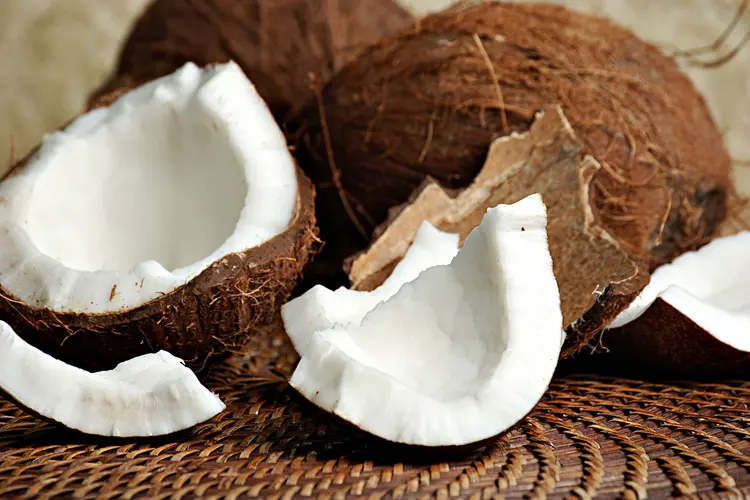
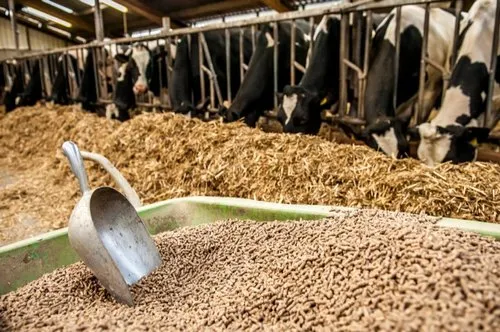
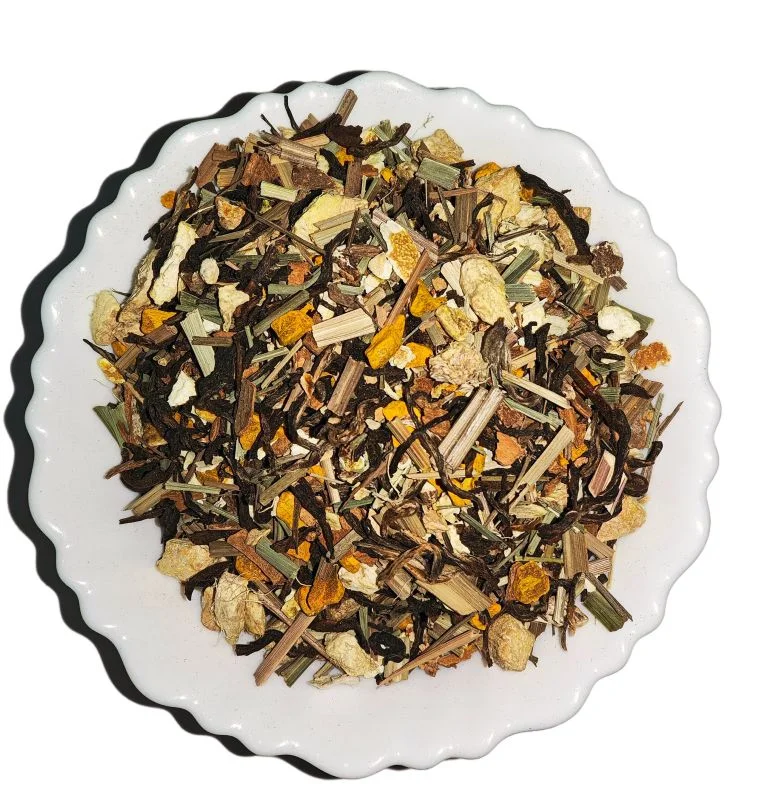
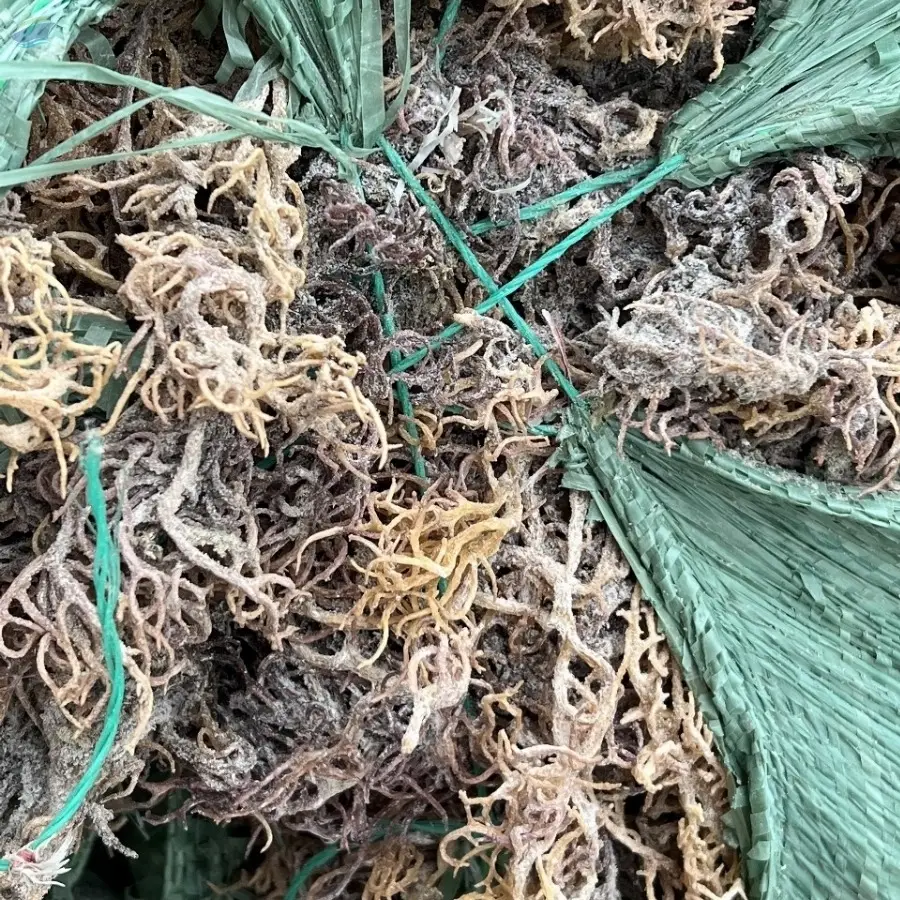
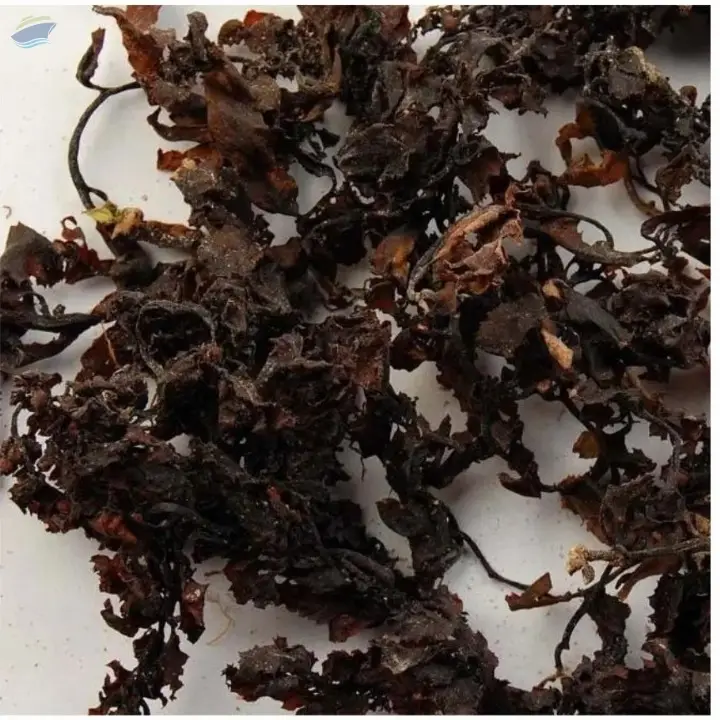
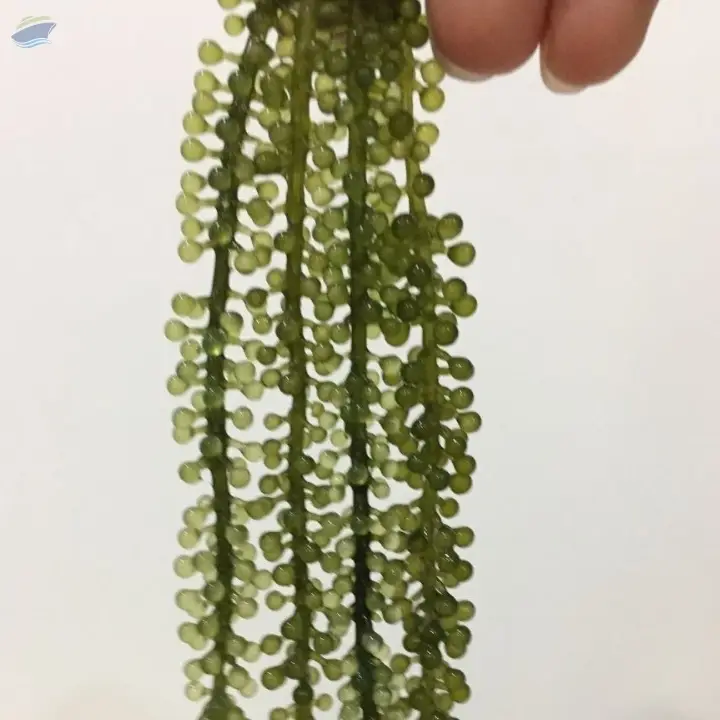
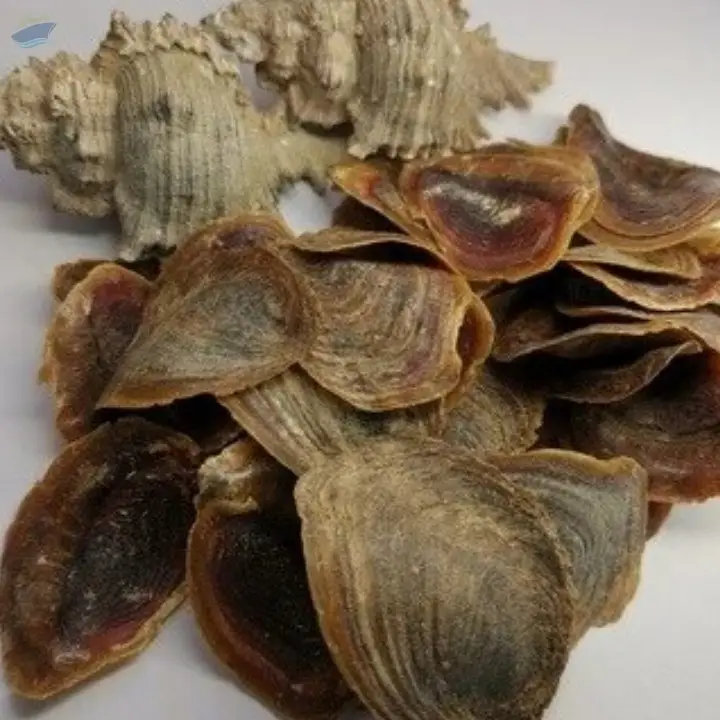
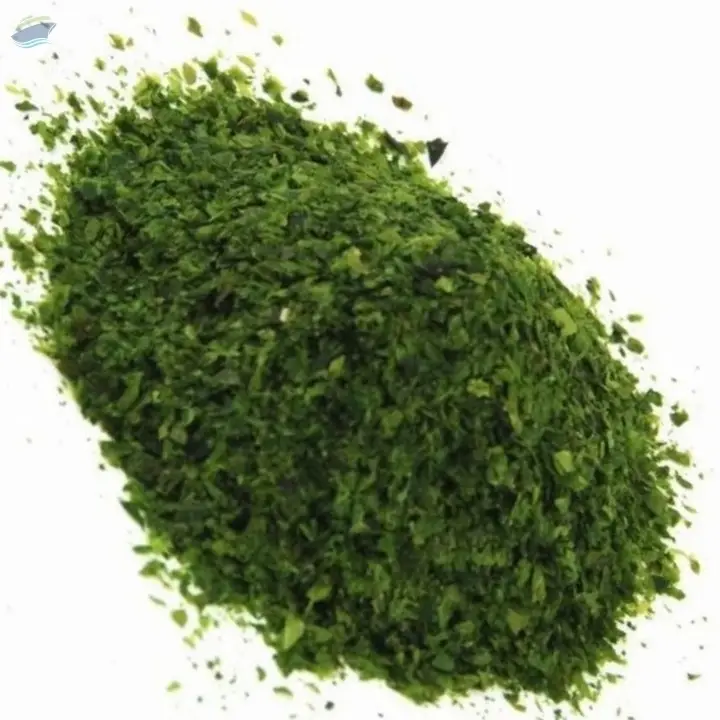
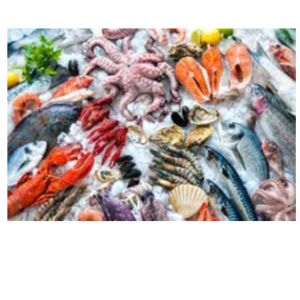
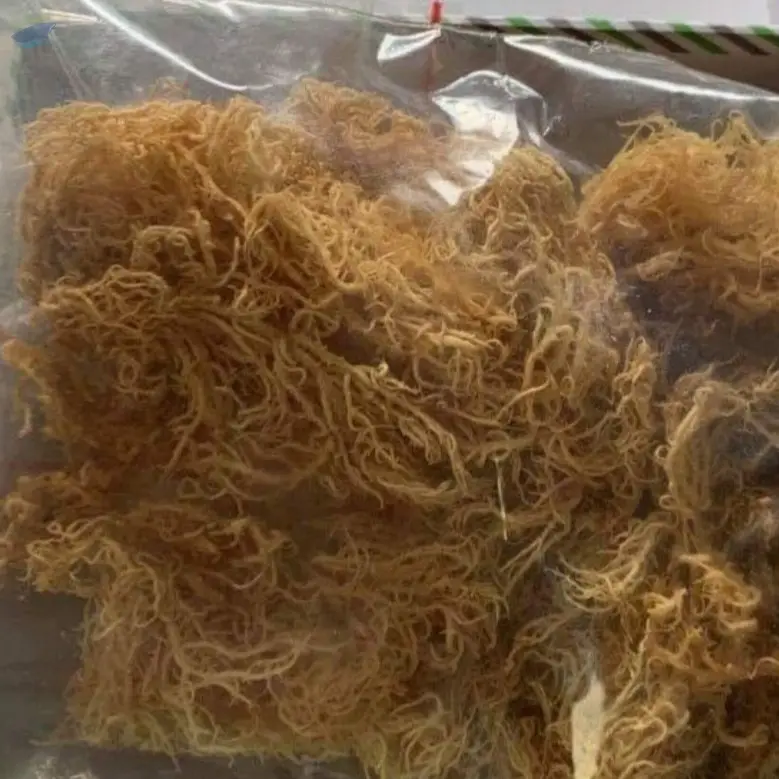
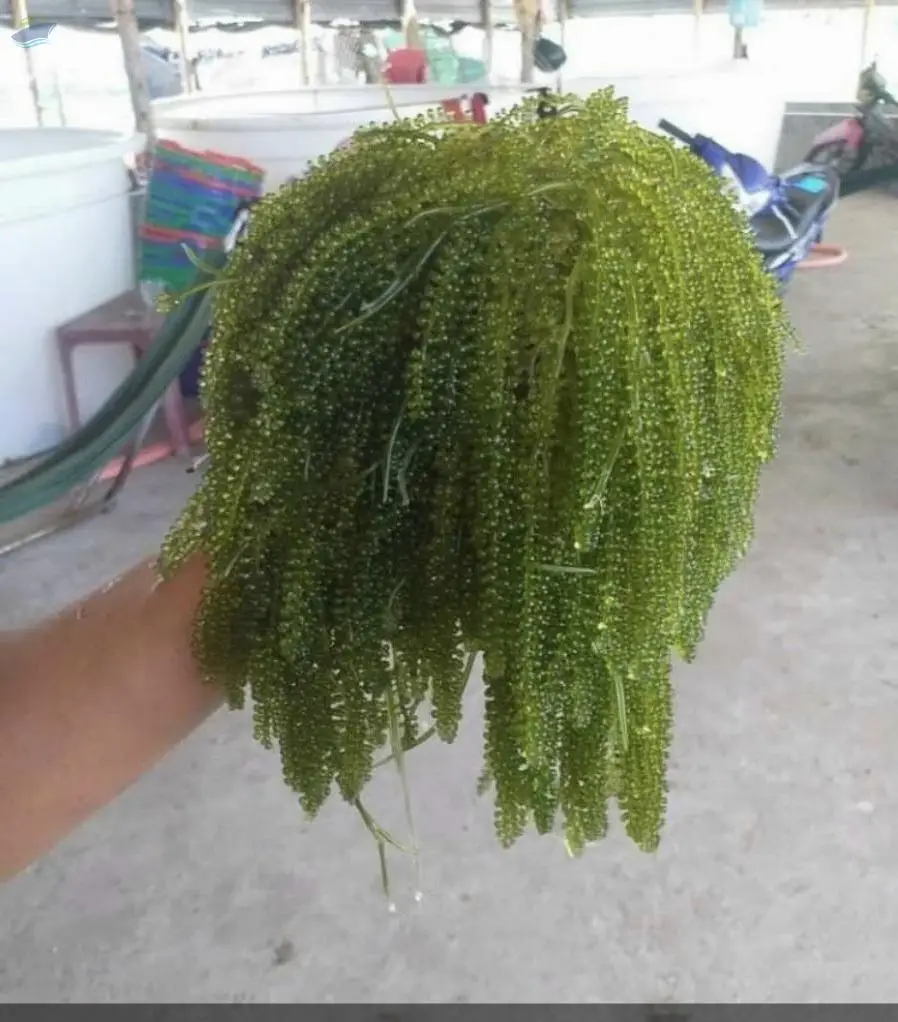
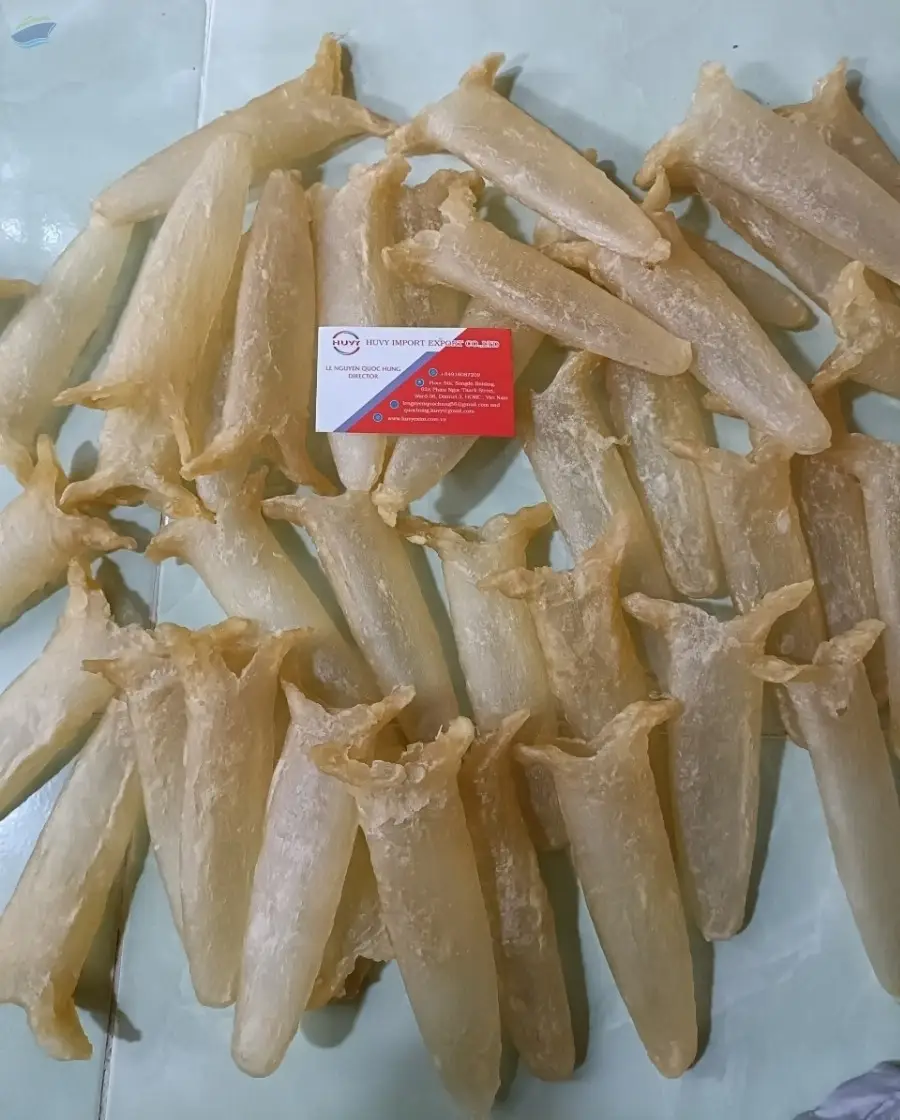
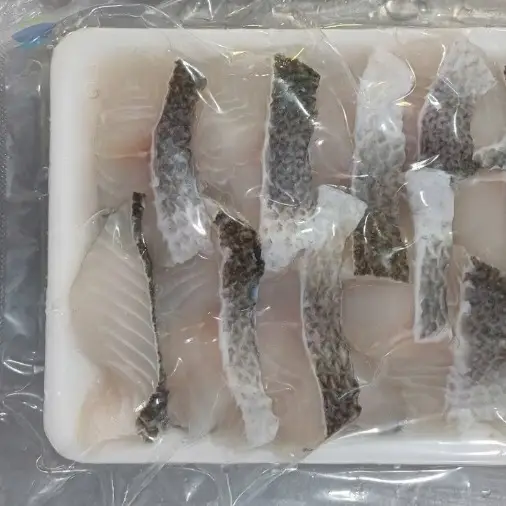
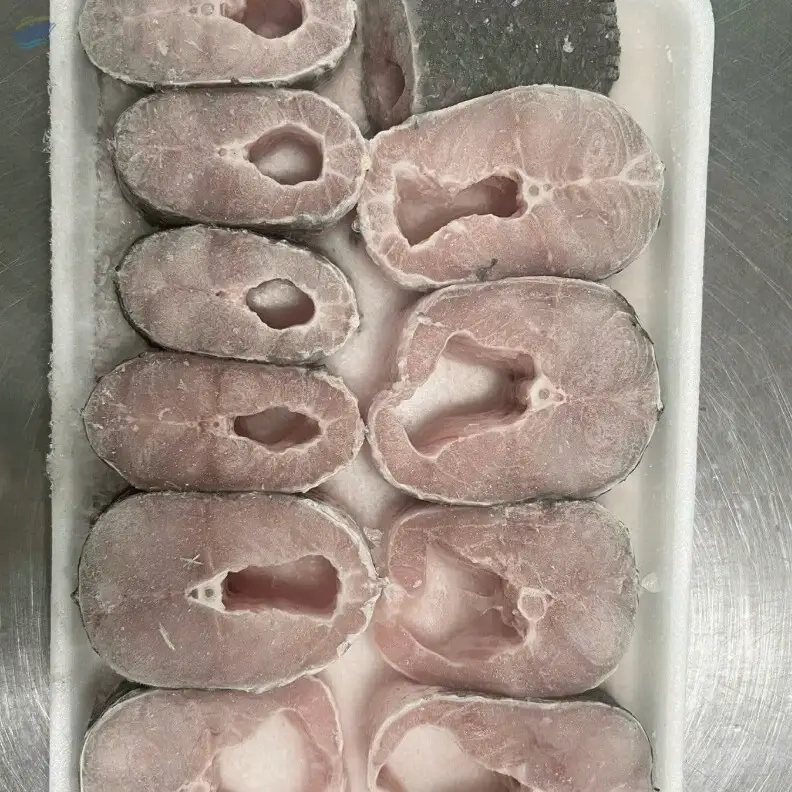
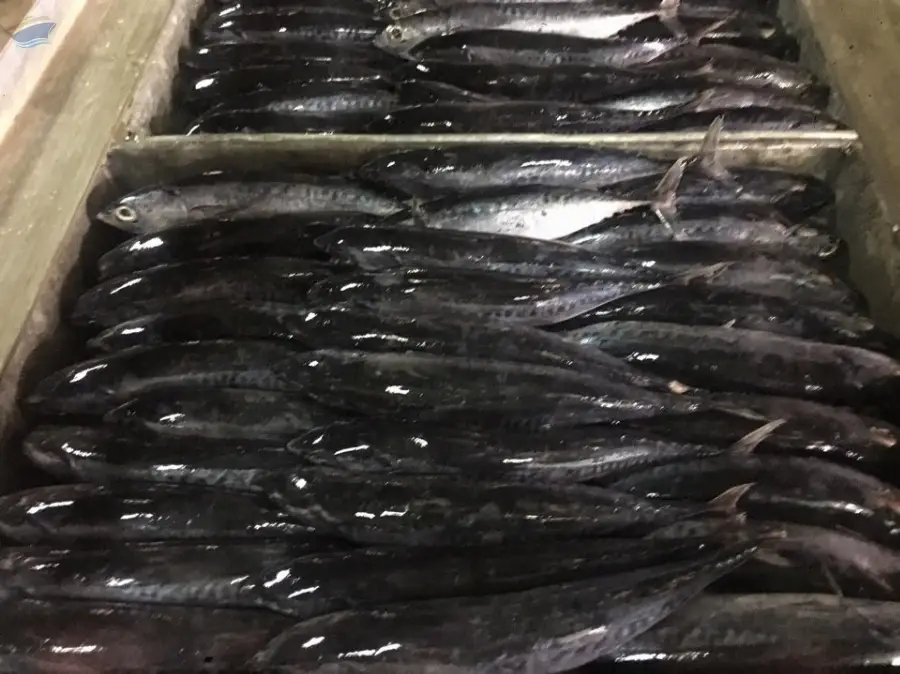
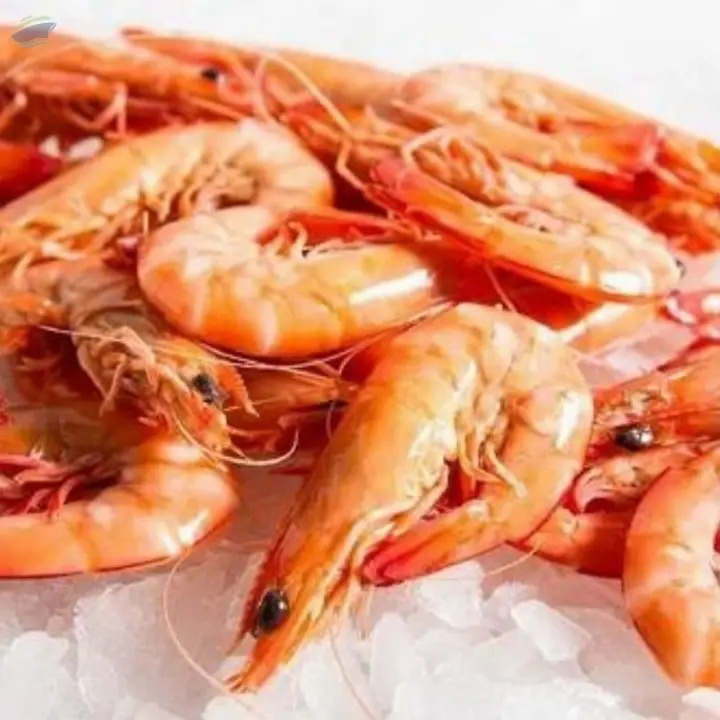
The 15-line catalogue breaks down into four practical groupings. The fresh and frozen tropical fruit block includes whole fresh rambutan, lychee, mango, jackfruit, pineapple, soursop (Annona muricata, marketed as graviola or guyabano), seedless lime, and fresh young coconut, plus frozen rambutan and frozen lime. Buyers in this segment typically work with grade sizing by fruit count per kilogram (for example, rambutan grade A at 18-22 fruits per kg, mango sizes coded 4-8 per carton), Brix readings for ripe-stage fruit, and cold-chain specifications of -18 degrees C for frozen lines. Frozen vegetables in the catalogue (pumpkin, taro, okra) are typically traded as IQF (individually quick frozen) cubes or whole pods, with pumpkin commonly diced at 10-20 mm and okra graded 4-7 cm length, packaged in 10 kg or 20 kg corrugated cartons with polybag liners. The processed and powdered block covers nata de coco (coconut jelly in syrup, typically packed in 12 x 425 g glass jars or 24 x 300 g plastic cups per case), dried whole betel nut/supari (a 5-10 percent moisture product, often 25-50 kg jute or woven polypropylene sacks), noni fruit powder and noni tea (typically spray-dried, 5-10 percent moisture, packed in 1-25 kg foil-lined kraft bags), and aloe vera leaves (whole fresh leaves, 5-10 kg cartons, used as raw material for juice and gel extraction). The marine block features Caulerpa lentillifera seagrapes (a live or fresh-chilled edible seaweed, typically 500 g to 2 kg trays) and Eucheuma cottonii seaweed (the dried raw material for carrageenan extraction, normally sun-dried to 25-35 percent moisture and baled). A seaweed powder line is also listed for abalone and cattle feed applications, generally a 60-200 mesh grind packed in 25-50 kg kraft bags. The two non-food lines, frozen fish/seafood and wooden wine bottle racks, are peripheral items that reflect the supplier's mixed export licence rather than a core focus.
Trade and Export Information - Viet Co., Ltd.
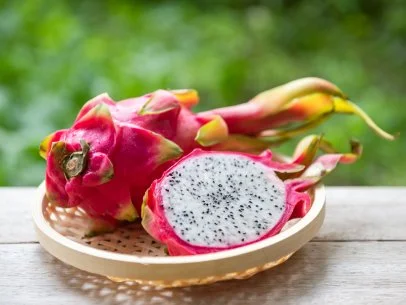
Viet Nam is one of the world's leading exporters of tropical fruits, frozen vegetables, and seaweed-based products, with the Mekong Delta, Binh Thuan, and the central coastal provinces supplying the bulk of fresh produce and Eucheuma cottonii biomass. Buyers of these goods typically include food processors and repackers in the European Union, the Middle East, China, South Korea, Japan, and North America, where Vietnamese rambutan, lychee, mango, dragon fruit, and frozen okra are well established in wholesale and foodservice channels. Seaweed and seagrape products from Viet Nam flow mainly to Japan, Taiwan, South Korea, and China for fresh consumption and to carrageenan processors in the EU, the United States, and Indonesia for Eucheuma cottonii. Betel nut/supari is a niche commodity whose principal import markets are concentrated in South Asia (India, Pakistan, Bangladesh) and parts of the Middle East, where it is consumed as a traditional stimulant. For these product categories, the relevant HS code families are 0709 (other fresh vegetables, including fresh chilli), 0710 (frozen vegetables including frozen okra, pumpkin, taro), 0801 (coconuts), 0804 (fresh or dried figs, pineapples, avocados, guavas, mangoes), 0807 (melons and papayas), 0809 (other fresh fruit including rambutan, lychee, soursop), 0810 (other fresh fruit, frozen), 0811 (fruit and nuts, frozen, including frozen rambutan and lime), 0813 (dried fruit including dried betel nut), 1106 (flour, meal and powder of dried leguminous vegetables, sago, etc., covering noni powder), 1211 (plants used in pharmacy or perfumery, including aloe vera and noni), 1404 (vegetable products not elsewhere specified, including seaweeds), 1605 (crustaceans, molluscs and other aquatic invertebrates, prepared or preserved), 2001 (vegetables, fruit, nuts and other edible parts of plants, prepared or preserved by vinegar, including pickled preparations), 2006 (fruit, nuts, fruit-peel and other parts of plants, preserved by sugar, including nata de coco), 2008 (fruit, nuts and other edible parts of plants, otherwise prepared or preserved), and 2106 (food preparations not elsewhere specified, including seaweed feed powders). Phytosanitary certificates are typically required for fresh and frozen produce entering the EU, Japan, South Korea, and Australia, while processed items in Chapters 16, 20, and 21 usually require health certificates and, for food-contact packaging, declarations of conformity. Buyers in the EU also commonly request evidence of compliance with maximum residue limits under EU Regulation 396/2005, and US-bound shipments typically require prior notice via the FDA Filer platform and may need VQIP-aligned cold-chain documentation.
Sourcing from Viet Co., Ltd. - Buyer Guidance
Sourcing from a Vietnamese exporter handling this breadth of fresh, frozen, dried, and powdered products requires specific verification at the enquiry stage. Buyers should request a current phytosanitary certificate for fresh and frozen fruit and vegetable lines, a health certificate for processed items such as nata de coco and noni powder, and a Certificate of Origin (commonly form E for ASEAN destinations, form AK for China-ASEAN, or EUR.1 for EU preferential access). For frozen lines, the buyer should confirm the cold-chain record (core temperature at loading, typically -18 degrees C or below), the production date, and the shelf life remaining on receipt, and should request a pre-shipment sample of at least 1-2 kg for laboratory checks of Brix, moisture, and microbiological parameters. For dried betel nut, a moisture certificate below 10 percent and an aflatoxin analysis report should be requested, as betel nut is a known aflatoxin-sensitive commodity. For seaweed and seagrape products, buyers should confirm the species in Latin binomial form (Caulerpa lentillifera, Eucheuma cottonii), the harvest zone, and the drying method, and for Eucheuma cottonii intended for carrageenan extraction, a typical specification sheet covering moisture (25-35 percent), impurities (under 3 percent), and visual colour grade should be requested. For noni powder and noni tea, a Certificate of Analysis covering moisture (under 10 percent), heavy metals, microbiology, and pesticide residues is standard. Buyers should also ask for the supplier's export licence, a list of reference shipments in the past 12 months (without expecting named buyers unless the supplier voluntarily provides them), and a clear Incoterms proposal (FOB Ho Chi Minh City, CFR, or CIF) along with the standard export carton or bag specification. MOQ, lead time, and payment terms (typically T/T 30 percent deposit with balance against copy of B/L, or irrevocable L/C at sight for first-time buyers) should be confirmed in writing before any proforma invoice is issued.
Frequently Asked Questions About Viet Co., Ltd.
What product categories does Viet Co., Ltd. export from Viet Nam?
The catalogue covers 15 active lines across fresh and frozen tropical fruits (rambutan, lychee, mango, jackfruit, pineapple, soursop/graviola, seedless lime, young coconut), frozen vegetables (pumpkin, taro, okra), frozen red chilli, dried betel nut (supari), nata de coco, noni fruit powder and noni tea, aloe vera leaves, edible seaweeds (Caulerpa lentillifera seagrapes and Eucheuma cottonii), seaweed feed powder, frozen fish/seafood, and wooden wine bottle racks.
Which HS code families apply to the main product lines?
Fresh and frozen tropical fruits typically fall under HS 0804, 0807, 0809, 0810, and 0811; frozen vegetables under 0710; dried betel nut under 0813; noni powder under 1106; aloe vera and noni raw material under 1211; seaweeds under 1404; nata de coco under 2006; frozen chilli and vegetable preparations under 2008; and seaweed feed powder under 2106. Buyers should always confirm the exact 6-digit code with the customs broker in the destination country.
Which documents and certificates should a buyer request before ordering?
Buyers should request a phytosanitary certificate for fresh and frozen produce, a health certificate for processed foods, a Certificate of Origin (form E for ASEAN, EUR.1 for the EU, or AK for China), a Certificate of Analysis covering moisture, microbiology, heavy metals and pesticide residues, and the supplier's export licence. For frozen lines, a temperature log and production date should also be confirmed in writing.
What is the typical packaging for the main product lines?
Nata de coco is usually packed 12 x 425 g glass jars or 24 x 300 g plastic cups per case; frozen vegetables and frozen fruit in 10 kg or 20 kg corrugated cartons with polybag liners at -18 degrees C; dried betel nut in 25-50 kg jute or woven polypropylene sacks at under 10 percent moisture; noni powder in 1-25 kg foil-lined kraft bags; and Eucheuma cottonii in compressed bales of 25-100 kg at 25-35 percent moisture.
What is the typical MOQ and lead time for these products?
For frozen fruit and frozen vegetables, MOQ is commonly one 20 ft reefer container (approximately 12-18 tonnes depending on density) with a lead time of 14-21 days from order confirmation to vessel loading at Cat Lai or Cai Mep ports. For dried and powdered lines such as betel nut and noni powder, MOQ is often 1-5 tonnes with a 7-14 day lead time. Buyers should confirm exact MOQ and production schedule with the supplier.
How should a buyer request a sample?
Samples of 1-2 kg for frozen lines (shipped in insulated boxes with dry ice via courier) and 200-500 g for dried and powdered lines can be requested with a written sample order specifying the product, grade, lot size, and required documentation. The buyer should expect to pay the sample cost and the courier freight, with the sample cost often deductible from the first bulk order.
Which quality parameters should be checked for the key product lines?
For frozen fruit, verify Brix, fruit count per kg, and absence of decay; for dried betel nut, moisture below 10 percent and aflatoxin below 5 ppb; for noni powder, moisture below 10 percent, heavy metals within destination limits, and microbial counts within food safety thresholds; for Eucheuma cottonii, moisture 25-35 percent, impurities under 3 percent, and a uniform reddish-brown colour; and for nata de coco, a clear syrup, firm jelly texture, and Brix of the syrup around 14-18 degrees.
What are the typical shipping terms and destination markets?
Common Incoterms offered by Vietnamese exporters are FOB Ho Chi Minh City, CFR, or CIF to the buyer's destination port, with payment by T/T 30 percent deposit against copy of B/L or by irrevocable L/C at sight for first transactions. Vietnamese fresh and frozen produce typically ships to the EU, the Middle East, China, South Korea, Japan, and North America; betel nut to South Asia and the Middle East; and seaweed to Japan, Taiwan, South Korea, China, and carrageenan processors in the EU and the United States.




 , Viet Nam