SABIA OVERSEAS LLP — Verified Manufacturer & Wholesale Supplier
About SABIA OVERSEAS LLP - Mixed Agricultural Products Supplier in India
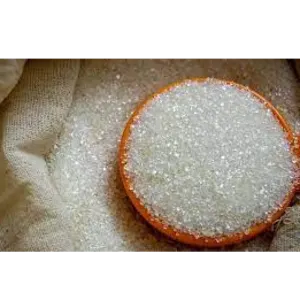
Based in Hyderabad, Andhra Pradesh, India, SABIA OVERSEAS LLP lists ten active products across fresh produce, grains, spices and frozen meat. The catalogue spans fresh vegetables such as red onion (HS 0703.10) and green chilli (HS 0709.60), fruits (HS 0810.20), grains including rice (HS 1006.40), barley (HS 1003.00), sorghum (HS 1007.00) and bajra (HS 1008.20), as well as black pepper (HS 0904.11), sugar (HS 1701.99) and frozen chicken items (HS 0306.14).
The product list is organized by HS code families that correspond to agricultural and food commodities. Fresh produce entries use Chapter 07 (vegetables) and Chapter 08 (fruits), while grains fall under Chapter 10, spices under Chapter 09, sugar under Chapter 17 and frozen meat under Chapter 03. Each entry specifies the material type, for example black pepper is listed as dried Piper nigrum peppercorns.
Product Range and Specialties of SABIA OVERSEAS LLP
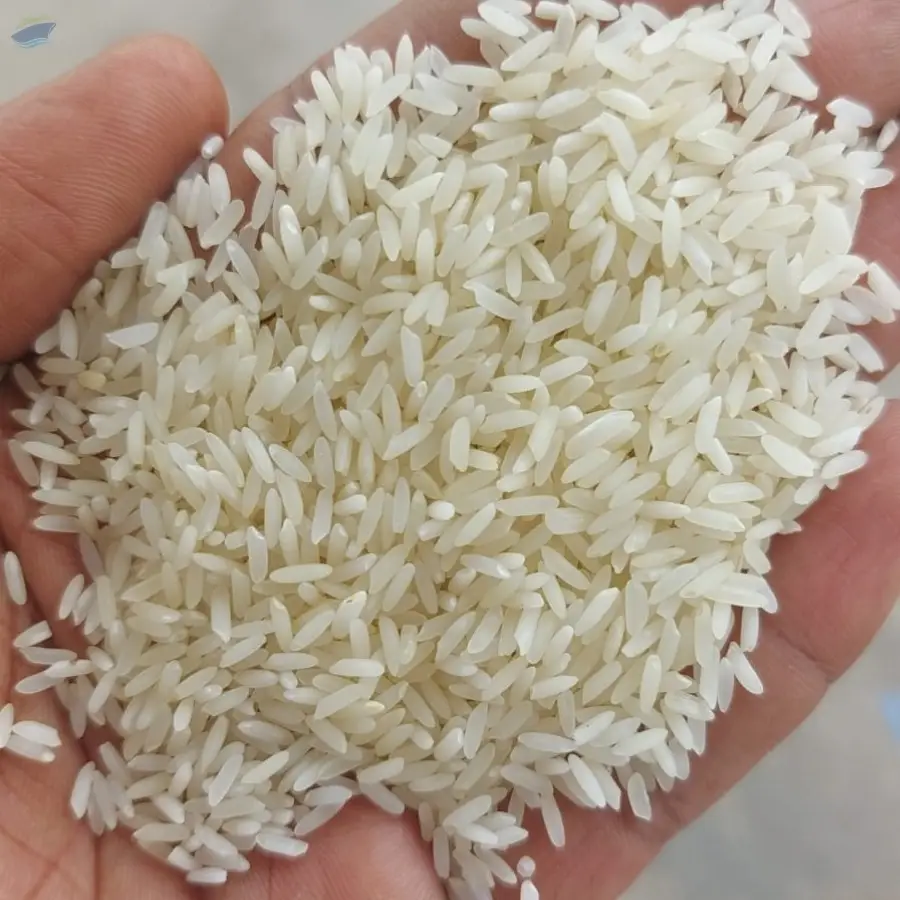
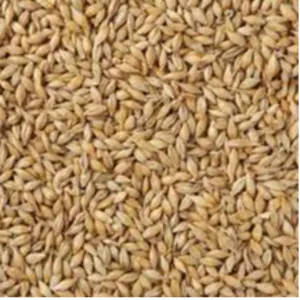
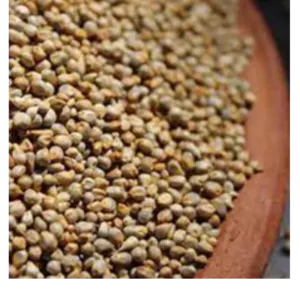
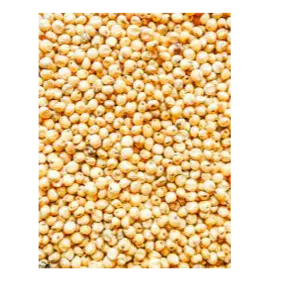
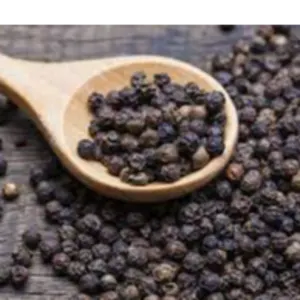
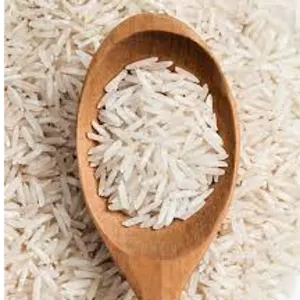
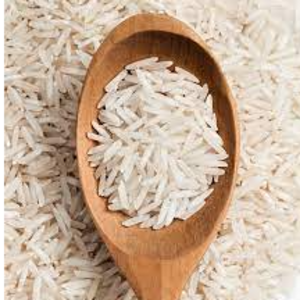
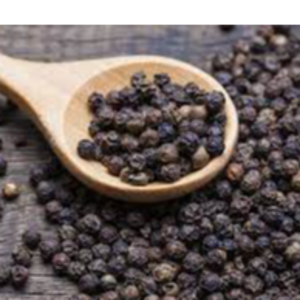
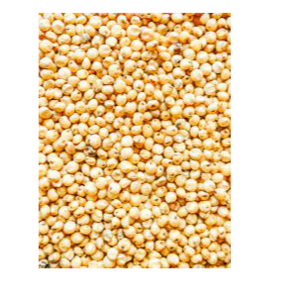
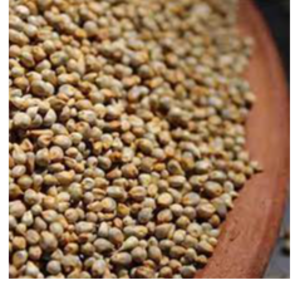
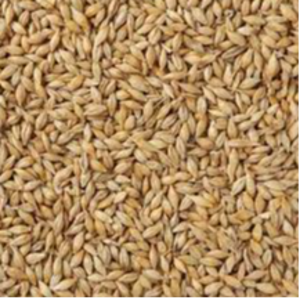
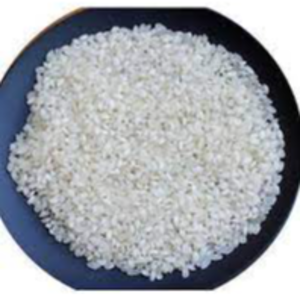
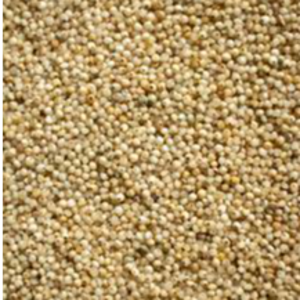
The grain portfolio includes broken rice (HS 1006.40) typically supplied in 25 kg bags with moisture ≤14 % and broken length 5 - 15 mm, barley (HS 1003.00) meeting 12 % moisture and ≤1.5 % foreign material, sorghum (HS 1007.00) generally graded to 12 % moisture and ≤2 % impurity, and pearl millet (bajra, HS 1008.20) often classified as Grade A with moisture ≤13 %. Wheat bran, listed among the top categories, is usually exported with 12 % moisture and particle size 0.5 - 2 mm. The spice segment features black pepper (HS 0904.11) commonly graded to size “S” (8 - 10 mm) with oil content 2 - 3 % and moisture ≤13 %.
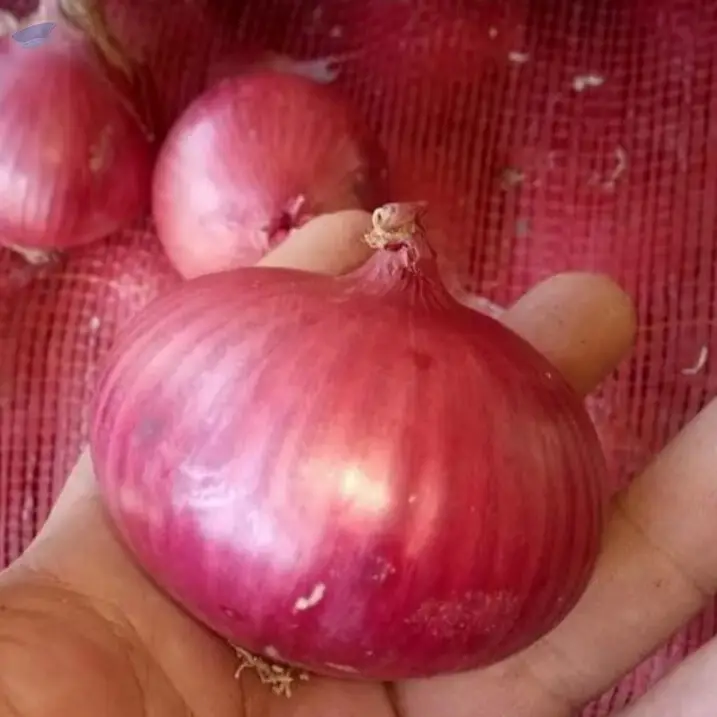
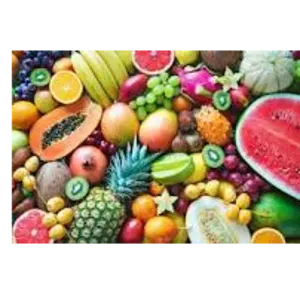
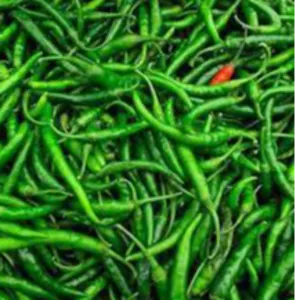
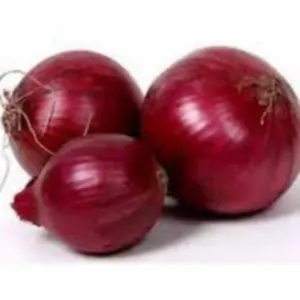
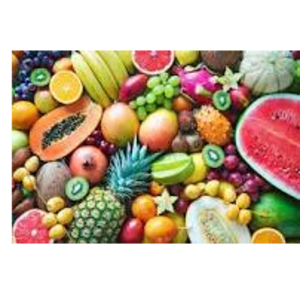
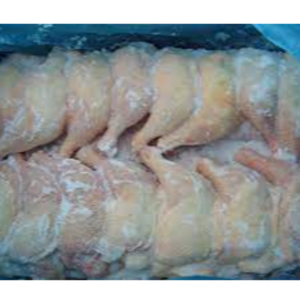
Fresh vegetables such as red onion (HS 0703.10) and green chilli (HS 0709.60) are generally packed in ventilated cartons of 10 - 20 kg, with onion moisture 85 - 88 % and chilli capsaicin content 0.1 - 0.5 % depending on variety. Fruits (HS 0810.20) are exported in bulk or crate packaging, with typical quality parameters including 10 - 12 % Brix sugar content for mangoes and firmness standards defined per variety. Frozen chicken items (HS 0306.14) are processed under HACCP‑compliant cold chains, usually supplied in 20 kg bulk packs with frozen core temperature ≤ ‑18 °C.
Trade and Export Information - SABIA OVERSEAS LLP
India ranks among the world’s largest exporters of grains, spices, fresh fruits and vegetables, and frozen poultry. Products classified under HS 07, 08 and 09 are frequently shipped to the Middle East, the European Union and Southeast Asian markets, while broken rice (HS 1006.40) and sorghum (HS 1007.00) find strong demand in Africa and the Gulf Cooperation Council states. Frozen chicken items (HS 0306.14) are commonly destined for the United States, Saudi Arabia and Japan, where buyers often require HACCP or ISO 22000 compliance.
Standard export documentation for these categories includes a phytosanitary certificate for fresh produce, a certificate of origin, and where applicable a Halal or Kosher certificate for meat. Containers are typically 20‑ft or 40‑ft dry containers for grains and spices, and refrigerated (40‑ft reefer) containers for frozen chicken, loaded under FOB Hyderabad port or CIF destination. Importers usually request laboratory test reports covering pesticide residues for vegetables, aflatoxin limits for grains, and microbial limits for frozen meat.
Sourcing from SABIA OVERSEAS LLP - Buyer Guidance
Buyers sourcing red onion, green chilli or other fresh vegetables should request a recent phytosanitary certificate, a moisture analysis, and a pesticide‑residue report that meets Codex maximum residue limits for the destination market. Sample sizes of 5 kg per item are typical for quality verification before placing a bulk order.
For grain and millet purchases, buyers commonly ask for a certificate of analysis showing moisture, foreign matter and mycotoxin levels (e.g., aflatoxin ≤ 5 µg/kg). Black pepper samples are evaluated for size distribution, essential‑oil content (2 - 3 %) and moisture. Frozen chicken shipments should be accompanied by a HACCP audit report, a cold‑chain temperature log, and a microbiological test confirming total plate count ≤ 1 × 10⁵ CFU/g. Verifying these documents helps confirm compliance with the buyer’s import regulations.
Frequently Asked Questions About SABIA OVERSEAS LLP
Which HS codes apply to the products offered by SABIA OVERSEAS LLP?
The catalogue uses HS 0703.10 for red onion, 0709.60 for green chilli, 0810.20 for fruits, 1006.40 for broken rice, 1003.00 for barley, 1007.00 for sorghum, 1008.20 for bajra, 0904.11 for black pepper, 1701.99 for sugar and 0306.14 for frozen chicken items.
What certifications should a buyer request for these commodities?
Buyers should request phytosanitary certificates for fresh vegetables and fruits, a certificate of analysis for grains and spices covering moisture and impurity limits, and HACCP or ISO 22000 compliance documents for frozen chicken. Additional certifications such as Halal or Kosher may be required depending on the end market.
How are the grain products typically packaged for export?
Broken rice, barley, sorghum and bajra are usually packed in 25 kg polypropylene bags placed inside 20‑ft or 40‑ft dry containers. The bags are sealed to protect against moisture and foreign material during transit.
What are the common quality parameters buyers verify for black pepper?
Buyers typically check peppercorn size (S grade 8 - 10 mm), moisture content ≤13 %, oil content 2 - 3 % and the absence of foreign matter above 0.5 % by weight. Laboratory test reports confirming these parameters are standard.
What lead time can buyers expect for frozen chicken shipments?
Frozen chicken items are generally processed, packed and ready for dispatch within 15 - 25 days after order confirmation, depending on volume and required documentation. Shipping is performed in refrigerated containers to maintain core temperatures at or below ‑18 °C.
Are product samples available before placing a full order?
Yes, sample quantities of 5 kg for fresh vegetables, 10 kg for grains and spices, and a 20 kg frozen chicken pallet are typically provided for quality assessment. Samples are shipped under the same terms requested for the final order.
Which markets does SABIA OVERSEAS LLP commonly export to?
Based on typical Indian export flows, the company’s products are directed toward the Middle East, European Union, United States, Southeast Asia and African regions, aligning with demand patterns for Indian grains, spices, fresh produce and frozen meat.
What Incoterms are most frequently used for these exports?
Export transactions commonly employ FOB Hyderabad port for dry cargo such as grains and spices, while frozen meat shipments often use CIF or CFR to the buyer’s destination port to include freight and insurance in the contract.





 Hyderabad, India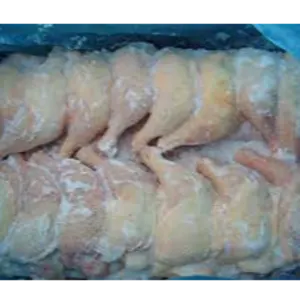
.jpg.png)