Shipped Global Private Limited — Verified Suppliers
About Shipped Global Private Limited - Spices Powder Supplier in India
Shipped Global Private Limited is based in Bardhaman, West Bengal, India, and lists 17 active products. The catalogue spans agricultural commodities, powders, and mineral salts. Primary categories include vegetable powders, spice powders, ginger powder, pepper powder, Himalayan pink salt, talcum powder, tea powder, and ginger tea. Products are classified under HS code families such as 1006 for milled rice, 0712 for dehydrated vegetables, 0904 for powdered spices, 0902 for tea, and 2501 for natural rock salt. The supplier identifies as an organic merchant exporter, indicating a focus on food‑grade commodities.
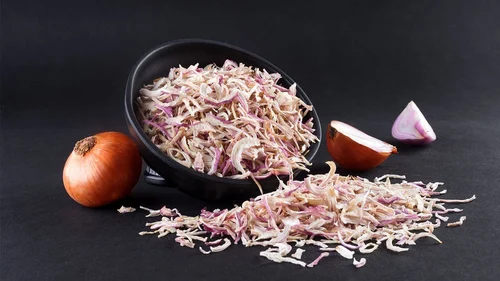
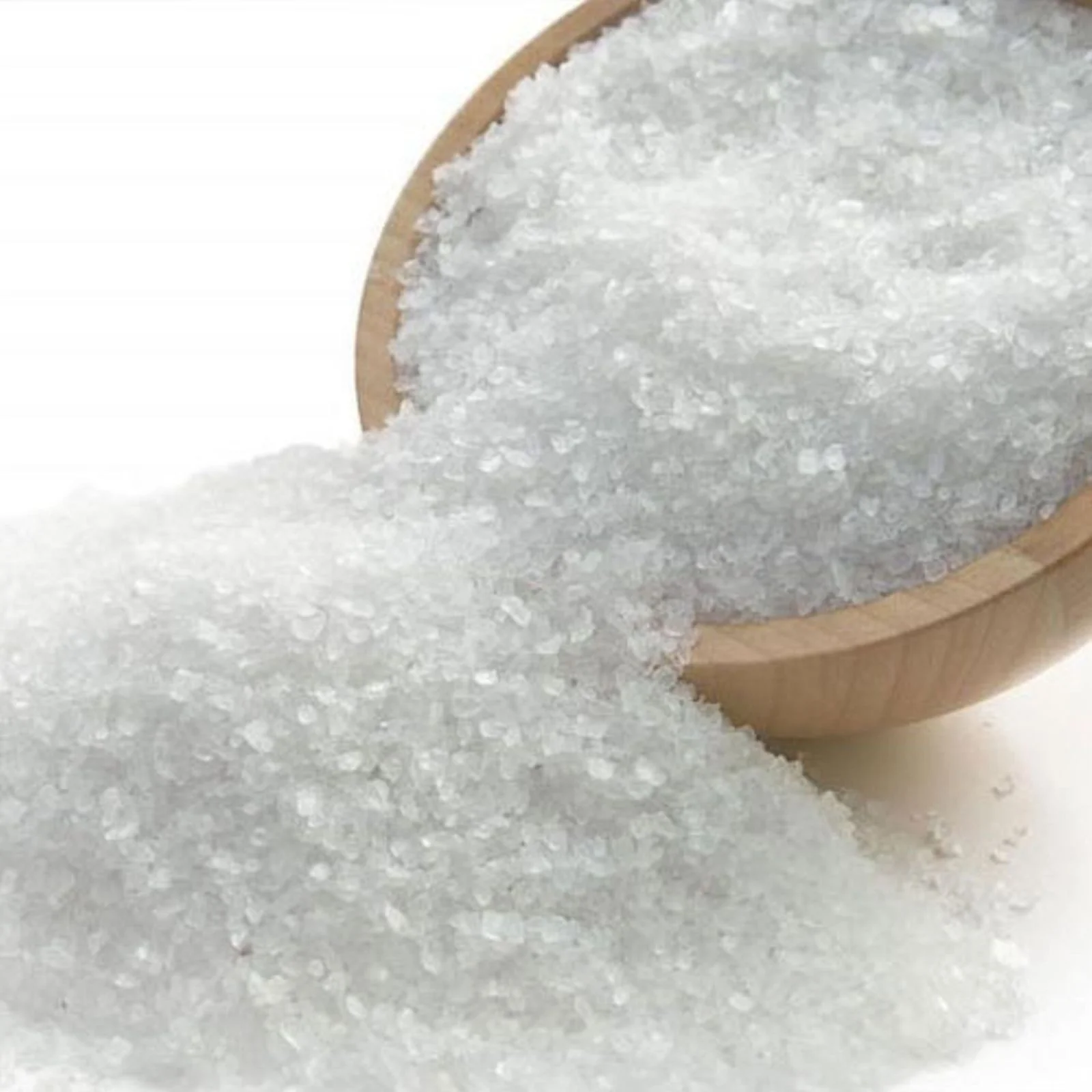
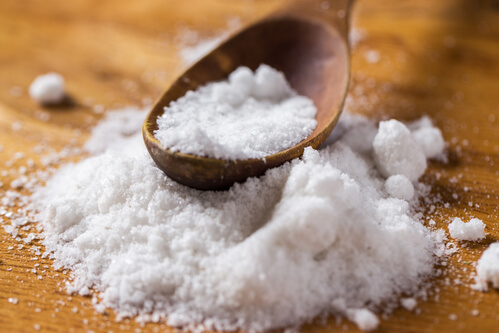
Specific items in the catalogue comprise Extra Long Grain Milled Basmati Rice (HS 1006.30) and Polished White Rice (Sona Massorie, HS 1006.30), both exported as long‑grain rice with typical moisture limits below 14 % and broken grain under 5 %. Powdered products include Onion Powder (HS 0712.30), Garlic Powder (HS 0904.22), Ginger Powder (HS 0910.12), Red Chilli Powder (HS 0904.20) and Red/White/Pink Onion Powders, which are generally produced with moisture below 6 % and particle size around 200 µm. The tea offering is Black Tea (HS 0902.40) sourced as fully oxidised leaves, commonly meeting a moisture content under 5 % and a maximum ash level of 4 %. Himalayan Pink Salt (HS 2501.00) is a natural rock salt with NaCl purity above 98 % and trace mineral content. Additional non‑food items such as Miniket (HS 8302.41) are listed, reflecting the supplier’s broader commodity portfolio.
Product Range and Specialties of Shipped Global Private Limited
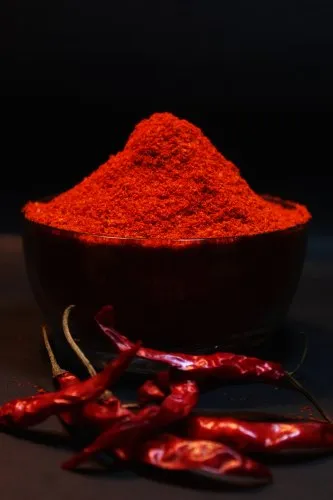
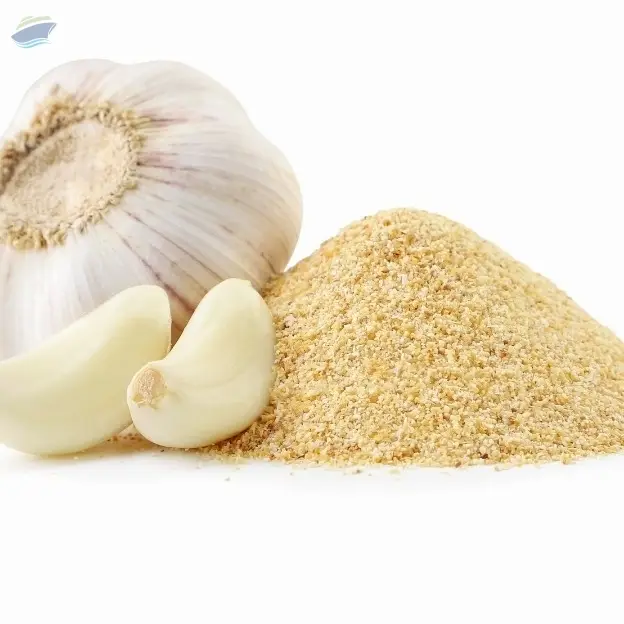
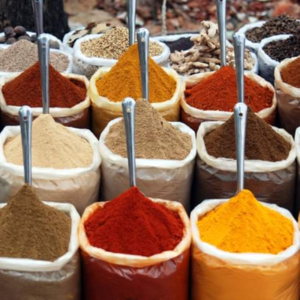
The supplier’s powder portfolio includes onion, garlic, ginger, red chilli and various onion powders, all classified under HS 0712 or 0904. In the spice powder market, buyers expect a moisture level below 6 % and a uniform particle size between 150 µm and 300 µm to ensure flowability and consistent flavor release. Standard quality parameters also cover total plate count (<10 CFU/g), absence of coliforms, and compliance with the Codex Alimentarius limits for pesticide residues. For ginger powder, a minimum essential oil content of 2 % is often specified to guarantee pungency. Packaging typically involves food‑grade multi‑layer paper bags or polypropylene bags ranging from 25 kg to 1 ton.
The rice products listed are Extra Long Grain Basmati Rice and Polished White Rice (Sona Massorie), both under HS 1006.30. Export specifications for basmati usually require aroma intensity measured by the Aroam test, moisture not exceeding 14 %, broken grains below 5 % and a kernel length of at least 7 mm. The black tea (HS 0902.40) is sourced as fully oxidised leaves, with standard moisture limits under 5 % and a maximum ash content of 4 %. Himalayan Pink Salt (HS 2501.00) is a natural rock salt with NaCl purity above 98 % and trace mineral content that is marketed for food and industrial use. These commodities are commonly shipped in 20‑ft or 40‑ft containers, with rice in moisture‑controlled liners and tea in interior liners to preserve quality.
Trade and Export Information - Shipped Global Private Limited
Indian exporters of rice, spices and tea primarily serve markets in the Middle East, Europe, North America and Southeast Asia, where HS chapters 10, 07 and 09 are regularly imported. Buyers in these regions often require food safety certifications such as ISO 22000, FSSC 22000, and, for organic claims, the Indian NPOP standard. The HS 1006, 0712, 0904, 0902 and 2501 code families trigger customs inspections that verify weight, origin and compliance with phytosanitary regulations. Standard Incoterms used by Indian exporters include FOB Kolkata and CIF Dubai, with container loading handled at the Haldia or Kolkata ports. Packaging norms follow the target market’s requirements, for example, 25 kg food‑grade bags for powders and bulk bags for rice.
India is among the top global suppliers of basmati rice and spice powders, and its export infrastructure supports bulk shipments of up to 25 tonne per container for rice and 2 tonne per container for powdered spices. Export documentation typically includes a certificate of origin, a commercial invoice, a packing list and a phytosanitary certificate issued by the Agricultural and Processed Food Products Export Development Authority (APEDA). For mineral salts such as Himalayan pink salt, a laboratory analysis confirming NaCl purity and mineral composition is routinely requested. Customs authorities may also require a test report for heavy metals, especially for food‑grade powders. Logistics providers often advise using temperature‑controlled containers for tea and moisture‑resistant liners for rice to maintain product integrity during transit.
Sourcing from Shipped Global Private Limited - Buyer Guidance
When sourcing powders from Shipped Global Private Limited, buyers should request a recent Certificate of Analysis that details moisture, ash, microbial limits and pesticide residue levels. Sample packs of 5 kg are customary for evaluating flavor, color and solubility before confirming a bulk order. Verification of the supplier’s organic status can be done by reviewing the NPOP certificate or equivalent third‑party audit reports. For rice, buyers should ask for a moisture test report, broken grain percentage and a sensory aroma assessment. All documents should be cross‑checked against the HS code declared on the commercial invoice to avoid customs discrepancies.
Importers are advised to confirm the packaging specifications, such as 25 kg polypropylene bags for powders and moisture‑controlled liners for rice, to ensure compliance with their own warehouse handling procedures. Prior to shipment, a pre‑shipment inspection by an accredited agency can validate the product’s compliance with the buyer’s target market standards. Requesting the supplier’s export license and APEDA registration helps confirm legitimacy and eligibility for preferential duty rates under trade agreements. Lead time estimates should be aligned with the buyer’s production schedule, typically 30‑45 days for rice and 20‑30 days for powdered spices. Finally, buyers should clarify the Incoterm, insurance coverage and any required labeling in the destination language.
Frequently Asked Questions About Shipped Global Private Limited
What HS codes apply to Shipped Global Private Limited’s rice products?
The basmati and polished white rice are listed under HS 1006.30, the chapter for milled rice, which is the standard classification for long‑grain rice exports.
Which quality specifications should a buyer verify for the onion and garlic powders?
Buyers should request moisture content below 6 %, particle size distribution around 150‑250 µm, and microbiological test results meeting <10 CFU/g for total plate count and absence of Salmonella.
What certifications are commonly required for Indian spice powders?
Importers typically ask for ISO 22000 or FSSC 22000 food safety certificates, along with organic certification such as NPOP if the product is marketed as organic, and a recent analysis report for pesticide residues.
How is Himalayan Pink Salt usually packaged for export?
The salt is commonly packed in food‑grade polypropylene bags of 25 kg or 1 ton bulk containers, sealed to protect against moisture ingress and labeled with the NaCl purity percentage.
What are the standard lead times for bulk shipments of basmati rice from West Bengal?
Lead times generally range from 30 to 45 days after order confirmation, allowing time for quality inspection, phytosanitary certification, and container loading at the Kolkata port.
Which documents should a buyer request before finalising a tea order?
A buyer should obtain a certificate of origin, a laboratory analysis report showing moisture under 5 % and caffeine content, and a phytosanitary certificate confirming the tea meets the destination country’s plant health requirements.
What is the typical minimum order quantity (MOQ) for powdered spices?
MOQs for powdered spices such as ginger, red chilli or garlic powder are usually set at 5 metric tonnes per shipment, which aligns with container loading efficiencies for 20‑ft or 40‑ft containers.





 Bardhaman, India