Ofra Ratner — Verified Supplier

About Ofra Ratner - Grains and Pulses Supplier in Israel

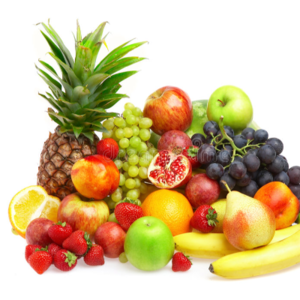
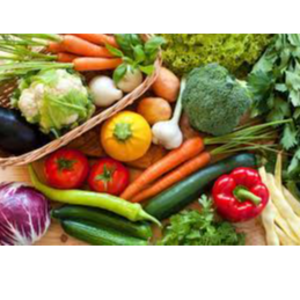
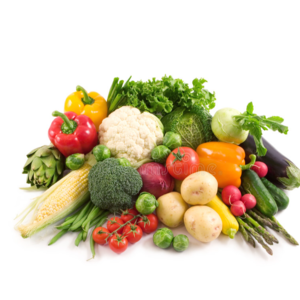
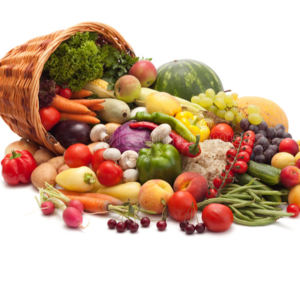
Israel lists 72 distinct agricultural products under the Ofra Ratner catalogue. The list includes cereals such as barley, corn, durum wheat and soft wheat, legumes like peas and hulled soybean seeds, oilseed meals (linseed oil cake, sunflower seed oil cake, rapeseed oil cake, soybean oil cake) and extracted oils (linseed oil, sunflower oil). It also covers specialty ingredients such as rice starch WX and STD, rice proteins with 85 % protein, organic vital wheat gluten and organic neutral wheat ethyl alcohol, as well as a selection of fresh vegetables and fruits including carrot, potato, peppers, dates, grapes, mangoes, strawberry and bell pepper. The catalogue therefore spans raw grains, oilseed by‑products, starches, gluten and horticultural produce, reflecting a broad agricultural export portfolio.

The supplier is classified as an imported tier with a harbor trust tier, indicating that it acts as an exporter of sourced commodities rather than a primary processor. All 72 items are presented by commodity name only; no HS‑code details are supplied in the source data, and the description focuses on the range of product types rather than on any proprietary processing claims.

Product Range and Specialties of Ofra Ratner

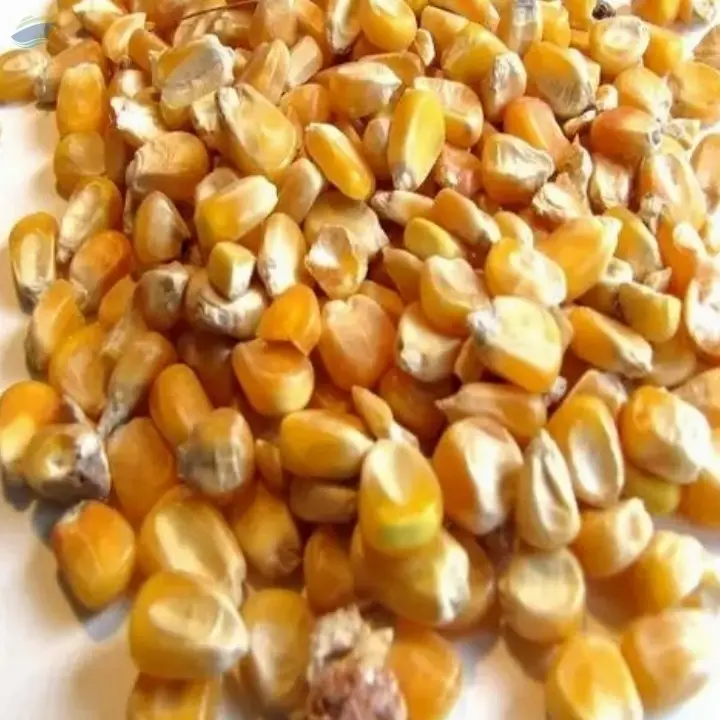
The grain segment comprises barley, corn, durum wheat and soft wheat, which in international trade are typically graded by moisture (≤13 % for barley, ≤14 % for wheat) and protein content (barley 10‑12 %, wheat 10‑13 %). Corn is commonly offered with 8‑10 % protein and <13 % moisture. Legume products such as peas and hulled soybean seeds are usually evaluated on test weight and purity, with standard HS‑code 1201 for soybeans and 0713 for peas. Oilseed meals (linseed, sunflower, rapeseed, soybean) are high‑protein feed ingredients; typical specifications include 35‑45 % crude protein, 8‑12 % ash and <12 % moisture, classified under HS‑code 1207. Extracted oils such as linseed and sunflower oil are measured by free fatty acid (FFA) ≤0.5 % and peroxide value ≤10 meq O₂/kg, falling under HS‑code 1511. Rice starch products (WX and STD) are sold as food‑grade starches with viscosity ranges of 150‑250 cP at 20 °C and moisture ≤12 %, HS‑code 1108. Organic vital wheat gluten and organic neutral wheat ethyl alcohol are specialty food ingredients that buyers usually require certification of organic status and compliance with EU organic regulation (Reg 834/2007). The fresh produce line (carrot, potato, peppers, dates, grapes, mangoes, strawberry, bell pepper) follows standard horticultural quality parameters such as size grading, soluble solids content for fruits (e.g., mangoes ≥12 °Brix) and pesticide residue limits set by Codex Alimentarius.

Trade and Export Information - Ofra Ratner

Israel exports cereals, oilseeds and horticultural products primarily to the European Union, the Gulf Cooperation Council, North Africa and East Asian markets. Buyers in these regions typically request phytosanitary certificates, a Certificate of Origin and compliance with EU maximum residue limits (MRLs) for pesticides. For grain and oilseed meals, ISO 22000 or HACCP certification is commonly required, together with a test report for moisture, protein and mycotoxin levels (e.g., aflatoxin < 5 µg/kg). Starch and gluten shipments are usually packed in food‑grade polyethylene bags or 20‑ft containers with moisture barriers, and buyers often stipulate BRC Global Standard for Food Safety or equivalent. Fresh fruit and vegetable consignments are transported in refrigerated containers (reefers) at 0‑4 °C for berries and 4‑10 °C for temperate vegetables, with CE‑marked temperature data loggers. Export documentation generally includes a commercial invoice, packing list, Bill of Lading, and where applicable a sanitary certificate issued by the Israeli Plant Protection and Inspection Services.

Sourcing from Ofra Ratner - Buyer Guidance

When sourcing from Ofra Ratner, buyers should request a product specification sheet that lists moisture, protein, ash, fiber and any contaminant limits for each commodity. Samples should be accompanied by a Certificate of Analysis from an accredited laboratory, and for organic items a valid organic certification (e.g., USDA Organic or EU organic) must be provided. Verify the presence of a phytosanitary certificate for fresh produce and a test report for mycotoxins on cereals and oilseed meals before confirming the order. Buyers are advised to confirm packaging details - bulk bags (1 tonne) for grains, laminated polypropylene bags for oil cakes, and refrigerated 20‑ft containers for perishable fruit - and to agree on Incoterms such as CIF or FOB in line with the destination port’s handling capabilities.

Frequently Asked Questions About Ofra Ratner

What grain varieties are listed in the Ofra Ratner catalogue?

The catalogue includes barley, corn, durum wheat and soft wheat. Each is typically traded under HS‑code 1001 (wheat) or 1005 (corn) and is evaluated for moisture and protein content.

Which oilseed meals can be sourced and what are their usual specifications?

Linseed oil cake, sunflower seed oil cake, rapeseed oil cake and soybean oil cake are listed. Buyers usually require 35‑45 % crude protein, moisture below 12 % and a test report for ash and fiber.

Are organic ingredients available and what documentation is needed?

Organic vital wheat gluten and organic neutral wheat ethyl alcohol are offered. Buyers should request the organic certification number and a Certificate of Analysis confirming compliance with the relevant organic standard.

What fresh produce items are exported and how are they shipped?

Carrot, potato, peppers, dates, grapes, mangoes, strawberry and bell pepper are listed. These are shipped in refrigerated containers (reefers) with temperature monitoring to preserve freshness.

What quality tests are standard for the rice starch products?

Rice Starch WX and STD are food‑grade starches typically tested for moisture (<12 %), viscosity (150‑250 cP at 20 °C) and absence of microbial contamination.

What are the typical minimum order quantities and lead times?

Minimum order quantities depend on the commodity; bulk grains often start at 20 tonnes, oilseed meals at 5 tonnes, and fresh fruit at 1 tonne per container. Lead times range from 30 days for grains to 45‑60 days for refrigerated fruit shipments.

Which certifications should a buyer request before purchase?

Buyers should request ISO 22000 or HACCP certification for food safety, a phytosanitary certificate for fresh produce, and any organic certification for organic items. A Certificate of Analysis for each batch is also standard practice.

What packaging formats are used for the listed commodities?

Cereals and legumes are usually packed in 1‑tonne bulk bags, oilseed meals in laminated polypropylene bags of 500 kg, extracted oils in 200‑L food‑grade drums, and fresh produce in refrigerated containers with insulated pallets.


Other Suppliers in Other Fresh Vegetables

Top Trusted Suppliers

Related Products in Other Fresh Vegetables

Trending in Parent Category

More Suppliers in Parent Category

Related Products

Other Suppliers

EximNext
58.4K+ live requirements
Register Free🎁 5 free buy-lead credits
Post Requirement
🌍 Trusted by 224.3K+ businesses in 200+ countries|
58.4K+ active requirements right now
✉️ [email protected]
|
Sell on EximNextPost Requirement
EximNext
AgricultureApparelConstructionElectronicFoodHomeIndustrialMineralsMiscellaneous
🔥 Deals|✨ AI Match|🏭 Suppliers|📋 Buy Leads|💰 Trade Finance|⭐ Upgrade
58.4K+ live RFQs·194.4K+ suppliers
🎁 5 free credits →
EximNext
EximNext
Register Free
🎁 5 free buy-lead credits
Sign In
📋Post Requirement💬Get QuotesAI Match📋RFQ Marketplace
All Categories
Services & Tools
🏭Supplier Directory🔥Today's Deals💰Trade FinanceMembership
Sell on EximNext
AboutContactBlogHelp
🏭

Ofra Ratner

Harbor
Country flag , Israel
🛡️
79/100
Trust Score

Ofra Ratner Product Catalog

Showing 12 of 72 products
View all products →
Ddgs (distilled Dried Grains With Solubles)
Harbor
Ddgs (distilled Dried Grains With Solubles)
Contact
MOQ: 1 Unit
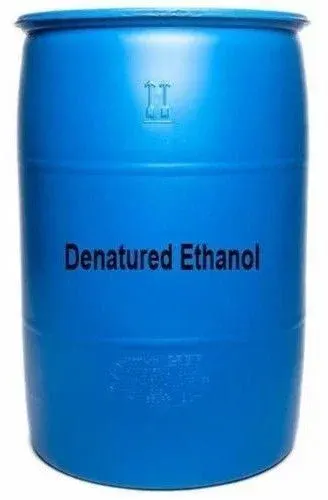
Denatured Ethanol
Harbor
Denatured Ethanol
Contact
MOQ: 1 Unit
Neutral Dehydrated Ethanol 99,99 Vol.%
Harbor
Neutral Dehydrated Ethanol 99,99 Vol.%
Contact
MOQ: 1 Unit
Mango
Harbor
Mango
Contact
MOQ: 1 Unit
Tomatoes
Harbor
Tomatoes
Contact
MOQ: 1 Unit
Orange
Harbor
Orange
Contact
MOQ: 1 Unit
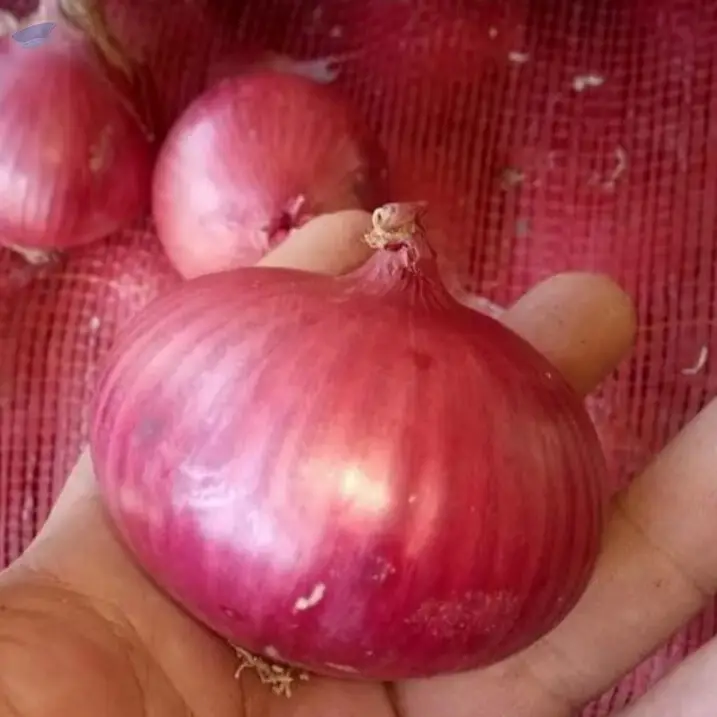
Onions
Harbor
Onions
Contact
MOQ: 1 Unit
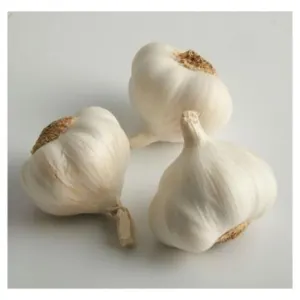
Garlic
Harbor
Garlic
Contact
MOQ: 1 Unit
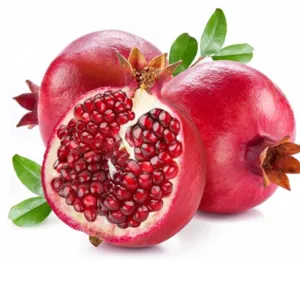
Pomegranate
Harbor
Pomegranate
Contact
MOQ: 1 Unit
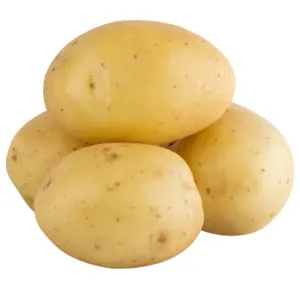
Potatoes
Harbor
Potatoes
Contact
MOQ: 1 Unit
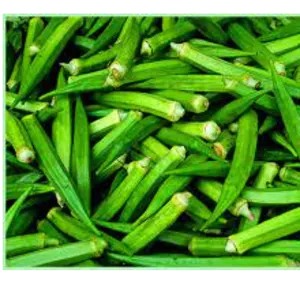
Okra
Harbor
Okra
Contact
MOQ: 1 Unit
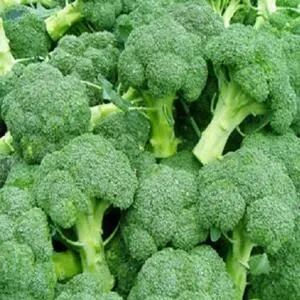
Broccoli
Harbor
Broccoli
Contact
MOQ: 1 Unit

About Ofra Ratner - Grains and Pulses Supplier in Israel

Israel lists 72 distinct agricultural products under the Ofra Ratner catalogue. The list includes cereals such as barley, corn, durum wheat and soft wheat, legumes like peas and hulled soybean seeds, oilseed meals (linseed oil cake, sunflower seed oil cake, rapeseed oil cake, soybean oil cake) and extracted oils (linseed oil, sunflower oil). It also covers specialty ingredients such as rice starch WX and STD, rice proteins with 85 % protein, organic vital wheat gluten and organic neutral wheat ethyl alcohol, as well as a selection of fresh vegetables and fruits including carrot, potato, peppers, dates, grapes, mangoes, strawberry and bell pepper. The catalogue therefore spans raw grains, oilseed by‑products, starches, gluten and horticultural produce, reflecting a broad agricultural export portfolio.

The supplier is classified as an imported tier with a harbor trust tier, indicating that it acts as an exporter of sourced commodities rather than a primary processor. All 72 items are presented by commodity name only; no HS‑code details are supplied in the source data, and the description focuses on the range of product types rather than on any proprietary processing claims.

Product Range and Specialties of Ofra Ratner

The grain segment comprises barley, corn, durum wheat and soft wheat, which in international trade are typically graded by moisture (≤13 % for barley, ≤14 % for wheat) and protein content (barley 10‑12 %, wheat 10‑13 %). Corn is commonly offered with 8‑10 % protein and <13 % moisture. Legume products such as peas and hulled soybean seeds are usually evaluated on test weight and purity, with standard HS‑code 1201 for soybeans and 0713 for peas. Oilseed meals (linseed, sunflower, rapeseed, soybean) are high‑protein feed ingredients; typical specifications include 35‑45 % crude protein, 8‑12 % ash and <12 % moisture, classified under HS‑code 1207. Extracted oils such as linseed and sunflower oil are measured by free fatty acid (FFA) ≤0.5 % and peroxide value ≤10 meq O₂/kg, falling under HS‑code 1511. Rice starch products (WX and STD) are sold as food‑grade starches with viscosity ranges of 150‑250 cP at 20 °C and moisture ≤12 %, HS‑code 1108. Organic vital wheat gluten and organic neutral wheat ethyl alcohol are specialty food ingredients that buyers usually require certification of organic status and compliance with EU organic regulation (Reg 834/2007). The fresh produce line (carrot, potato, peppers, dates, grapes, mangoes, strawberry, bell pepper) follows standard horticultural quality parameters such as size grading, soluble solids content for fruits (e.g., mangoes ≥12 °Brix) and pesticide residue limits set by Codex Alimentarius.

Trade and Export Information - Ofra Ratner

Israel exports cereals, oilseeds and horticultural products primarily to the European Union, the Gulf Cooperation Council, North Africa and East Asian markets. Buyers in these regions typically request phytosanitary certificates, a Certificate of Origin and compliance with EU maximum residue limits (MRLs) for pesticides. For grain and oilseed meals, ISO 22000 or HACCP certification is commonly required, together with a test report for moisture, protein and mycotoxin levels (e.g., aflatoxin < 5 µg/kg). Starch and gluten shipments are usually packed in food‑grade polyethylene bags or 20‑ft containers with moisture barriers, and buyers often stipulate BRC Global Standard for Food Safety or equivalent. Fresh fruit and vegetable consignments are transported in refrigerated containers (reefers) at 0‑4 °C for berries and 4‑10 °C for temperate vegetables, with CE‑marked temperature data loggers. Export documentation generally includes a commercial invoice, packing list, Bill of Lading, and where applicable a sanitary certificate issued by the Israeli Plant Protection and Inspection Services.

Sourcing from Ofra Ratner - Buyer Guidance

When sourcing from Ofra Ratner, buyers should request a product specification sheet that lists moisture, protein, ash, fiber and any contaminant limits for each commodity. Samples should be accompanied by a Certificate of Analysis from an accredited laboratory, and for organic items a valid organic certification (e.g., USDA Organic or EU organic) must be provided. Verify the presence of a phytosanitary certificate for fresh produce and a test report for mycotoxins on cereals and oilseed meals before confirming the order. Buyers are advised to confirm packaging details - bulk bags (1 tonne) for grains, laminated polypropylene bags for oil cakes, and refrigerated 20‑ft containers for perishable fruit - and to agree on Incoterms such as CIF or FOB in line with the destination port’s handling capabilities.

Frequently Asked Questions About Ofra Ratner

What grain varieties are listed in the Ofra Ratner catalogue?

The catalogue includes barley, corn, durum wheat and soft wheat. Each is typically traded under HS‑code 1001 (wheat) or 1005 (corn) and is evaluated for moisture and protein content.

Which oilseed meals can be sourced and what are their usual specifications?

Linseed oil cake, sunflower seed oil cake, rapeseed oil cake and soybean oil cake are listed. Buyers usually require 35‑45 % crude protein, moisture below 12 % and a test report for ash and fiber.

Are organic ingredients available and what documentation is needed?

Organic vital wheat gluten and organic neutral wheat ethyl alcohol are offered. Buyers should request the organic certification number and a Certificate of Analysis confirming compliance with the relevant organic standard.

What fresh produce items are exported and how are they shipped?

Carrot, potato, peppers, dates, grapes, mangoes, strawberry and bell pepper are listed. These are shipped in refrigerated containers (reefers) with temperature monitoring to preserve freshness.

What quality tests are standard for the rice starch products?

Rice Starch WX and STD are food‑grade starches typically tested for moisture (<12 %), viscosity (150‑250 cP at 20 °C) and absence of microbial contamination.

What are the typical minimum order quantities and lead times?

Minimum order quantities depend on the commodity; bulk grains often start at 20 tonnes, oilseed meals at 5 tonnes, and fresh fruit at 1 tonne per container. Lead times range from 30 days for grains to 45‑60 days for refrigerated fruit shipments.

Which certifications should a buyer request before purchase?

Buyers should request ISO 22000 or HACCP certification for food safety, a phytosanitary certificate for fresh produce, and any organic certification for organic items. A Certificate of Analysis for each batch is also standard practice.

What packaging formats are used for the listed commodities?

Cereals and legumes are usually packed in 1‑tonne bulk bags, oilseed meals in laminated polypropylene bags of 500 kg, extracted oils in 200‑L food‑grade drums, and fresh produce in refrigerated containers with insulated pallets.

About Ofra Ratner - Grains and Pulses Supplier in Israel

Israel lists 72 distinct agricultural products under the Ofra Ratner catalogue. The list includes cereals such as barley, corn, durum wheat and soft wheat, legumes like peas and hulled soybean seeds, oilseed meals (linseed oil cake, sunflower seed oil cake, rapeseed oil cake, soybean oil cake) and extracted oils (linseed oil, sunflower oil). It also covers specialty ingredients such as rice starch WX and STD, rice proteins with 85 % protein, organic vital wheat gluten and organic neutral wheat ethyl alcohol, as well as a selection of fresh vegetables and fruits including carrot, potato, peppers, dates, grapes, mangoes, strawberry and bell pepper. The catalogue therefore spans raw grains, oilseed by‑products, starches, gluten and horticultural produce, reflecting a broad agricultural export portfolio.

The supplier is classified as an imported tier with a harbor trust tier, indicating that it acts as an exporter of sourced commodities rather than a primary processor. All 72 items are presented by commodity name only; no HS‑code details are supplied in the source data, and the description focuses on the range of product types rather than on any proprietary processing claims.

Product Range and Specialties of Ofra Ratner

The grain segment comprises barley, corn, durum wheat and soft wheat, which in international trade are typically graded by moisture (≤13 % for barley, ≤14 % for wheat) and protein content (barley 10‑12 %, wheat 10‑13 %). Corn is commonly offered with 8‑10 % protein and <13 % moisture. Legume products such as peas and hulled soybean seeds are usually evaluated on test weight and purity, with standard HS‑code 1201 for soybeans and 0713 for peas. Oilseed meals (linseed, sunflower, rapeseed, soybean) are high‑protein feed ingredients; typical specifications include 35‑45 % crude protein, 8‑12 % ash and <12 % moisture, classified under HS‑code 1207. Extracted oils such as linseed and sunflower oil are measured by free fatty acid (FFA) ≤0.5 % and peroxide value ≤10 meq O₂/kg, falling under HS‑code 1511. Rice starch products (WX and STD) are sold as food‑grade starches with viscosity ranges of 150‑250 cP at 20 °C and moisture ≤12 %, HS‑code 1108. Organic vital wheat gluten and organic neutral wheat ethyl alcohol are specialty food ingredients that buyers usually require certification of organic status and compliance with EU organic regulation (Reg 834/2007). The fresh produce line (carrot, potato, peppers, dates, grapes, mangoes, strawberry, bell pepper) follows standard horticultural quality parameters such as size grading, soluble solids content for fruits (e.g., mangoes ≥12 °Brix) and pesticide residue limits set by Codex Alimentarius.

Trade and Export Information - Ofra Ratner

Israel exports cereals, oilseeds and horticultural products primarily to the European Union, the Gulf Cooperation Council, North Africa and East Asian markets. Buyers in these regions typically request phytosanitary certificates, a Certificate of Origin and compliance with EU maximum residue limits (MRLs) for pesticides. For grain and oilseed meals, ISO 22000 or HACCP certification is commonly required, together with a test report for moisture, protein and mycotoxin levels (e.g., aflatoxin < 5 µg/kg). Starch and gluten shipments are usually packed in food‑grade polyethylene bags or 20‑ft containers with moisture barriers, and buyers often stipulate BRC Global Standard for Food Safety or equivalent. Fresh fruit and vegetable consignments are transported in refrigerated containers (reefers) at 0‑4 °C for berries and 4‑10 °C for temperate vegetables, with CE‑marked temperature data loggers. Export documentation generally includes a commercial invoice, packing list, Bill of Lading, and where applicable a sanitary certificate issued by the Israeli Plant Protection and Inspection Services.

Sourcing from Ofra Ratner - Buyer Guidance

When sourcing from Ofra Ratner, buyers should request a product specification sheet that lists moisture, protein, ash, fiber and any contaminant limits for each commodity. Samples should be accompanied by a Certificate of Analysis from an accredited laboratory, and for organic items a valid organic certification (e.g., USDA Organic or EU organic) must be provided. Verify the presence of a phytosanitary certificate for fresh produce and a test report for mycotoxins on cereals and oilseed meals before confirming the order. Buyers are advised to confirm packaging details - bulk bags (1 tonne) for grains, laminated polypropylene bags for oil cakes, and refrigerated 20‑ft containers for perishable fruit - and to agree on Incoterms such as CIF or FOB in line with the destination port’s handling capabilities.

Frequently Asked Questions About Ofra Ratner
What grain varieties are listed in the Ofra Ratner catalogue?
The catalogue includes barley, corn, durum wheat and soft wheat. Each is typically traded under HS‑code 1001 (wheat) or 1005 (corn) and is evaluated for moisture and protein content.
Which oilseed meals can be sourced and what are their usual specifications?
Linseed oil cake, sunflower seed oil cake, rapeseed oil cake and soybean oil cake are listed. Buyers usually require 35‑45 % crude protein, moisture below 12 % and a test report for ash and fiber.
Are organic ingredients available and what documentation is needed?
Organic vital wheat gluten and organic neutral wheat ethyl alcohol are offered. Buyers should request the organic certification number and a Certificate of Analysis confirming compliance with the relevant organic standard.
What fresh produce items are exported and how are they shipped?
Carrot, potato, peppers, dates, grapes, mangoes, strawberry and bell pepper are listed. These are shipped in refrigerated containers (reefers) with temperature monitoring to preserve freshness.
What quality tests are standard for the rice starch products?
Rice Starch WX and STD are food‑grade starches typically tested for moisture (<12 %), viscosity (150‑250 cP at 20 °C) and absence of microbial contamination.
What are the typical minimum order quantities and lead times?
Minimum order quantities depend on the commodity; bulk grains often start at 20 tonnes, oilseed meals at 5 tonnes, and fresh fruit at 1 tonne per container. Lead times range from 30 days for grains to 45‑60 days for refrigerated fruit shipments.
Which certifications should a buyer request before purchase?
Buyers should request ISO 22000 or HACCP certification for food safety, a phytosanitary certificate for fresh produce, and any organic certification for organic items. A Certificate of Analysis for each batch is also standard practice.
What packaging formats are used for the listed commodities?
Cereals and legumes are usually packed in 1‑tonne bulk bags, oilseed meals in laminated polypropylene bags of 500 kg, extracted oils in 200‑L food‑grade drums, and fresh produce in refrigerated containers with insulated pallets.

🏭
Ofra Ratner
Country flag , Israel
Harbor
79/100
Trust Score
📦
72
Products
Free to contact — no commission
Escrow payment available
Verified business identity
Compare more suppliers
Post a requirement — get 10 quotes free
Let verified suppliers compete for your business. Free, fast, no commitment.
EximNext Verified Supplier
Business identity verified
Physical address confirmed
Financial history checked
Certifications authenticated
Trade references validated
Due Diligence
Verify this supplier's real shipping history.
Every shipment, every buyer, every port. Trade data that can't be faked.
Run due diligence →
Discover More

Related Suppliers & Products

Explore similar suppliers, related products and trending categories

Other Suppliers in Other Fresh Vegetables

Top Trusted Suppliers

Related Products in Other Fresh Vegetables

Trending in Parent Category

More Suppliers in Parent Category

Stay ahead in global trade
Weekly market insights & new supplier alerts.
EximNext
Exim Next is a leading global B2B marketplace, connecting over 205,000 verified suppliers and buyers across 200+ countries. As a trusted import export marketplace, it serves as the essential B2B portal for businesses worldwide, empowering them to expand their international reach. With Exim Next, businesses can trade smarter and grow faster.
SECURE PAYMENTS
VISAMastercardPayPalSWIFTL/CEscrow
Follow us
© 2026 EximNext