Hang Xanh International Co., Ltd. — Verified Supplier
About Hang Xanh International Co., Ltd. - Dehydrated Fruits Supplier in Viet Nam
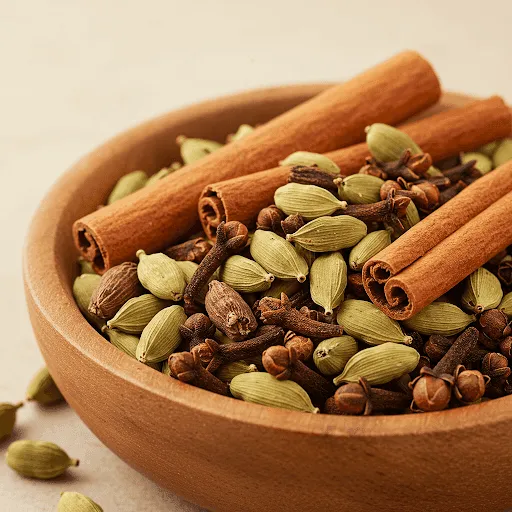
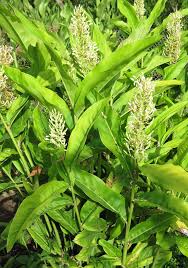
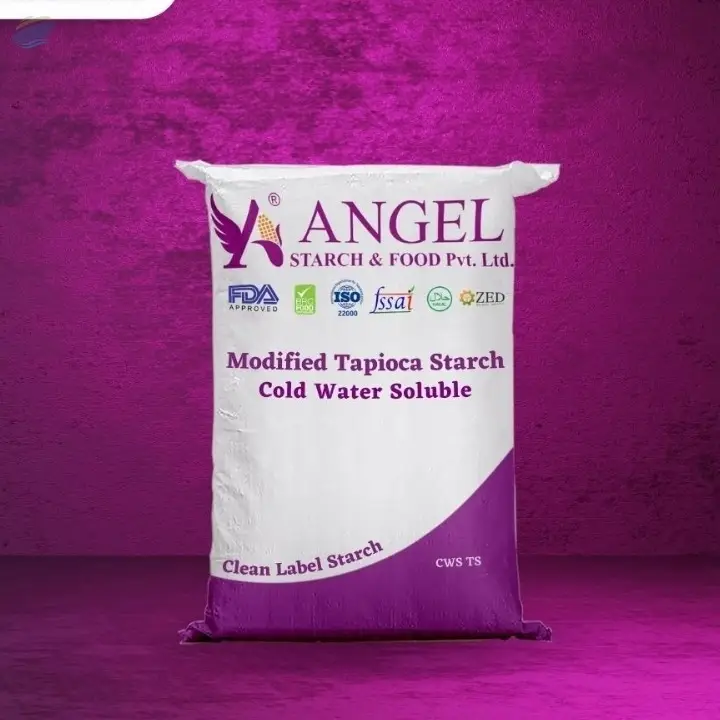
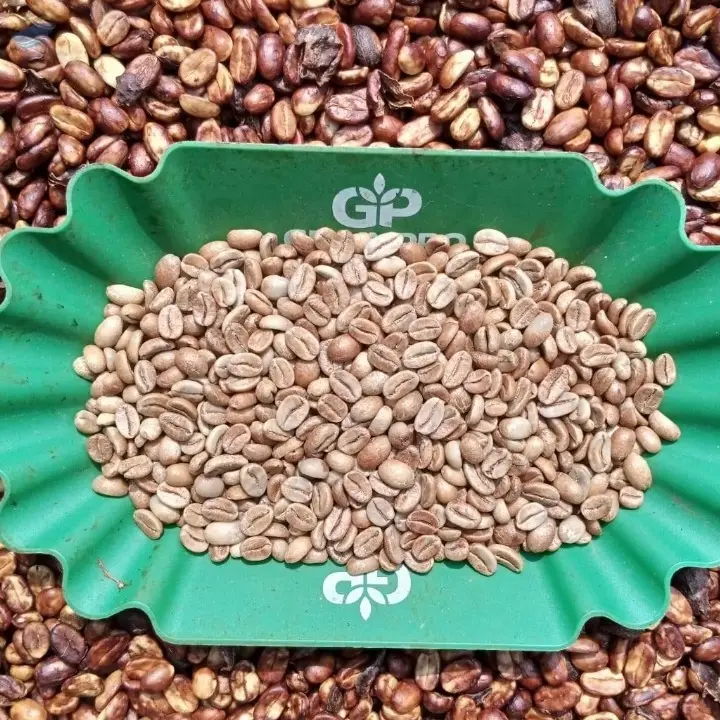
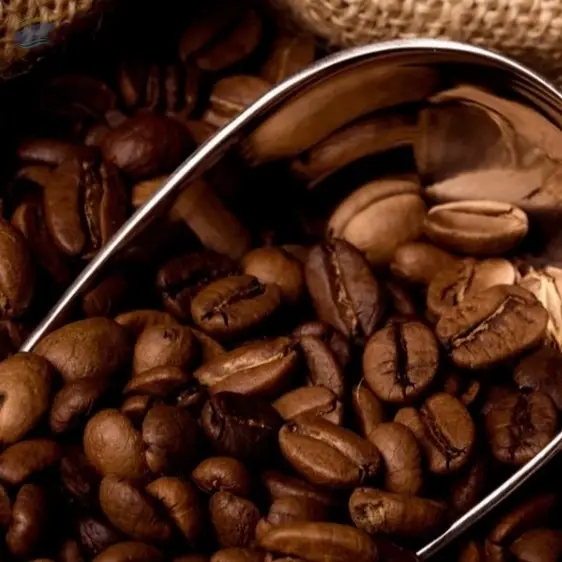
Hang Xanh International Co., Ltd. is a supplier based in Viet Nam, with 63 active products. The company's product range includes Dehydrated Fruits, Canned Food, Fruits, Coconut By-Products, Dried Fish, Charcoal, Coconut, and Starch. Some of the specific products listed by Hang Xanh International Co., Ltd. include Agarwood, Litsea, Vetiver, Cinnamon tube, Slices Pineapple In Syrup Ananas En Tranches, and Queen Pineapple Or Cayen Pineapple.
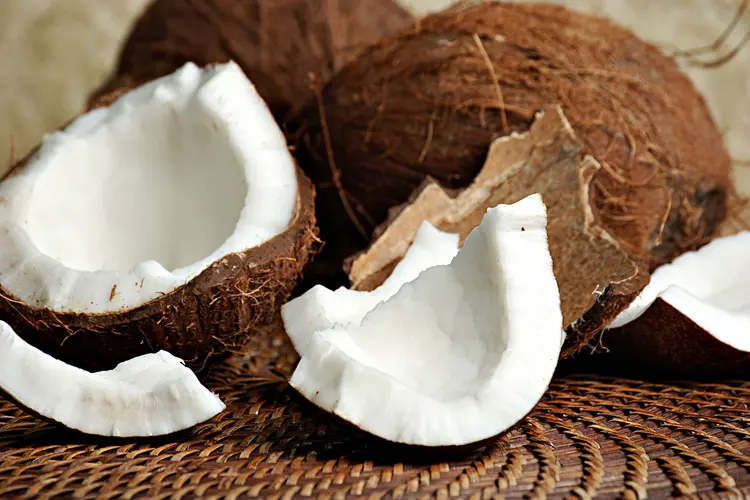
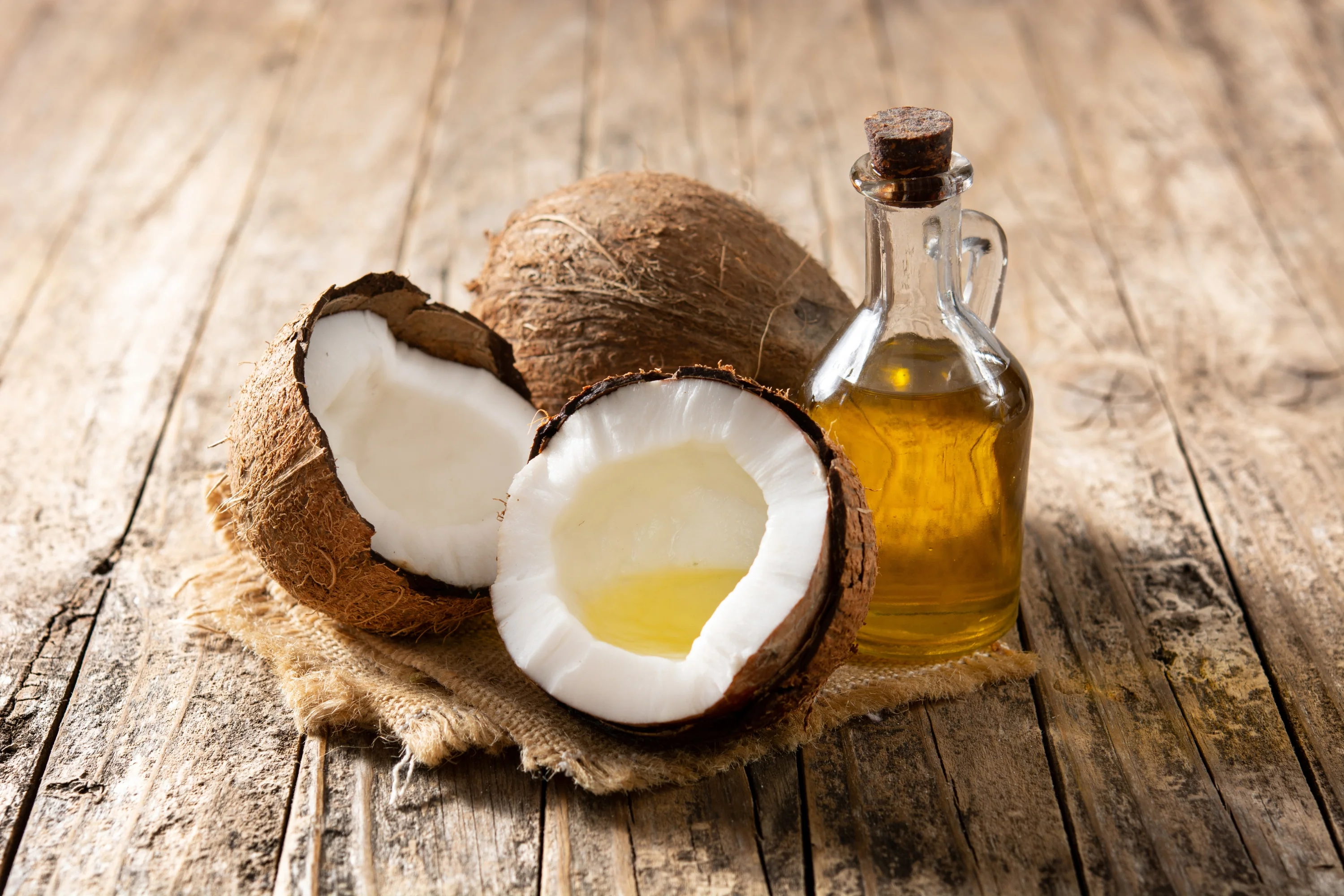
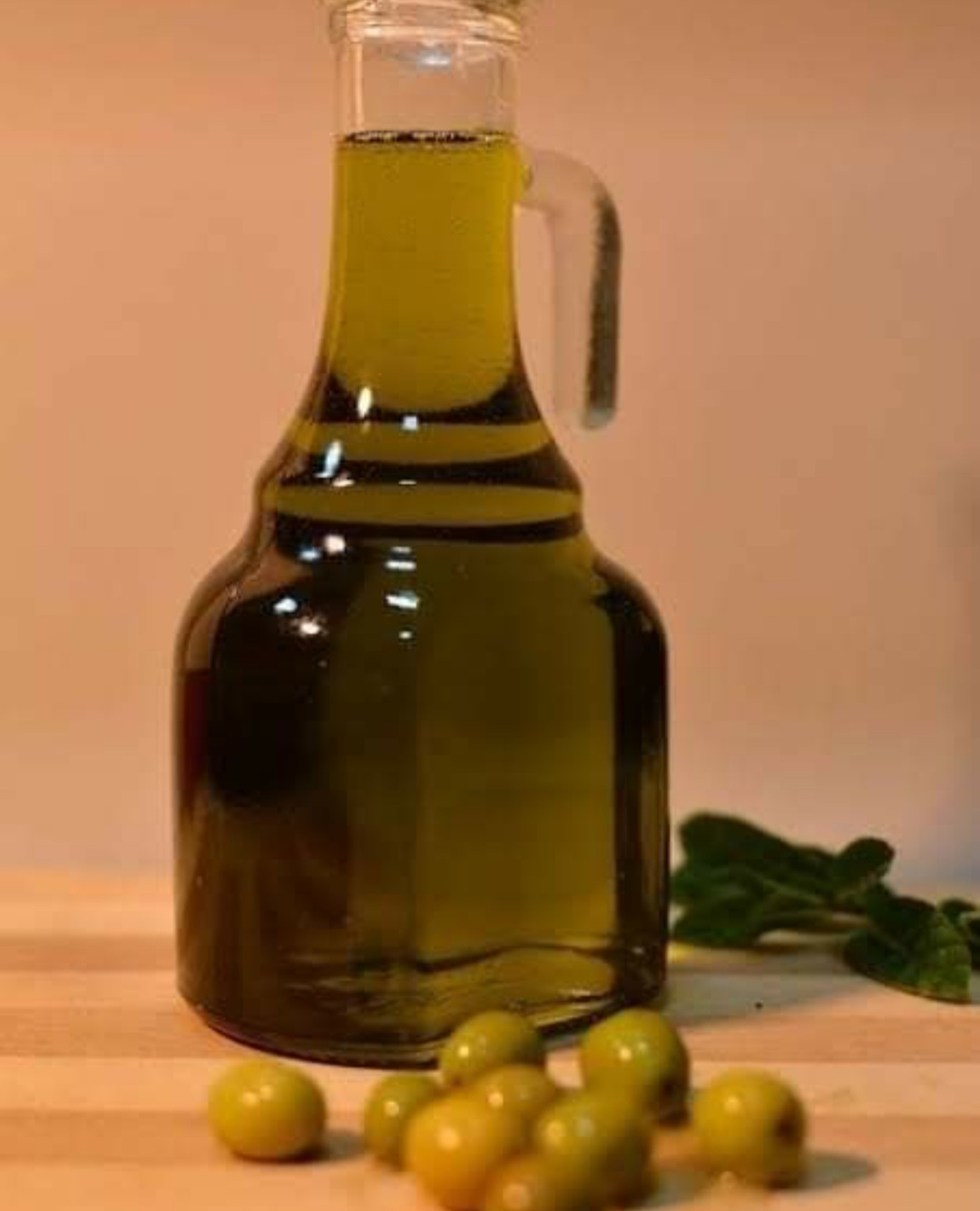
The company's catalogue also features various coconut-based products, such as Coconut, Virgin Coconut Oil, Dried Coconut Shells, and Coconut Shell. Additionally, Hang Xanh International Co., Ltd. offers other products like Fish Meal, Fresh Chilli, Fresh Small Chilli, Dried Chilli, Chilli Powder, Cuttlefish Bone, Fresh Ginger, Fresh Dragon Fruit, Cinnnamon, Dried Galangal, Tapioca Starch, and Coconut Shell Based Granular Activated Carbon.
Product Range and Specialties of Hang Xanh International Co., Ltd.
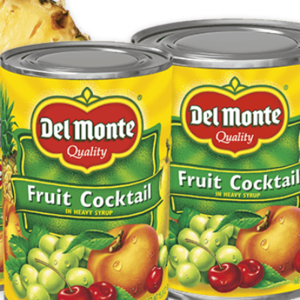
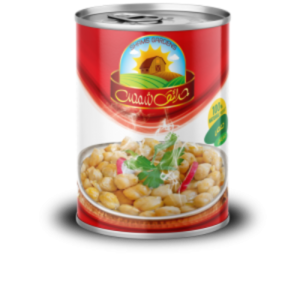
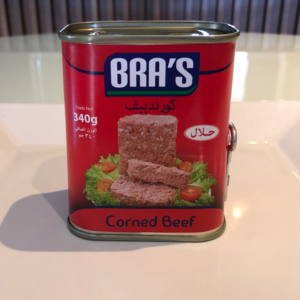
Hang Xanh International Co., Ltd.'s product range is diverse, with a focus on food and agricultural products. The company's Dehydrated Fruits category may include products with typical quality grades such as ICUMSA 45 for sugar, or moisture content specifications. The Canned Food category, which includes products like Canned Pineapple Slices And Pieces, may involve HS code 2008.19 and materials like Cayenne Pineapple (Ananas comosus) in cans made of tinplate or aluminum.
Buyers of these products typically look for specifications such as packaging in 20 ft or 40 ft containers, with certifications like HACCP or ISO 22000. The company's Coconut By-Products category may include products like Copra, with typical specifications like kernel content or oil extraction methods.
Trade and Export Information - Hang Xanh International Co., Ltd.
Exporters of food and agricultural products from Viet Nam, like Hang Xanh International Co., Ltd., typically ship their goods to regions like the European Union, the Middle East, or North America. These goods often require certifications like EU's General Food Law Regulation or the US FDA's prior notice of imported food shipments. The HS code families involved in these exports, such as 2008.19 for canned pineapple, are crucial for customs clearance and regulatory compliance.
The logistics of these exports may involve Incoterms like CIF or FOB, with packaging in bags, boxes, or cans, and shipping via sea or air freight. Buyers of these products should be aware of the regulatory requirements, like the need for phytosanitary certificates or certificates of origin, to ensure smooth customs clearance and compliance with import regulations.
Sourcing from Hang Xanh International Co., Ltd. - Buyer Guidance
When sourcing from Hang Xanh International Co., Ltd., buyers should request specifications like product moisture content, packaging materials, and certifications like HACCP or ISO 22000. It is also essential to verify the company's compliance with regulatory requirements, like those related to food safety or environmental sustainability.
Buyers should also ask for test reports, like those for heavy metals or microbiological contaminants, and request samples to verify product quality. Additionally, understanding the Incoterms used in the transaction, like CIF or FOB, is crucial for calculating the total cost of the products and ensuring that all necessary logistics and regulatory requirements are met.
Frequently Asked Questions About Hang Xanh International Co., Ltd.
What types of products does Hang Xanh International Co., Ltd. offer?
Hang Xanh International Co., Ltd. offers a range of products, including Dehydrated Fruits, Canned Food, Fruits, Coconut By-Products, Dried Fish, Charcoal, Coconut, and Starch. Some specific products include Agarwood, Litsea, Vetiver, and Cinnamon tube.
What is the HS code for Canned Pineapple Slices And Pieces?
The HS code for Canned Pineapple Slices And Pieces is 2008.19, and the material is Cayenne Pineapple (Ananas comosus) in cans made of tinplate or aluminum.
What certifications should buyers request when sourcing from Hang Xanh International Co., Ltd.?
Buyers should request certifications like HACCP or ISO 22000, and also ask for test reports for heavy metals or microbiological contaminants. Additionally, understanding the Incoterms used in the transaction is crucial for calculating the total cost of the products.
What is the typical packaging for Hang Xanh International Co., Ltd.'s products?
The typical packaging for Hang Xanh International Co., Ltd.'s products may include bags, boxes, or cans, with specifications like 20 ft or 40 ft containers. Buyers should verify the packaging materials and ensure compliance with regulatory requirements.
How do buyers verify the quality of Hang Xanh International Co., Ltd.'s products?
Buyers can verify the quality of Hang Xanh International Co., Ltd.'s products by requesting samples, test reports, and specifications like product moisture content or kernel content. It is also essential to understand the Incoterms used in the transaction and ensure compliance with regulatory requirements.
What regions do exporters of food and agricultural products from Viet Nam typically ship to?
Exporters of food and agricultural products from Viet Nam, like Hang Xanh International Co., Ltd., typically ship their goods to regions like the European Union, the Middle East, or North America. These goods often require certifications like EU's General Food Law Regulation or the US FDA's prior notice of imported food shipments.
What are the regulatory requirements for importing food products from Viet Nam?
The regulatory requirements for importing food products from Viet Nam include compliance with food safety regulations, like those related to heavy metals or microbiological contaminants, and obtaining necessary certifications like phytosanitary certificates or certificates of origin.
How do buyers ensure compliance with import regulations when sourcing from Hang Xanh International Co., Ltd.?
Buyers can ensure compliance with import regulations by verifying the company's compliance with regulatory requirements, requesting necessary certifications and test reports, and understanding the Incoterms used in the transaction. It is also essential to ensure that all necessary logistics and regulatory requirements are met.




 , Viet Nam