Zepex Exports Pvt Ltd — Verified Trader & Wholesale Supplier
About Zepex Exports Pvt Ltd - Multi‑Category Agricultural Supplier
India, Hyderabad, Andhra Pradesh, hosts Zepex Exports Pvt Ltd with an active product count of 10 items. The catalogue spans several HS‑code families, including 0909.29 for whole spice seeds, 0713.39 for mixed leguminous pulses, 0409.00 for food‑grade honey, 0910.20 for saffron threads, 6802.93 for natural granite, 1404.90 for cotton linter pulp, 9403.50 for solid and engineered wood furniture, 0813.50 for mixed dried fruits, 0808.90 for fresh edible fruits and vegetables, and 1006.40 for broken rice grains. Each entry lists the material type, for example whole cumin, coriander and fennel seeds under the SPICES line, or a blend of lentils, chickpeas, peas and beans under PULSES. The supplier’s profile mentions an emphasis on Indian agricultural goods such as rice, pulses and saffron, aligning with the ten distinct product entries. No additional company history, employee numbers or revenue figures are provided in the source data.
Product Range and Specialties of Zepex Exports Pvt Ltd
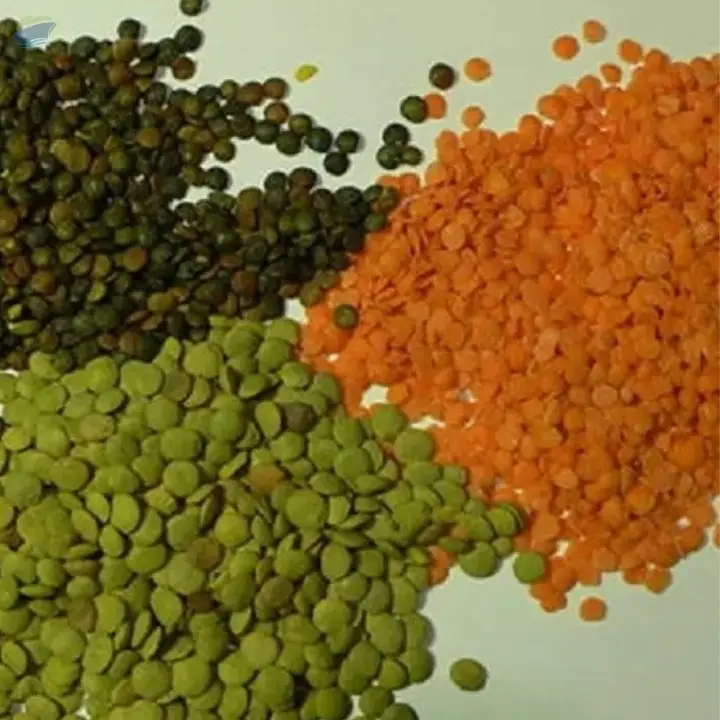
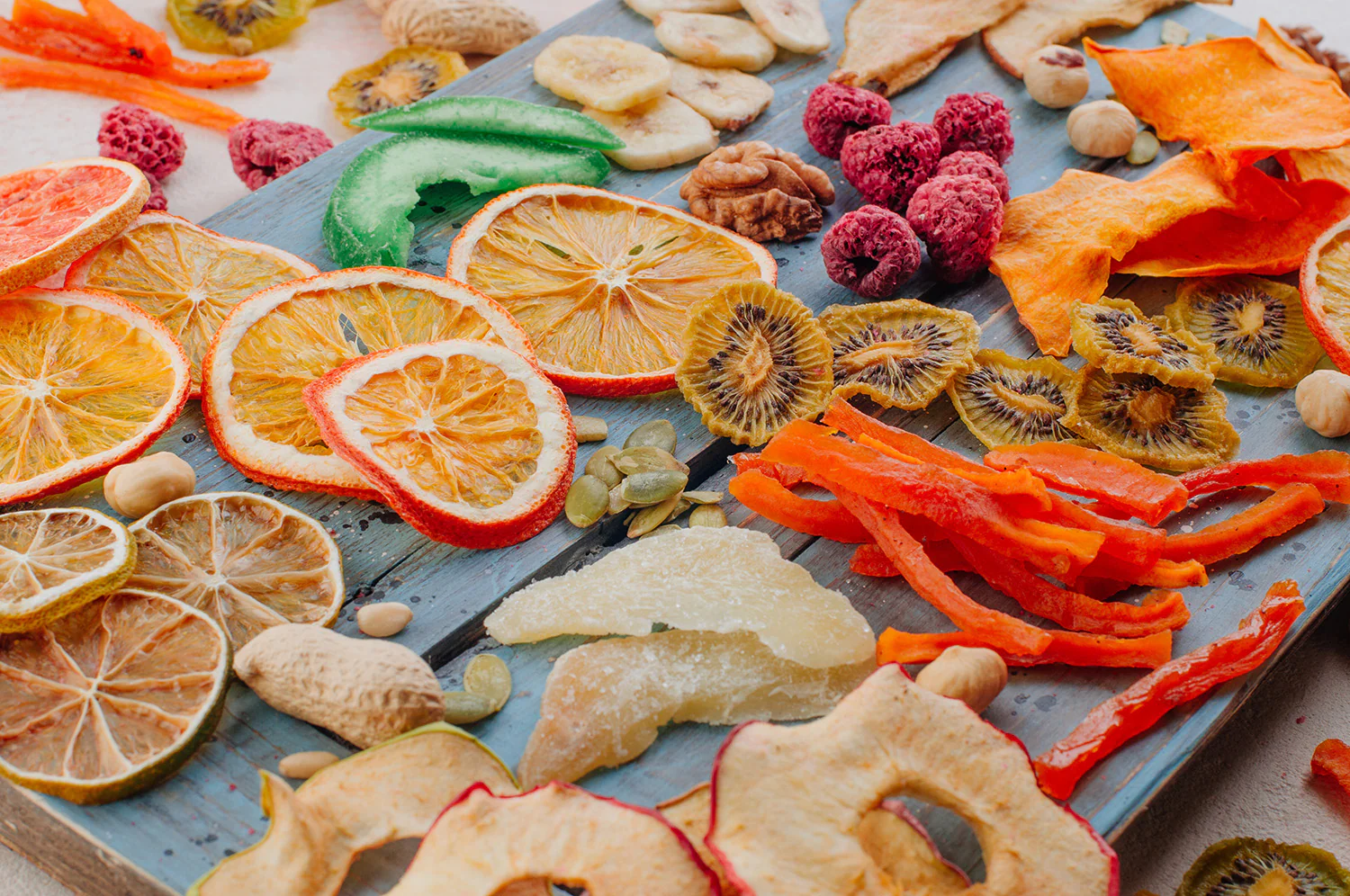
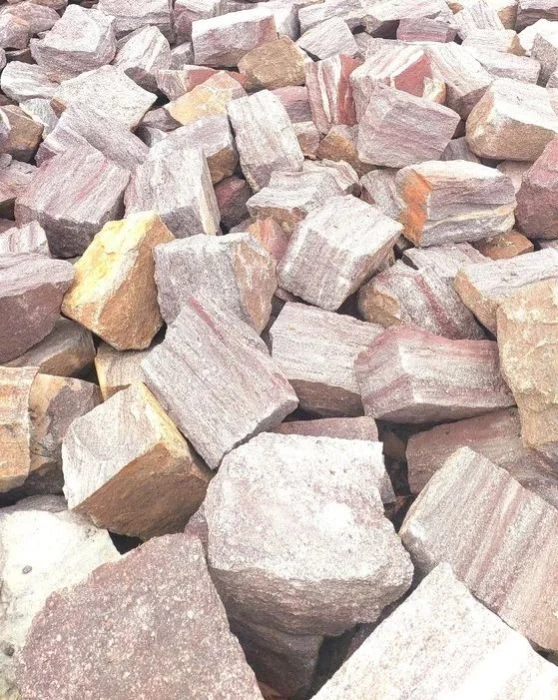
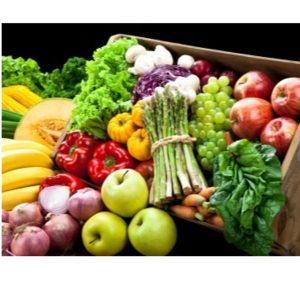
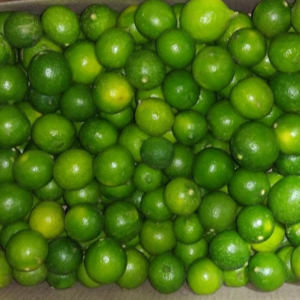
The catalogue details ten product groups: whole spice seeds (cumin, coriander, fennel) under HS 0909.29, mixed leguminous pulses under HS 0713.39, natural honey (HS 0409.00), saffron threads (HS 0910.20), natural granite (HS 6802.93), high‑alpha cotton linter pulp (90‑98% cellulose, HS 1404.90), solid‑wood and engineered‑wood furniture (HS 9403.50), mixed dried fruits (raisins, apricots, dates, figs, prunes, cranberries, HS 0813.50), fresh fruits and vegetables (HS 0808.90) and broken rice grains (HS 1006.40). In the spice segment, buyers typically encounter grades such as whole seed, cleaned and sorted to ISO 17025 analytical standards; saffron is often classified by ISO 3632 with a minimum crocin content of 30 % for “Category I”. Indian honey usually complies with Codex Alimentarius limits of ≤20 % moisture and ≤10 % fructose‑glucose ratio. Granite exports are commonly specified by compressive strength (≥150 MPa) and surface finish (polished or honed). Cotton linter pulp used for cellulose applications is graded by alpha‑cellulose content and ash level, with 90‑98 % purity being standard for pharmaceutical and textile derivatives.
Trade and Export Information - Zepex Exports Pvt Ltd
India ranks among the world’s largest exporters of spices, pulses, honey and rice, with major destinations in the Middle East, European Union, United States and Southeast Asia. HS‑code families 0909, 0713, 0409, 0910 and 1006 are subject to phytosanitary certification, origin declaration and, for organic claims, verification against the National Programme for Organic Production (NPOP) or equivalent EU organic standards. Granite (HS 6802) often requires a commercial invoice, packing list and a certificate of weight and dimensions, and buyers frequently ask for a quality test report confirming compressive strength and water absorption. Furniture (HS 9403) is shipped in 20‑ft or 40‑ft containers with wooden pallets, and importers usually request a CE conformity statement for EU markets. Commonly required certifications across these categories include ISO 22000 or HACCP for food items, FSSAI registration for Indian food exports, and phytosanitary phytosanitary certificates issued by the Indian Plant Quarantine authorities. Incoterms such as FOB Hyderabad or CIF destination port are typical for bulk agricultural shipments.
Sourcing from Zepex Exports Pvt Ltd - Buyer Guidance
When sourcing spices, pulses or rice from Zepex, request a recent laboratory analysis report confirming moisture, ash and microbial limits, and verify that the sample matches the HS‑code description. For honey, ask for a Codex‑compliant certificate of analysis showing moisture content, HMF level and pollen profile. Saffron buyers should obtain an ISO 3632 certificate indicating crocin, picrocrocin and safranal concentrations, along with a purity test for foreign matter. Granite shipments should be accompanied by a mill test report stating compressive strength, density and surface finish. Cotton linter pulp purchasers need an alpha‑cellulose assay and ash content report, typically aligned with USP or ISO 16005 specifications. In all cases, request the phytosanitary certificate, origin certificate and, if organic labeling is required, the relevant NPOP or EU organic certificate before finalising the order.
Frequently Asked Questions About Zepex Exports Pvt Ltd
What HS codes does Zepex Exports use for its spice products?
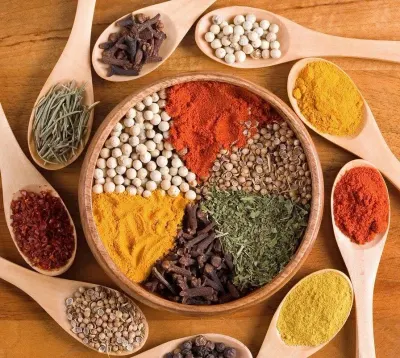
The spice line is listed under HS code 0909.29, which covers whole spice seeds such as cumin, coriander and fennel.
Are there quality test reports available for the saffron threads?
Saffron (HS 0910.20) is normally supplied with an ISO 3632 analysis that records crocin, picrocrocin and safranal percentages; buyers should request this report before purchase.
What certifications should a buyer request for the honey export?
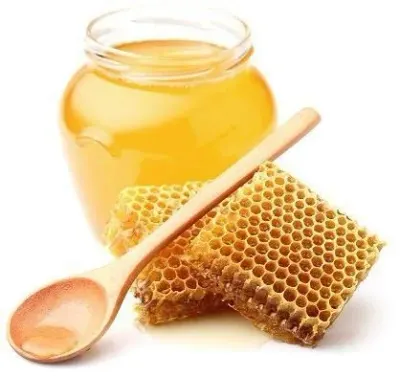
Buyers should ask for a Codex‑compliant certificate of analysis showing moisture ≤20 %, HMF level and a recent phytosanitary certificate; organic claims would need an NPOP or EU organic certificate.
How is the granite quality verified for export?
Granite (HS 6802.93) is typically accompanied by a mill test report stating compressive strength (≥150 MPa), density and surface finish grade; a weight and dimension certificate is also standard.
What documentation is required for the cotton linter pulp?
The cotton linter pulp (HS 1404.90) should be supplied with an alpha‑cellulose content analysis (90‑98 % purity) and ash content report, plus the standard export invoice and phytosanitary certificate.
Which packaging formats are used for the dry fruits and broken rice?
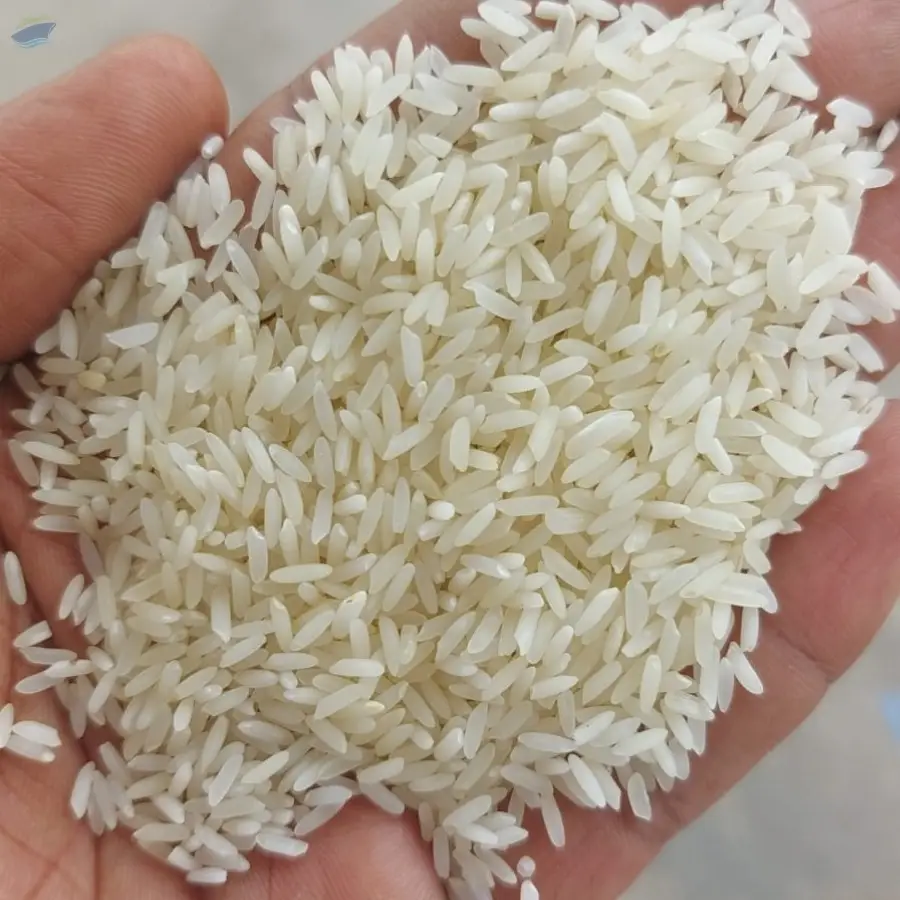
Dry fruits (HS 0813.50) and broken rice (HS 1006.40) are usually packed in food‑grade polypropylene bags of 25 kg or 50 kg, placed on wooden pallets for 20‑ft or 40‑ft container loading.
What are the typical payment and shipping terms for furniture orders?
Furniture (HS 9403.50) is often shipped FOB Hyderabad with payment via L/C at sight; larger orders may use CIF to the buyer’s destination port.
Which market regions commonly import Zepex’s agricultural products?
Indian agricultural exports from Hyderabad are frequently destined for the Middle East, European Union, United States and Southeast Asian countries, reflecting demand for spices, pulses, rice and dried fruits in those markets.





 Hyderabad, India










.jpg.png)