Supportassists — Verified Supplier
About Supportassists - Rice Supplier in India
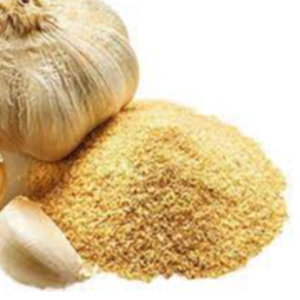
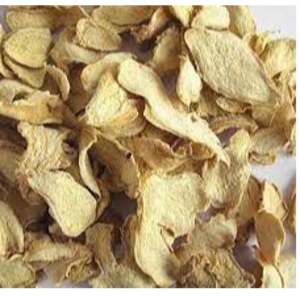
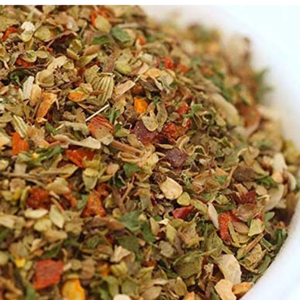
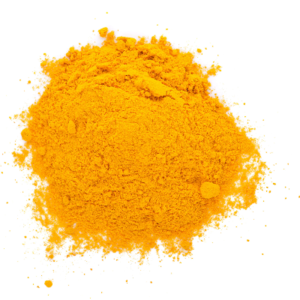
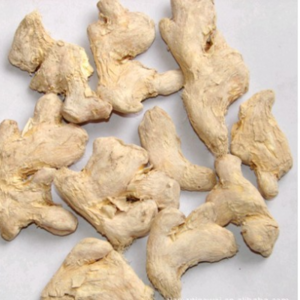
Supportassists is based in India and currently lists 178 distinct products across several commodity groups. The catalogue includes multiple rice varieties such as White Basmati, Brown Basmati, 1121 Basmati, Masoori, Sona Masoori, Golden Sella, Parboiled Sella and other non‑Basmati types, each recorded under the generic HS‑6 heading 1006 for milled rice. In addition, the supplier lists a range of dehydrated spices and powders - turmeric, red chilli, onion and fennel - which fall under HS headings 0905 and 0904. Other entries cover processed food items, interior‑decoration goods, wooden furniture and assorted apparel, reflecting the breadth of the 178‑item offering.
The product list also contains several textile items such as Ladies Kurti, Top, Shirts, T‑Shirt, Jeans, Legging, Jegging, Salwar Suit and Lehnga Choli, as well as home‑decor items like carpets, cushion covers and brass handicrafts. Food‑related items beyond rice include moong dal, millets, black gram, toor dal, various nuts and fresh produce such as pomegranate, banana and lemon. The supplier’s profile therefore spans primary agricultural commodities, processed food powders and a selection of handicraft and apparel goods, all exported from India.
Product Range and Specialties of Supportassists
The rice portfolio covers both aromatic basmati grades (White, Brown and 1121) and non‑aromatic varieties such as Sona Masoori and Parboiled Sella. In the Indian export market, basmati rice is typically classified under HS code 1006.30 and must meet a minimum kernel length of 6.5 mm, moisture content between 12 % and 14 %, and a broken grain percentage below 5 %. Non‑Basmati milled rice generally falls under HS 1006.10 and is evaluated on head‑rice recovery (often >60 %) and uniform grain size. Spice powders such as turmeric and red chilli are normally listed under HS 0905.10 and 0904.11 respectively. Standard specifications include total ash below 5 % for turmeric, curcumin content of 3 % - 6 %, moisture under 12 %, and for red chilli powder a Scoville rating between 30 000 - 50 000 units, moisture below 12 % and aflatoxin limits of 10 µg kg⁻¹. The catalogue’s onion and fennel powders follow similar moisture and microbial limits common to dehydrated spices.
Trade and Export Information - Supportassists
India is a leading exporter of Basmati rice to the Middle East, Africa and the European Union, with shipments typically carried in 20‑ft and 40‑ft containers using FCL logistics. Exporters of Indian rice usually provide a phytosanitary certificate, a certificate of origin and, where required by the destination, a Halal certification. Spice powders from India are widely imported by the United States, the United Kingdom, Gulf Cooperation Council (GCC) states and Japan; buyers often request ISO 22000 or HACCP compliance, as well as pesticide residue test reports complying with Codex limits. The HS‑6 code families relevant to Supportassists’ catalogue are 1006 for milled rice, 0905 for turmeric and other powdered spices, and 0904 for dried chilli and related products. Commonly required documentation includes a commercial invoice, packing list, Bill of Lading, and, for food items, a FSSAI export license. Indian exporters typically ship rice in jute or polypropylene bags (25 kg each) and spices in food‑grade HDPE containers (1 tonne bulk or 25 kg bags), using Incoterms such as FOB Kolkata or CIF Dubai, depending on the buyer’s market.
Sourcing from Supportassists - Buyer Guidance
When sourcing rice from Supportassists, buyers should request a recent mill test report showing moisture, broken percentage, head‑rice recovery and kernel length for the specific variety. For aromatic basmati, a certificate confirming geographical indication (GI) status may be required by premium markets. Spice powders should be accompanied by a laboratory analysis covering moisture, ash, volatile oil content, pesticide residues and microbial limits; buyers often ask for a COA that references Codex Alimentarius standards. Buyers are advised to verify the supplier’s export licence and any third‑party certifications (e.g., ISO 22000, HACCP) before placing a purchase order. Sample quantities of 5 kg for rice and 1 kg for powders are typical for quality assessment, and packaging should be inspected for proper sealing and labeling in accordance with the destination country’s regulations.
Frequently Asked Questions About Supportassists
What rice varieties does Supportassists export and under which HS code are they classified?
The supplier lists several varieties including White Basmati, Brown Basmati, 1121 Basmati, Masoori, Sona Masoori, Golden Sella and Parboiled Sella. These are generally classified under HS‑6 code 1006, with aromatic basmati falling under 1006.30 and non‑aromatic milled rice under 1006.10.
Which quality parameters should I check for the basmati rice offered?
Typical parameters include kernel length of at least 6.5 mm, moisture content between 12 % and 14 %, broken grain percentage below 5 % and a head‑rice recovery of 60 % or higher. A mill test report should confirm these figures.
What certifications are commonly required for Indian spice powders?
Importers usually request ISO 22000 or HACCP compliance, a phytosanitary certificate and a laboratory COA showing moisture below 12 %, total ash limits (<5 % for turmeric), curcumin or capsaicin levels and pesticide residues within Codex limits.
How are the rice products typically packaged for export?
Indian rice exporters commonly use 25 kg jute or polypropylene bags, stacked in 20‑ft or 40‑ft containers. The packaging is sealed and labeled with net weight, variety, HS code and country of origin.
What sample size is appropriate for evaluating the spice powders?
A standard sample size is 1 kg per spice powder, which allows a laboratory to conduct moisture, ash, volatile oil and pesticide residue analyses according to international standards.
Which markets most frequently import the types of goods listed by Supportassists?
Basmati and other Indian rice varieties are most demanded in the Middle East, Africa and the EU, while turmeric, red chilli and other powdered spices see high imports into the United States, the United Kingdom and GCC countries.
What documentation should I expect with a shipment of rice or spices?
Typical documents include a commercial invoice, packing list, Bill of Lading, certificate of origin, phytosanitary certificate and, for food safety, an ISO 22000/HACCP certificate or equivalent test reports.
What are the typical Incoterms used for these Indian export products?
Exporters from India often use FOB terms from ports such as Kolkata or Mumbai, and sometimes CIF to regional hubs like Dubai, depending on the buyer’s preference and logistics arrangements.




 , India