S & F Global Trading Co., Ltd. — Verified Supplier
About S & F Global Trading Co., Ltd. - Medical Face Masks Supplier in Thailand
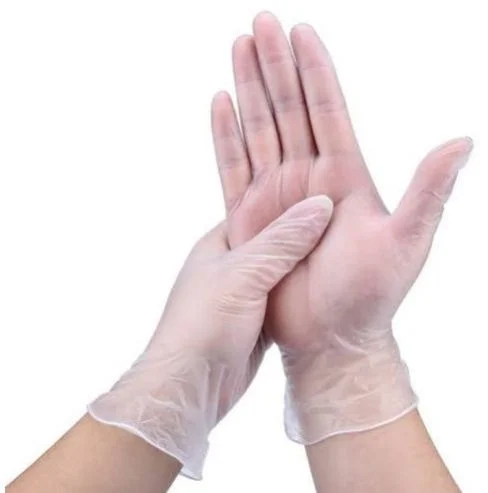
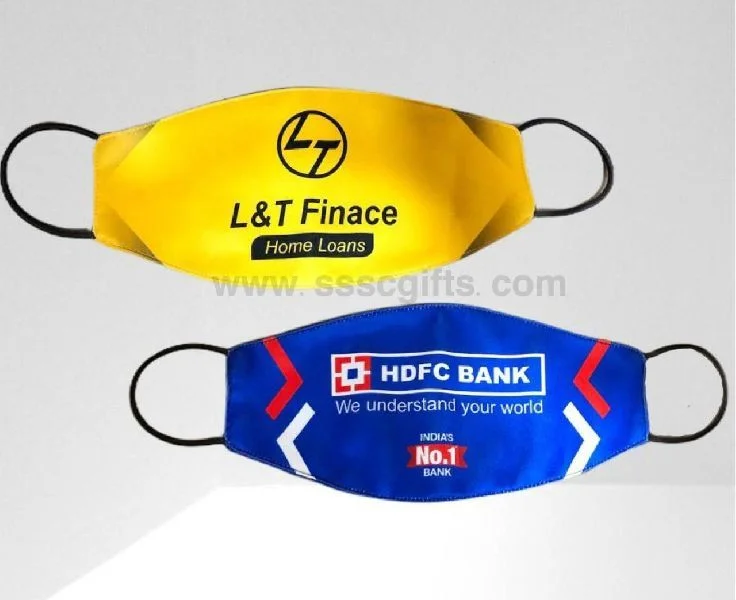
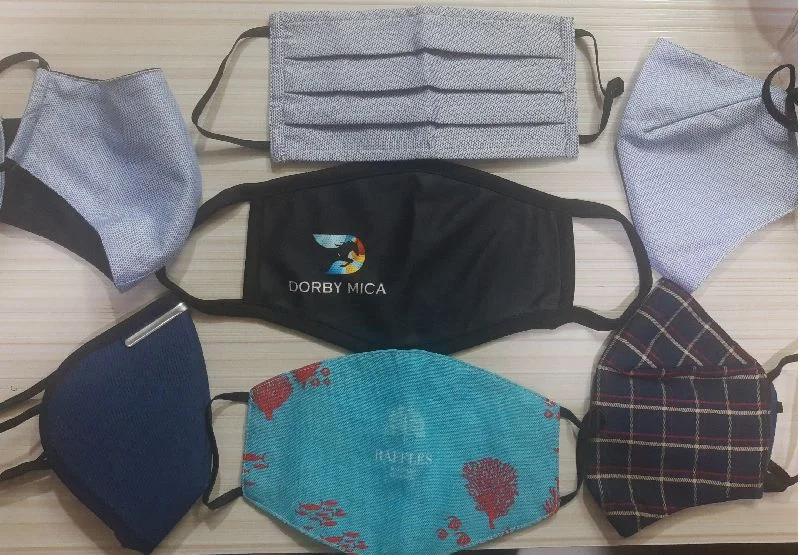
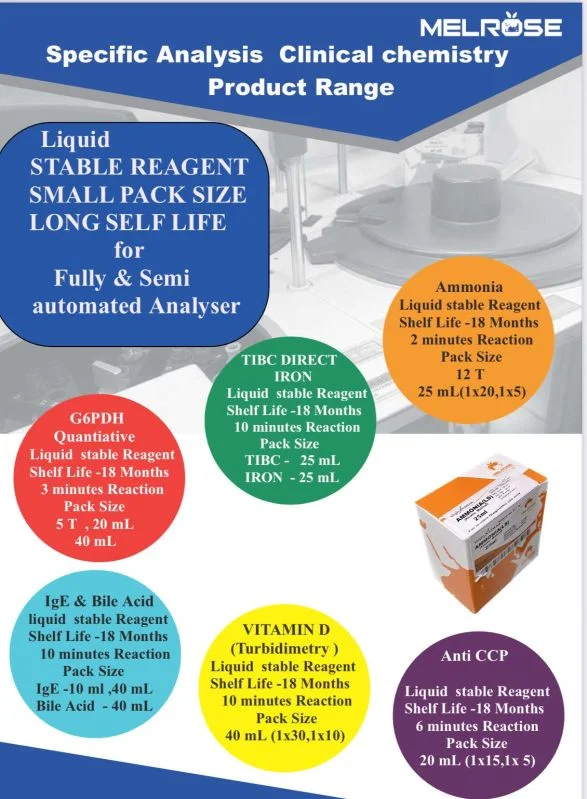
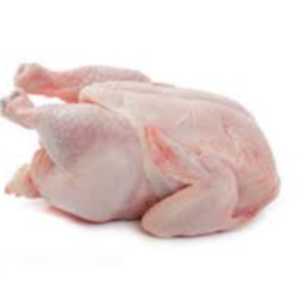
Thailand hosts the catalogue of S & F Global Trading Co., Ltd., which lists seven active products across food and medical sectors. The inventory includes frozen poultry items such as middle joint wings, paws and whole chickens, as well as frozen baby cuttlefish and the tropical fruit durian. In the medical segment the company offers nitrile/latex disposable gloves and polymer‑based testing kits that carry HS code 3822.00. Each product entry specifies the material type where applicable, for example the testing kits are described as polymer/plastic housing with reagent components. The supplier’s top‑level categories also reference medical face masks, diagnostic kits and general gloves, reflecting a diversified portfolio.
The product list groups items by HS‑code families: frozen poultry falls under Chapter 02 (HS 0207), frozen seafood under Chapter 03 (HS 0304), fresh durian under Chapter 08 (HS 0805), and the testing kits under Chapter 38 (HS 3822). The nitrile/latex gloves are typically classified in Chapter 40 (HS 4015) for protective gloves. No additional HS codes are provided for the other food items, so only the known code for testing kits is cited. All seven entries are presented without any claim of certifications or regulatory status beyond the material description.
Product Range and Specialties of S & F Global Trading Co., Ltd.
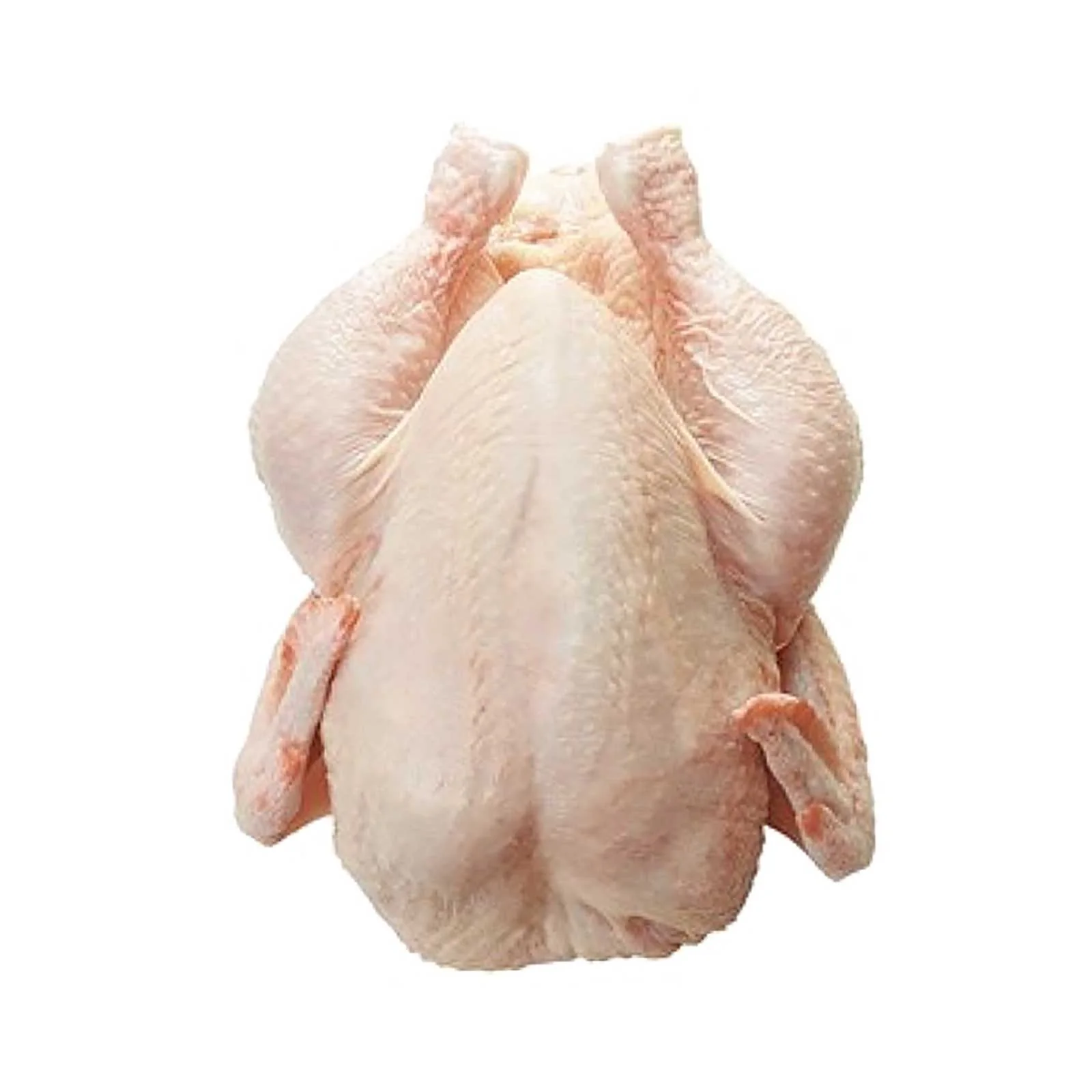
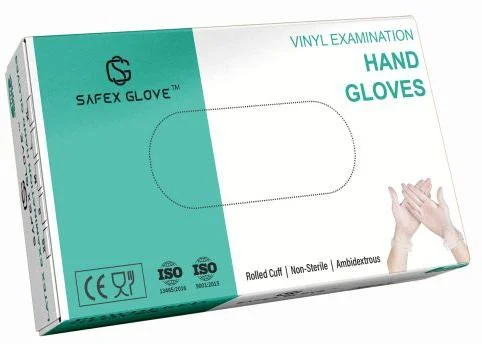
The catalogue comprises frozen chicken parts (middle joint wings, paws, whole chicken) that are standard export cuts in Thailand’s poultry industry, usually trimmed to uniform sizes of 200‑300 g per piece and packed in insulated cartons for refrigerated sea freight. Frozen baby cuttlefish is commonly supplied in 1 kg zip‑lock bags, frozen at - 18 °C, and meets typical seafood specifications for moisture content below 78 %. Durian is exported as whole fruit in 5 kg crates, graded by flesh firmness (e.g., D24) and sugar content, with a shelf life of 2‑3 weeks under controlled temperature. Nitrile and latex gloves are offered in powder‑free variants, with typical thicknesses of 0.05 mm for nitrile and 0.07 mm for latex, complying with ASTM D6319 (nitrile) or EN 420 (latex) standards. The testing kits are polymer‑based rapid diagnostic devices, generally CE‑marked and produced under ISO 13485 quality systems, using plastic housings that protect reagent components during transport.
Trade and Export Information - S & F Global Trading Co., Ltd.
Thailand’s export profile for frozen poultry (HS 0207) targets markets in the European Union, the Middle East and East Asia, with shipments usually on 20‑ft or 40‑ft refrigerated containers (reefers) under FOB or CIF terms. Frozen seafood such as cuttlefish (HS 0304) follows similar logistics, often requiring insulated pallets and dry ice to maintain temperature stability. Tropical fruits like durian (HS 0805) are commonly sent to China, Hong Kong and Singapore, using ventilated containers to prevent ethylene buildup. Medical gloves and diagnostic kits fall under Chapter 40 and Chapter 38 respectively; buyers in the United States, EU and Southeast Asia typically request CE marking, ISO 13485 compliance and, where applicable, FDA registration for medical devices. Exporters from Thailand generally adopt HACCP or BRC food safety plans for edible goods and provide phytosanitary certificates, while medical products are accompanied by a Declaration of Conformity and test reports for biocompatibility.
Sourcing from S & F Global Trading Co., Ltd. - Buyer Guidance
When sourcing frozen poultry from this supplier, buyers should request the latest Thai FDA export license, HACCP certification, and a microbiological test report covering Salmonella and Campylobacter levels. Verify the temperature log for the reefers and confirm that the packaging meets ISO 22000 standards for cold‑chain integrity. For the durian, ask for a phytosanitary certificate, fruit grade report (e.g., D24) and evidence of pesticide residue testing within EU limits. Gloves should be sampled for thickness, tensile strength and powder‑free status, with accompanying ASTM D6319 or EN 420 test certificates and, if required, a CE Declaration of Conformity. Diagnostic testing kits need a CE mark, ISO 13485 certificate and a detailed specification sheet describing reagent stability, shelf life and storage temperature. Collecting these documents before order placement helps confirm compliance with typical import regulations and reduces customs delays.
Frequently Asked Questions About S & F Global Trading Co., Ltd.
What frozen chicken cuts are listed in the catalogue?
The catalogue lists middle joint wings, chicken paws and whole frozen chicken, all of which are standard export cuts classified under HS 0207 for frozen poultry.
Which HS code is associated with the testing kits?
The testing kits are recorded with HS code 3822.00, which covers diagnostic and medical devices made of polymer or plastic.
What material is used for the testing kits?
The kits consist of a polymer/plastic housing that encloses reagent components, typical for rapid diagnostic devices.
What certifications are commonly required for Thai frozen poultry exports?
Importers usually request a Thai FDA export license, HACCP or BRC food safety certification, and a microbiological test report meeting international limits for pathogens.
How are nitrile and latex gloves typically graded?
Gloves are generally graded by thickness (around 0.05 mm for nitrile, 0.07 mm for latex) and must meet ASTM D6319 (nitrile) or EN 420 (latex) standards, often accompanied by a CE Declaration of Conformity.
What documentation should a buyer obtain for the durian shipments?
Buyers should obtain a phytosanitary certificate, a fruit grade report (e.g., D24), and a pesticide residue analysis complying with the destination country’s limits.
What are the typical packaging and shipping methods for frozen cuttlefish?
Frozen baby cuttlefish is packed in 1 kg zip‑lock bags placed in insulated cartons and shipped in refrigerated containers, usually on 20‑ft or 40‑ft reefers under FOB or CIF terms.
What quality system is expected for the diagnostic testing kits?
Buyers normally expect the kits to be produced under ISO 13485 quality management systems and to carry CE marking, with a test report confirming reagent stability and shelf life.




 , Thailand