Nature International — Verified Trader & Wholesale Supplier
About Nature International - Fresh Produce Supplier in India
Nature International is based in Varanasi, Uttar Pradesh, India and currently lists 17 distinct fresh‑produce items in its catalogue. The catalogue covers a mix of vegetables, fruits and dried pulses, with HS‑code families that include 0701 for fresh potatoes, 0803 for bananas, 0804 for mangoes, 0810 for pomegranates and 0713 for dried legumes such as pigeon peas and kidney beans. Each product is identified by its material description, for example "Fresh Whole Mango (Mangifera indica)" and "Dried Red Kidney Beans (Phaseolus vulgaris)".
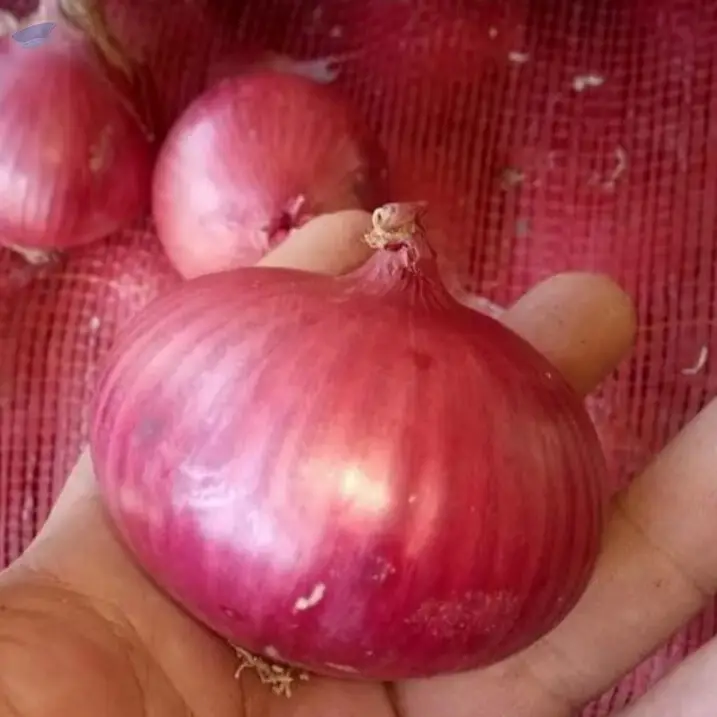
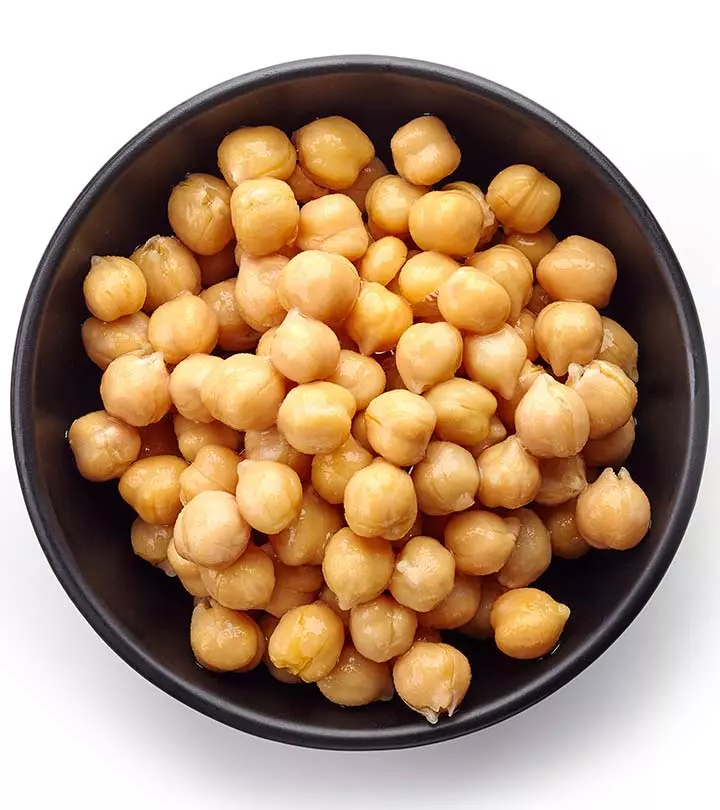
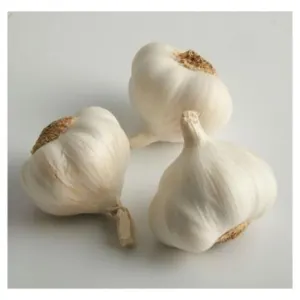
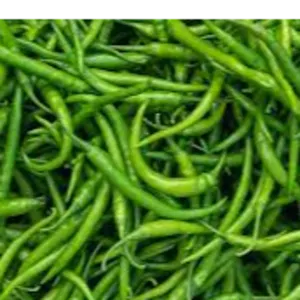
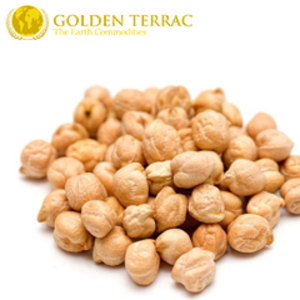
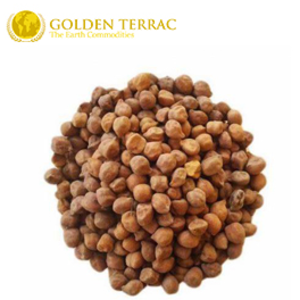
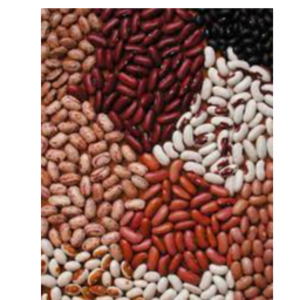
The listed products comprise carrots, mangoes, potatoes, cucumbers, capsicum, bitter gourd, green chilli, red chilli, lady finger, garlic, bananas, pomegranate, red onion, broccoli, white chickpeas, pigeon peas and kidney beans. HS codes are provided for mango (0804.50), potato (0701.90), bananas (0803.90), pomegranate (0810.90), pigeon peas (0713.90) and kidney beans (0713.33). The remaining items are recorded without HS codes but fall under the same HS chapters for fresh vegetables (07) and fresh fruits (08).
Product Range and Specialties of Nature International
The catalogue focuses on fresh vegetables such as carrot, capsicum, green chilli, bitter gourd and broccoli, as well as tropical fruits like mango, banana and pomegranate. Dried pulses - white chickpeas, pigeon peas and kidney beans - complete the product mix. In the global market, carrots are commonly exported in Grade A with a length of 6‑8 cm and moisture below 8 %. Indian mangoes destined for export are typically sized above 300 g, have a Brix of 12 % or higher and meet GlobalGAP standards. Bananas are usually Cavendish “Grade 1” with a length of 15‑20 cm and a green‑yellow peel. Dried legumes are graded by size (e.g., 14‑16 mm for kidney beans) and moisture content below 12 %. Packaging for these items often uses 20‑ft refrigerated containers for fresh produce, with 10‑12 kg cartons stacked on wooden pallets, while dried pulses are packed in 25 kg polypropylene bags placed in 40‑ft dry containers.
Trade and Export Information - Nature International
India is a major exporter of fresh vegetables and tropical fruits, supplying the Middle East, the European Union, the United States and Southeast Asian markets. HS‑chapter 07 covers fresh vegetables and HS‑chapter 08 covers fresh fruits, both of which require a phytosanitary certificate and compliance with the importing country’s residue limits. Buyers typically request GlobalGAP, FSSAI and ISO 22000 certifications for Indian produce; organic shipments may also need a certified organic certificate. Export logistics commonly use FOB Varanasi or CIF destination, with refrigerated reefers for mangoes, bananas and capsicum, and dry containers for pulses. Indian exporters often adhere to APEDA guidelines and must meet the EU’s Maximum Residue Limits (MRLs) for pesticide residues when shipping to Europe.
Sourcing from Nature International - Buyer Guidance
When sourcing from Nature International, buyers should ask for a detailed product specification sheet that lists size, grade, moisture level, Brix (for mangoes) and any pesticide residue test results. Request a phytosanitary certificate, a copy of the FSSAI compliance letter and, if required, GlobalGAP or organic certification documents before confirming the order. Typical minimum order quantities for fresh produce range from 500 kg to 2 tonnes per shipment, while dried pulses often start at 1 tonne. Lead times are generally 30‑45 days after order confirmation, allowing time for post‑harvest handling, cold‑chain packing and customs documentation.
Frequently Asked Questions About Nature International
What fresh produce items does Nature International list in its catalogue?
The catalogue includes carrot, mango, potato, cucumber, capsicum, bitter gourd, green chilli, red chilli, lady finger, garlic, bananas, pomegranate, red onion, broccoli, white chickpeas, pigeon peas and kidney beans.
Which products have HS codes provided and what are they?
Mango (0804.50), Potato (0701.90), Bananas (0803.90), Pomegranate (0810.90), Pigeon peas (0713.90) and Kidney beans (0713.33) each have HS codes listed in the catalogue.
What certifications should a buyer request for Indian fresh produce?
Buyers should request GlobalGAP, FSSAI and ISO 22000 certificates, and for organic shipments a certified organic document. Phytosanitary certificates are mandatory for all fresh items.
What are the typical packaging formats for the fresh vegetables?
Fresh vegetables are usually packed in 10‑12 kg corrugated cartons, stacked on wooden pallets and loaded into 20‑ft refrigerated containers (reefers) to maintain the cold chain.
What is the common minimum order quantity for dried pulses like kidney beans?
Dried pulses are typically sold with a minimum order of 1 tonne per shipment, though larger volumes are common for regular supply contracts.
How long does it take to ship mangoes from Varanasi to a European port?
Mangoes from Varanasi generally require 30‑45 days after order confirmation, including post‑harvest handling, cold‑chain packing, phytosanitary clearance and sea transit under CIF terms.
What documentation is needed to import the listed products into the EU?
Importers need a phytosanitary certificate, a copy of the supplier’s GlobalGAP or FSSAI compliance, the relevant HS code declaration and test reports confirming compliance with EU pesticide MRLs.




 Varanasi, India


.jpg.png)