MANOJ EXPORTS — Verified Trader & Wholesale Supplier

About MANOJ EXPORTS - Fishes Supplier in India

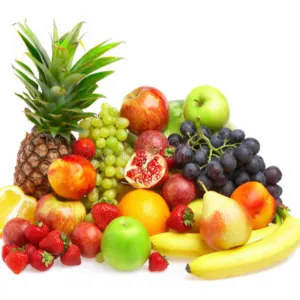
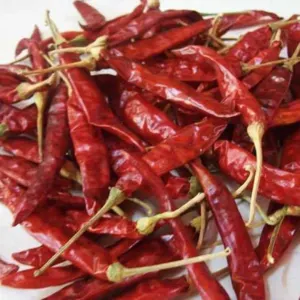
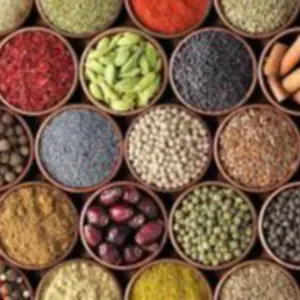
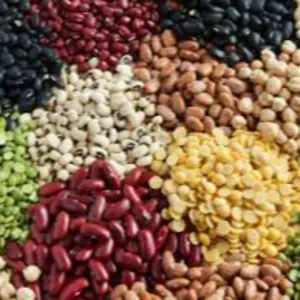
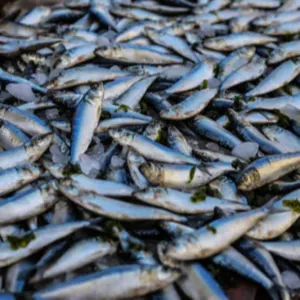
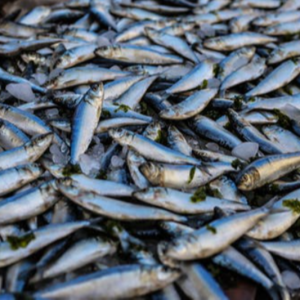
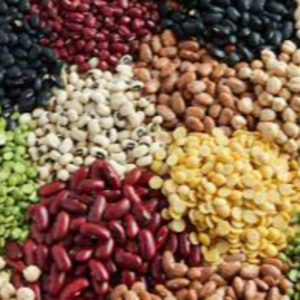
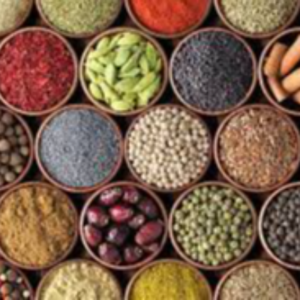
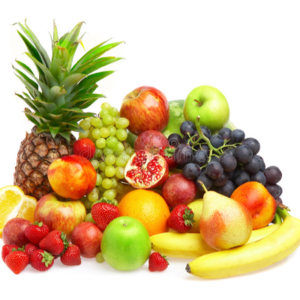
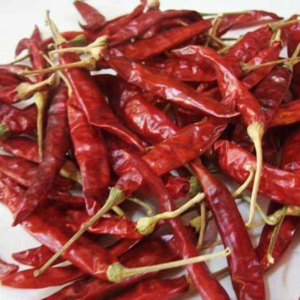
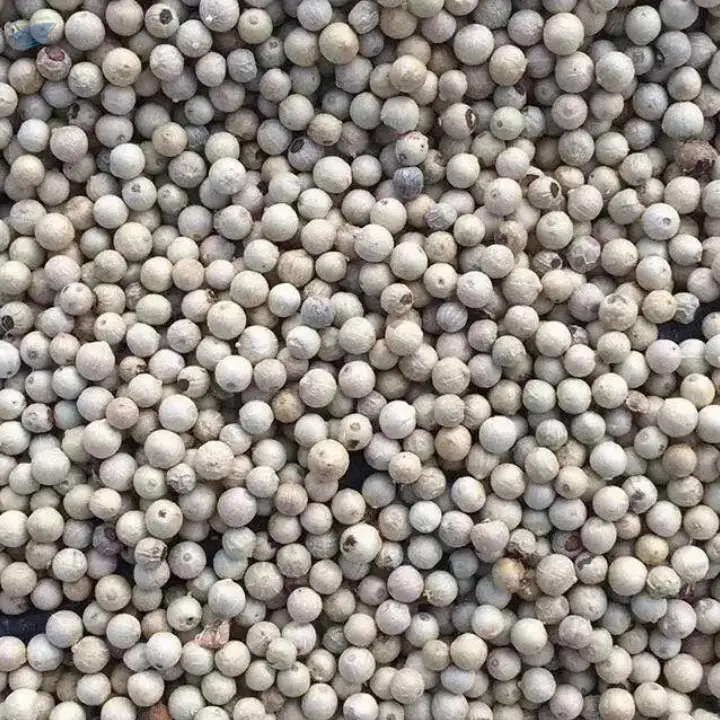
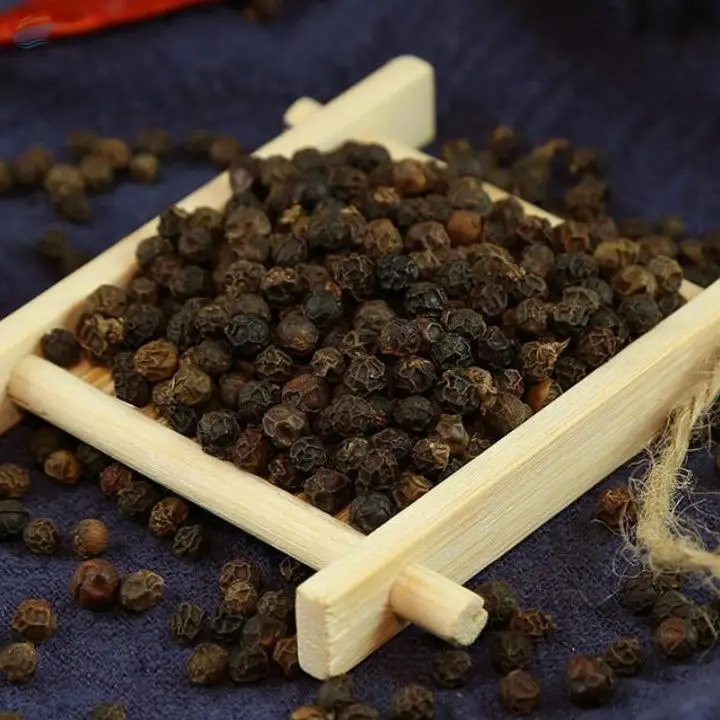
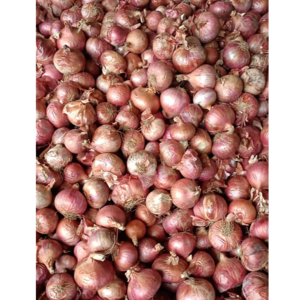
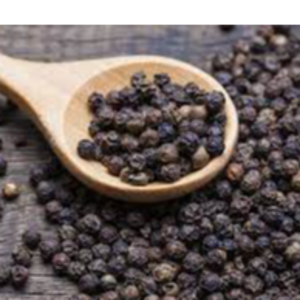
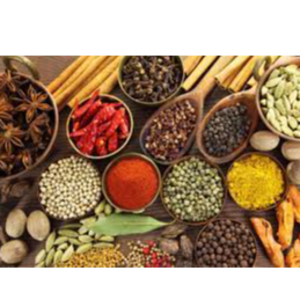
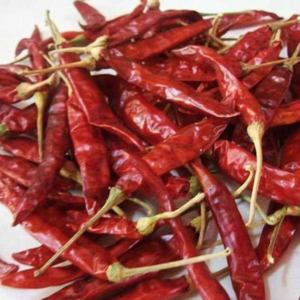
MANOJ EXPORTS is based in Prakasam, Andhra Pradesh, India and lists five active product lines. The catalogue includes naturally dried whole fish (HS 0305.59), dried leguminous pulses (HS 0713.10), raw spice seeds (HS 0909.21), dried red chillies (HS 0904.21), and fresh fruits and vegetables such as apples, bananas, oranges, mangoes and grapes (HS 0808.10). The supplier’s top categories span pepper, various fresh and farmed fishes including carp, salmon, trout, and broader seafood. The product list reflects both fresh and processed seafood as well as staple agro‑food items. The HS code families place the fish items in chapter 03, pulses in chapter 07, spices and chillies in chapter 09, and fresh produce in chapter 08.

Product Range and Specialties of MANOJ EXPORTS

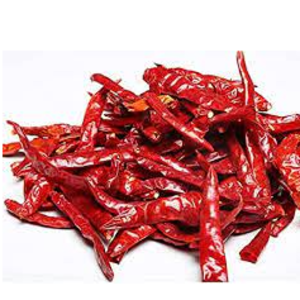
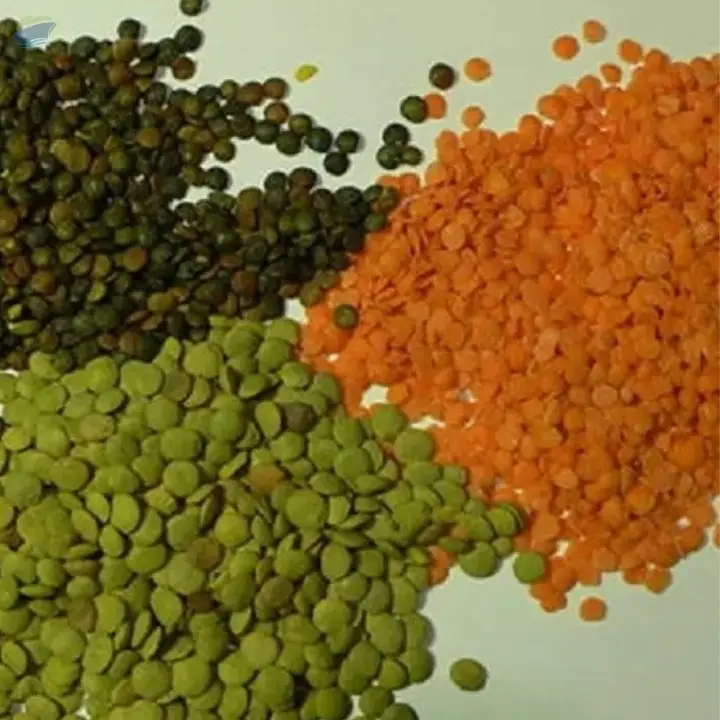
The five catalogue entries cover multiple species and varieties. The dried fish line cites cod, croaker, mackerel and local Indian species and is typically graded by moisture content (often below 12 %), size and sensory quality. Pulses such as lentils, chickpeas, kidney beans, mung beans and peas are usually sorted by size, split‑percentage and impurity limits defined in Indian export standards. Raw spice seeds and red chillies are commonly assessed for volatile oil content, moisture (often <13 %) and aflatoxin levels. Fresh fruits and vegetables are graded by firmness, colour, sugar content (Brix) and absence of physical damage, and are shipped in refrigerated containers or insulated boxes. Industry practice for these categories includes ISO 22000 or HACCP food safety systems, and many buyers request EU organic or USDA‐organic certifications where applicable.

Trade and Export Information - MANOJ EXPORTS

India ranks among the world’s top exporters of seafood, pulses, spices and fresh horticultural produce. Dried fish (HS 0305) and fresh fish (HS 0304) are primarily shipped to the Middle East, the European Union and Southeast Asian markets, often in 20‑ft or 40‑ft refrigerated containers with insulated pallets. Pulses (HS 0713) are widely demanded by North‑African, Middle‑Eastern and South‑American buyers, typically packed in 1 ton polypropylene bags inside 20‑ft containers. Spice seeds (HS 0909) and dried red chillies (HS 0904) are exported to the EU, USA and GCC states, with standard packaging of 25 kg jute or multi‑layer polyethylene bags. Fresh fruits and vegetables (HS 0808) require phytosanitary certificates, FSSAI export clearance and, for many EU destinations, GlobalGAP compliance. Commonly required certifications include ISO 22000, HACCP, and for organic claims, NOP or EU organic certificates. Export documentation generally includes commercial invoice, packing list, certificate of origin, phytosanitary certificate and, where applicable, a lab analysis report for pesticide residues.

Sourcing from MANOJ EXPORTS - Buyer Guidance

Buyers should request a detailed product specification sheet that lists species, size range, moisture content for dried fish, and impurity limits for pulses. Laboratory test reports covering microbial limits (e.g., total plate count, coliforms) for fish, pesticide residue analysis for spices and chillies, and aflatoxin results for pulses are standard verification items. Request copies of any food safety certifications the supplier holds (e.g., ISO 22000, HACCP) and, if organic claims are made, the relevant organic certification. Verify packaging details such as bag material, weight, and container type, and confirm that the supplier can provide the required phytosanitary certificate and export clearances for the destination country.

Frequently Asked Questions About MANOJ EXPORTS

What product categories does MANOJ EXPORTS list in its catalogue?

The catalogue includes naturally dried whole fish (HS 0305.59), dried pulses (HS 0713.10), raw spice seeds (HS 0909.21), dried red chillies (HS 0904.21) and fresh fruits and vegetables such as apples and mangoes (HS 0808.10).

Which HS codes are associated with the supplier’s fish products?

The dried whole fish entry is classified under HS code 0305.59, which covers other fish, whether fresh, chilled, frozen or otherwise prepared.

Are there any certifications explicitly held by MANOJ EXPORTS?

The supplied facts do not list any certifications held by the supplier; buyers should ask for food‑safety certificates such as ISO 22000 or HACCP and any organic certifications if required.

What typical quality parameters are used for the dried fish product?

Buyers normally check moisture content (generally ≤12 %), species identification, size grading, and microbial limits such as total plate count and absence of pathogenic bacteria.

What documentation is needed for importing the pulses from India?

Importers usually require a commercial invoice, packing list, certificate of origin, phytosanitary certificate and a laboratory analysis report confirming pesticide residue levels within the destination country’s limits.

What are the common packaging formats for the spice seeds and red chillies?

Spice seeds and dried red chillies are typically packed in 25 kg multi‑layer polyethylene or jute bags, which are then placed in 20‑ft containers for sea freight.

What minimum order quantities (MOQ) and lead times are typical for fresh fruits and vegetables?

Fresh produce is often sold in container loads; a typical MOQ is one 20‑ft refrigerated container (≈20 tons) with lead times ranging from 2 to 4 weeks after order confirmation, depending on seasonality.

Which shipping terms are most commonly used for these product categories?

Exporters from India frequently use FOB (Free on Board) at Visakhapatnam or Chennai ports for bulk goods, and CIF (Cost, Insurance, Freight) for refrigerated shipments of fresh fish and produce.


Featured Products from MANOJ EXPORTS

Other Suppliers in Pepper

Top Trusted Suppliers

Related Products in Pepper

Trending in Parent Category

More Suppliers in Parent Category

Related Products

Other Suppliers

EximNext
58.4K+ live requirements
Register Free🎁 5 free buy-lead credits
Post Requirement
🌍 Trusted by 224.3K+ businesses in 200+ countries|
58.4K+ active requirements right now
✉️ [email protected]
|
Sell on EximNextPost Requirement
EximNext
AgricultureApparelConstructionElectronicFoodHomeIndustrialMineralsMiscellaneous
🔥 Deals|✨ AI Match|🏭 Suppliers|📋 Buy Leads|💰 Trade Finance|⭐ Upgrade
58.4K+ live RFQs·194.4K+ suppliers
🎁 5 free credits →
EximNext
EximNext
Register Free
🎁 5 free buy-lead credits
Sign In
📋Post Requirement💬Get QuotesAI Match📋RFQ Marketplace
All Categories
Services & Tools
🏭Supplier Directory🔥Today's Deals💰Trade FinanceMembership
Sell on EximNext
AboutContactBlogHelp
MANOJ EXPORTS

MANOJ EXPORTS

🚢 Voyage
Country flag Prakasam, IndiaEst. 2020-05-09
🏆
6+
Years in Business
🛡️
64/100
Trust Score

MANOJ EXPORTS Product Catalog

Showing 5 of 5 products
View all products →
All Fruits & Vegetables,
🚢 Voyage
All Fruits & Vegetables,
Contact
MOQ: 1 Unit
Red Dry Chillies
🚢 Voyage
Red Dry Chillies
Contact
MOQ: 1 Unit
Spices
🚢 Voyage
Spices
Contact
MOQ: 1 Unit
Pulses
🚢 Voyage
Pulses
Contact
MOQ: 1 Unit
fishes
🚢 Voyage
fishes
Contact
MOQ: 1 Unit

About MANOJ EXPORTS - Fishes Supplier in India

MANOJ EXPORTS is based in Prakasam, Andhra Pradesh, India and lists five active product lines. The catalogue includes naturally dried whole fish (HS 0305.59), dried leguminous pulses (HS 0713.10), raw spice seeds (HS 0909.21), dried red chillies (HS 0904.21), and fresh fruits and vegetables such as apples, bananas, oranges, mangoes and grapes (HS 0808.10). The supplier’s top categories span pepper, various fresh and farmed fishes including carp, salmon, trout, and broader seafood. The product list reflects both fresh and processed seafood as well as staple agro‑food items. The HS code families place the fish items in chapter 03, pulses in chapter 07, spices and chillies in chapter 09, and fresh produce in chapter 08.

Product Range and Specialties of MANOJ EXPORTS

The five catalogue entries cover multiple species and varieties. The dried fish line cites cod, croaker, mackerel and local Indian species and is typically graded by moisture content (often below 12 %), size and sensory quality. Pulses such as lentils, chickpeas, kidney beans, mung beans and peas are usually sorted by size, split‑percentage and impurity limits defined in Indian export standards. Raw spice seeds and red chillies are commonly assessed for volatile oil content, moisture (often <13 %) and aflatoxin levels. Fresh fruits and vegetables are graded by firmness, colour, sugar content (Brix) and absence of physical damage, and are shipped in refrigerated containers or insulated boxes. Industry practice for these categories includes ISO 22000 or HACCP food safety systems, and many buyers request EU organic or USDA‐organic certifications where applicable.

Trade and Export Information - MANOJ EXPORTS

India ranks among the world’s top exporters of seafood, pulses, spices and fresh horticultural produce. Dried fish (HS 0305) and fresh fish (HS 0304) are primarily shipped to the Middle East, the European Union and Southeast Asian markets, often in 20‑ft or 40‑ft refrigerated containers with insulated pallets. Pulses (HS 0713) are widely demanded by North‑African, Middle‑Eastern and South‑American buyers, typically packed in 1 ton polypropylene bags inside 20‑ft containers. Spice seeds (HS 0909) and dried red chillies (HS 0904) are exported to the EU, USA and GCC states, with standard packaging of 25 kg jute or multi‑layer polyethylene bags. Fresh fruits and vegetables (HS 0808) require phytosanitary certificates, FSSAI export clearance and, for many EU destinations, GlobalGAP compliance. Commonly required certifications include ISO 22000, HACCP, and for organic claims, NOP or EU organic certificates. Export documentation generally includes commercial invoice, packing list, certificate of origin, phytosanitary certificate and, where applicable, a lab analysis report for pesticide residues.

Sourcing from MANOJ EXPORTS - Buyer Guidance

Buyers should request a detailed product specification sheet that lists species, size range, moisture content for dried fish, and impurity limits for pulses. Laboratory test reports covering microbial limits (e.g., total plate count, coliforms) for fish, pesticide residue analysis for spices and chillies, and aflatoxin results for pulses are standard verification items. Request copies of any food safety certifications the supplier holds (e.g., ISO 22000, HACCP) and, if organic claims are made, the relevant organic certification. Verify packaging details such as bag material, weight, and container type, and confirm that the supplier can provide the required phytosanitary certificate and export clearances for the destination country.

Frequently Asked Questions About MANOJ EXPORTS

What product categories does MANOJ EXPORTS list in its catalogue?

The catalogue includes naturally dried whole fish (HS 0305.59), dried pulses (HS 0713.10), raw spice seeds (HS 0909.21), dried red chillies (HS 0904.21) and fresh fruits and vegetables such as apples and mangoes (HS 0808.10).

Which HS codes are associated with the supplier’s fish products?

The dried whole fish entry is classified under HS code 0305.59, which covers other fish, whether fresh, chilled, frozen or otherwise prepared.

Are there any certifications explicitly held by MANOJ EXPORTS?

The supplied facts do not list any certifications held by the supplier; buyers should ask for food‑safety certificates such as ISO 22000 or HACCP and any organic certifications if required.

What typical quality parameters are used for the dried fish product?

Buyers normally check moisture content (generally ≤12 %), species identification, size grading, and microbial limits such as total plate count and absence of pathogenic bacteria.

What documentation is needed for importing the pulses from India?

Importers usually require a commercial invoice, packing list, certificate of origin, phytosanitary certificate and a laboratory analysis report confirming pesticide residue levels within the destination country’s limits.

What are the common packaging formats for the spice seeds and red chillies?

Spice seeds and dried red chillies are typically packed in 25 kg multi‑layer polyethylene or jute bags, which are then placed in 20‑ft containers for sea freight.

What minimum order quantities (MOQ) and lead times are typical for fresh fruits and vegetables?

Fresh produce is often sold in container loads; a typical MOQ is one 20‑ft refrigerated container (≈20 tons) with lead times ranging from 2 to 4 weeks after order confirmation, depending on seasonality.

Which shipping terms are most commonly used for these product categories?

Exporters from India frequently use FOB (Free on Board) at Visakhapatnam or Chennai ports for bulk goods, and CIF (Cost, Insurance, Freight) for refrigerated shipments of fresh fish and produce.

About MANOJ EXPORTS - Fishes Supplier in India

MANOJ EXPORTS is based in Prakasam, Andhra Pradesh, India and lists five active product lines. The catalogue includes naturally dried whole fish (HS 0305.59), dried leguminous pulses (HS 0713.10), raw spice seeds (HS 0909.21), dried red chillies (HS 0904.21), and fresh fruits and vegetables such as apples, bananas, oranges, mangoes and grapes (HS 0808.10). The supplier’s top categories span pepper, various fresh and farmed fishes including carp, salmon, trout, and broader seafood. The product list reflects both fresh and processed seafood as well as staple agro‑food items. The HS code families place the fish items in chapter 03, pulses in chapter 07, spices and chillies in chapter 09, and fresh produce in chapter 08.

Product Range and Specialties of MANOJ EXPORTS

The five catalogue entries cover multiple species and varieties. The dried fish line cites cod, croaker, mackerel and local Indian species and is typically graded by moisture content (often below 12 %), size and sensory quality. Pulses such as lentils, chickpeas, kidney beans, mung beans and peas are usually sorted by size, split‑percentage and impurity limits defined in Indian export standards. Raw spice seeds and red chillies are commonly assessed for volatile oil content, moisture (often <13 %) and aflatoxin levels. Fresh fruits and vegetables are graded by firmness, colour, sugar content (Brix) and absence of physical damage, and are shipped in refrigerated containers or insulated boxes. Industry practice for these categories includes ISO 22000 or HACCP food safety systems, and many buyers request EU organic or USDA‐organic certifications where applicable.

Trade and Export Information - MANOJ EXPORTS

India ranks among the world’s top exporters of seafood, pulses, spices and fresh horticultural produce. Dried fish (HS 0305) and fresh fish (HS 0304) are primarily shipped to the Middle East, the European Union and Southeast Asian markets, often in 20‑ft or 40‑ft refrigerated containers with insulated pallets. Pulses (HS 0713) are widely demanded by North‑African, Middle‑Eastern and South‑American buyers, typically packed in 1 ton polypropylene bags inside 20‑ft containers. Spice seeds (HS 0909) and dried red chillies (HS 0904) are exported to the EU, USA and GCC states, with standard packaging of 25 kg jute or multi‑layer polyethylene bags. Fresh fruits and vegetables (HS 0808) require phytosanitary certificates, FSSAI export clearance and, for many EU destinations, GlobalGAP compliance. Commonly required certifications include ISO 22000, HACCP, and for organic claims, NOP or EU organic certificates. Export documentation generally includes commercial invoice, packing list, certificate of origin, phytosanitary certificate and, where applicable, a lab analysis report for pesticide residues.

Sourcing from MANOJ EXPORTS - Buyer Guidance

Buyers should request a detailed product specification sheet that lists species, size range, moisture content for dried fish, and impurity limits for pulses. Laboratory test reports covering microbial limits (e.g., total plate count, coliforms) for fish, pesticide residue analysis for spices and chillies, and aflatoxin results for pulses are standard verification items. Request copies of any food safety certifications the supplier holds (e.g., ISO 22000, HACCP) and, if organic claims are made, the relevant organic certification. Verify packaging details such as bag material, weight, and container type, and confirm that the supplier can provide the required phytosanitary certificate and export clearances for the destination country.

Frequently Asked Questions About MANOJ EXPORTS
What product categories does MANOJ EXPORTS list in its catalogue?
The catalogue includes naturally dried whole fish (HS 0305.59), dried pulses (HS 0713.10), raw spice seeds (HS 0909.21), dried red chillies (HS 0904.21) and fresh fruits and vegetables such as apples and mangoes (HS 0808.10).
Which HS codes are associated with the supplier’s fish products?
The dried whole fish entry is classified under HS code 0305.59, which covers other fish, whether fresh, chilled, frozen or otherwise prepared.
Are there any certifications explicitly held by MANOJ EXPORTS?
The supplied facts do not list any certifications held by the supplier; buyers should ask for food‑safety certificates such as ISO 22000 or HACCP and any organic certifications if required.
What typical quality parameters are used for the dried fish product?
Buyers normally check moisture content (generally ≤12 %), species identification, size grading, and microbial limits such as total plate count and absence of pathogenic bacteria.
What documentation is needed for importing the pulses from India?
Importers usually require a commercial invoice, packing list, certificate of origin, phytosanitary certificate and a laboratory analysis report confirming pesticide residue levels within the destination country’s limits.
What are the common packaging formats for the spice seeds and red chillies?
Spice seeds and dried red chillies are typically packed in 25 kg multi‑layer polyethylene or jute bags, which are then placed in 20‑ft containers for sea freight.
What minimum order quantities (MOQ) and lead times are typical for fresh fruits and vegetables?
Fresh produce is often sold in container loads; a typical MOQ is one 20‑ft refrigerated container (≈20 tons) with lead times ranging from 2 to 4 weeks after order confirmation, depending on seasonality.
Which shipping terms are most commonly used for these product categories?
Exporters from India frequently use FOB (Free on Board) at Visakhapatnam or Chennai ports for bulk goods, and CIF (Cost, Insurance, Freight) for refrigerated shipments of fresh fish and produce.

MANOJ EXPORTS
MANOJ EXPORTS
Country flag Prakasam, India
🚢 Voyage
64/100
Trust Score
📦
5
Products
Free to contact — no commission
Escrow payment available
Verified business identity
Compare more suppliers
Post a requirement — get 10 quotes free
Let verified suppliers compete for your business. Free, fast, no commitment.
EximNext Verified Supplier
Business identity verified
Physical address confirmed
Financial history checked
Certifications authenticated
Trade references validated
Due Diligence
Verify this supplier's real shipping history.
Every shipment, every buyer, every port. Trade data that can't be faked.
Run due diligence →
Discover More

Related Suppliers & Products

Explore similar suppliers, related products and trending categories

Featured Products from MANOJ EXPORTS

Other Suppliers in Pepper

Top Trusted Suppliers

Related Products in Pepper

Trending in Parent Category

More Suppliers in Parent Category

Stay ahead in global trade
Weekly market insights & new supplier alerts.
EximNext
Exim Next is a leading global B2B marketplace, connecting over 205,000 verified suppliers and buyers across 200+ countries. As a trusted import export marketplace, it serves as the essential B2B portal for businesses worldwide, empowering them to expand their international reach. With Exim Next, businesses can trade smarter and grow faster.
SECURE PAYMENTS
VISAMastercardPayPalSWIFTL/CEscrow
Follow us
© 2026 EximNext