SEALINE OVERSEAS — Verified Manufacturer & Wholesale Supplier
About SEALINE OVERSEAS - Fruits Supplier in India
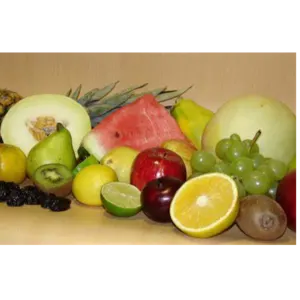
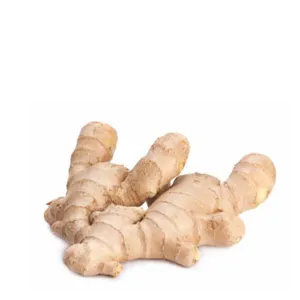
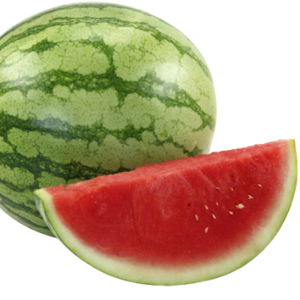
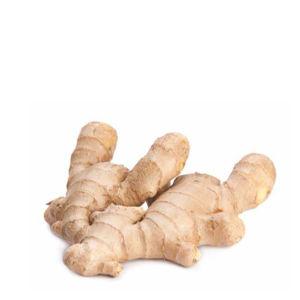
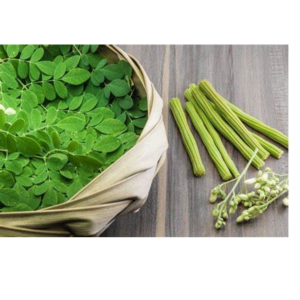
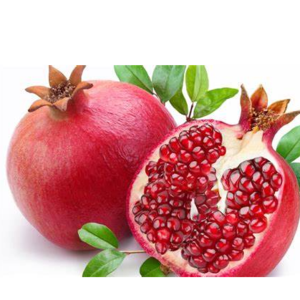
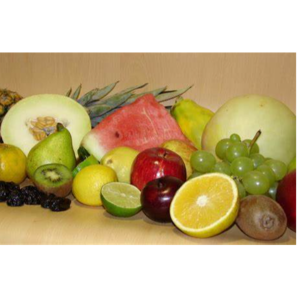
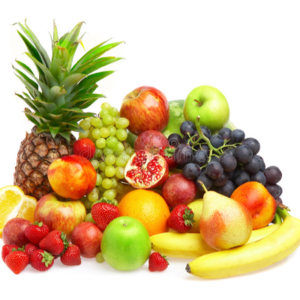
India, specifically Bardhaman in West Bengal, hosts SEALINE OVERSEAS which currently lists ten active products in its catalogue. The supplier’s portfolio spans fresh ginger, fresh moringa and drumstick, pomegranate, a mixed fruit line covering apples, bananas, oranges, mangoes and grapes, castor seed oil, pulses, mango, grapes, drumstick and watermelon. Each product is identified with its corresponding HS‑code family, for example fresh ginger under HS 0910.11 and mango under HS 0804.50. The catalogue also includes a seed oil classified under HS 1515.29 and a pulses entry recorded with HS 8545.20 despite the material description referring to steel electrodes, as listed in the supplier data.
The product set reflects typical Indian agricultural exports, focusing on fresh horticultural produce and a few processed oils. All items are presented as fresh or raw agricultural commodities, with material descriptors such as Zingiber officinale for ginger and Punica granatum for pomegranate. The supplier’s active count of ten products aligns with the listed catalogue entries, providing a concise view of its exportable range.
Product Range and Specialties of SEALINE OVERSEAS
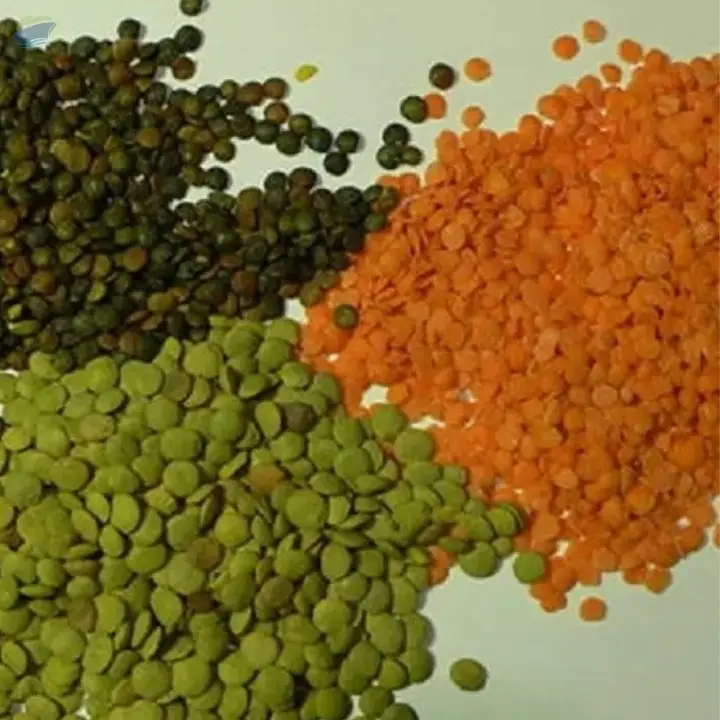
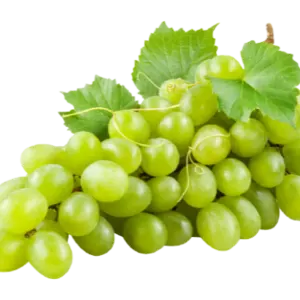
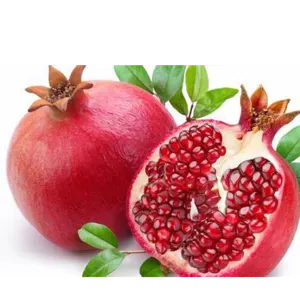
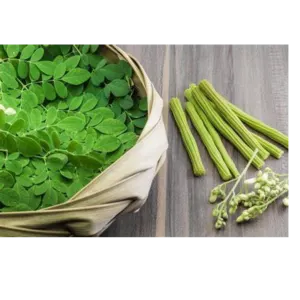
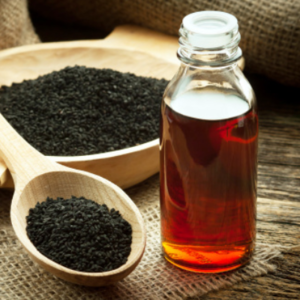
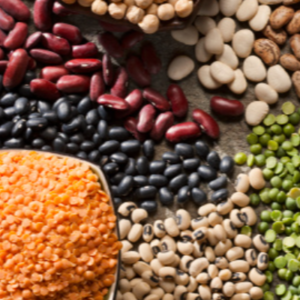
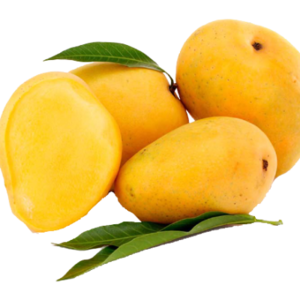
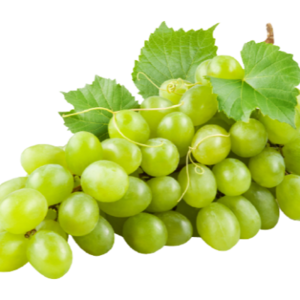
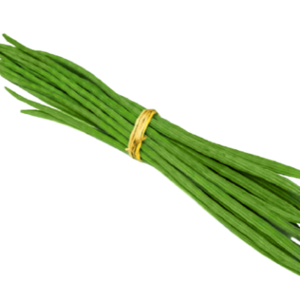
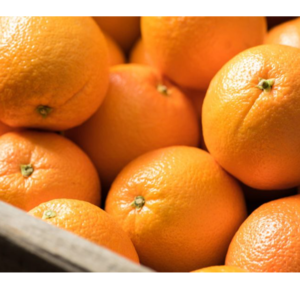
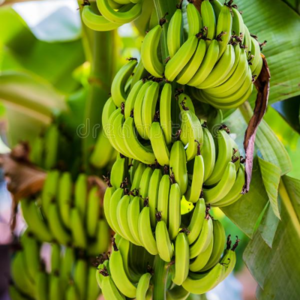
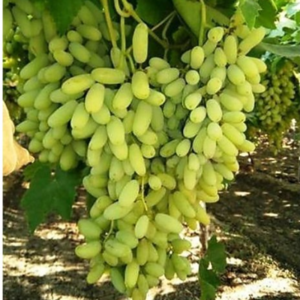
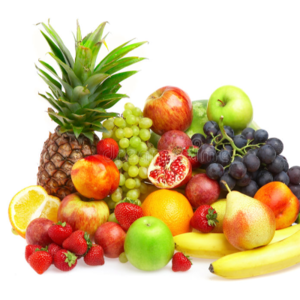
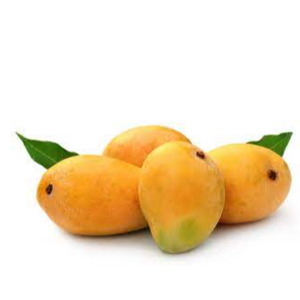
The catalogue offers fresh ginger (HS 0910.11), fresh moringa leaves and drumstick pods (HS 0704.90), pomegranate (HS 0810.90), a mixed fruit assortment (HS 0808.10), castor seed oil (HS 1515.29), pulses (HS 8545.20), mango (HS 0804.50), grapes (HS 0806.10), drumstick pods (HS 0709.90) and watermelon (HS 0807.11). In the global market, fresh ginger is commonly graded by size (e.g., grade A > 6 cm) and moisture content below 12 %. Mangoes are usually classified by Brix level (minimum 12 % soluble solids) and skin colour, while pomegranate grading relies on aril colour and seed hardness. Watermelon and grapes are exported in bulk cartons meeting EU phytosanitary standards, and castor seed oil is typically refined to a free‑fat content of 95 % or higher. Pulses, when exported as raw beans, are graded by size (e.g., 14 mm + ) and moisture under 13 %.
Trade and Export Information - SEALINE OVERSEAS
India is a major exporter of fresh fruits, vegetables and edible oils, with major destination markets in the Middle East, Europe and North America. HS chapters 08 (fresh fruit and veg) and 09 (spices and aromatic plants) dominate container shipments, while HS 15 covers vegetable oils such as castor seed oil. Buyers usually require a phytosanitary certificate, a certificate of origin and compliance with the importing country’s pesticide residue limits (e.g., EU maximum residue levels). Common certifications requested for Indian horticultural exports include ISO 22000 food safety, FSSAI registration and, where applicable, organic certification under NOP or EU standards. Export logistics typically use 20‑ft or 40‑ft refrigerated containers (reefer) for perishable items, with Incoterms FOB or CIF prevailing in contracts.
Sourcing from SEALINE OVERSEAS - Buyer Guidance
When sourcing from SEALINE OVERSEAS, buyers should request a recent phytosanitary certificate and the supplier’s test reports for pesticide residues, moisture content and any microbial analysis relevant to fresh produce. For the seed oil, a specification sheet showing free‑fat content, iodine value and oxidative stability (e.g., peroxide value < 10 meq O₂/kg) is standard. Verify that the HS codes supplied match the intended product description and ask for a sample batch to assess size grading, Brix level for mangoes and colour/firmness for pomegranate before confirming larger orders.
Frequently Asked Questions About SEALINE OVERSEAS
What HS codes are used for the fresh produce listed by SEALINE OVERSEAS?
The supplier lists fresh ginger under HS 0910.11, fresh moringa and drumstick under HS 0704.90, pomegranate under HS 0810.90, mixed fruit under HS 0808.10, mango under HS 0804.50, grapes under HS 0806.10, drumstick pods under HS 0709.90 and watermelon under HS 0807.11. Castor seed oil is recorded under HS 1515.29 and pulses under HS 8545.20.
Which quality parameters are typically checked for fresh ginger shipments?
Buyers normally verify size (grade A > 6 cm), moisture content below 12 %, and the absence of visible mold or sprouting. Laboratory tests for residual pesticides and microbial load are also standard.
What documents should I request before placing an order for mangoes?
Request a phytosanitary certificate, a certificate of origin, recent pesticide residue test results, and a Brix report confirming soluble solids of at least 12 %. An ISO 22000 or FSSAI compliance statement is also common.
How is castor seed oil typically packaged for export?
The oil is usually shipped in food‑grade steel drums of 200 L or in bulk ISO tank containers, sealed to prevent oxidation. Documentation includes a specification sheet with free‑fat percentage, iodine value and peroxide number.
What are the typical lead times for fresh fruit shipments from India?
Lead times depend on seasonality but generally range from 2 weeks for pre‑packed cartons to 4 - 6 weeks for bulk shipments that require ripening and phytosanitary clearance.
Is there a minimum order quantity for the pulses product?
While the supplier does not publish a fixed MOQ, buyers normally arrange shipments in full 20‑ft containers (approximately 20 tonnes) to meet standard freight economics.
What certifications are commonly required for Indian fresh vegetable exports?
Importing parties often ask for ISO 22000 food‑safety certification, FSSAI registration and a phytosanitary certificate. Organic shipments additionally need an accredited organic certification such as NOP or EU organic.
How are watermelon and grapes typically packed for long‑distance transport?
Both are packed in ventilated cardboard boxes or reusable plastic crates with internal dividers to prevent bruising. The boxes are then placed in refrigerated containers set at 2 - 4 °C to preserve freshness during sea transit.




 Bardhaman, India








.jpg.png)