mai exporter private limited — Verified Suppliers
About mai exporter private limited - Basmati Rice Supplier in India
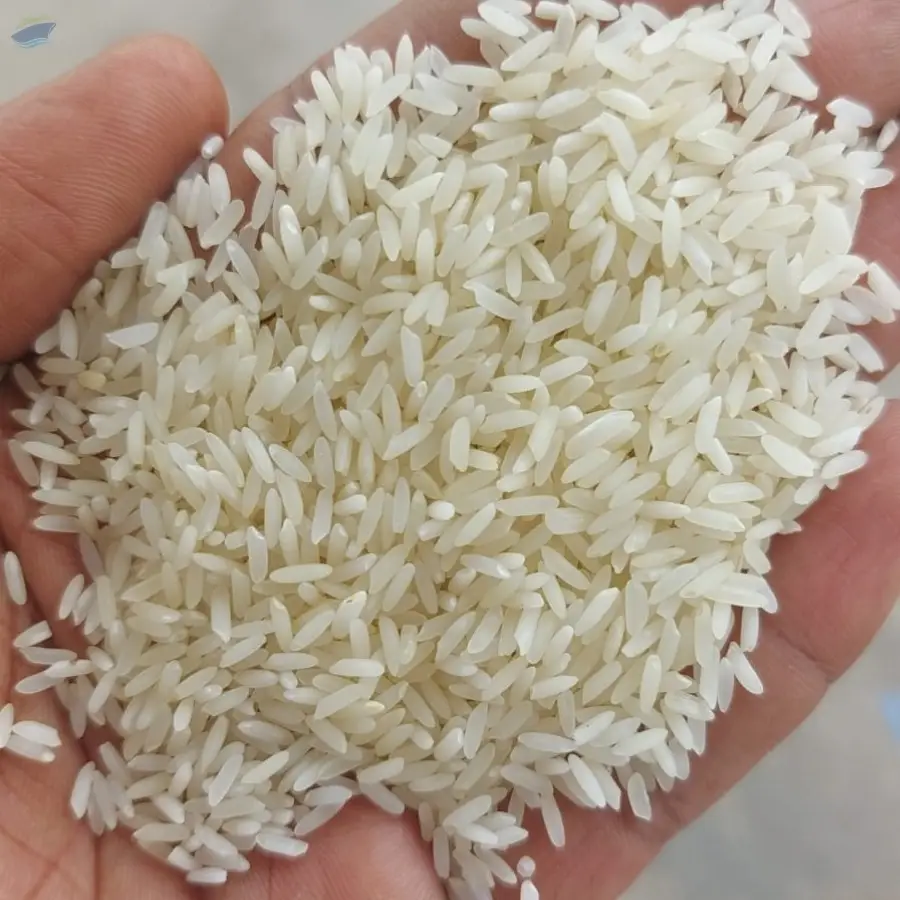
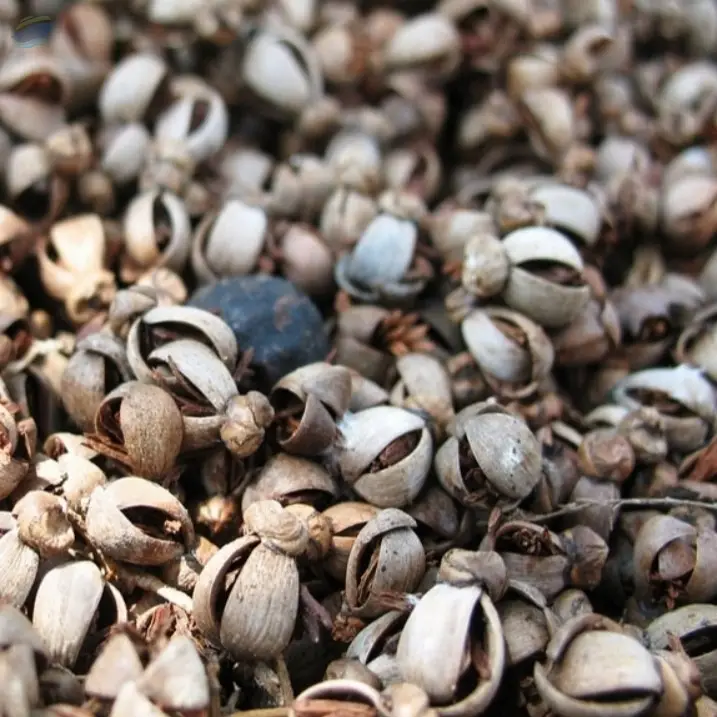
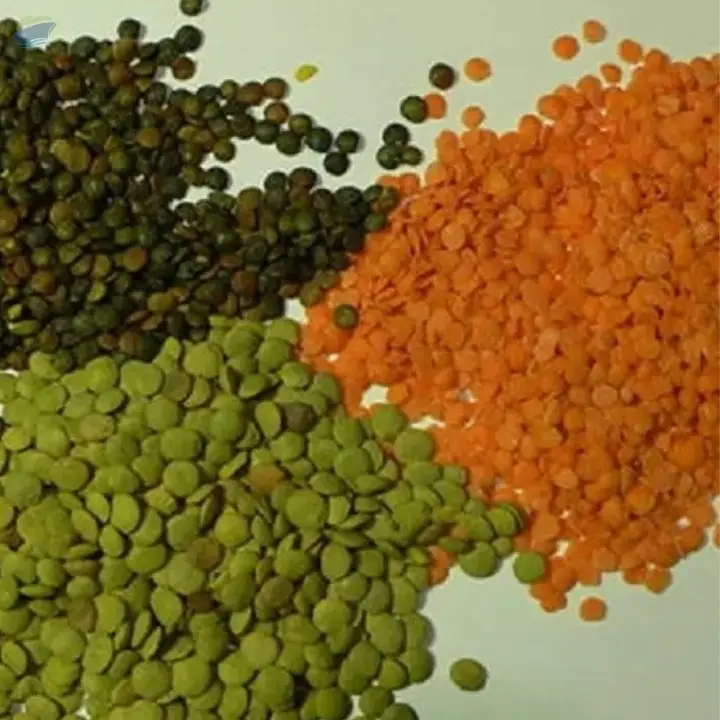
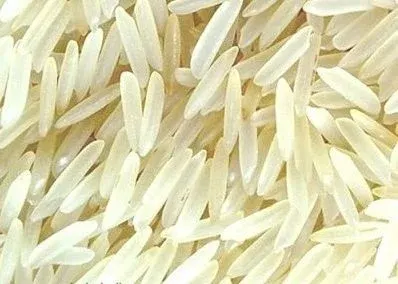
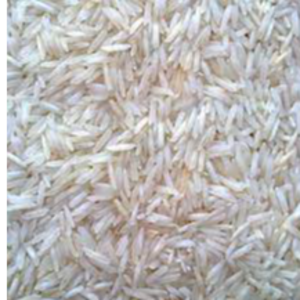
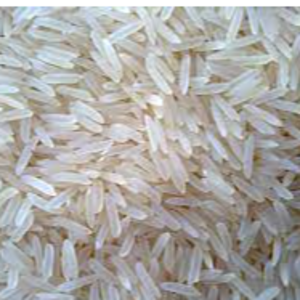
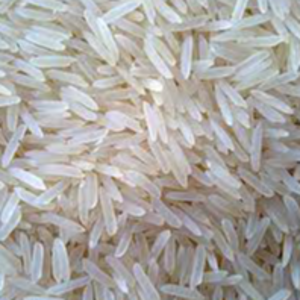
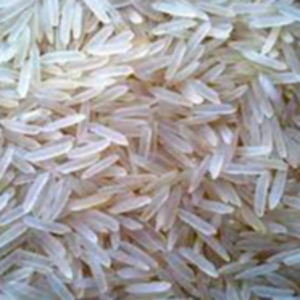
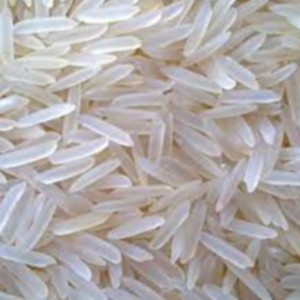
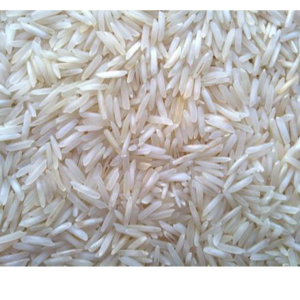
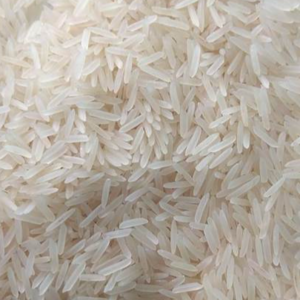
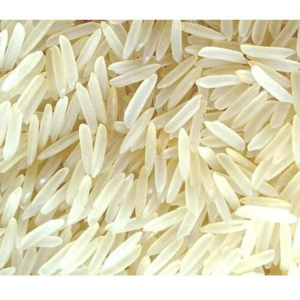
Mai Exporter Private Limited is based in Panchmahal, Gujarat, India and maintains an active catalogue of six products. The catalogue includes Basmati rice (HS 1006.30, milled long‑grain Oryza sativa), marbles (HS 2517.49, natural calcium carbonate stone), Fox nut (HS 1208.10, dried Euryale ferox seeds), pomegranate (HS 0810.90, fresh Punica granatum fruit), vegetables listed under HS 0713.10 (material recorded as dried split peas, Pisum sativum), and plastic carry bags (HS 3923.21, HDPE/LDPE). Each product is identified by its specific HS code family, enabling clear customs classification. The supplier highlights both food and non‑food items, reflecting a diversified export portfolio. All six items are presented as separate SKU lines in the supplier’s public profile.
Product Range and Specialties of mai exporter private limited
The food line comprises Basmati rice, Fox nut, pomegranate and dried split peas, while the non‑food line covers natural marble stone and HDPE/LDPE carry bags. In the rice segment, Indian exporters typically offer aroma‑graded Basmati (grade 1, 2 or 3) with moisture ≤12 %, broken grain ≤5 % and a minimum kernel length of 6 mm; Fox nuts are usually sorted to 6‑8 mm size, moisture ≤12 % and free of husk; pomegranates are graded by size (≥250 g per fruit), color and soluble solids (≈13‑15 % Brix); dried peas are classified by size (≥15 mm) and moisture ≤12 %. Marble exports are sorted by grade (A‑C) based on veining and CaCO₃ purity (>99 % for grade A). Plastic carry bags are supplied in standard thicknesses of 30‑50 µm, with typical bag weights of 10‑20 g m⁻² and are recyclable under Indian plastic waste guidelines.
Trade and Export Information - mai exporter private limited
India is a major exporter of Basmati rice to the Middle East, South Asia and Europe, using HS 1006.30 for customs clearance; buyers often require a phytosanitary certificate and, for organic claims, an NOP or India‑based organic certification. Fox nuts (HS 1208.10) are shipped mainly to the United States, Europe and GCC markets, where HACCP or FSSC 22000 compliance is frequently requested. Pomegranates (HS 0810.90) are exported in refrigerated containers to EU and North‑American markets, with mandatory pesticide residue testing and a minimum post‑harvest shelf life of 10 days. Dried split peas (HS 0713.10) follow standard grain export procedures, including moisture analysis and fumigation certificates. Marble stone (HS 2517.49) is commonly sent to construction and decorative markets in the EU and China, with CE marking or equivalent quality certificates often required. Plastic bags (HS 3923.21) are exported in bulk rolls or bulk bags, and buyers usually request proof of compliance with REACH and ISO 9001 for material safety.
Sourcing from mai exporter private limited - Buyer Guidance
When sourcing Basmati rice from this supplier, request a recent laboratory report showing moisture content, broken grain percentage and aroma index, and verify the presence of a phytosanitary certificate. For Fox nuts, ask for size distribution data, moisture analysis and a pesticide residue test report, as well as any organic certification if the claim is made. Pomegranate purchases should be accompanied by a post‑harvest handling report, temperature‑controlled packing details and a certificate of origin. Dried split peas require a moisture test, aflatoxin screening and a clean‑grain declaration. Marble orders should include a material safety data sheet, CaCO₃ purity assay and a visual grade certificate. Plastic carry bags need a declaration of polymer type, thickness specification and compliance documentation such as REACH or ISO 9001. In all cases, confirm the HS code used on the commercial invoice matches the product description and request a sample before confirming bulk quantities.
Frequently Asked Questions About mai exporter private limited
What HS codes does mai exporter private limited use for its main products?
The supplier lists Basmati rice under HS 1006.30, marbles under HS 2517.49, Fox nut under HS 1208.10, fresh pomegranate under HS 0810.90, dried split peas under HS 0713.10 and plastic carry bags under HS 3923.21.
Can I obtain a phytosanitary certificate for the rice and pomegranate shipments?
Yes, Indian exporters typically issue a phytosanitary certificate for agricultural products such as Basmati rice and fresh pomegranate; buyers should request this document during order confirmation.
What quality parameters should I check for Fox nut imports?
Buyers normally verify size (6‑8 mm), moisture content (≤12 %), absence of husk and a pesticide residue test; a recent laboratory analysis sheet should be provided.
Are the marble stones supplied with any purity certification?
Marble exports are usually accompanied by a material safety data sheet that states CaCO₃ purity (often >99 % for grade A) and a visual grade certificate; request these documents before finalizing the order.
What packaging is used for Basmati rice shipments?
Basmati rice is commonly packed in 25 kg jute or polypropylene bags, stacked in 20‑ft containers; the supplier should confirm bag type, weight and container loading plan.
Which certifications are commonly required for the plastic carry bags?
Buyers often ask for REACH compliance, a declaration of polymer type (HDPE or LDPE), thickness specification and ISO 9001 quality management certification; request these certificates if they are not already supplied.
What are typical minimum order quantities for the listed products?
Typical MOQs are 5 metric tons for Basmati rice, 2 metric tons for Fox nut, 3 metric tons for pomegranate, 2 metric tons for dried split peas, 10 metric tons for marble stone and 1 metric ton for plastic carry bags, but exact figures should be confirmed with the supplier.
What lead times can I expect for a mixed order of these six products?
Lead times vary by product: rice and dried peas usually require 30‑45 days, Fox nut and pomegranate 25‑35 days, marble stone 35‑50 days and plastic bags 20‑30 days; the supplier can provide a consolidated schedule once the order mix is finalized.




 Panchmahal, India




.jpg.png)