Agriculture›
 Apparel and fashion accessories›
 Construction & real estate›💡Electronic & Electrical›🍎Food & Beverages›🛋️Home furnishing & supplies›⚗️Industrial goods & chemical›🪨Minerals & metals›📦Miscellaneous›Agriculture›Apparel and fashion accessories›Construction & real estate›💡Electronic & Electrical›🍎Food & Beverages›🛋️Home furnishing & supplies›⚗️Industrial goods & chemical›🪨Minerals & metals›📦Miscellaneous›
Madhav International Product Catalog


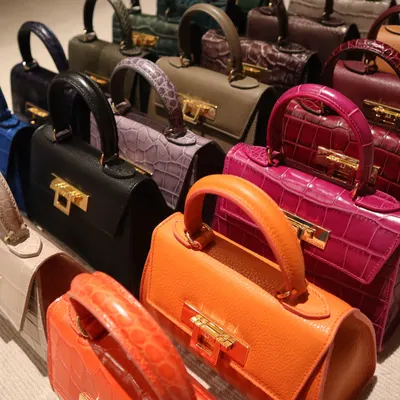
About Madhav International - Leather Bags Supplier in India
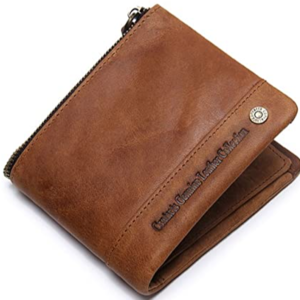
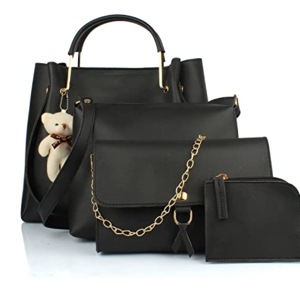
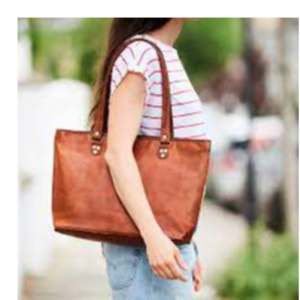
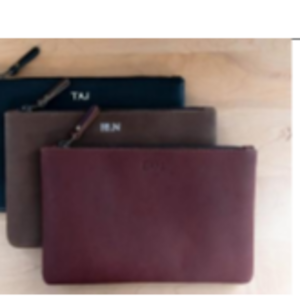
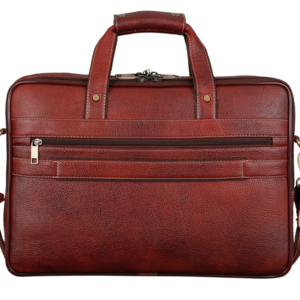
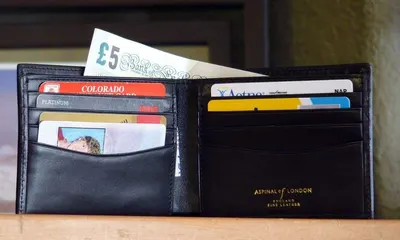
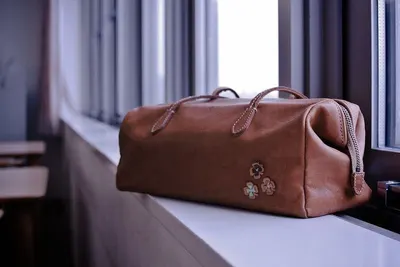
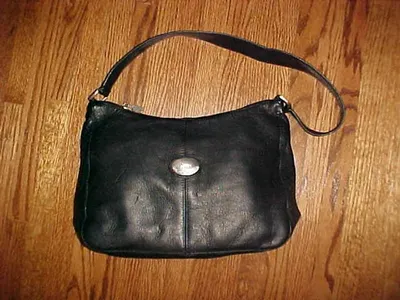
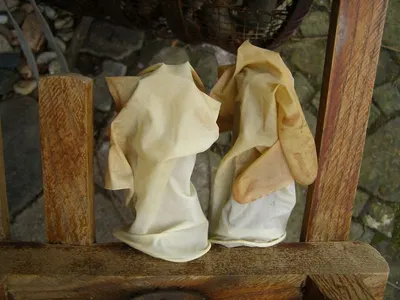
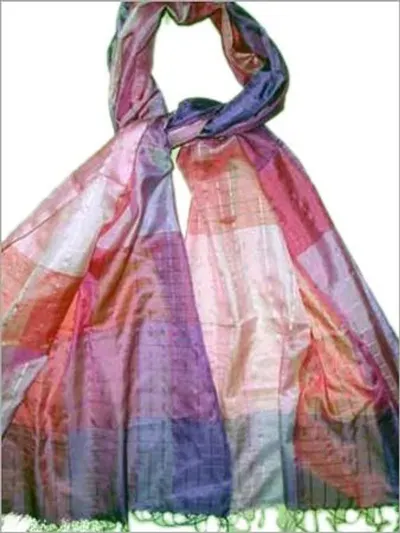
Madhav International is based in India and currently lists 36 active products in its catalogue. The offering spans leather accessories, textile garments and a small line of electrical cables. Product types include a leather credit‑card holder in soft lamb leather, leather waist bags, leather shoulder‑strap bags, leather tote bags, high‑quality men’s leather wallets, leather backpacks, leather gloves and animal‑shaped stuffed toys. The supplier also provides woven and knitted apparel such as cotton pareos, silk and polyester scarves, pashmina and cashmere shawls, as well as polyester sarongs and bandanas. In addition, a generic “Cables” entry is present, indicating activity in the wire and cable segment.
The leather items are normally classified under HS chapter 42 (leather articles), while woven fabrics like silk scarves and cotton pareos fall under HS chapters 61 (knitted or crocheted) and 62 (woven garments). Textile shawls and scarves made from wool or cashmere are also recorded in chapters 61/62, and synthetic polyester items may appear under chapter 39 when combined with plastic components. Electrical cables are typically reported under HS chapter 39 as plastic or rubber insulated conductors. Indian exporters of leather and textiles commonly provide REACH compliance statements, leather‑grade certificates and, where applicable, ISO 9001 quality system documentation. Export shipments are usually packed in double‑wall cartons or wooden pallets suitable for 20‑ft and 40‑ft containers.
Product Range and Specialties of Madhav International
The catalogue lists specific products such as leather credit‑card holders, waist bags, shoulder‑strap bags, tote bags, men’s wallets, backpacks, gloves, and decorative animal‑shaped stuffed toys. Textile entries include cotton pareos, silk pareos, polyester sarongs, printed cotton scarves, polyester scarves, silk scarves, pashmina and cashmere shawls, as well as bandanas and Islamic Arafat scarves. A single entry for generic “Cables” is also present. Each leather product is typically produced from full‑grain or top‑grain leather, with thickness ranging from 1.0 mm to 2.5 mm and finishing treatments such as vegetable tanning or chrome tanning. Textile items are commonly woven or knitted with GSM values between 120 g/m² (light scarves) and 300 g/m² (heavy shawls), and pashmina shawls often meet an ICUMSA‑like brightness standard for natural fibers.
Industry standards for these categories include ISO 9001 for overall quality management, ISO 14001 for environmental compliance, and specific product certifications such as Oeko‑Tex Standard 100 for garments and IEC 60332 for cables. Leather exporters frequently obtain Leather Working Group (LWG) scores, while textile exporters may provide test reports on colour fastness to washing, rub and light. Typical packaging for leather bags is individual poly‑bagging inside a corrugated box, whereas scarves and shawls are folded and packed in poly‑bagged cartons of 20 - 30 units per box. Cables are generally wound on wooden spools, placed in moisture‑resistant bags and loaded on pallets for container shipment.
Frequently Asked Questions About Madhav International
What product categories does Madhav International list in its catalogue?
The supplier lists leather accessories (credit‑card holders, wallets, bags, gloves, backpacks), textile garments (cotton, silk and polyester scarves, pareos, sarongs, pashmina and cashmere shawls, bandanas), a line of animal‑shaped stuffed toys and a generic entry for electrical cables.
How many distinct products are currently active on Madhav International’s platform?
The platform shows 36 active product entries, covering the categories mentioned above.
Which HS‑code chapters are most relevant for the supplier’s offerings?
Leather bags and wallets fall under HS chapter 42, textile scarves and shawls under chapters 61 and 62, and the cables under chapter 39.
What documentation should a buyer request for leather goods?
Buyers should ask for a leather‑grade certificate, details of the tanning method, REACH compliance statement and, if available, an LWG audit report.
What quality tests are typical for the textile items in the catalogue?
Typical tests include fibre‑content analysis, GSM measurement, colour‑fastness to washing, rubbing and light, and an Oeko‑Tex Standard 100 certification for harmful substances.
 India
Related Suppliers & Products
Explore similar suppliers, related products and trending categories