Fresh Farm Agro — Verified Manufacturer & Wholesale Supplier
About Fresh Farm Agro - Fruit and Vegetable Supplier in India
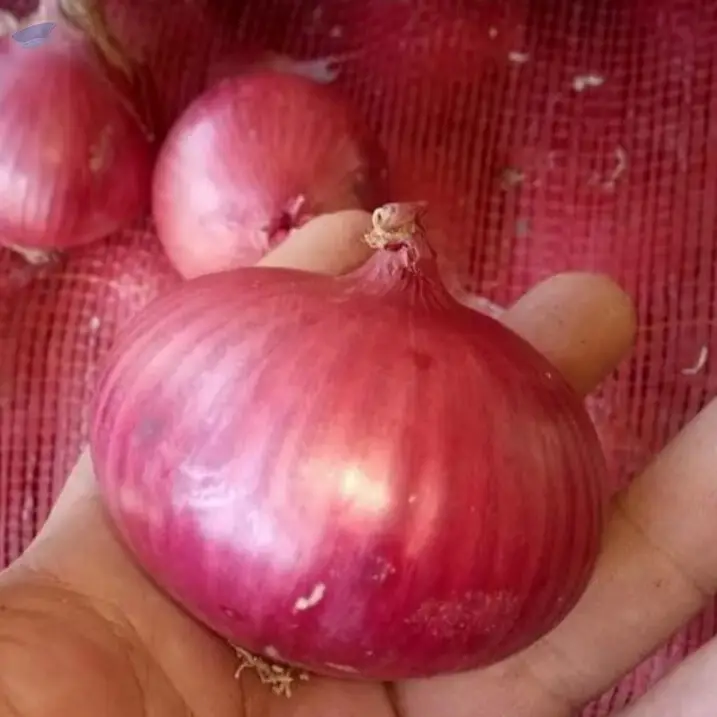
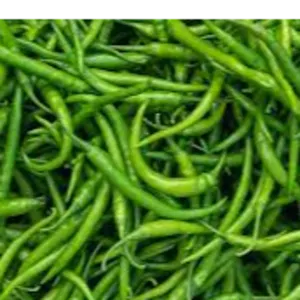
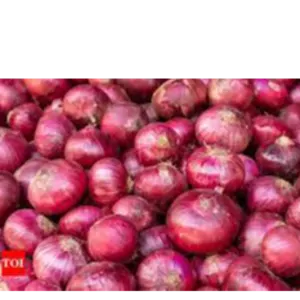
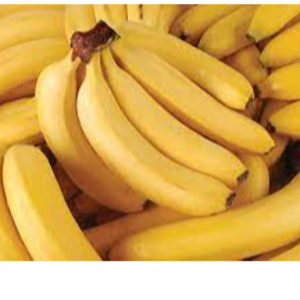
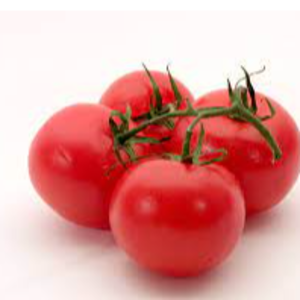
India, Thane, Maharashtra hosts Fresh Farm Agro, which currently lists seven active products in its catalogue. The catalogue includes Red Onion (medium size), Green Chilli G4, Green Cabbage, A Grade Bhagwa Pomegranate (HS 0810.90, fresh whole fruit), Thai Ginger, Tomato (HS 0702.00, fresh Solanum lycopersicum), and G9 Cavendish Banana (HS 0803.90, fresh Cavendish banana fruit). The supplier is classified under the organic tier and operates within the fruit and vegetable segment. Products are recorded under HS chapters 07, 08 and 08.90, reflecting fresh produce classifications. The listing reflects the company's focus on fresh horticultural commodities.
Product Range and Specialties of Fresh Farm Agro
The active catalogue shows Red Onion, Green Chilli G4, Green Cabbage, A‑grade Bhagwa Pomegranate (HS 0810.90), Thai Ginger, Tomato (HS 0702.00) and G9 Cavendish Banana (HS 0803.90). In the fresh produce market bananas are typically graded A‑B based on length (14‑20 cm) and bunch weight (10‑12 kg), while onions are sorted by size (30‑45 mm) and moisture below 10 %. Pomegranates under HS 0810.90 are usually graded A when they weigh 200‑300 g per fruit and have uniform colour and skin integrity. Tomatoes for export are commonly harvested at 70‑80 % maturity, packed in ventilated corrugated boxes with internal trays, and shipped in refrigerated containers to preserve firmness. Ginger exported from India is often required to have a moisture content below 12 % and a firm, fibrous root texture, and green chillies are graded by length (10‑20 mm) and uniform colour. These industry standards align with the products listed in Fresh Farm Agro’s catalogue.
Trade and Export Information - Fresh Farm Agro
Indian fresh fruit and vegetable exporters typically supply GCC states, the EU, the United States and Southeast Asian markets. HS 0803.90 for bananas and HS 0702.00 for tomatoes are among the most traded codes for Indian horticulture, and customs authorities often require a phytosanitary certificate, a certificate of origin and, where applicable, GlobalGAP or organic certification. Shipments are usually loaded in 20 ft or 40 ft containers; bananas often travel in refrigerated (reefed) containers to maintain temperatures of 13‑14 °C, while onions, tomatoes and pomegranates are packed in ventilated wooden crates or mesh bags within standard containers. Indian exporters commonly work with Indian Ports such as Mumbai and Nhava Sheva, which provide cold‑chain facilities and streamline export documentation for these HS code families.
Sourcing from Fresh Farm Agro - Buyer Guidance
Buyers should request a current phytosanitary certificate issued by the Indian plant quarantine authority and verify any organic or GlobalGAP certifications claimed by Fresh Farm Agro. For quality assurance, request laboratory test reports for pesticide residues, moisture content and, where relevant, Brix levels for fruit. Before placing a large order, ask for a physical sample of the specific variety (e.g., G9 Cavendish banana) to assess size, colour and firmness, and confirm packaging specifications such as crate dimensions or bag weight to ensure compatibility with the buyer’s logistics chain.
Frequently Asked Questions About Fresh Farm Agro
Which HS codes apply to Fresh Farm Agro’s banana and pomegranate exports?
Bananas are classified under HS 0803.90 (fresh Cavendish banana fruit) and pomegranates under HS 0810.90 (fresh whole pomegranate fruit). These codes are used for customs clearance in most importing countries.
What certifications are commonly required for Indian fresh fruit shipments?
Importers usually request GlobalGAP compliance, an organic certification if claimed, a phytosanitary certificate issued by the Indian plant quarantine authority, and a certificate of origin. Buyers should verify that these documents accompany the shipment.
What is the typical packaging for fresh onions and tomatoes?
Fresh onions are often packed in 5‑10 kg mesh bags or in wooden crates, while tomatoes are placed in ventilated corrugated boxes with internal trays. Both are loaded into 20 ft containers, with tomatoes frequently shipped in temperature‑controlled containers to preserve quality.
What are the usual minimum order quantities for bananas and pomegranates?
Exporters often set a minimum of one 20 ft container (approximately 10‑12 metric tons) for bananas and 1‑2 metric tons for pomegranates, depending on seasonal availability and buyer specifications.
Which quality parameters are inspected for fresh ginger and green chilli?
Buyers typically check ginger for root firmness and moisture content below 12 %, and green chilli for uniform colour, length of 10‑20 mm and consistent Scoville heat units. Laboratory testing for pesticide residues is also standard for both commodities.
How long does it take to prepare a shipment from Thane to the Middle East?
Lead times generally range from 30 to 45 days, covering harvesting, pre‑cooling, phytosanitary inspection, container loading and ocean transit to Gulf ports. Timelines may vary with seasonal production peaks.
What documentation should be requested for a fresh produce order?
In addition to the phytosanitary certificate, request a certificate of origin, any organic or GlobalGAP certification, and a lab test report confirming pesticide residue limits and moisture content. These documents support customs clearance and quality verification.
Are there specific container requirements for bananas versus other produce?
Bananas are usually shipped in refrigerated (reefed) containers maintained at 13‑14 °C to slow ripening, while items such as onions, pomegranates and cabbage can be transported in standard ventilated containers without temperature control. Proper ventilation and stacking guidelines help prevent bruising and spoilage.




 Thane, India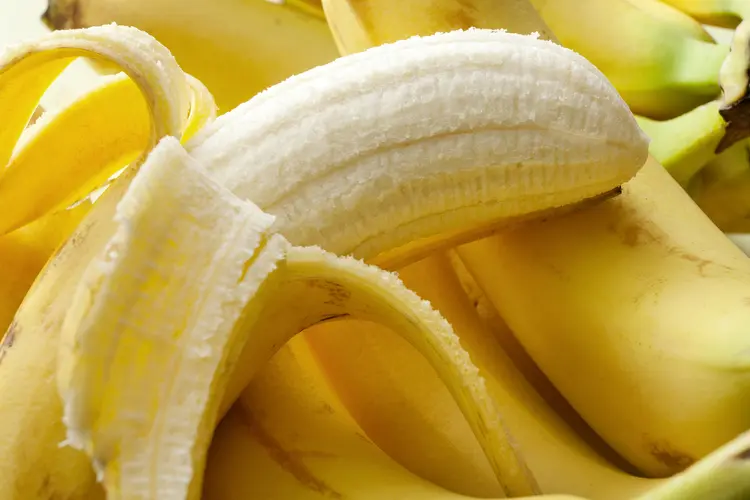



.jpg.png)