MANOJ EXPORTS — Verified Trader & Wholesale Supplier
About MANOJ EXPORTS - Seafood Supplier in India
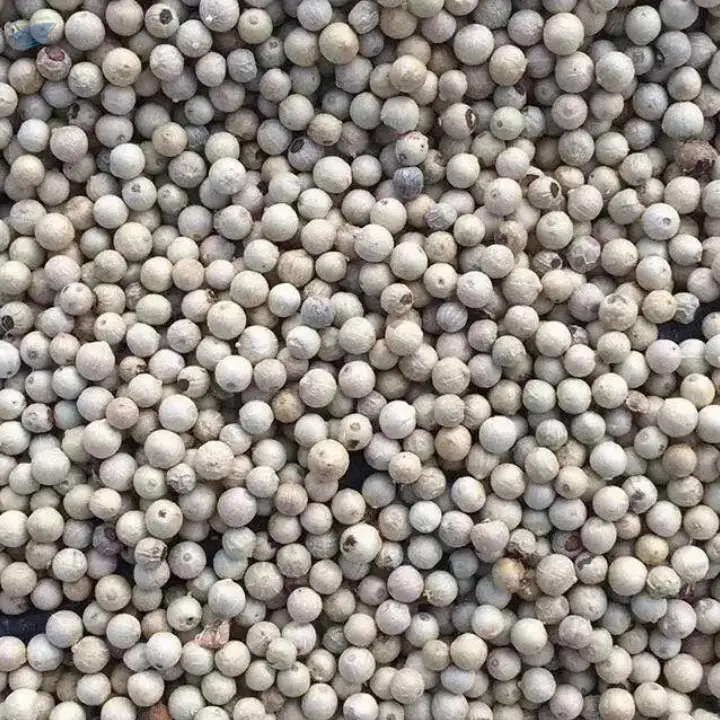
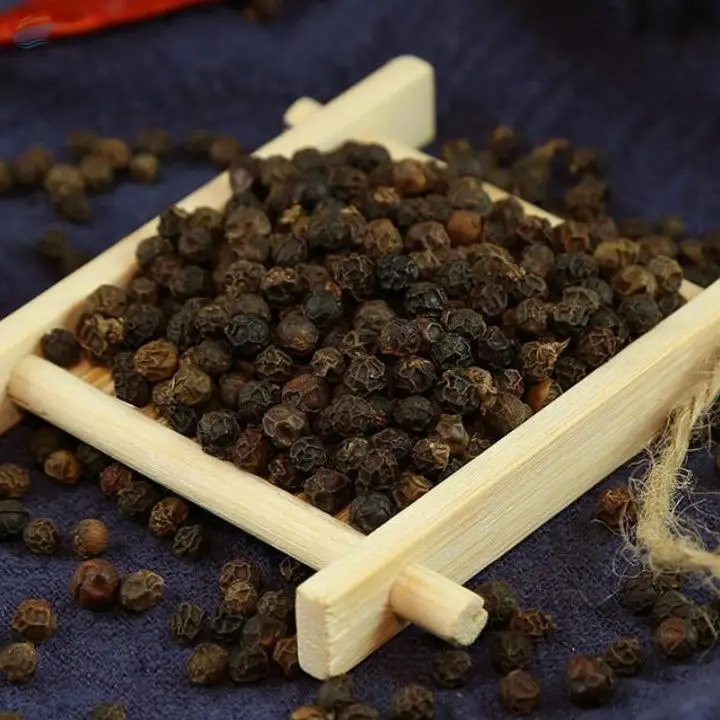
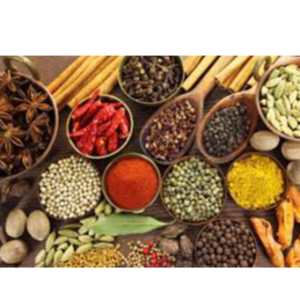
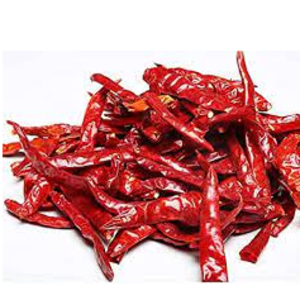
MANOJ EXPORTS is based in Prakasam, Andhra pradesh, India and currently lists five active product lines in its catalogue. The catalogue includes dehydrated marine fish (HS 0305.51), fresh whole fruits (HS 0808.10), red dry chillies (HS 0904.21), natural spice seeds such as cumin and coriander (HS 0909.21) and a pulses entry with HS 8311.10. Each entry specifies a material description that matches the HS‑code family, for example the fish entry is described as dehydrated marine fish of multiple species. The supplier’s top‑category list also mentions pepper, various fresh carp, salmon and trout, and broader seafood groups, confirming a focus on aquatic products alongside horticultural items.
The product set reflects typical Indian agro‑food export segments. Dehydrated fish are usually shipped in vacuum‑packed bags ranging from 10 kg to 25 kg, with moisture content often below 12 %. Fresh whole fruits are packed in cartons with controlled atmosphere to preserve shelf life, while red dry chillies are graded by colour intensity and cap size. Spice seeds are commonly classified by seed size, oil content and microbial limits, and pulses are evaluated for size uniformity and moisture. All items fall under HS chapters 03, 08, 09 and 83 respectively, which are standard classification groups used by customs worldwide.
Product Range and Specialties of MANOJ EXPORTS
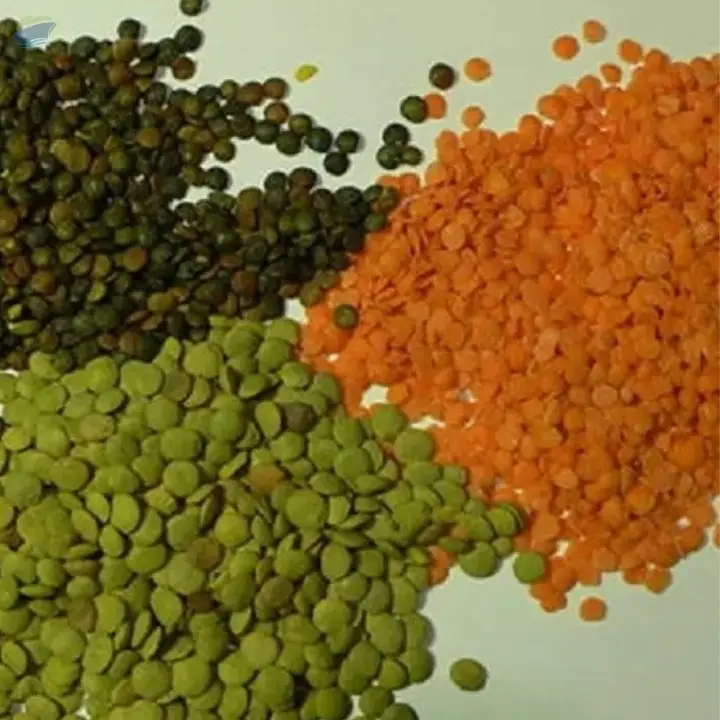
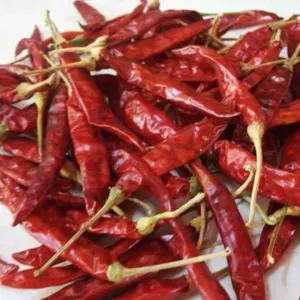
The catalogue shows five distinct product families: dehydrated marine fish, fresh whole fruits, red dry chillies, natural spice seeds and a pulses entry. In the global market, dehydrated fish are typically graded by moisture (≤12 %), protein content (≥70 %) and rehydration ratio, and buyers often request a Certificate of Analysis confirming these parameters. Fresh fruits from India are usually harvested at peak ripeness, sorted into size grades, and exported in 20‑ft containers with a typical load of 12 tons, complying with phytosanitary standards. Red dry chillies are sorted by colour grade (e.g., “Super Hot” or “Mild”) and cap length, with common quality limits of ≤0.5 % foreign matter and aflatoxin below 10 µg/kg. Spice seeds such as cumin and coriander are evaluated for oil content (≈45 % for cumin) and microbial limits (≤10⁴ CFU/g total plate count). Pulses, although listed with HS 8311.10 (a steel code), are generally assessed for size (mm), moisture (<12 %) and absence of foreign seeds.
Trade and Export Information - MANOJ EXPORTS
India is a major exporter of seafood, fruits, chillies and spices, with the European Union, United States, Middle East and Southeast Asian markets accounting for the bulk of shipments. HS 0305 covers frozen fish fillets and other fish meat, and exporters frequently need HACCP or BRC certification to satisfy EU and US import requirements. Fresh fruits under HS 0808 are subject to phytosanitary certificates and may require compliance with EU pesticide residue limits (maximum residue limits, MRLs). Red dry chillies (HS 0904) and spice seeds (HS 0909) are usually inspected for aflatoxins and pesticide residues, and buyers often request ISO 22000 or FSSC 22000 compliance. The generic pulses entry (HS 8311) falls outside typical agro‑food codes, so buyers should verify the correct HS classification before ordering. Standard export logistics involve container loading (20 ft or 40 ft), with common Incoterms such as CIF or FOB, and cargo is typically sealed and documented with a commercial invoice, packing list and certificate of origin.
Sourcing from MANOJ EXPORTS - Buyer Guidance
When sourcing from MANOJ EXPORTS, buyers should request a recent HACCP or BRC audit report for the dehydrated fish, and a phytosanitary certificate for the fresh fruit consignment. Test reports for moisture, protein content and microbial limits are standard for dried fish, while pesticide residue analysis (GC‑MS) and aflatoxin testing are expected for chillies and spice seeds. For any pulse shipment, confirm the correct HS code and request a specification sheet detailing size, moisture and any coating material, as the catalogue lists a steel core which may be a data entry error. Verify packaging details - vacuum‑sealed bags for fish, corrugated cartons for fruit, and multi‑wall paper bags for spices - and ensure the supplier can meet the buyer’s required container size and loading plan before finalising the order.
Frequently Asked Questions About MANOJ EXPORTS
What types of fish are listed in MANOJ EXPORTS' catalogue?
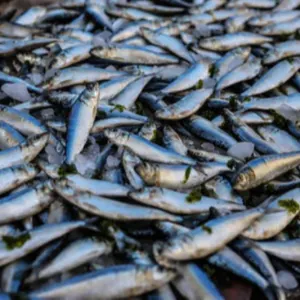
The catalogue lists dehydrated marine fish of multiple species under HS 0305.51, and the top‑category list also mentions fresh carp, salmon, trout and other fresh fishes.
Which HS codes apply to the fresh fruit offering?
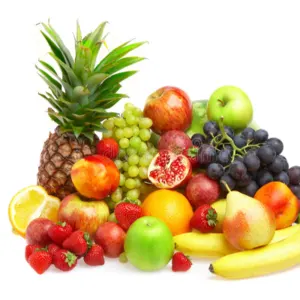
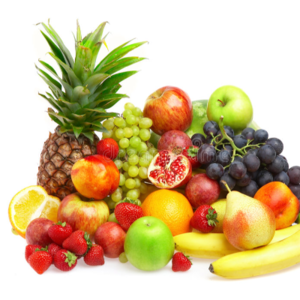
Fresh whole fruits are classified under HS 0808.10, covering a mix of pomaceous, musaceous, rutaceous, anacardiaceous and vitaceous families.
What quality parameters are typical for the red dry chillies?
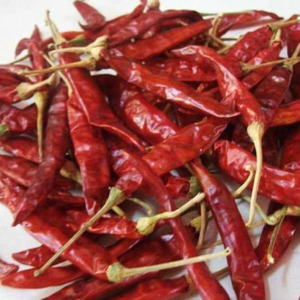
Buyers usually check colour grade, cap size, moisture content below 12 % and aflatoxin levels under 10 µg/kg, with a maximum of 0.5 % foreign matter.
Are any certifications required for the spice seeds?
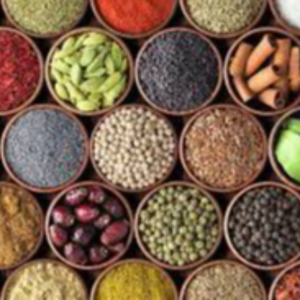
Importers commonly request HACCP, ISO 22000 or FSSC 22000 certification and a laboratory analysis for pesticide residues and microbial limits.
How is the pulses product described and what should be verified?
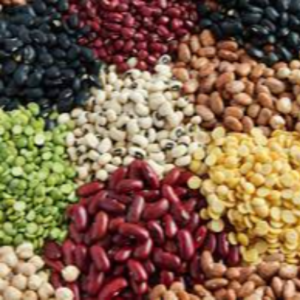
The catalogue lists pulses with HS 8311.10 and describes a mild‑steel core with flux coating; buyers should verify the correct HS classification, confirm that the product is indeed an edible pulse, and request size and moisture specifications.
What documentation is needed for exporting the fresh fruits?
A phytosanitary certificate, certificate of origin and a lab report confirming compliance with EU or US pesticide residue limits are standard requirements.
What packaging formats are used for the dehydrated fish?
Dehydrated fish are typically packed in vacuum‑sealed polyethylene bags of 10 kg to 25 kg, which are then placed in export‑grade cartons for container loading.
Which markets does India usually export these product categories to?
Indian exporters of seafood, fruits, chillies and spices primarily serve the European Union, United States, Middle East and Southeast Asian regions.





 Prakasam, India
.jpg.png)