Dynamic Micro Minerals LLP — Verified Supplier
About Dynamic Micro Minerals LLP - Industrial Minerals and Spice Powders Supplier in India
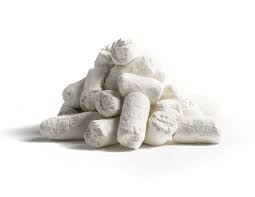
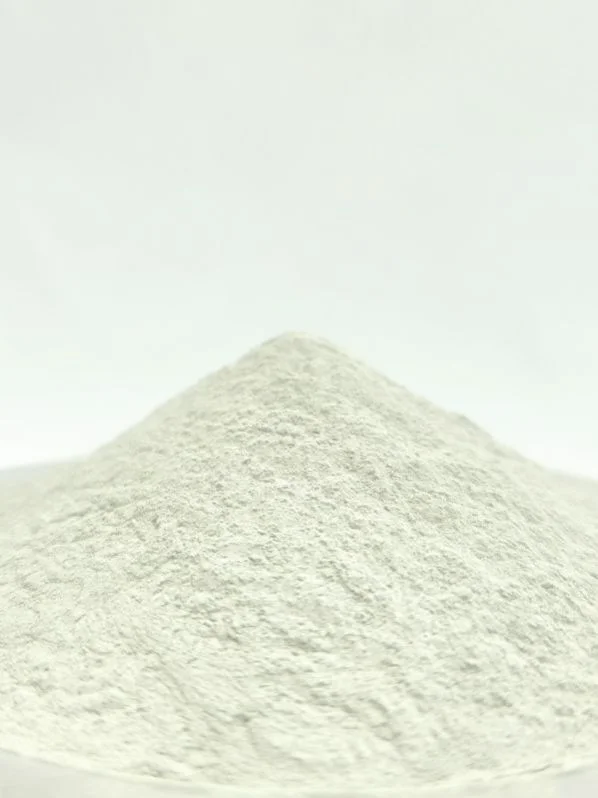
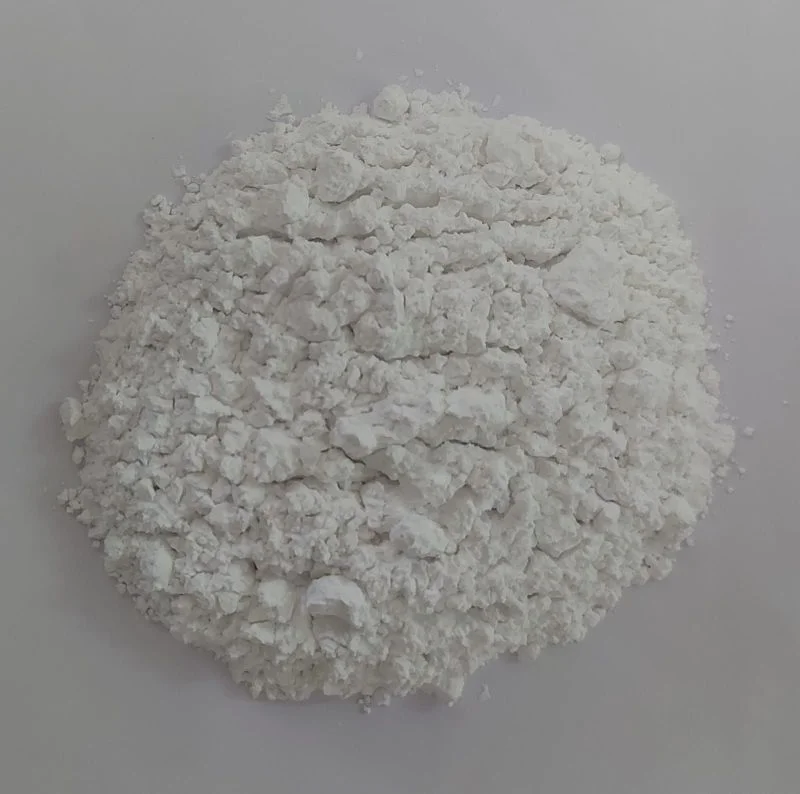
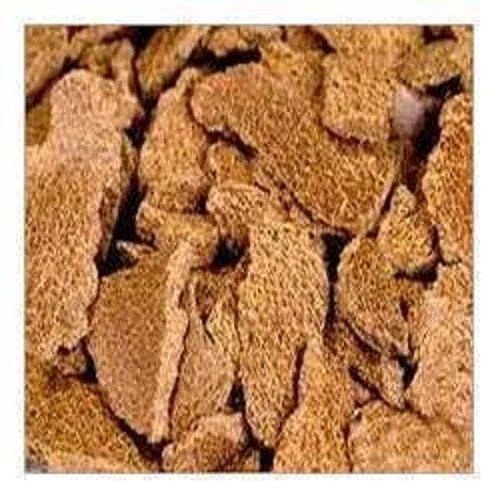
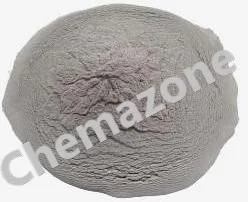
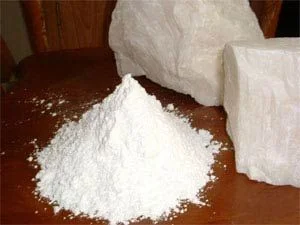
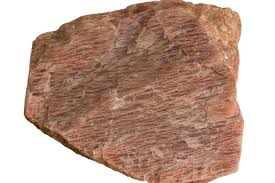
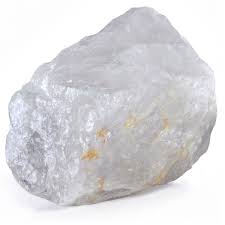
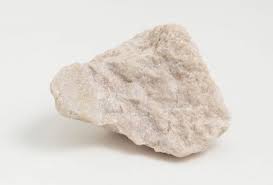
Dynamic Micro Minerals LLP is an India-based supplier operating from the Indian subcontinent with an active catalogue of 9 products spanning two distinct segments: industrial mineral clays and ground spice products. The mineral side of the catalogue covers kaolin and bentonite grades falling under HS code 2507.00 (kaolin and other kaolinic clays, whether or not calcined) and HS code 2508.10 (bentonite), while the spice side covers coriander seed and powder, cumin seed and powder, garlic powder and turmeric powder. The combination is unusual for a single supplier and reflects a multi-line Indian trading and processing operation that handles both inorganic mineral raw materials and organic agricultural spice powders. The mineral listings include Kaolin Clay Lumps and Calcined Kaolin Powder, both classified under HS 2507.00, with the calcined grade produced by thermal processing of natural kaolinite (Al2Si2O5(OH)4) to alter its Al2O3/SiO2 ratio and improve whiteness and reactivity. The Bentonite Powder listing is placed under HS 2508.10 and is described as natural sodium bentonite based on montmorillonite, the swelling clay grade most commonly used in industrial applications. On the spice side, the catalogue lists whole seeds (coriander and cumin) alongside their ground powder forms, plus garlic powder and turmeric powder, giving buyers a mix of raw and processed spice formats typical of Indian spice processors.
Product Range and Specialties of Dynamic Micro Minerals LLP
The catalogue splits cleanly into two families. The mineral family contains three SKUs: Kaolin Clay Lumps (HS 2507.00), Calcined Kaolin Powder (HS 2507.00) and Bentonite Powder (HS 2508.10). Kaolin grades traded internationally typically include crude/lump kaolin, water-washed kaolin, air-floated kaolin, calcined kaolin and metakaolin, with key parameters being Al2O3 content (commonly 18-40% depending on calcination), SiO2 content, whiteness/ISO brightness (typically 80-92% for industrial grades), particle size (D50 from 1-10 microns for paper, paint and rubber filler grades), residue on 325 mesh and moisture. Bentonite grades typically traded include natural sodium bentonite (high swelling, ~15-30 ml/2g swelling index), calcium bentonite (activated with soda ash to reach sodium-bentonite performance) and bentonite sized for specific uses such as foundry, drilling mud, iron ore pelletising, cat litter and civil engineering; relevant parameters include swelling index, methylene blue value (typically 200-400 meq/100g for high-grade sodium bentonite), moisture (target 8-12%), grit and free swelling volume. The spice family contains six SKUs: Coriander Seed, Coriander Powder, Cumin Seed, Cumin Powder, Garlic Powder and Turmeric Powder. Indian coriander seed is typically traded in two main size grades - whole dried coriander fruits of 2-4 mm diameter, with split/double-parachute and single-parachute size separations, and Eagle or Scooter machine-cleaned grades. Indian cumin seed is dominated by the Gujarat/Rajasthan origin, traded in machine-cleaned and sortex-cleaned grades with purity targets of 99% and 99.5%, moisture below 10%, and admixture below 1-2%. Ground spice powders in this segment are typically traded with parameters such as moisture below 10%, total ash, acid-insoluble ash, volatile oil content (coriander powder typically 0.3-1.2% v/w, cumin powder 2.5-4.5% v/w), curcumin content for turmeric powder (commonly 2-5% for standard grades and 5-7% for high-curcumin grades), and microbial limits aligned with ASTA, ESA or buyer-specific food safety specifications.
Trade and Export Information - Dynamic Micro Minerals LLP
The HS code families in this catalogue span Chapter 25 (mineral products: 2507.00 kaolinic clays and 2508.10 bentonite) and Chapter 9 (spices: 0909 coriander seeds, 0906 cinnamon-family spices, 0907 cloves, and 0910 turmeric, ginger and other spices), with garlic powder typically classified under 0712 (dried vegetables) or 0904 depending on the destination customs treatment. For the mineral side, India is a meaningful exporter of kaolin and bentonite, with shipments commonly moving to ceramic tile producers, paper and paint manufacturers, foundries and iron-ore pellet producers in the Middle East, Africa and parts of Southeast Asia; Indian bentonite is widely used in foundry sand and in drilling mud applications, and Indian calcined kaolin is used as a functional filler in paints, rubber and cables. For the spice side, India is the world's largest producer, consumer and exporter of coriander, cumin and turmeric, with typical destination markets for Indian spice powders and seeds being the United States, the European Union, the United Kingdom, the Gulf countries, South-East Asia, Japan and Australia. For the mineral SKUs, the certifications and documents buyers typically request include a mill test certificate or analysis report covering chemical composition (XRF), whiteness, particle size distribution and moisture, plus a material safety data sheet (MSDS) and, for food-contact or cosmetic kaolin, compliance statements on heavy metals. For the spice SKUs, buyers typically request a Certificate of Analysis covering moisture, ash, volatile oil, curcumin (for turmeric), particle size, foreign matter and microbial counts, together with documents commonly required for food-grade shipments such as a phytosanitary certificate, health certificate, non-GMO statement, allergen declaration, pesticide residue analysis aligned with EU MRLs or US FDA tolerances, and for shipments to the EU a compliance statement under Regulation (EC) No 1881/2006 for contaminants and Regulation (EU) 2015/2283 for novel food considerations where relevant. Packaging norms differ by segment: minerals are typically shipped in 25 kg, 40 kg, 50 kg or 1 MT jumbo PP bags, with 20 ft container loads of roughly 18-25 MT depending on bag size, while spices are typically shipped in 25 kg or 50 kg multi-wall kraft paper bags, corrugated cartons or food-grade PP bags with inner liners, palletised and containerised at 18-22 MT per 20 ft FCL. Common Incoterms for both segments out of India are FOB, CIF and CFR, with Mundra, Kandla, Nhava Sheva/JNPT and Chennai being the typical loading ports.
Sourcing from Dynamic Micro Minerals LLP - Buyer Guidance
Buyers sourcing from Dynamic Micro Minerals LLP should treat the two product families separately because the verification requirements are quite different. For the kaolin and bentonite items, the key documents to request are a current Certificate of Analysis with chemical composition (Al2O3, SiO2, Fe2O3, TiO2, LOI for kaolin; swelling index, methylene blue value, moisture, grit for bentonite), a particle size distribution report, and confirmation of the calcination status (since calcined kaolin under HS 2507.00 commands a different price band and end-use than hydrous kaolin). For the spice items, the key documents to request are ASTA or ESA cleanliness specifications, moisture, ash, volatile oil and curcumin values where applicable, pesticide residue panel results, microbial limits (total plate count, yeast and mould, E. coli, Salmonella), and a phytosanitary certificate for whole seeds. Specifying the target end-use (ceramics, paint, paper, rubber, foundry, pelletising, retail spice pack, food ingredient, oleoresin extraction) up front helps align grade selection, particularly for bentonite where foundry grade, drilling grade and pelletising grade have different swelling and moisture specifications. Before placing a recurring order, it is standard practice to obtain pre-shipment samples, run an independent laboratory check on the parameters listed above, and confirm packaging, palletisation and container loading pattern. Buyers should also confirm whether the supplier holds any third-party certifications relevant to the buyer's destination - for example, FSSC 22000, ISO 22000, BRCGS Food Safety, US FDA registration, Halal or Kosher for the spice side, and ISO 9001 plus product-specific test reports for the mineral side - and request copies of any such certificates directly rather than relying on verbal confirmation. Lead times, minimum order quantities and shipment documentation (commercial invoice, packing list, bill of lading, certificate of origin under a relevant trade agreement such as the India-UAE CEPA or India-Australia ECTA where applicable) should be agreed in writing before the first shipment.
Frequently Asked Questions About Dynamic Micro Minerals LLP
What product categories does Dynamic Micro Minerals LLP supply?
The supplier lists 9 active products across two categories: industrial mineral clays (Kaolin Clay Lumps, Calcined Kaolin Powder under HS 2507.00 and Bentonite Powder under HS 2508.10) and spice powders and seeds (Coriander Seed, Coriander Powder, Cumin Seed, Cumin Powder, Garlic Powder and Turmeric Powder).
Which HS codes apply to the mineral products in the catalogue?
Kaolin Clay Lumps and Calcined Kaolin Powder are both classified under HS 2507.00 (kaolin and other kaolinic clays, whether or not calcined). Bentonite Powder is classified under HS 2508.10 (bentonite).
What specifications should a buyer request for the kaolin and bentonite items?
For kaolin, request Al2O3 and SiO2 content, whiteness/ISO brightness, particle size distribution (D50), residue on 325 mesh and moisture. For bentonite, request swelling index, methylene blue value, moisture, grit content and confirmation of natural sodium versus calcium-activated grade.
What quality parameters are typical for the spice powders and seeds?
For cumin and coriander seeds, typical parameters are purity (99-99.5%), moisture below 10%, admixture below 1-2% and volatile oil content. For turmeric powder, curcumin content (commonly 2-5% for standard, 5-7% for high-curcumin grades), moisture, total ash, acid-insoluble ash and microbial limits are the usual specification points.
Which documents and certifications should a buyer ask for before ordering?
Buyers should request a Certificate of Analysis, pesticide residue report, microbial test report, phytosanitary certificate for whole seeds and health certificate for food-grade spice powders. For minerals, a mill test certificate, MSDS and particle size distribution report are the standard documents. Third-party food safety certifications such as FSSC 22000, BRCGS, ISO 22000, Halal or Kosher should be requested where the destination market requires them.
What is the typical packaging and container loading for these products?
Mineral clays are usually packed in 25-50 kg PP bags or 1 MT jumbo bags, loading roughly 18-25 MT per 20 ft FCL. Spice seeds and powders are typically packed in 25 kg or 50 kg multi-wall kraft paper bags or food-grade PP bags with inner liners, palletised and loaded at around 18-22 MT per 20 ft FCL. Specific packaging should be confirmed with the supplier.
What is the usual shipping route and Incoterm basis for Indian mineral and spice exports?
Shipments from India for both segments typically load from Mundra, Kandla, Nhava Sheva (JNPT) or Chennai on FOB, CIF or CFR terms. Common destination regions for Indian spices are the US, EU, UK, Gulf, South-East Asia, Japan and Australia, while Indian kaolin and bentonite are commonly shipped to ceramic, paint, paper, foundry and drilling industries in the Middle East, Africa and South-East Asia.
How can a buyer verify product quality before a full order?
The standard approach is to request pre-shipment samples, run an independent laboratory check on the parameters relevant to the buyer's end-use (chemical composition and whiteness for kaolin; swelling and methylene blue for bentonite; moisture, ash, volatile oil, curcumin and microbiology for spices), and confirm packaging, palletisation and container loading pattern before confirming the production lot.




 , India