DIVINE INTERNATIONAL — Verified Trader & Wholesale Supplier
About DIVINE INTERNATIONAL - Spices Supplier in India
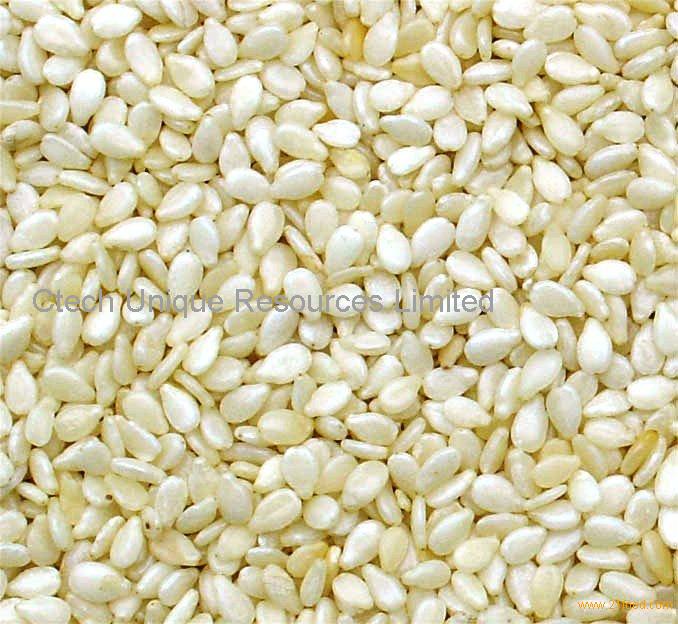
DIVINE INTERNATIONAL is located in Surat, Gujarat, India, and has an active product count of 58. The company lists a variety of products, including spices like cumin seeds, fennel seeds, and coriander seeds, as well as oil seeds like groundnut seeds and sesame seeds. These products fall under various HS code categories, including 1202.42 for groundnut seeds, 1207.40 for sesame seeds, and 0909.21 for cumin seeds. The products are made from raw materials like Arachis hypogaea for groundnut seeds and Sesamum indicum for sesame seeds.
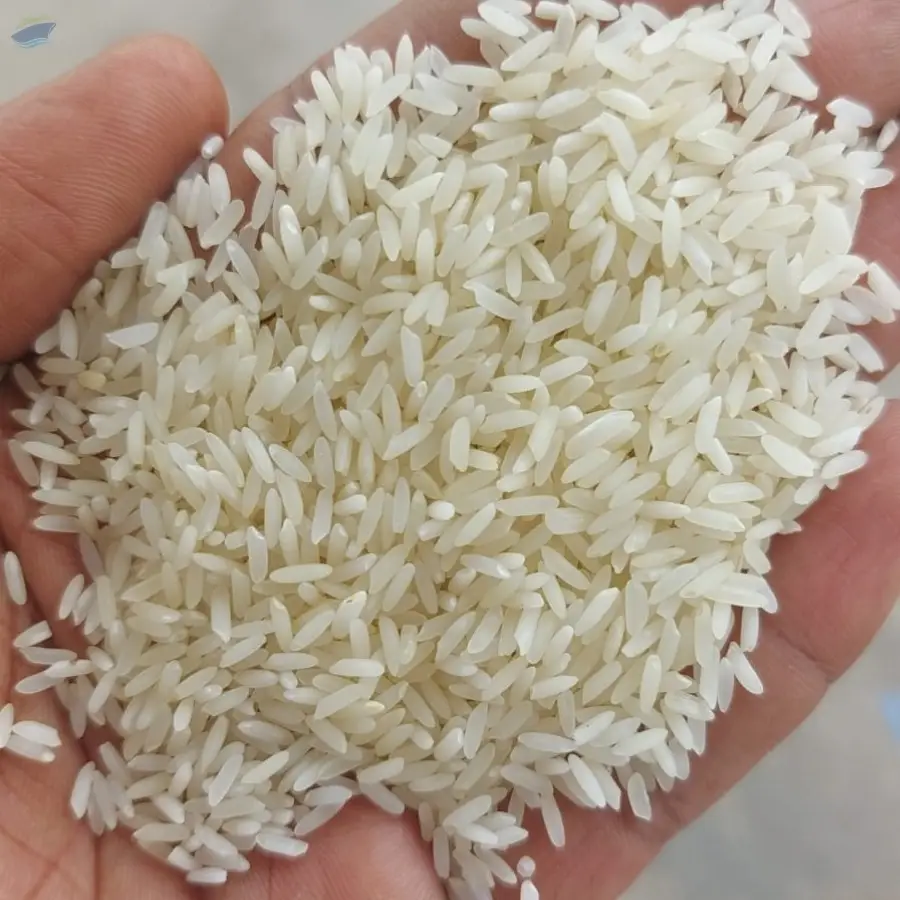
The product range of DIVINE INTERNATIONAL also includes grains and cereals like mung beans, garbanzo beans, and soybean, as well as animal feed like groundnut deoil cake and cottonseed oil cake. Other products listed by the company include flattened rice, brown sugar, white sugar, black cardamom, moringa powder, chia seeds, coffee, tea, black pepper, and red chilli. These products are likely to be of interest to buyers in regions that typically import spices and oil seeds from India, such as the Middle East, Africa, and Southeast Asia.
Product Range and Specialties of DIVINE INTERNATIONAL
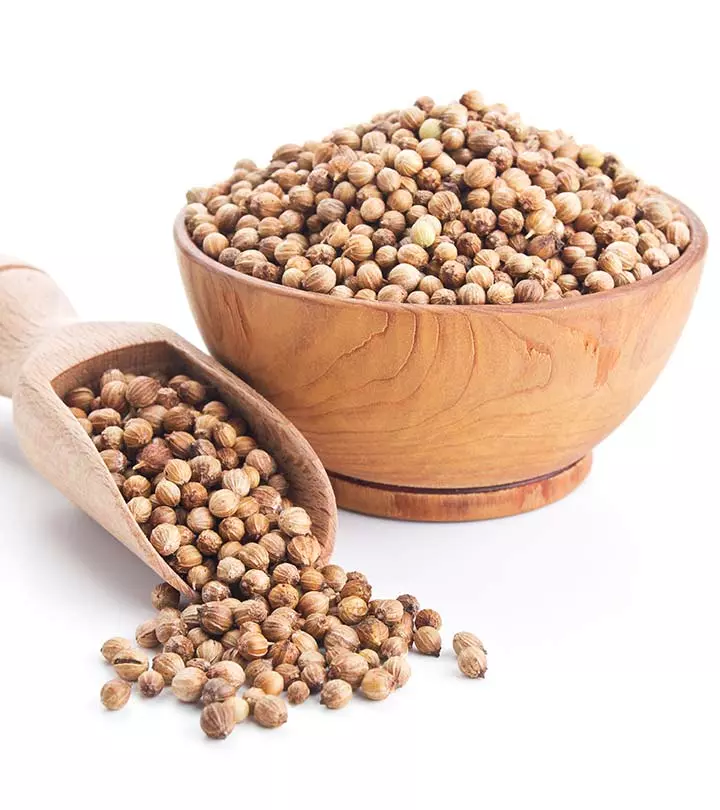
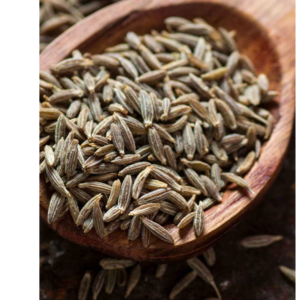
The catalogue of DIVINE INTERNATIONAL includes a range of spice seeds, including cumin seeds, fennel seeds, and coriander seeds, which are commonly used in the food and beverage industry. Buyers of these products typically require them to meet certain quality standards, such as a minimum purity percentage and a maximum moisture content. For example, cumin seeds are typically required to have a purity of at least 99% and a moisture content of no more than 10%. The company's products also include oil seeds like groundnut seeds and sesame seeds, which are used in the production of edible oils and are subject to quality standards like ICUMSA 45 for sugar and CP 10 cloud point for palm oil.
The product range of DIVINE INTERNATIONAL also includes grains and cereals like mung beans and garbanzo beans, which are commonly used in the food and beverage industry. These products are typically required to meet certain quality standards, such as a minimum protein content and a maximum moisture content. For example, mung beans are typically required to have a protein content of at least 20% and a moisture content of no more than 12%. The company's products are likely to be of interest to buyers who require quality spice seeds, oil seeds, and grains and cereals for use in the food and beverage industry.
Trade and Export Information - DIVINE INTERNATIONAL
Exporters of spices and oil seeds from India, like DIVINE INTERNATIONAL, typically export their products to regions like the Middle East, Africa, and Southeast Asia. These products are subject to various quality standards and certifications, such as ISO 22000 for food safety and HACCP for hazard analysis and critical control points. Buyers of these products typically require them to meet certain quality standards, such as a minimum purity percentage and a maximum moisture content, and may also require certifications like organic or non-GMO. The HS code families involved in the export of these products include 1202.42 for groundnut seeds, 1207.40 for sesame seeds, and 0909.21 for cumin seeds.
The logistics of exporting spices and oil seeds from India typically involve packaging in bags or containers, with a minimum order quantity of 20 ft or 40 ft containers. The products are typically shipped via sea freight, with Incoterms like CIF or FOB. Buyers of these products should be aware of the regulatory requirements for importing spices and oil seeds, including the need for phytosanitary certificates and certificates of origin. They should also be aware of the typical lead times for shipping these products, which can range from 15 to 30 days.
Sourcing from DIVINE INTERNATIONAL - Buyer Guidance
Buyers sourcing from DIVINE INTERNATIONAL should request samples and test reports to verify the quality of the products. They should also request certifications like ISO 22000 and HACCP to ensure that the products meet certain quality standards. Additionally, buyers should verify the moisture content and purity percentage of the products to ensure that they meet the required standards. It is also recommended that buyers request a certificate of origin and a phytosanitary certificate to ensure that the products are compliant with regulatory requirements.
Buyers should also be aware of the typical quality parameters for spices and oil seeds, such as the minimum purity percentage and maximum moisture content. They should also be aware of the typical packaging and shipping norms for these products, including the use of bags or containers and the minimum order quantity. By requesting the necessary certifications and verifying the quality parameters, buyers can ensure that they are sourcing quality products from DIVINE INTERNATIONAL.
Frequently Asked Questions About DIVINE INTERNATIONAL
What is the minimum purity percentage required for cumin seeds?
The minimum purity percentage required for cumin seeds is typically 99%. Buyers should request a test report to verify the purity percentage of the product.
What is the maximum moisture content allowed for groundnut seeds?
The maximum moisture content allowed for groundnut seeds is typically 10%. Buyers should request a test report to verify the moisture content of the product.
What certifications are typically required for spice seeds?
Typically, certifications like ISO 22000 and HACCP are required for spice seeds. Buyers should request these certifications to ensure that the products meet certain quality standards.
What is the typical packaging for oil seeds?
The typical packaging for oil seeds is in bags or containers, with a minimum order quantity of 20 ft or 40 ft containers.
What is the typical lead time for shipping spices and oil seeds from India?
The typical lead time for shipping spices and oil seeds from India is 15 to 30 days. Buyers should be aware of the lead time to plan their sourcing accordingly.
What is the minimum protein content required for mung beans?
The minimum protein content required for mung beans is typically 20%. Buyers should request a test report to verify the protein content of the product.
What is the maximum moisture content allowed for garbanzo beans?
The maximum moisture content allowed for garbanzo beans is typically 12%. Buyers should request a test report to verify the moisture content of the product.
What certifications are typically required for grains and cereals?
Typically, certifications like ISO 22000 and HACCP are required for grains and cereals. Buyers should request these certifications to ensure that the products meet certain quality standards.




 Surat, India

.jpg.png)