DRYVEGGIE — Verified Manufacturer & Wholesale Supplier
About DRYVEGGIE - Vegetable Powder Supplier in India
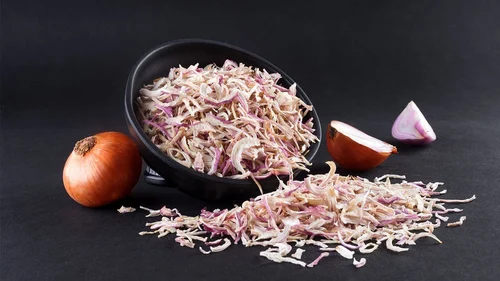
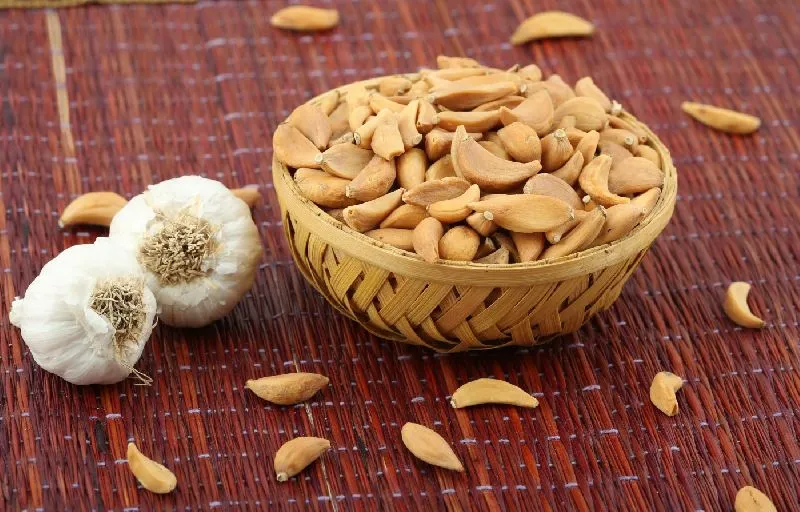
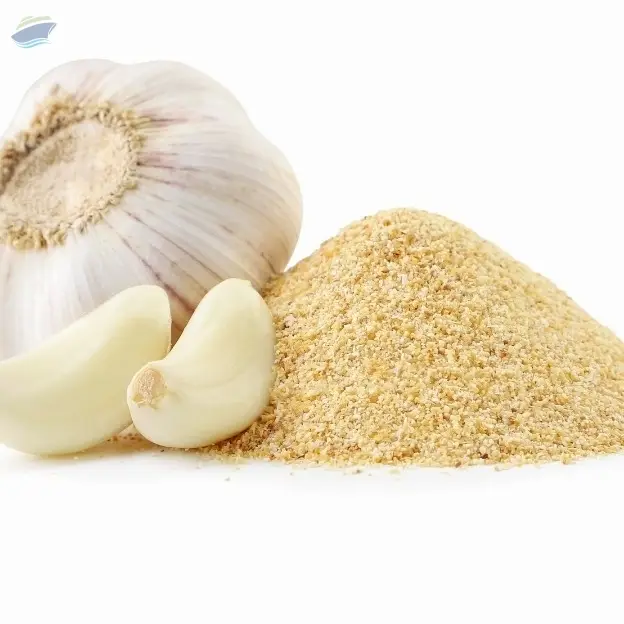
India, particularly the Nashik region in the state of MAHARASHTRA, is home to DRYVEGGIE, a supplier with an active product count of 14. The company's product catalogue includes a variety of dehydrated powders such as Dehydrated Red Onion Powder, Dehydrated White Onion Powder, and Dehydrated Pink Onion Powder, all classified under the HS code 0712.20 or 0712.30. Additionally, they offer Organic Dehydrated Beetroot Powder, classified under HS code 0712.90, and other dehydrated spice products like Dehydrated Garlic Powder, Granules, and Dehydrated Green Chilli Flakes.
DRYVEGGIE's product range encompasses different types of vegetable powders, including onion, garlic, and beetroot powders, as well as dehydrated mushroom and ginger powders. These products are made from fresh materials such as Fresh Red Onion, White Onion, and Fresh Beetroot, ensuring a quality output. The company's focus on using fresh, quality ingredients reflects the importance of maintaining standards in the food industry, particularly for export-oriented businesses like DRYVEGGIE.
Product Range and Specialties of DRYVEGGIE
DRYVEGGIE's catalogue is characterized by its diverse range of dehydrated powders and spices, which cater to various needs in the food and beverage industry. For instance, Dehydrated Onion Powder, classified under HS code 0712.20, is a common ingredient in many recipes, and its quality can significantly impact the final product. Typically, buyers of vegetable powders look for products that meet specific quality standards, such as moisture content, particle size, and microbial load. For example, the quality of Dehydrated Red Onion Powder can be assessed based on its color, texture, and flavor profile, which should align with industry standards like ICUMSA or ASTA.
The company's product range also includes organic options, such as Organic Dehydrated Beetroot Powder, which appeals to buyers seeking organic and sustainable products. Organic products typically undergo rigorous quality checks and certifications, such as USDA Organic or EU Organic, to ensure compliance with international standards. In the context of DRYVEGGIE's products, understanding the typical quality parameters and certifications required for dehydrated powders and spices is essential for buyers to make informed decisions.
Trade and Export Information - DRYVEGGIE
Exporters of vegetable powders and dehydrated spices, like DRYVEGGIE, typically cater to international markets where these products are in high demand. Regions such as the Middle East, Europe, and North America often import these goods for use in various industries, including food processing, pharmaceuticals, and cosmetics. The HS code families involved, such as 0712 for dehydrated vegetables and 0904 for spices, play a crucial role in determining the regulatory requirements and tariffs applicable to these products.
The trade of these products involves adherence to specific standards and regulations, including those related to packaging, labeling, and logistics. For example, products classified under HS code 0712.20 must comply with regulations regarding the use of packaging materials, labeling requirements, and transport conditions to ensure the maintenance of product quality and safety. Incoterms like CIF or FOB are commonly used in the trade of these products, outlining the responsibilities of the buyer and seller regarding freight, insurance, and other costs.
Sourcing from DRYVEGGIE - Buyer Guidance
When sourcing from DRYVEGGIE or similar suppliers, buyers should request specific documentation and certifications to ensure the products meet their quality and regulatory requirements. For dehydrated powders and spices, certifications like ISO 22000 for food safety or organic certifications like USDA Organic can be crucial. Additionally, buyers should verify the products' specifications, such as moisture content, particle size, and microbial load, to ensure they align with industry standards and their specific needs.
Buyers should also be aware of the typical quality parameters for these products, such as the color, texture, and flavor profile for Dehydrated Red Onion Powder, and request samples or test reports to verify these parameters. Understanding the supplier's quality control processes and their ability to meet specific requirements is essential for a successful sourcing experience. Furthermore, clarifying the Incoterms, payment terms, and logistics arrangements upfront can help prevent misunderstandings and ensure a smooth transaction.
Frequently Asked Questions About DRYVEGGIE
What is the primary product category of DRYVEGGIE?
The primary product category of DRYVEGGIE is Vegetable Powder, including various types of dehydrated onion, garlic, and beetroot powders.
What are the typical quality standards for Dehydrated Red Onion Powder?
Typical quality standards for Dehydrated Red Onion Powder include specifications for moisture content, particle size, and microbial load, which should align with industry standards like ICUMSA or ASTA.
What certifications should buyers request for organic products like Organic Dehydrated Beetroot Powder?
Buyers should request certifications like USDA Organic or EU Organic for organic products to ensure compliance with international standards.
How do Incoterms affect the trade of dehydrated powders and spices?
Incoterms like CIF or FOB outline the responsibilities of the buyer and seller regarding freight, insurance, and other costs, and can significantly impact the trade of these products.
What documentation should buyers request from DRYVEGGIE to ensure product quality and regulatory compliance?
Buyers should request specific documentation and certifications, such as ISO 22000 for food safety or organic certifications, and verify the products' specifications to ensure they meet their quality and regulatory requirements.
How can buyers verify the quality of Dehydrated Red Onion Powder?
Buyers can verify the quality of Dehydrated Red Onion Powder by requesting samples or test reports to check parameters like color, texture, and flavor profile, and ensuring they align with industry standards.
What are the common HS code families for dehydrated vegetables and spices?
Common HS code families for dehydrated vegetables and spices include 0712 for dehydrated vegetables and 0904 for spices.
What regions typically import dehydrated powders and spices?
Regions such as the Middle East, Europe, and North America often import these goods for use in various industries.




 Nashik, India