Welli Farms Limited — Verified Supplier
About Welli Farms Limited - Other Ores & Minerals Supplier in Niger
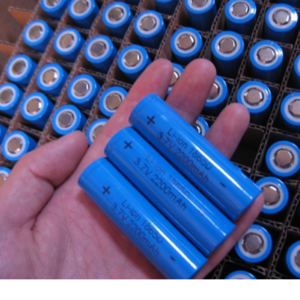
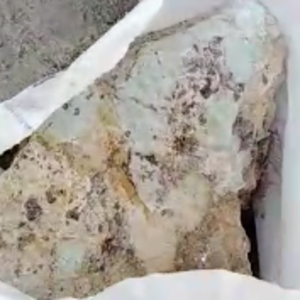
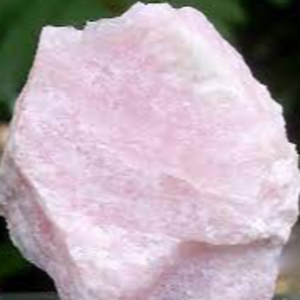
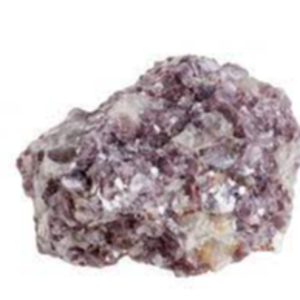
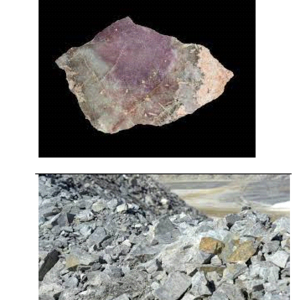
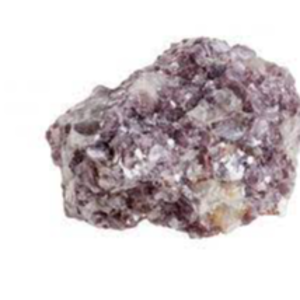
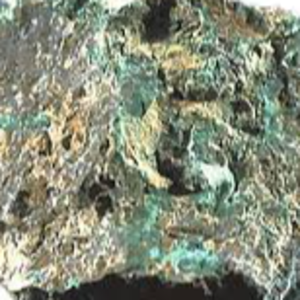
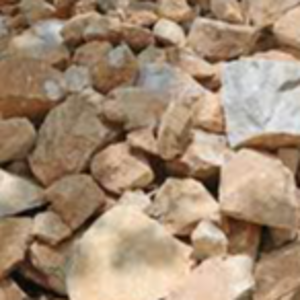
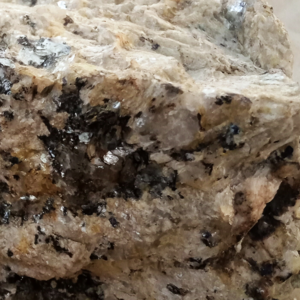
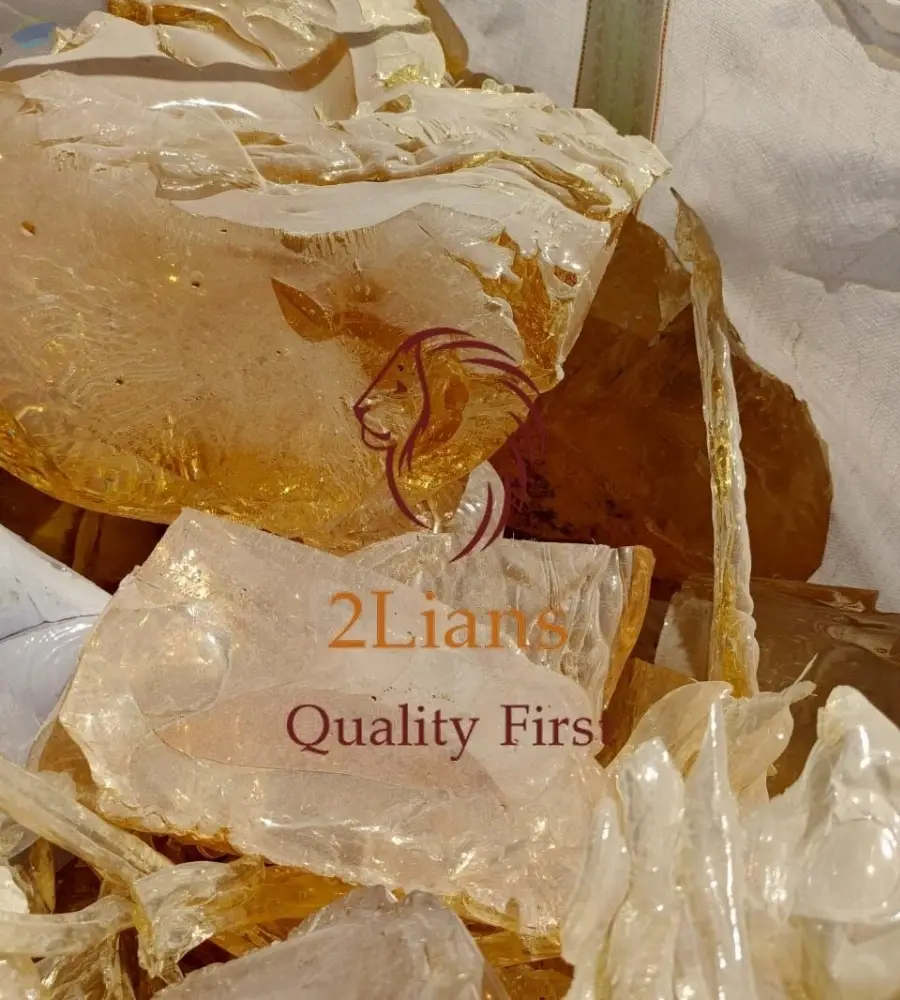
Welli Farms Limited is registered in Niger and lists 29 active products spanning both agricultural commodities and solid mineral ores. The catalogue includes fresh and dried ginger, raw cashew nuts, sesame seeds, hibiscus flower, tiger nuts, peanuts, shea nuts, sorghum seeds, cocoa beans, shea butter, as well as a suite of mineral products such as zinc ore, lithium ore, muscovite mica, iron ore, lead ore, coal, lepidolite, limestone, calcium fluoride, fluorspar, fluorite ore, charcoal varieties, ilmenite, non‑GMO soybean, gum arabic, dried or wet cassava, titanium ore, kaolin and raw zircon sand. Each item is referenced under the broader HS chapters for foodstuffs (Chapter 08), industrial chemicals (Chapter 28) and mineral ores (Chapter 26‑27).
The supplier is described as an exporter of both agro‑commodities and solid minerals and holds licences from the Nigerian Export Promotion Council and the Ministry of Mines and Steel Development. Although the registration details reference Nigeria, the origin country in the provided data is Niger, indicating the goods are sourced from that region. The product list reflects typical export items from West Africa, where cashew nuts, sesame seeds and mineral sands are common outbound commodities. This factual snapshot sets the scope for potential buyers interested in diversified raw material sourcing from the Sahelian mining and agricultural zone.
Product Range and Specialties of Welli Farms Limited
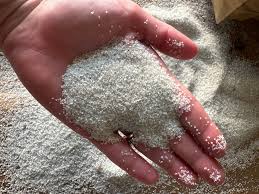
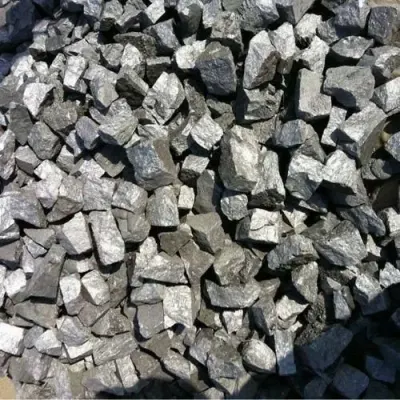
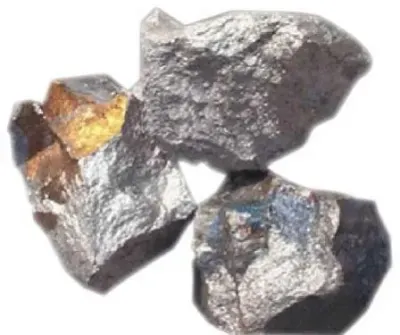
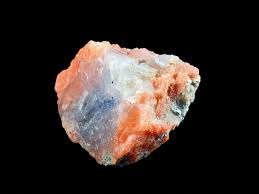
Welli Farms Limited’s current catalogue contains 29 distinct items, split between food‑grade agricultural products and bulk mineral ores. The agricultural side features nuts (cashew, peanuts, shea, tiger nuts) that are commonly graded by size and moisture content, sesame seeds usually sorted into 20 mm and 30 mm grades, and ginger that can be supplied fresh or dried to a moisture level of 12 % or lower. Mineral offerings include zinc ore (typically Zn % ≈ 50‑55), lithium ore (often Li₂O % ≈ 5‑6), ilmenite (TiO₂ % ≈ 45‑55) and zircon sand (ZrO₂ % ≈ 95). Industry standards for these ores reference assay reports, particle size distribution (e.g., 75 µm mesh for zircon) and chemical purity grades such as “ICM‑6” for ilmenite. Typical packaging for the agro items is 20 kg polypropylene bags or 25 kg jute sacks, while mineral concentrates are shipped in bulk bags of 1 tonne or in 20‑ft containers on wooden pallets.
Trade and Export Information - Welli Farms Limited
Exporters of West African nuts and seeds usually ship to the European Union, the United States and the Middle East, where HS Chapter 08 products are subject to phytosanitary certificates and, for organic claims, EU organic certification. Mineral ores from the Sahel region are often destined for steel producers in Asia and Europe; HS Chapter 26‑27 shipments commonly require a country of origin certificate, a mineral assay report and compliance with the International Maritime Organization’s bulk cargo regulations. Buyers typically request ISO 9001 quality management documentation for processed foods and ISO 14001 or mining-specific certifications for ores, although such certificates are not listed for this supplier. Standard Incoterms for bulk shipments from Niger include FOB Niamey or CIF Lagos, with freight usually handled by container vessels for agro‑products and bulk carriers for minerals. Packaging for mineral ores follows UN Recommendations for the Transport of Dangerous Goods when sulphide content exceeds threshold levels, and moisture‑controlled containers are used for seeds to preserve germination rates.
Sourcing from Welli Farms Limited - Buyer Guidance
When sourcing nuts or seeds from Welli Farms Limited, buyers should request a recent phytosanitary certificate, a moisture analysis report (e.g., <12 % for peanuts) and a size‑grading sheet that details the proportion of each grade in the shipment. For ginger, a drying curve and residual moisture test (ASTM D1517) help verify quality. Mineral ore purchases should be accompanied by a certified assay report, particle size distribution data and, where applicable, a heavy‑metal compliance statement (e.g., <0.01 % Cd). Requesting a sample batch for laboratory testing before confirming a full order is standard practice for both agro and mineral categories. Verify that the supplier’s export licences (NEPC registration 0010599 and Ministry of Mines number 8225) are current, and confirm the preferred Incoterm to align with your logistics chain.
Frequently Asked Questions About Welli Farms Limited
What HS code families apply to the agricultural products listed by Welli Farms Limited?
Most of the nuts, seeds and dried spices fall under HS Chapter 08 (e.g., cashew nuts HS 0801, sesame seeds HS 1207, ginger HS 0910). The cocoa beans are classified under HS 1801, and gum Arabic under HS 1302.
Which certifications should I request for the mineral ores?
Typical certifications include an up‑to‑date assay report, a country of origin certificate, and compliance with ISO 14001 or a local mining licence. Buyers often also ask for a MSDS for each ore.
What packaging formats are used for the bulk mineral shipments?
Mineral concentrates are commonly packed in 1‑tonne bulk bags or loaded directly into 20‑ft and 40‑ft containers on wooden pallets, sealed with moisture‑resistant liners.
Are phytosanitary certificates required for the nuts and seeds?
Yes, most importing countries require a phytosanitary certificate for all HS Chapter 08 products, confirming the goods are free from pests and meet residue limits.
What is the typical minimum order quantity for zinc ore?
Bulk mineral orders usually start at 10 metric tonnes, but the exact MOQ depends on the shipping method and container availability.
How long is the lead time for fresh ginger versus dried ginger?
Fresh ginger generally ships within 10‑12 days after order confirmation, while dried ginger, which requires additional processing, may need 15‑18 days.
What documentation is needed for non‑GMO soybean exports?
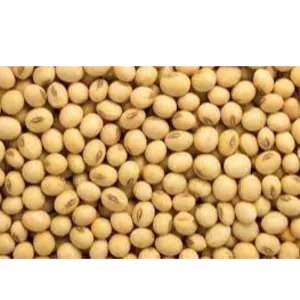
Buyers should request a non‑GMO certification, a GMO‑free test report (e.g., PCR analysis), and the standard phytosanitary certificate.
Which regions are the primary importers of zircon sand from Niger?
Zircon sand is mainly exported to the United States, Europe (especially Germany and the Netherlands) and East Asian countries such as China and South Korea for use in ceramics and refractory applications.




 , Niger