Shree Shyam Enterprises — Verified Manufacturer & Wholesale Supplier
About Shree Shyam Enterprises - Spices Powder Supplier in India
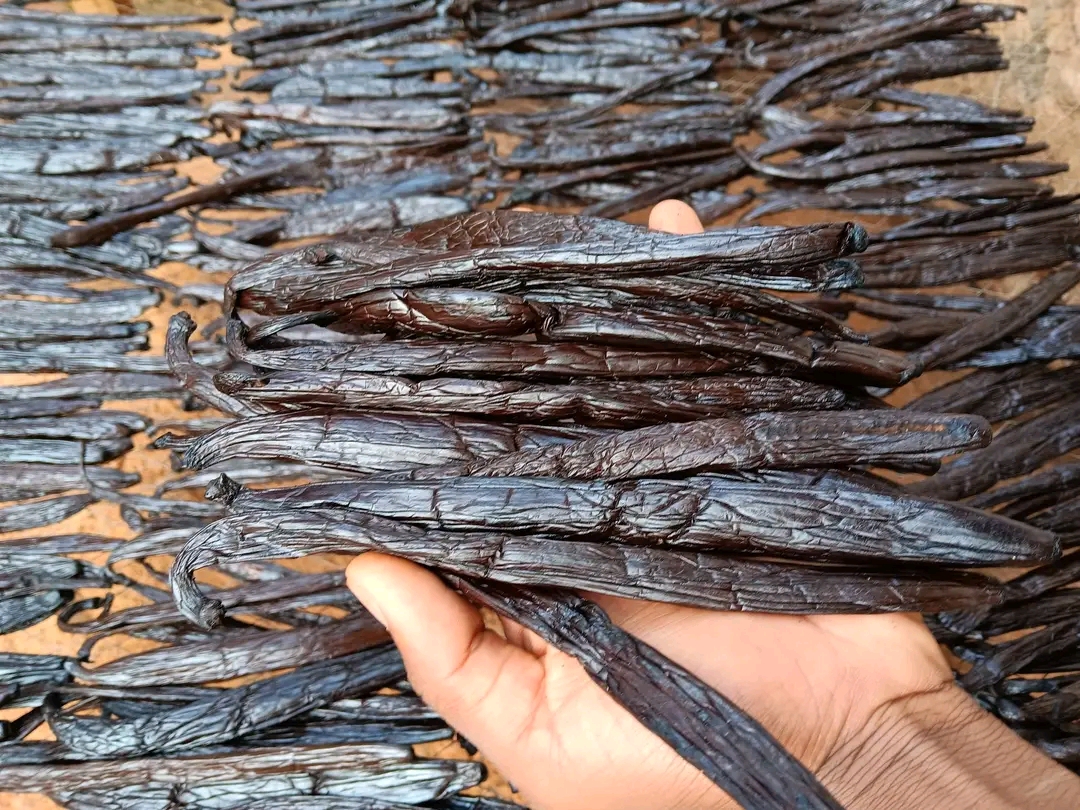
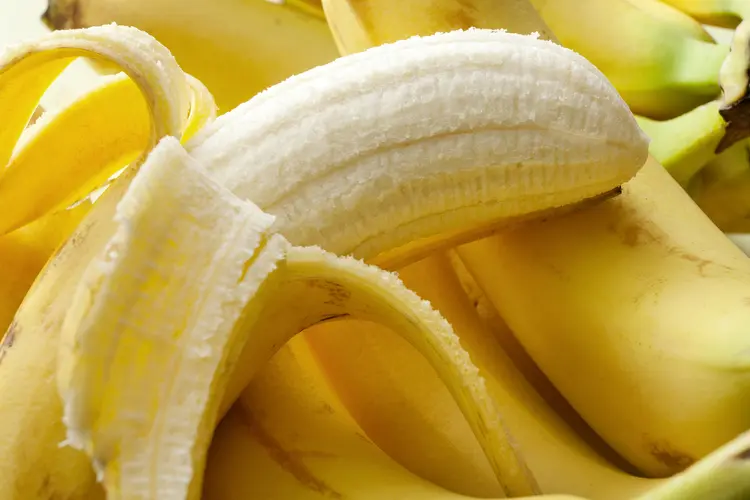
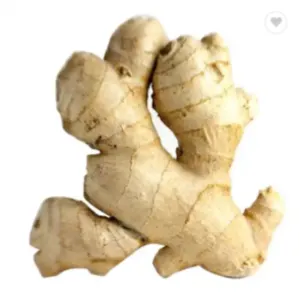
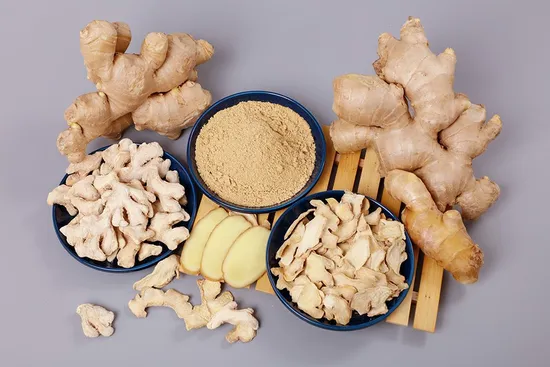
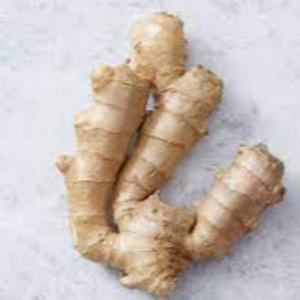
Shree Shyam Enterprises is based in Ahmedabad, Gujarat, India and currently lists twelve active products in its catalogue. The company’s catalogue includes a mix of powdered herbs and vegetables such as Ginger Powder, Turmeric Powder, Fenugreek Powder, Organic Moringa Powder and Banana Powder, as well as dehydrated onion powders, dry split ginger, vanilla bean and coffee capsules. Two items carry specific HS codes: the sanitary pad is classified under HS 9619.00 and the vanilla bean under HS 0905.00. The remaining spice and vegetable powders fall under the broader HS 0904.xx family for spices and HS 2106.xx for dried vegetable preparations. All listed items are described with material types ranging from raw beans to powdered and flaked forms.
Product Range and Specialties of Shree Shyam Enterprises
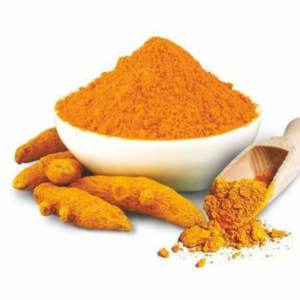
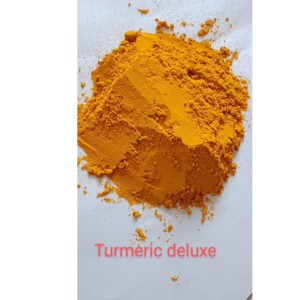
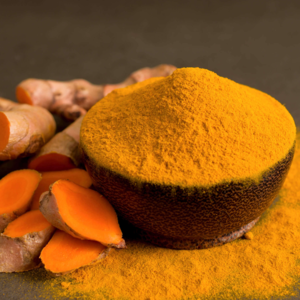
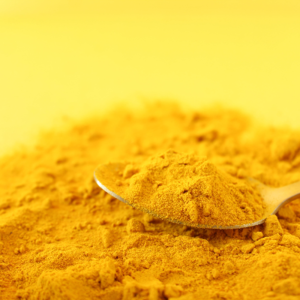
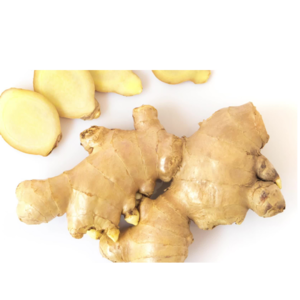
The catalogue covers raw and processed forms of common Indian spices and herbal powders. Ginger Powder and Turmeric Powder are typically offered in particle sizes of 250‑500 µm, with moisture limits of 10‑12 % and ash content below 6 % for turmeric, meeting standard spice specifications used in food manufacturing. Dehydrated onion powders are usually produced with a moisture content under 8 % and a color grade comparable to ISO 3632 for yellowish‑white tones. Organic Moringa Powder and Fenugreek Powder are often certified under USDA or EU organic standards, with heavy‑metal limits of ≤10 ppm lead and cadmium. Coffee capsules are generally compatible with standard Nespresso‑type systems and contain roasted coffee grounds meeting moisture levels below 13 % and oil content around 12‑14 % by weight.
Trade and Export Information - Shree Shyam Enterprises
India is a major exporter of spice powders, herbal extracts and dehydrated vegetable products, supplying the European Union, United States, Middle East and Southeast Asian markets. HS 0904.xx covers most ground spices, while HS 2106.xx is used for dried vegetable preparations; both categories are subject to import inspections for pesticide residues, microbiological limits and labeling compliance. Buyers typically request certifications such as ISO 22000, FSSC 22000, HACCP and, for organic items, USDA Organic or EU Organic certificates. Sanitary pads (HS 9619.00) are classified as medical devices and often require CE marking for EU entry and compliance with ISO 13485. Vanilla beans (HS 0905.00) are evaluated for vanillin content (minimum 1.5 % by weight) and moisture not exceeding 30 %.
Sourcing from Shree Shyam Enterprises - Buyer Guidance
When sourcing powders from Shree Shyam Enterprises, buyers should ask for recent laboratory analysis reports covering pesticide residues, heavy‑metal limits and microbiological counts (e.g., total plate count, yeasts and molds). For organic‑labelled items, request a copy of the current organic certification and the corresponding conversion‑track documentation. Verify that the product batch complies with the HS‑code specifications mentioned, and confirm packaging details such as food‑grade polyethylene bags (inner liner) with outer carton, typically sized for 25 kg bulk shipments. Request a sample batch to assess particle size distribution, moisture content and organoleptic properties before confirming larger orders.
Frequently Asked Questions About Shree Shyam Enterprises
What powder products are listed in Shree Shyam Enterprises’ catalogue?
The catalogue includes Ginger Powder, Turmeric Powder, Fenugreek Powder, Organic Moringa Powder, Banana Powder, Dehydrated Red and White Onion Powder, Dry Split Ginger, and Coffee Capsules, each described by material type and processing form.
Which HS codes apply to the listed spice and herb powders?
Most powdered spices fall under HS chapter 0904 (e.g., ginger, turmeric, fenugreek), while dehydrated vegetable powders are classified under HS 2106. The sanitary pad uses HS 9619.00 and vanilla bean uses HS 0905.00.
What certifications are typically required for Indian spice powders?
Importers usually request food safety certifications such as ISO 22000, FSSC 22000 or HACCP, and for organic products, USDA Organic or EU Organic certificates. Compliance with pesticide residue limits (e.g., EU maximum residue limits) is also standard.
What are common packaging formats for the powdered products?
Powders are commonly packed in multilayer food‑grade polyethylene bags (inner liner) with moisture barriers, sealed in outer cartons. Standard bulk packaging sizes are 25 kg per bag, suitable for 20‑ft container loading.
Is there a minimum order quantity (MOQ) for turmeric or ginger powder?
While the supplier’s catalogue does not state a fixed MOQ, buyers typically arrange orders in multiples of 25 kg bags, with a practical lower limit of 500 kg for new customers to cover sampling and testing costs.
What lead time can buyers expect for dehydrated onion powders?
Lead times for dehydrated Red or White Onion Powder are generally 30‑45 days from order confirmation, depending on raw material availability and batch processing schedules.
How are the coffee capsules packaged and what standards do they meet?
Coffee capsules are supplied in sealed aluminum or plastic containers, compatible with standard single‑serve machines. The roasted coffee grounds meet moisture limits below 13 % and are tested for uniform particle size distribution.
What documentation should a buyer request for the sanitary pads?
Buyers should request the product’s CE declaration of conformity, ISO 13485 compliance certificate, and the material safety data sheet (MSDS) for the superabsorbent polymer core.




 AHMEDABAD, India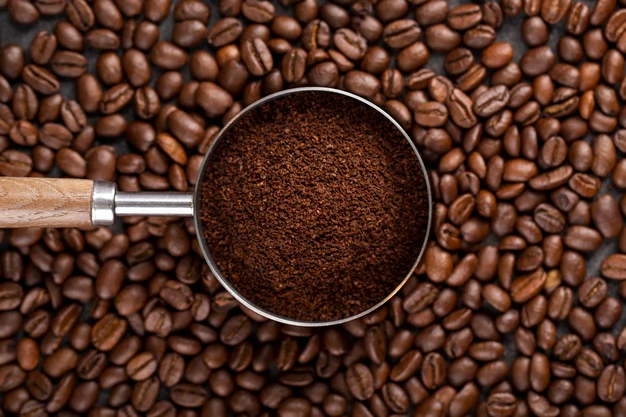







.jpg.png)