Divine Swami Export — Verified Trader & Wholesale Supplier

About Divine Swami Export - Powder Supplier in India

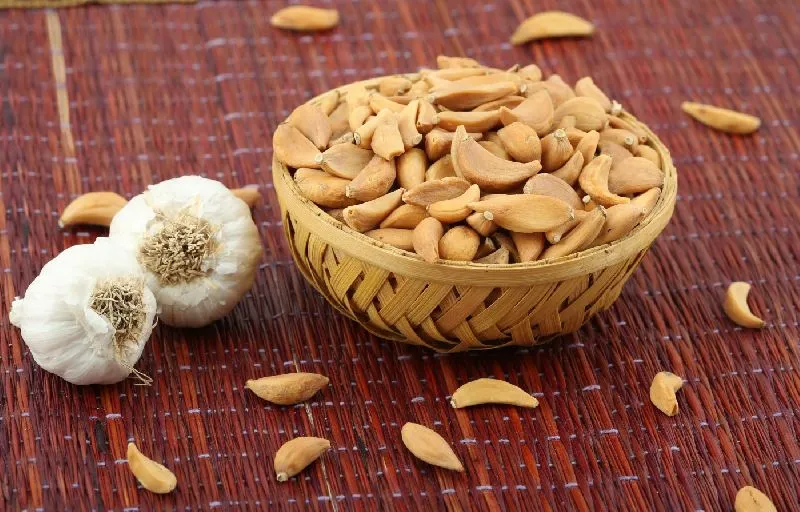
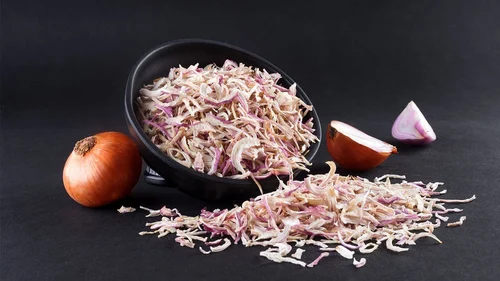
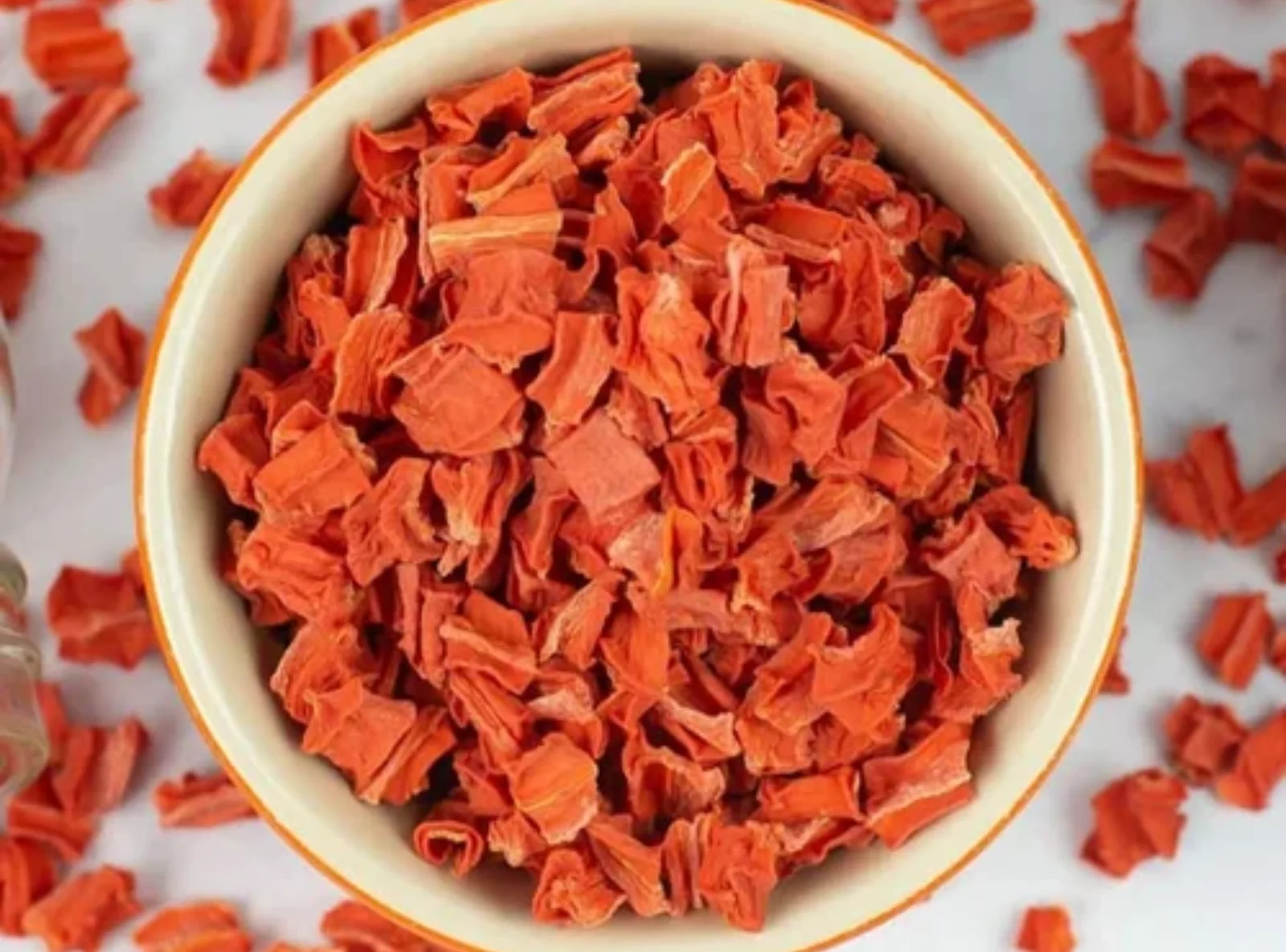
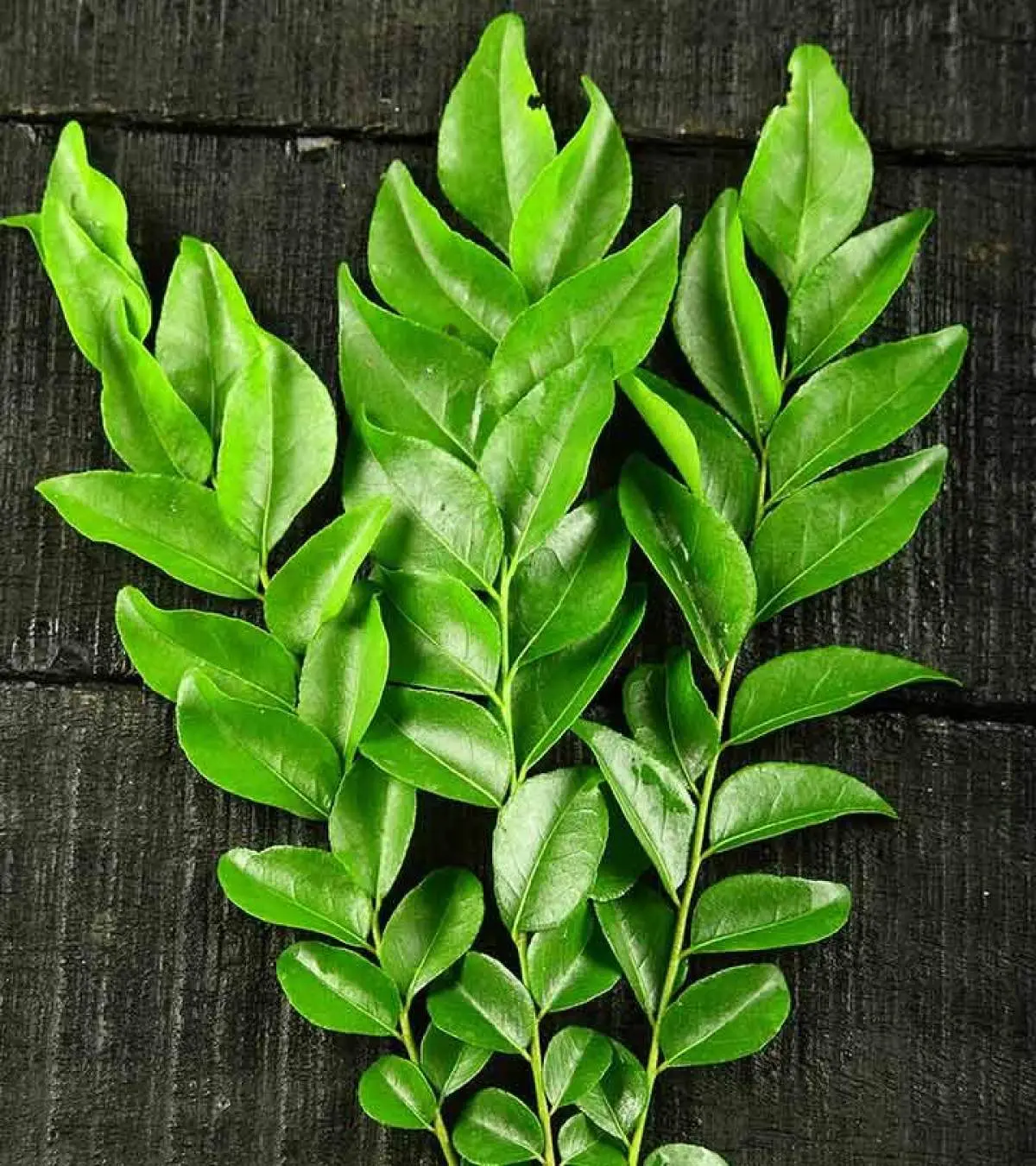
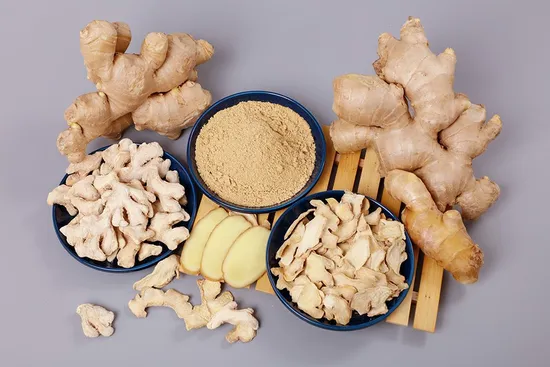
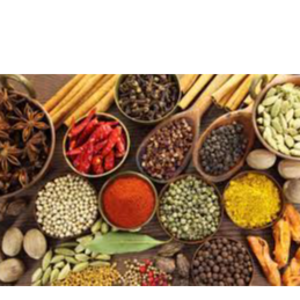
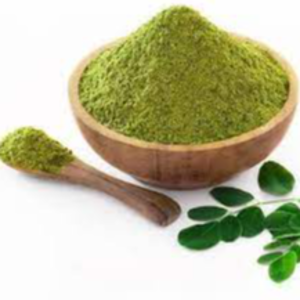
Pune, Maharashtra, India hosts Divine Swami Export, which lists fifteen active products in its catalogue. The company focuses on dehydrated powders derived from fruit, vegetables, spices and herbs, covering HS‑code families such as 1106 for fruit powders, 0909 for leaf powders, 0910 for ginger and garlic, 0712 for onion and tomato, and 1211‑1212 for algae and leaf extracts. Their product set includes banana, beetroot, dates, coriander leaf, ginger, curry leaves, carrot, moringa leaf, onion, garlic, tomato, spirulina, cardamom, tamarind powders and a 100 % cotton terry towel. Each entry specifies the raw material source and the corresponding HS code, providing a clear basis for customs classification. The catalogue reflects a focus on food‑grade, dehydrated ingredients that are commonly used in bakery, beverage, nutraceutical and ready‑to‑eat applications.

The fifteen items are grouped under broader categories such as Fruit Powder, Vegetable Powder, Spice Powder and Algae Powder, matching the top‑category list that includes spices, pepper, turmeric, ginger, milk and tea powders. In addition to food ingredients, the supplier offers a textile product (cotton terry towel) classified under HS 6302.60. No other product families are listed, and the information is limited to the materials and HS codes provided in the source data.

Product Range and Specialties of Divine Swami Export

Divine Swami Export’s catalogue presents a variety of dehydrated powders, each produced from a single botanical source and milled to a fine consistency. In the global market, fruit and vegetable powders are typically sold with moisture content below 8 %, particle size ranging from 100 to 500 µm, and microbial limits of ≤10 CFU/g for total plate count. Common quality grades reference standards such as the Codex Alimentarius specifications for dried herbs and the EU Commission Regulation 2002/10 for spice purity. Buyers often request certificates of analysis that confirm moisture, ash, protein, and pesticide residues, as well as organic certification when the product is labelled as organic.

Indian exporters of spice and vegetable powders frequently adhere to FSSC 22000 or ISO 22000 food‑safety management systems, and many obtain HACCP validation. For organic powders, USDA Organic or EU Organic registration is typical, though the supplier’s own certifications are not listed in the facts. Packaging for these powders usually involves multi‑layer food‑grade polyethylene bags (5 kg or 25 kg) or 20 kg bulk sacks, with nitrogen flushing to preserve flavor and color. The cotton terry towel is commonly packed in cartons of 500 units, complying with the textile standard ISO 9001 for quality management.

Trade and Export Information - Divine Swami Export

India is a major exporter of dehydrated fruit, vegetable and spice powders, with key destination regions including the European Union, North America, the Middle East and Southeast Asia. HS‑code 1106 series items (e.g., banana, dates powders) are subject to phytosanitary certificates and may require compliance with EU Regulation 1169/2011 on food information. HS‑code 0909, 0910 and 0712 series powders (coriander leaf, ginger, onion, tomato) often need a certificate of analysis confirming compliance with EU pesticide limits and US FDA food safety requirements. Export logistics typically involve loading 20‑ft containers with 20 tonnes of powder, using FOB Pune or CIF destination ports; containers are sealed and temperature‑controlled to avoid moisture ingress.

Customs authorities in importing countries commonly request the HS code, country of origin, and a certificate of origin. For organic or specialty powders, buyers may also request an organic certification copy and a non‑GM declaration. The cotton terry towel under HS 6302.60 follows textile import regulations, including labeling of fiber content and compliance with the EU REACH chemical safety framework.

Sourcing from Divine Swami Export - Buyer Guidance

When sourcing from Divine Swami Export, buyers should obtain a detailed specification sheet that lists moisture, particle size, microbial limits and any pesticide residue data for each powder. Request a Certificate of Analysis, a phytosanitary certificate for fruit powders, and, if required, an organic certification document to verify the “organic” tier claim. Verify the HS code on the commercial invoice matches the product (e.g., Banana Powder - 1106.30) and confirm packaging type and weight per bag to align with shipping plans.

Typical minimum order quantities for Indian powdered ingredients range from 500 kg to 1 ton per SKU, with lead times of 30‑45 days after receipt of a pro‑forma invoice and sample approval. Buyers should also confirm the supplier’s food‑safety management system (FSSC 22000, ISO 22000) and request any audit reports if the buyer’s quality system requires them. For the cotton terry towel, confirm GSM (grams per square meter) and shrink‑age test results before finalizing the order.

Frequently Asked Questions About Divine Swami Export

What HS code applies to Banana Powder listed by Divine Swami Export?

Banana Powder is classified under HS code 1106.30, which covers other vegetable powders.

Which certifications are typically required for organic spice powders from India?

Buyers usually request USDA Organic or EU Organic certificates, along with a food‑safety management system certification such as FSSC 22000 or ISO 22000.

What is a common moisture limit for dehydrated vegetable powders like Carrot or Tomato Powder?

International buyers often set a maximum moisture content of 8 % to ensure shelf stability and prevent microbial growth.

What packaging formats are standard for the listed powders?

Standard packaging includes food‑grade polyethylene bags of 5 kg or 25 kg, and bulk 20 kg sacks, frequently nitrogen‑flushed to retain aroma.

What documentation should be requested before placing an order for Ginger Powder (HS 0910.12)?

Request a Certificate of Analysis, a phytosanitary certificate, and a copy of the supplier’s HACCP or ISO 22000 audit report.

What are typical lead times and MOQ for the Spirulina Powder (HS 1212.20)?

Lead times are generally 30‑45 days from order confirmation, with a minimum order quantity of 500 kg per shipment.

How is the cotton terry towel (HS 6302.60) usually shipped?

The towels are packed in cartons of 500 units, with each carton labeled for fiber content and country of origin, and shipped in 20‑ft containers.

Which regions most frequently import Indian spice and vegetable powders?

The European Union, United States, Middle East and Southeast Asian markets are the primary import destinations for these categories.


Other Suppliers in Spices Powder

Top Trusted Suppliers

Related Products in Spices Powder

Trending in Parent Category

More Suppliers in Parent Category

Related Products

Other Suppliers

EximNext
58.4K+ live requirements
Register Free🎁 5 free buy-lead credits
Post Requirement
🌍 Trusted by 224.3K+ businesses in 200+ countries|
58.4K+ active requirements right now
✉️ [email protected]
|
Sell on EximNextPost Requirement
EximNext
AgricultureApparelConstructionElectronicFoodHomeIndustrialMineralsMiscellaneous
🔥 Deals|✨ AI Match|🏭 Suppliers|📋 Buy Leads|💰 Trade Finance|⭐ Upgrade
58.4K+ live RFQs·194.4K+ suppliers
🎁 5 free credits →
EximNext
EximNext
Register Free
🎁 5 free buy-lead credits
Sign In
📋Post Requirement💬Get QuotesAI Match📋RFQ Marketplace
All Categories
Services & Tools
🏭Supplier Directory🔥Today's Deals💰Trade FinanceMembership
Sell on EximNext
AboutContactBlogHelp
🏭

Divine Swami Export

🚢 Voyage
Country flag Pune, IndiaEst. 2023-01-01
🏆
3+
Years in Business
🛡️
69/100
Trust Score

Divine Swami Export Product Catalog

Showing 12 of 16 products
View all products →
Towel –
🚢 Voyage
Towel –
Contact
MOQ: 1 Unit
Tamarind Powder
🚢 Voyage
Tamarind Powder
Contact
MOQ: 1 Unit
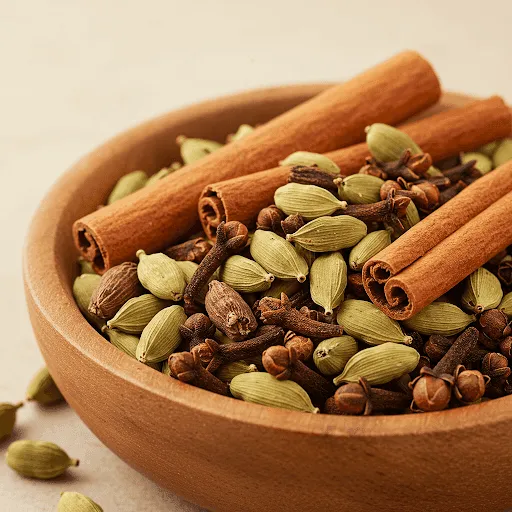
PowderOrganic Cardamom Powder,
🚢 Voyage
PowderOrganic Cardamom Powder,
Contact
MOQ: 1 Unit
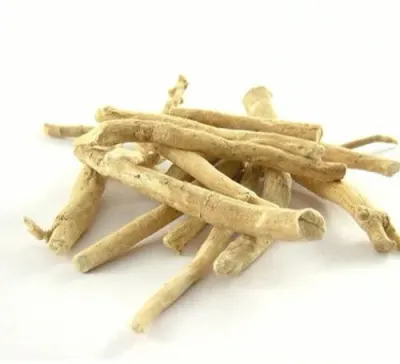
Ashwagandha root powder
🚢 Voyage
Ashwagandha root powder
Contact
MOQ: 1 Unit
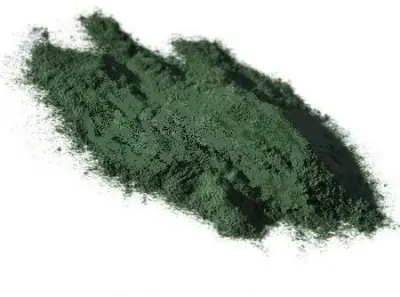
Spirulina Powder
🚢 Voyage
Spirulina Powder
Contact
MOQ: 1 Unit
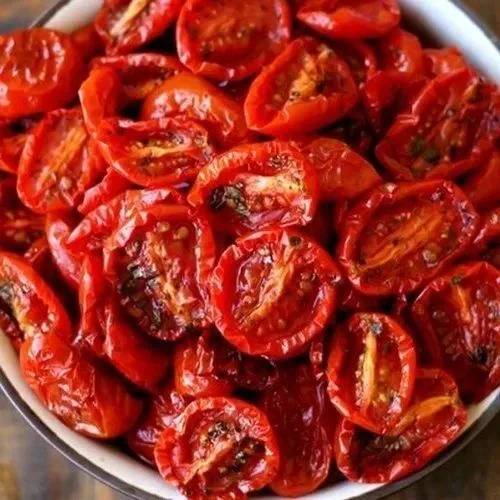
Tomato Powder
🚢 Voyage
Tomato Powder
Contact
MOQ: 1 Unit
Garlic Powder
🚢 Voyage
Garlic Powder
Contact
MOQ: 1 Unit
Onion Powder
🚢 Voyage
Onion Powder
Contact
MOQ: 1 Unit
Moringa Leaf Powder
🚢 Voyage
Moringa Leaf Powder
Contact
MOQ: 1 Unit
Carrot Powder
🚢 Voyage
Carrot Powder
Contact
MOQ: 1 Unit
Curry Leaves Powder
🚢 Voyage
Curry Leaves Powder
Contact
MOQ: 1 Unit
Ginger powder
🚢 Voyage
Ginger powder
Contact
MOQ: 1 Unit

About Divine Swami Export - Powder Supplier in India

Pune, Maharashtra, India hosts Divine Swami Export, which lists fifteen active products in its catalogue. The company focuses on dehydrated powders derived from fruit, vegetables, spices and herbs, covering HS‑code families such as 1106 for fruit powders, 0909 for leaf powders, 0910 for ginger and garlic, 0712 for onion and tomato, and 1211‑1212 for algae and leaf extracts. Their product set includes banana, beetroot, dates, coriander leaf, ginger, curry leaves, carrot, moringa leaf, onion, garlic, tomato, spirulina, cardamom, tamarind powders and a 100 % cotton terry towel. Each entry specifies the raw material source and the corresponding HS code, providing a clear basis for customs classification. The catalogue reflects a focus on food‑grade, dehydrated ingredients that are commonly used in bakery, beverage, nutraceutical and ready‑to‑eat applications.

The fifteen items are grouped under broader categories such as Fruit Powder, Vegetable Powder, Spice Powder and Algae Powder, matching the top‑category list that includes spices, pepper, turmeric, ginger, milk and tea powders. In addition to food ingredients, the supplier offers a textile product (cotton terry towel) classified under HS 6302.60. No other product families are listed, and the information is limited to the materials and HS codes provided in the source data.

Product Range and Specialties of Divine Swami Export

Divine Swami Export’s catalogue presents a variety of dehydrated powders, each produced from a single botanical source and milled to a fine consistency. In the global market, fruit and vegetable powders are typically sold with moisture content below 8 %, particle size ranging from 100 to 500 µm, and microbial limits of ≤10 CFU/g for total plate count. Common quality grades reference standards such as the Codex Alimentarius specifications for dried herbs and the EU Commission Regulation 2002/10 for spice purity. Buyers often request certificates of analysis that confirm moisture, ash, protein, and pesticide residues, as well as organic certification when the product is labelled as organic.

Indian exporters of spice and vegetable powders frequently adhere to FSSC 22000 or ISO 22000 food‑safety management systems, and many obtain HACCP validation. For organic powders, USDA Organic or EU Organic registration is typical, though the supplier’s own certifications are not listed in the facts. Packaging for these powders usually involves multi‑layer food‑grade polyethylene bags (5 kg or 25 kg) or 20 kg bulk sacks, with nitrogen flushing to preserve flavor and color. The cotton terry towel is commonly packed in cartons of 500 units, complying with the textile standard ISO 9001 for quality management.

Trade and Export Information - Divine Swami Export

India is a major exporter of dehydrated fruit, vegetable and spice powders, with key destination regions including the European Union, North America, the Middle East and Southeast Asia. HS‑code 1106 series items (e.g., banana, dates powders) are subject to phytosanitary certificates and may require compliance with EU Regulation 1169/2011 on food information. HS‑code 0909, 0910 and 0712 series powders (coriander leaf, ginger, onion, tomato) often need a certificate of analysis confirming compliance with EU pesticide limits and US FDA food safety requirements. Export logistics typically involve loading 20‑ft containers with 20 tonnes of powder, using FOB Pune or CIF destination ports; containers are sealed and temperature‑controlled to avoid moisture ingress.

Customs authorities in importing countries commonly request the HS code, country of origin, and a certificate of origin. For organic or specialty powders, buyers may also request an organic certification copy and a non‑GM declaration. The cotton terry towel under HS 6302.60 follows textile import regulations, including labeling of fiber content and compliance with the EU REACH chemical safety framework.

Sourcing from Divine Swami Export - Buyer Guidance

When sourcing from Divine Swami Export, buyers should obtain a detailed specification sheet that lists moisture, particle size, microbial limits and any pesticide residue data for each powder. Request a Certificate of Analysis, a phytosanitary certificate for fruit powders, and, if required, an organic certification document to verify the “organic” tier claim. Verify the HS code on the commercial invoice matches the product (e.g., Banana Powder - 1106.30) and confirm packaging type and weight per bag to align with shipping plans.

Typical minimum order quantities for Indian powdered ingredients range from 500 kg to 1 ton per SKU, with lead times of 30‑45 days after receipt of a pro‑forma invoice and sample approval. Buyers should also confirm the supplier’s food‑safety management system (FSSC 22000, ISO 22000) and request any audit reports if the buyer’s quality system requires them. For the cotton terry towel, confirm GSM (grams per square meter) and shrink‑age test results before finalizing the order.

Frequently Asked Questions About Divine Swami Export

What HS code applies to Banana Powder listed by Divine Swami Export?

Banana Powder is classified under HS code 1106.30, which covers other vegetable powders.

Which certifications are typically required for organic spice powders from India?

Buyers usually request USDA Organic or EU Organic certificates, along with a food‑safety management system certification such as FSSC 22000 or ISO 22000.

What is a common moisture limit for dehydrated vegetable powders like Carrot or Tomato Powder?

International buyers often set a maximum moisture content of 8 % to ensure shelf stability and prevent microbial growth.

What packaging formats are standard for the listed powders?

Standard packaging includes food‑grade polyethylene bags of 5 kg or 25 kg, and bulk 20 kg sacks, frequently nitrogen‑flushed to retain aroma.

What documentation should be requested before placing an order for Ginger Powder (HS 0910.12)?

Request a Certificate of Analysis, a phytosanitary certificate, and a copy of the supplier’s HACCP or ISO 22000 audit report.

What are typical lead times and MOQ for the Spirulina Powder (HS 1212.20)?

Lead times are generally 30‑45 days from order confirmation, with a minimum order quantity of 500 kg per shipment.

How is the cotton terry towel (HS 6302.60) usually shipped?

The towels are packed in cartons of 500 units, with each carton labeled for fiber content and country of origin, and shipped in 20‑ft containers.

Which regions most frequently import Indian spice and vegetable powders?

The European Union, United States, Middle East and Southeast Asian markets are the primary import destinations for these categories.

About Divine Swami Export - Powder Supplier in India

Pune, Maharashtra, India hosts Divine Swami Export, which lists fifteen active products in its catalogue. The company focuses on dehydrated powders derived from fruit, vegetables, spices and herbs, covering HS‑code families such as 1106 for fruit powders, 0909 for leaf powders, 0910 for ginger and garlic, 0712 for onion and tomato, and 1211‑1212 for algae and leaf extracts. Their product set includes banana, beetroot, dates, coriander leaf, ginger, curry leaves, carrot, moringa leaf, onion, garlic, tomato, spirulina, cardamom, tamarind powders and a 100 % cotton terry towel. Each entry specifies the raw material source and the corresponding HS code, providing a clear basis for customs classification. The catalogue reflects a focus on food‑grade, dehydrated ingredients that are commonly used in bakery, beverage, nutraceutical and ready‑to‑eat applications.

The fifteen items are grouped under broader categories such as Fruit Powder, Vegetable Powder, Spice Powder and Algae Powder, matching the top‑category list that includes spices, pepper, turmeric, ginger, milk and tea powders. In addition to food ingredients, the supplier offers a textile product (cotton terry towel) classified under HS 6302.60. No other product families are listed, and the information is limited to the materials and HS codes provided in the source data.

Product Range and Specialties of Divine Swami Export

Divine Swami Export’s catalogue presents a variety of dehydrated powders, each produced from a single botanical source and milled to a fine consistency. In the global market, fruit and vegetable powders are typically sold with moisture content below 8 %, particle size ranging from 100 to 500 µm, and microbial limits of ≤10 CFU/g for total plate count. Common quality grades reference standards such as the Codex Alimentarius specifications for dried herbs and the EU Commission Regulation 2002/10 for spice purity. Buyers often request certificates of analysis that confirm moisture, ash, protein, and pesticide residues, as well as organic certification when the product is labelled as organic.

Indian exporters of spice and vegetable powders frequently adhere to FSSC 22000 or ISO 22000 food‑safety management systems, and many obtain HACCP validation. For organic powders, USDA Organic or EU Organic registration is typical, though the supplier’s own certifications are not listed in the facts. Packaging for these powders usually involves multi‑layer food‑grade polyethylene bags (5 kg or 25 kg) or 20 kg bulk sacks, with nitrogen flushing to preserve flavor and color. The cotton terry towel is commonly packed in cartons of 500 units, complying with the textile standard ISO 9001 for quality management.

Trade and Export Information - Divine Swami Export

India is a major exporter of dehydrated fruit, vegetable and spice powders, with key destination regions including the European Union, North America, the Middle East and Southeast Asia. HS‑code 1106 series items (e.g., banana, dates powders) are subject to phytosanitary certificates and may require compliance with EU Regulation 1169/2011 on food information. HS‑code 0909, 0910 and 0712 series powders (coriander leaf, ginger, onion, tomato) often need a certificate of analysis confirming compliance with EU pesticide limits and US FDA food safety requirements. Export logistics typically involve loading 20‑ft containers with 20 tonnes of powder, using FOB Pune or CIF destination ports; containers are sealed and temperature‑controlled to avoid moisture ingress.

Customs authorities in importing countries commonly request the HS code, country of origin, and a certificate of origin. For organic or specialty powders, buyers may also request an organic certification copy and a non‑GM declaration. The cotton terry towel under HS 6302.60 follows textile import regulations, including labeling of fiber content and compliance with the EU REACH chemical safety framework.

Sourcing from Divine Swami Export - Buyer Guidance

When sourcing from Divine Swami Export, buyers should obtain a detailed specification sheet that lists moisture, particle size, microbial limits and any pesticide residue data for each powder. Request a Certificate of Analysis, a phytosanitary certificate for fruit powders, and, if required, an organic certification document to verify the “organic” tier claim. Verify the HS code on the commercial invoice matches the product (e.g., Banana Powder - 1106.30) and confirm packaging type and weight per bag to align with shipping plans.

Typical minimum order quantities for Indian powdered ingredients range from 500 kg to 1 ton per SKU, with lead times of 30‑45 days after receipt of a pro‑forma invoice and sample approval. Buyers should also confirm the supplier’s food‑safety management system (FSSC 22000, ISO 22000) and request any audit reports if the buyer’s quality system requires them. For the cotton terry towel, confirm GSM (grams per square meter) and shrink‑age test results before finalizing the order.

Frequently Asked Questions About Divine Swami Export
What HS code applies to Banana Powder listed by Divine Swami Export?
Banana Powder is classified under HS code 1106.30, which covers other vegetable powders.
Which certifications are typically required for organic spice powders from India?
Buyers usually request USDA Organic or EU Organic certificates, along with a food‑safety management system certification such as FSSC 22000 or ISO 22000.
What is a common moisture limit for dehydrated vegetable powders like Carrot or Tomato Powder?
International buyers often set a maximum moisture content of 8 % to ensure shelf stability and prevent microbial growth.
What packaging formats are standard for the listed powders?
Standard packaging includes food‑grade polyethylene bags of 5 kg or 25 kg, and bulk 20 kg sacks, frequently nitrogen‑flushed to retain aroma.
What documentation should be requested before placing an order for Ginger Powder (HS 0910.12)?
Request a Certificate of Analysis, a phytosanitary certificate, and a copy of the supplier’s HACCP or ISO 22000 audit report.
What are typical lead times and MOQ for the Spirulina Powder (HS 1212.20)?
Lead times are generally 30‑45 days from order confirmation, with a minimum order quantity of 500 kg per shipment.
How is the cotton terry towel (HS 6302.60) usually shipped?
The towels are packed in cartons of 500 units, with each carton labeled for fiber content and country of origin, and shipped in 20‑ft containers.
Which regions most frequently import Indian spice and vegetable powders?
The European Union, United States, Middle East and Southeast Asian markets are the primary import destinations for these categories.

🏭
Divine Swami Export
Country flag Pune, India
🚢 Voyage
69/100
Trust Score
📦
16
Products
Free to contact — no commission
Escrow payment available
Verified business identity
Compare more suppliers
Post a requirement — get 10 quotes free
Let verified suppliers compete for your business. Free, fast, no commitment.
EximNext Verified Supplier
Business identity verified
Physical address confirmed
Financial history checked
Certifications authenticated
Trade references validated
Due Diligence
Verify this supplier's real shipping history.
Every shipment, every buyer, every port. Trade data that can't be faked.
Run due diligence →
Discover More

Related Suppliers & Products

Explore similar suppliers, related products and trending categories

Other Suppliers in Spices Powder

Top Trusted Suppliers

Related Products in Spices Powder

Trending in Parent Category

More Suppliers in Parent Category

Stay ahead in global trade
Weekly market insights & new supplier alerts.
EximNext
Exim Next is a leading global B2B marketplace, connecting over 205,000 verified suppliers and buyers across 200+ countries. As a trusted import export marketplace, it serves as the essential B2B portal for businesses worldwide, empowering them to expand their international reach. With Exim Next, businesses can trade smarter and grow faster.
SECURE PAYMENTS
VISAMastercardPayPalSWIFTL/CEscrow
Follow us
© 2026 EximNext