AllProTrade — Verified Supplier
About AllProTrade - Mineral Ore Supplier in Netherlands
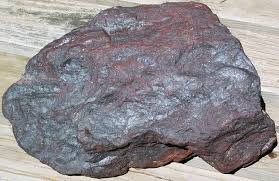
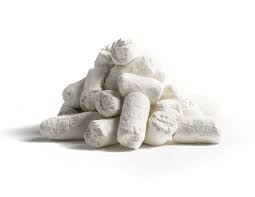
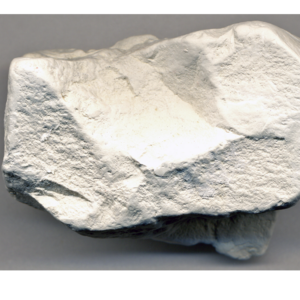
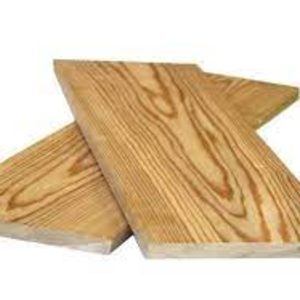
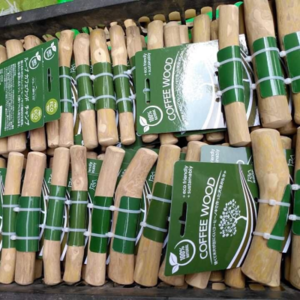
AllProTrade is based in the Netherlands and lists 25 active products in its catalogue. The catalogue includes primary mineral products such as lead ore, zinc ore, kaolin (both raw and milled), and iron ore, as well as various limestone and calcium carbonate powders. In the ore segment the company specifies hematite iron ore (HS 2601.11) and milled kaolin clay under HS 2507.00, indicating compliance with the relevant customs classifications. Additional offerings comprise a range of wood‑derived fuels, including wood pellets, firewood of several hardwood species, and biomass briquettes. The supplier also provides polymer recycling products like PP reprocessed pellets in standard and light‑green grades. All entries are presented without claimed certifications, leaving verification to the buyer.
The lead and zinc ore entries fall under HS chapter 26 covering metal ores and concentrates, where buyers typically assess metal content, moisture and impurity levels. Kaolin products are classified under HS 2507 and are commonly evaluated by particle size distribution, brightness (ICUMSA) and loss on ignition. Iron ore specifications usually reference Fe grade (e.g., 62‑66 % Fe) and silica or alumina limits, which are standard criteria in steelmaking supply chains. Limestone and calcium carbonate powders are used in construction, paper and chemical industries, with common standards for CaCO₃ purity (≥ 99 %) and particle size (e.g., 0‑75 µm). Wood pellets and briquettes are measured by calorific value (typically 16‑18 MJ/kg), moisture content (≤ 10 %) and bulk density (650‑800 kg/m³). PP reprocessed pellets are traded in 25 kg or 1 ton bags, with melt flow index values ranging from 5‑15 g/10 min.
Product Range and Specialties of AllProTrade
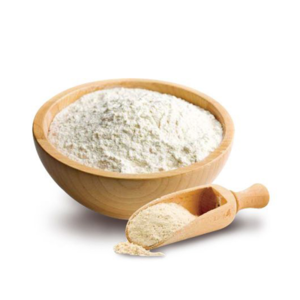
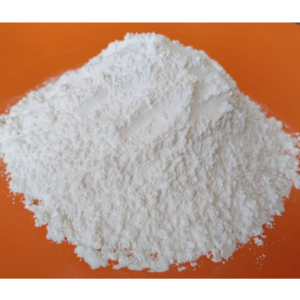
AllProTrade’s catalogue lists mineral ores (lead, zinc, iron), kaolin variants (raw, milled, powder), calcium carbonate and limestone forms, plus several biomass fuel products and recycled polypropylene pellets. In the ore category, lead ore is often supplied with a minimum lead content of 95 % and zinc ore with 45‑55 % Zn, aligning with smelting industry benchmarks. Milled kaolin is typically offered in grades such as 30 µm and 50 µm particle size, with brightness values around ICUMSA 45‑55, which are standard for ceramics and paper coating. Iron ore from the Netherlands is frequently a hematite concentrate meeting the 62‑66 % Fe range required by European steel mills. Limestone and calcium carbonate powders are generally provided in fine grades suitable for filler applications, with bulk densities near 2.7 t/m³. Wood pellets and briquettes comply with ENplus or ISO 17225 standards for renewable fuel, featuring calorific values of 17 MJ/kg and moisture below 8 %. The PP reprocessed pellets follow typical recycled polymer specifications, such as a melt flow index of 8‑12 g/10 min and a color consistency measured by L*a*b* values.
Trade and Export Information - AllProTrade
The Netherlands is a major hub for bulk mineral and polymer trade, leveraging Rotterdam’s port facilities for efficient container and bulk shipments. Exporters of lead, zinc and iron ores from the EU generally target steel producers in Central and Eastern Europe, as well as manufacturers in the Middle East and North Africa who require consistent metal grades. Kaolin and calcium carbonate powders are commonly shipped to paper mills in Germany, Italy and the United Kingdom, and to paint and coating producers in France and Spain. Biomass fuel products such as wood pellets and briquettes are in demand across the Nordic countries, the United Kingdom and the Baltic region, where renewable heating standards drive import volumes. Recycled PP pellets are typically exported to automotive and packaging manufacturers in Western Europe, who seek material with documented reprocessing cycles and ISO‑compatible quality reports. Standard HS codes for these commodities include 2601 for iron ores, 2507 for kaolin, 2605 for lead ores, 2606 for zinc ores, and 3901 for polypropylene pellets, all subject to EU customs documentation and, where applicable, REACH registration. Buyers usually require compliance certificates such as SGS inspection reports, ISO 9001 quality management, and, for fuels, ENplus or ISO 17225 certification, which should be confirmed before shipment.
Sourcing from AllProTrade - Buyer Guidance
When sourcing from AllProTrade, buyers should request product specifications sheets that detail metal grades, moisture levels, particle size distribution and bulk density for each mineral. For kaolin and limestone, documented loss on ignition, chemical purity and granulometry are essential verification points. Biomass fuel orders should be accompanied by calorific value test results, moisture content analysis, and, if available, ENplus or ISO 17225 compliance certificates. Recycled PP pellets require a melt flow index report, color consistency data and a traceability statement confirming the number of reprocessing cycles. Prior to contract finalisation, it is prudent to obtain third‑party SGS or Bureau Veritas inspection reports and, where relevant, REACH safety data sheets. Buyers should also confirm packaging formats - e.g., 25 kg bags for powders, 1 ton bulk bags for ores, and 1 m³ pallets for wood pellets - to ensure compatibility with their logistics chain.
Frequently Asked Questions About AllProTrade
What mineral ores are available from AllProTrade?
AllProTrade lists lead ore, zinc ore, iron ore (hematite) and manganese ore, each classified under HS chapter 26 for metal ores. The catalogue provides basic grade information that buyers can verify through laboratory testing.
Which kaolin products does the supplier offer and what are typical grades?
The catalogue includes raw kaolin, milled kaolin and kaolin powder; milled kaolin (HS 2507.00) is commonly supplied in fine grades with particle sizes around 30‑50 µm and brightness levels of ICUMSA 45‑55. Buyers usually request particle size distribution and loss‑on‑ignition reports.
How are the wood fuel products packaged for export?
Wood pellets, briquettes and firewood are typically packed in bulk bags or on 1 m³ wooden pallets. Pellet moisture content is kept below 10 % and firewood below 15 %, meeting ENplus or ISO 17225 standards where applicable.
What documentation should a buyer request for the polypropylene reprocessed pellets?
Buyers should ask for a melt flow index certificate, colorimetric analysis (L*a*b* values), a material safety data sheet (MSDS) and, if required, an ISO 9001 quality management certificate. Third‑party inspection reports add additional assurance.
Which HS codes apply to the iron ore and kaolin products listed?
Iron ore is recorded under HS 2601.11 and milled kaolin under HS 2507.00. Related ores fall under HS 2605 for lead and HS 2606 for zinc, while polypropylene pellets use HS 3901.
What typical quality tests are performed on the biomass fuel products?
Standard tests include calorific value (MJ/kg), moisture content (%), bulk density (kg/m³) and ash content. Results are usually verified by an independent laboratory such as SGS before shipment.
Are there any standard certifications commonly required for these commodities?
Importers often require SGS inspection reports, ISO 9001 quality management, REACH registration for chemical products, and ENplus or ISO 17225 certification for wood pellets and briquettes. These documents should be confirmed with the supplier prior to order.




 , Netherlands