HPVALIA GLOBAL PRIVATE LIMITED — Verified Trader & Wholesale Supplier
About HPVALIA GLOBAL PRIVATE LIMITED - Spices Supplier in India
HPVALIA GLOBAL PRIVATE LIMITED is based in Ahmedabad, Gujarat, India and currently lists ten active products. The catalogue covers a mix of spice powders, whole seeds, fruit‑derived powders and herbal powders, each identified with material descriptions and, where provided, internal HS‑code references such as HPVG‑AMP‑01 for Alphonso Mango Pulp and HPVG‑CS‑07 for Cumin Seeds.
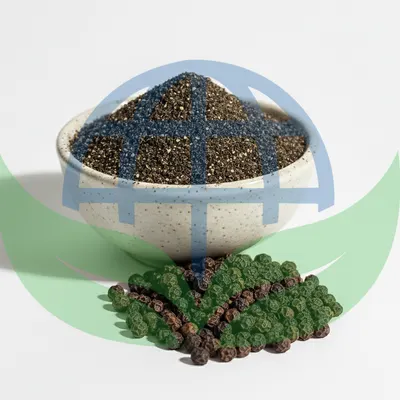
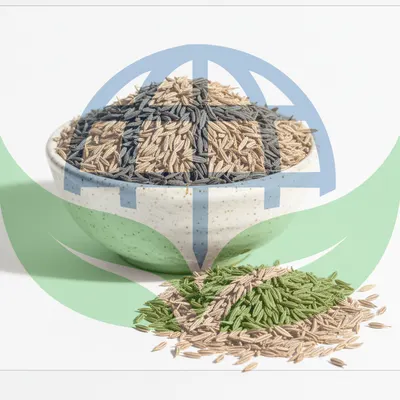
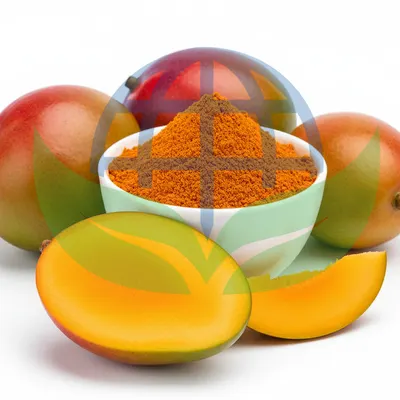
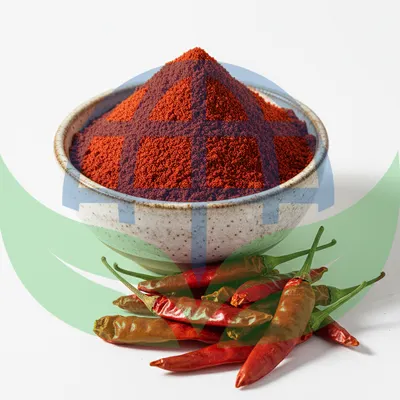
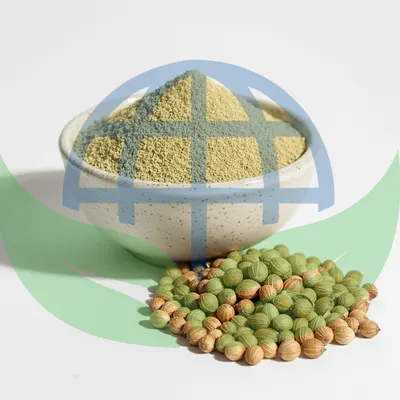
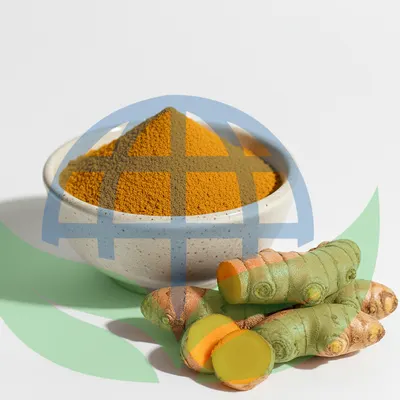
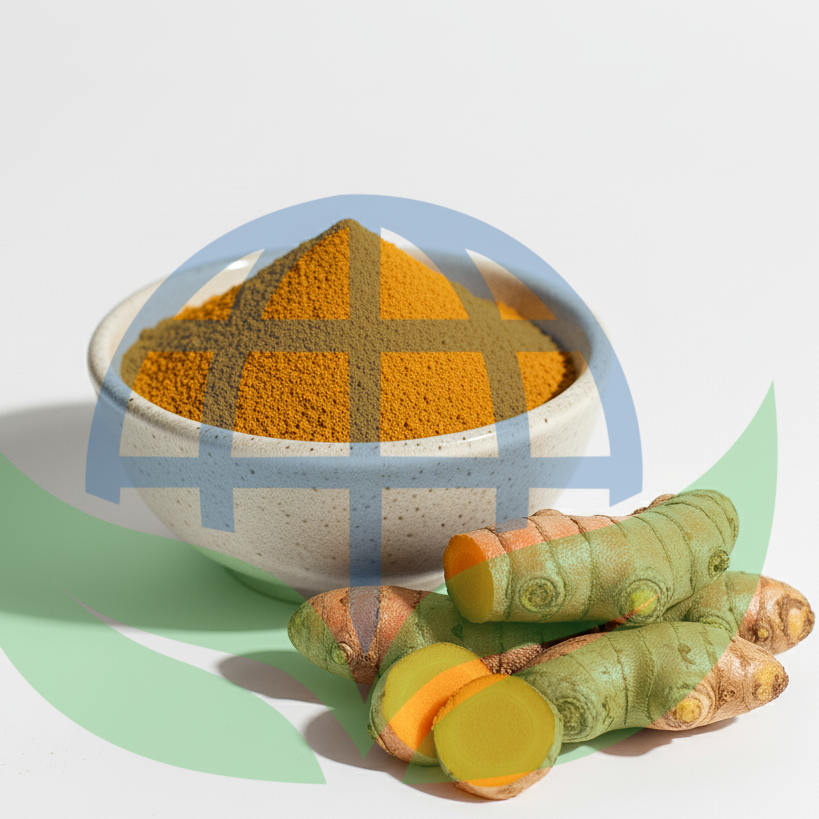
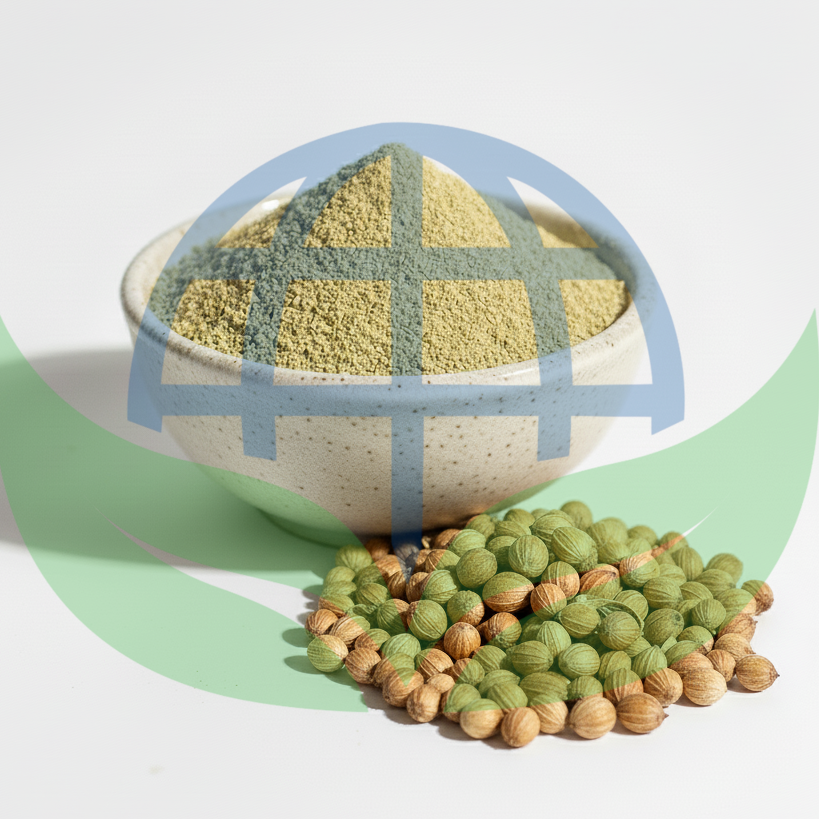
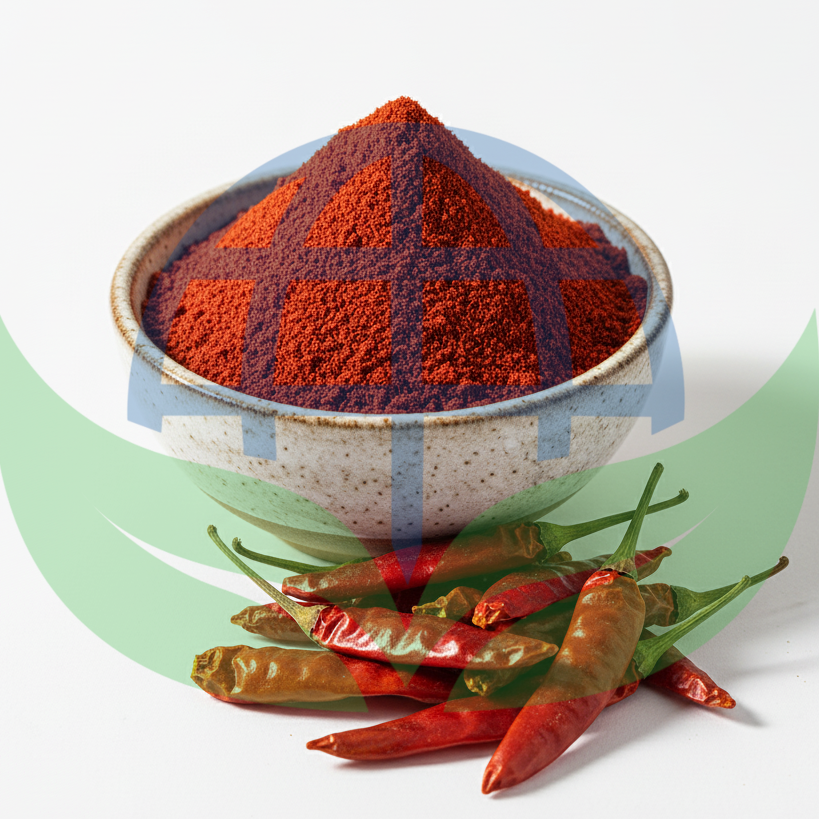
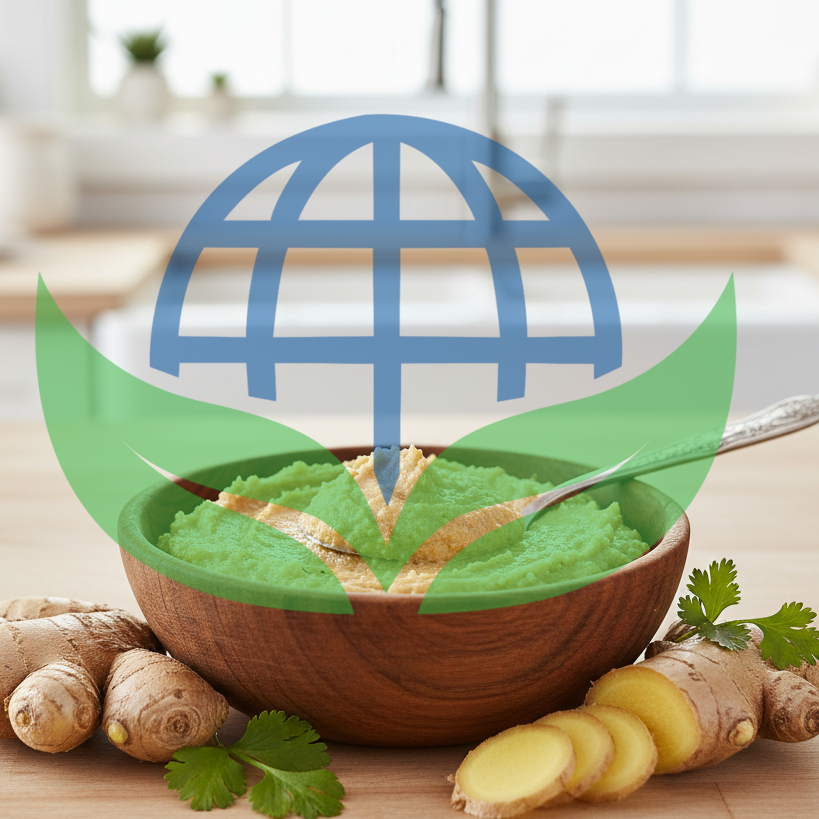
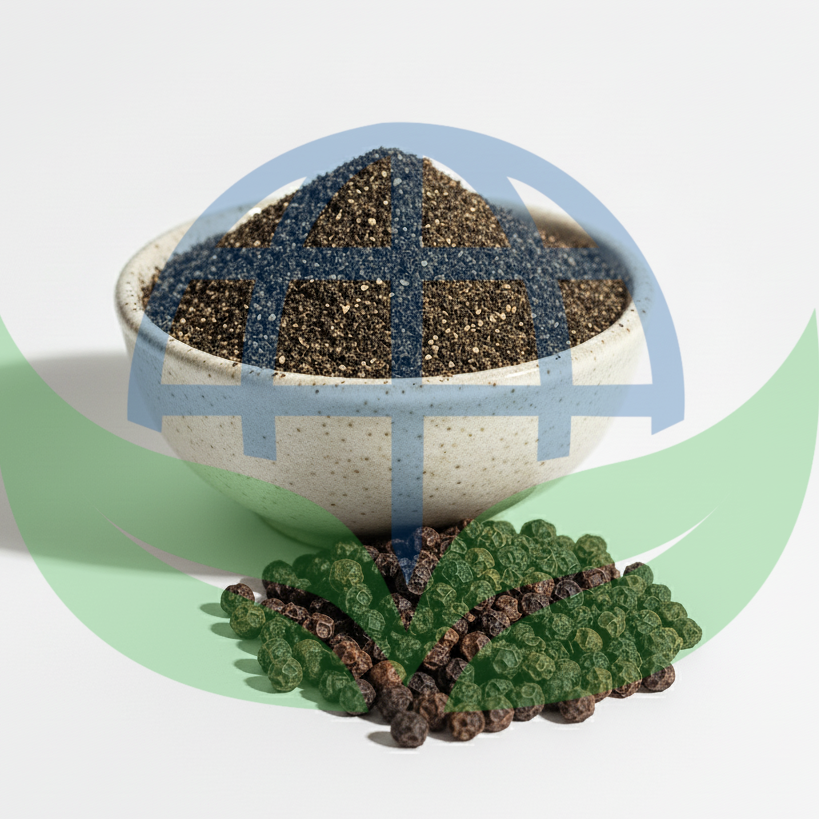
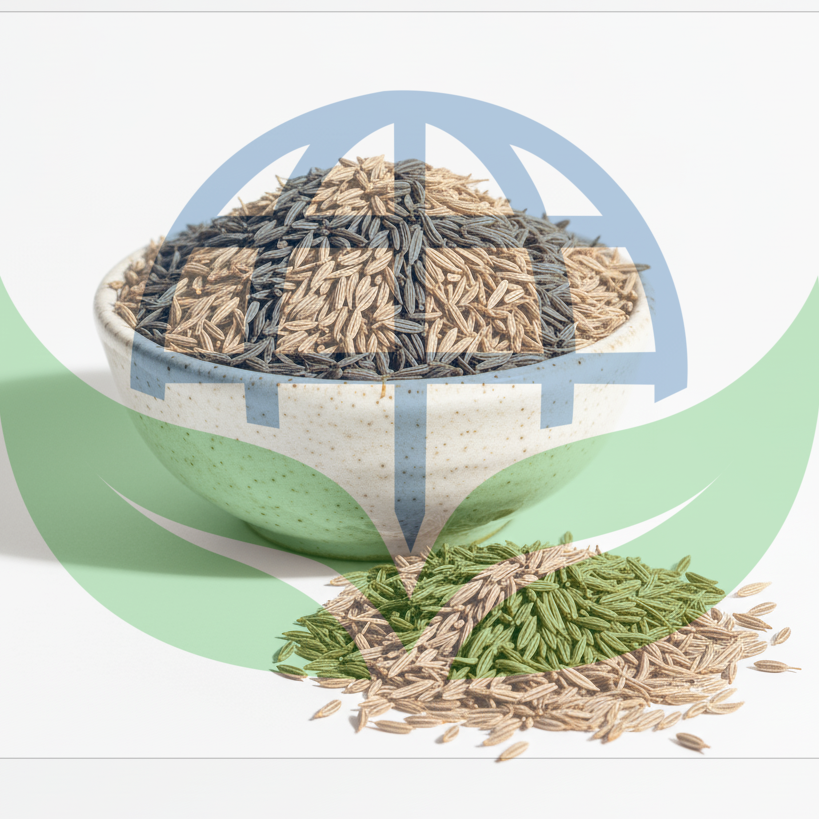
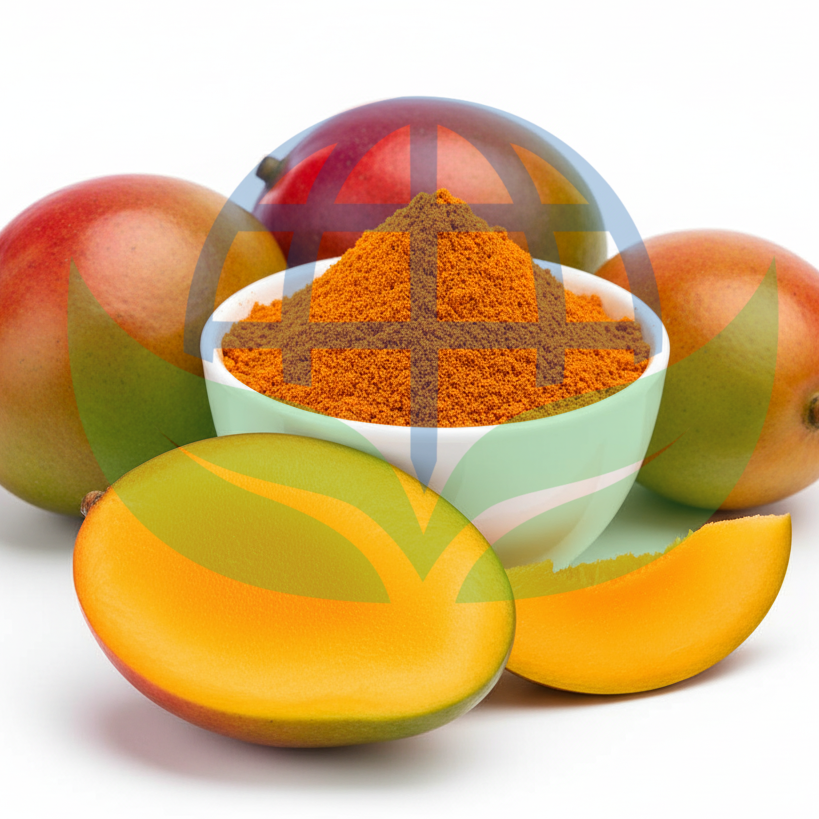
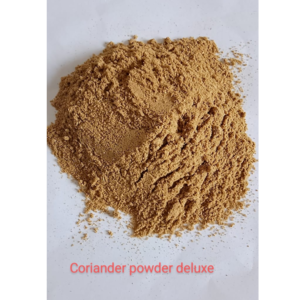
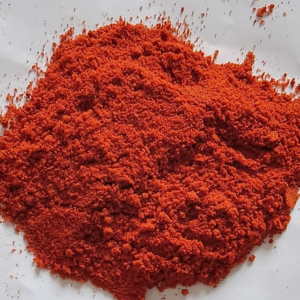
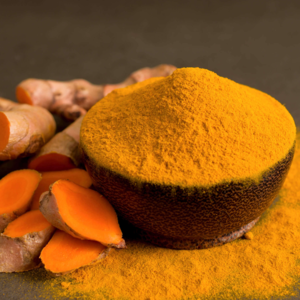
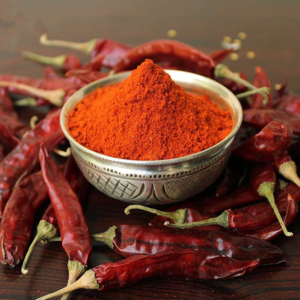
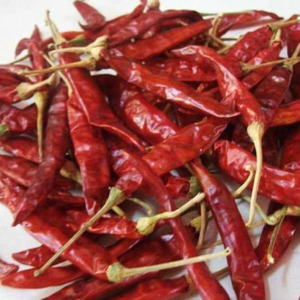
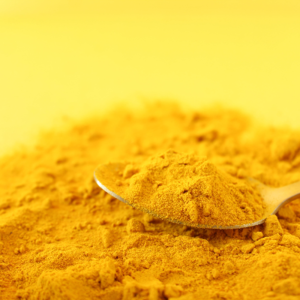
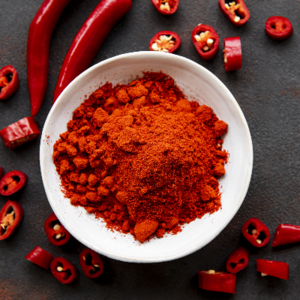
The supplier’s product list includes Turmeric Powder, Coriander Powder, Red Chilli Powder, Alphonso Mango Pulp (HPVG‑AMP‑01), Ginger Paste (Non‑Aseptic, HPVG‑GP‑02), Black Pepper Powder (HPVG‑BPP‑04), Cumin Seeds (HPVG‑CS‑07), Freeze‑Dried Strawberry (HPVG‑FDS‑08), Spray‑Dried Mango Powder (HPVG‑SDMP‑09) and Moringa Leaves Powder (HPVG‑MLP‑10). Materials range from dried rhizomes and seeds to fresh fruit processed into pulp, paste or dried forms, reflecting a focus on Indian agricultural and herbal outputs.
Product Range and Specialties of HPVALIA GLOBAL PRIVATE LIMITED
The spice powders - Turmeric, Coriander, Red Chilli, Black Pepper and Cumin - are typically marketed in food‑grade polyethylene bags with moisture limits below 12 % and ash content defined by the Indian Spice Board. Particle size for fine powders usually falls between 200 µm and 500 µm, and exporters often provide pesticide residue reports complying with EU maximum residue limits. Fruit‑based products such as Alphonso Mango Pulp, Spray‑Dried Mango Powder and Freeze‑Dried Strawberry are processed to retain natural Brix levels (around 15‑20 % for pulp) and residual moisture below 5 % for dried forms, packaged in bulk drums or 20‑ft containers with food‑safe liners. Herbal powders like Moringa Leaves Powder are ground to a fine consistency (≈300 µm) and tested for microbial limits (e.g., total plate count < 10⁴ CFU/g).
Trade and Export Information - HPVALIA GLOBAL PRIVATE LIMITED
India ranks among the top global exporters of spices and processed fruit ingredients, with major import markets in the European Union, United States, Middle East and Southeast Asia. The products fall under HS Chapter 09 (spices and condiments) and Chapter 20 (prepared foods, fruit preparations), and buyers typically request compliance with ISO 22000 or FSSC 22000 food safety management systems, along with HACCP plans. Organic‑focused buyers often look for USDA Organic or EU organic certificates, while many importers require a phytosanitary certificate issued by the Indian FSSAI. Standard logistics involve 20‑ft or 40‑ft containers, with spice powders packed in multi‑layer polyethylene bags, fruit pulp in food‑grade IBC drums, and dried fruit powders in vacuum‑sealed bags to protect against moisture ingress.
Sourcing from HPVALIA GLOBAL PRIVATE LIMITED - Buyer Guidance
When sourcing from HPVALIA, request a recent Certificate of Analysis for each product, including moisture, ash, microbial and pesticide residue results. Verify that the internal HS‑code reference (e.g., HPVG‑CS‑07 for Cumin Seeds) matches the product description and that the supplier can provide a phytosanitary certificate and, if required, an organic certification audit report. Typical minimum order quantities are 500 kg for spice powders, 1 000 kg for bulk fruit pulp and 200 kg for specialty dried powders, with lead times of four to six weeks after order confirmation.
Frequently Asked Questions About HPVALIA GLOBAL PRIVATE LIMITED
What quality specifications are commonly applied to Indian spice powders?
Exporters usually guarantee moisture below 12 %, ash content as per Indian Spice Board standards, particle size between 200 µm and 500 µm, and pesticide residues within EU maximum limits. Microbial limits such as total plate count under 10⁴ CFU/g are also standard.
Which documents should I request before purchasing Turmeric Powder?
Ask for a recent Certificate of Analysis covering moisture, curcumin content, heavy metal limits and pesticide residues, as well as a phytosanitary certificate and the supplier’s food‑safety management system certification (ISO 22000 or FSSC 22000).
How is Freeze‑Dried Strawberry packaged for export?
It is typically packed in vacuum‑sealed, food‑grade polyethylene bags with a residual moisture content below 5 %, then placed in 20‑ft containers with moisture‑barrier liners to preserve quality during transit.
What certifications are typically required for the organic herbal powders such as Moringa Leaves Powder?
Buyers usually request proof of organic status, such as USDA Organic or EU organic certification, alongside a COA, HACCP plan and a phytosanitary certificate to satisfy import regulations.
What is the usual minimum order quantity for Cumin Seeds (HPVG‑CS‑07)?
The common MOQ for whole spice seeds from Indian exporters is 500 kg per shipment, though larger volumes are often negotiated for container loads.
What lead time should I expect for Alphonso Mango Pulp (HPVG‑AMP‑01)?
Lead times typically range from four to six weeks after order confirmation, allowing for fruit harvesting, pulp processing, quality testing and packaging.
Which HS‑code references correspond to the listed products?
The catalogue provides internal HS‑code identifiers: HPVG‑AMP‑01 for Alphonso Mango Pulp, HPVG‑GP‑02 for Ginger Paste, HPVG‑BPP‑04 for Black Pepper Powder, HPVG‑CS‑07 for Cumin Seeds, HPVG‑FDS‑08 for Freeze‑Dried Strawberry, HPVG‑SDMP‑09 for Spray‑Dried Mango Powder and HPVG‑MLP‑10 for Moringa Leaves Powder.
What shipping terms and container types are typical for these products?
Exporters often use CIF or FOB Incoterms, shipping spice powders and dried powders in 20‑ft or 40‑ft containers with food‑grade liners, while liquid or pulp products are loaded in IBC drums or bulk bags within the same containers.





 Ahmedabad, India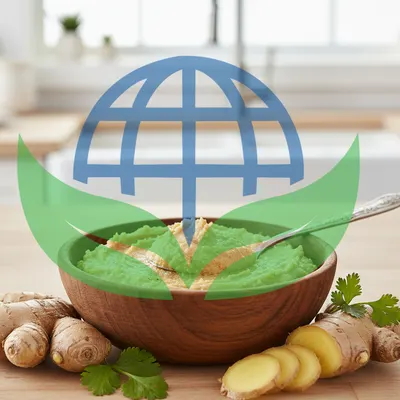






.jpg.png)