Lucrum Global Private Limited — Verified Supplier
About Lucrum Global Private Limited - Agro Products Supplier in India
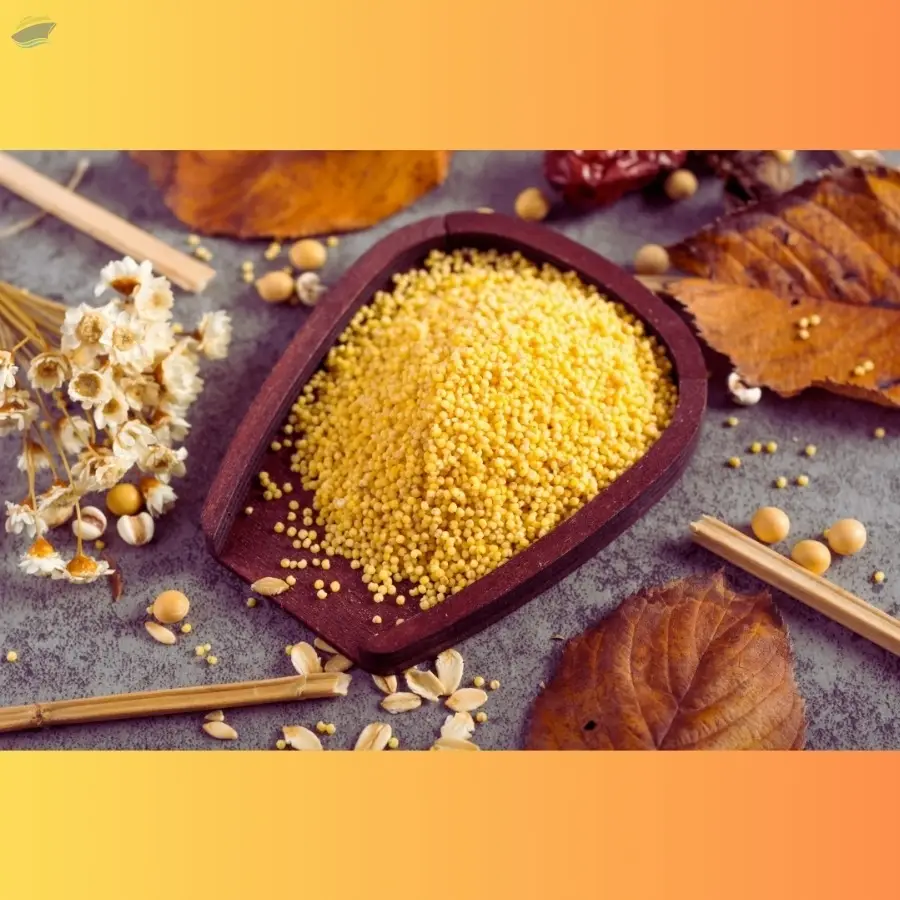
Lucrum Global Private Limited operates from India and lists 25 active agro‑product items in its catalogue. The company’s catalogue covers a breadth of HS‑code families, including HS 1006 for millets, HS 0905 for dehydrated spices, HS 0802 for nuts and kernels, and HS 1005 for rice and other cereals. The product list reflects a focus on organically grown millets, a variety of spice seeds, and several nut types, all sourced directly from Indian farming regions.
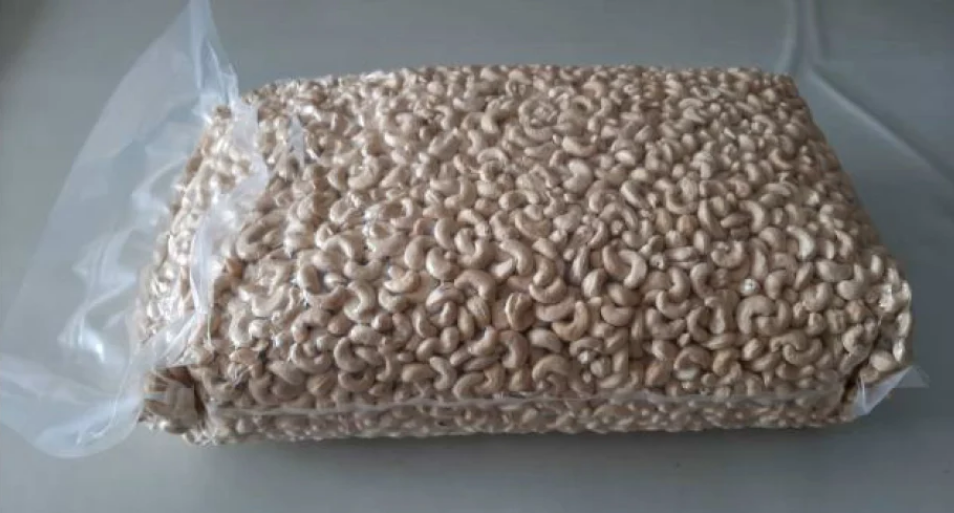
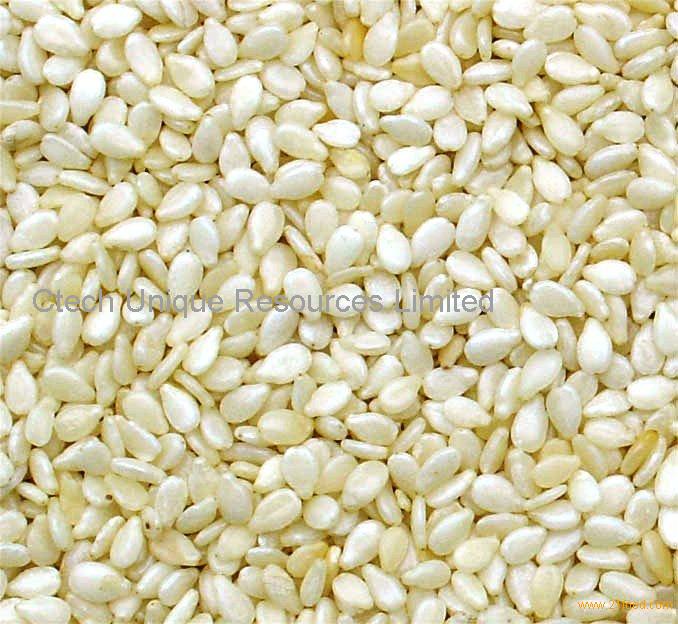
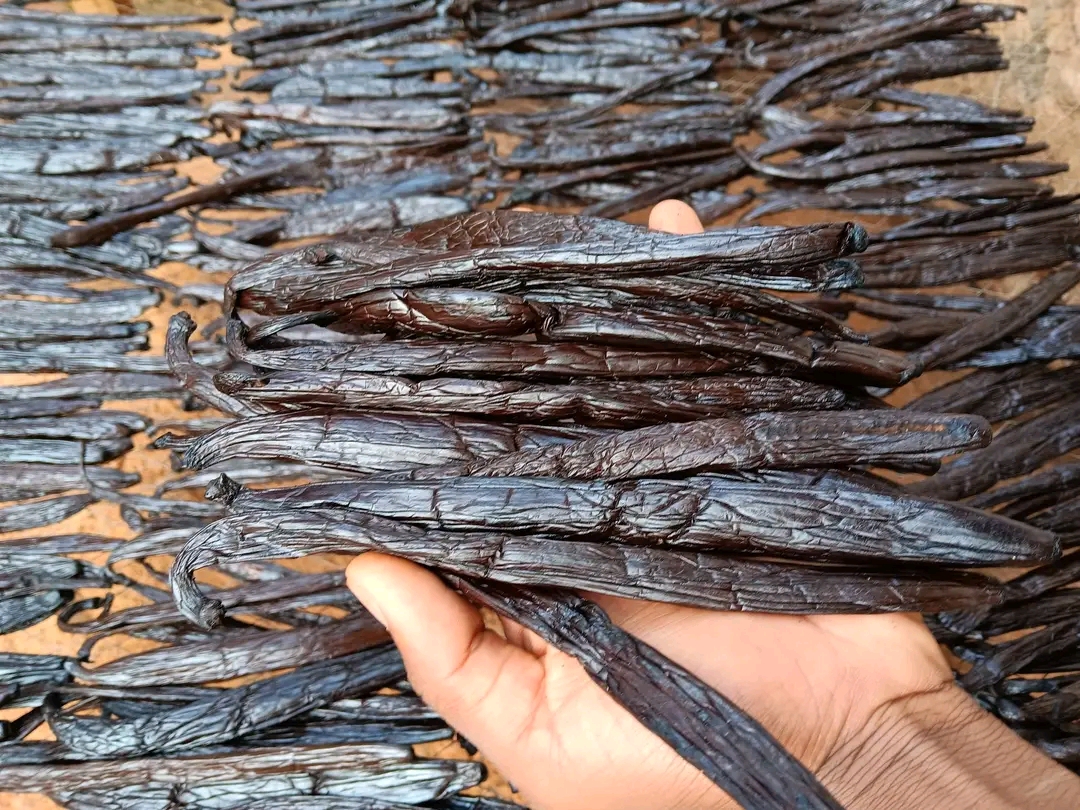
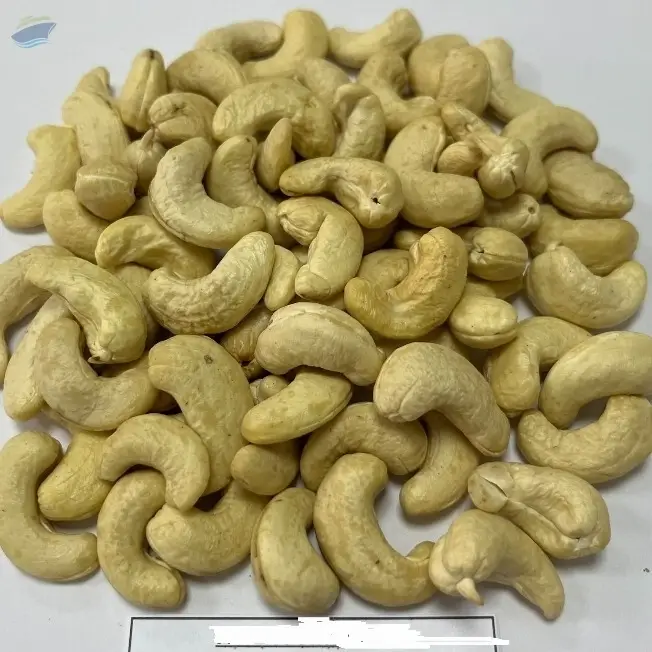
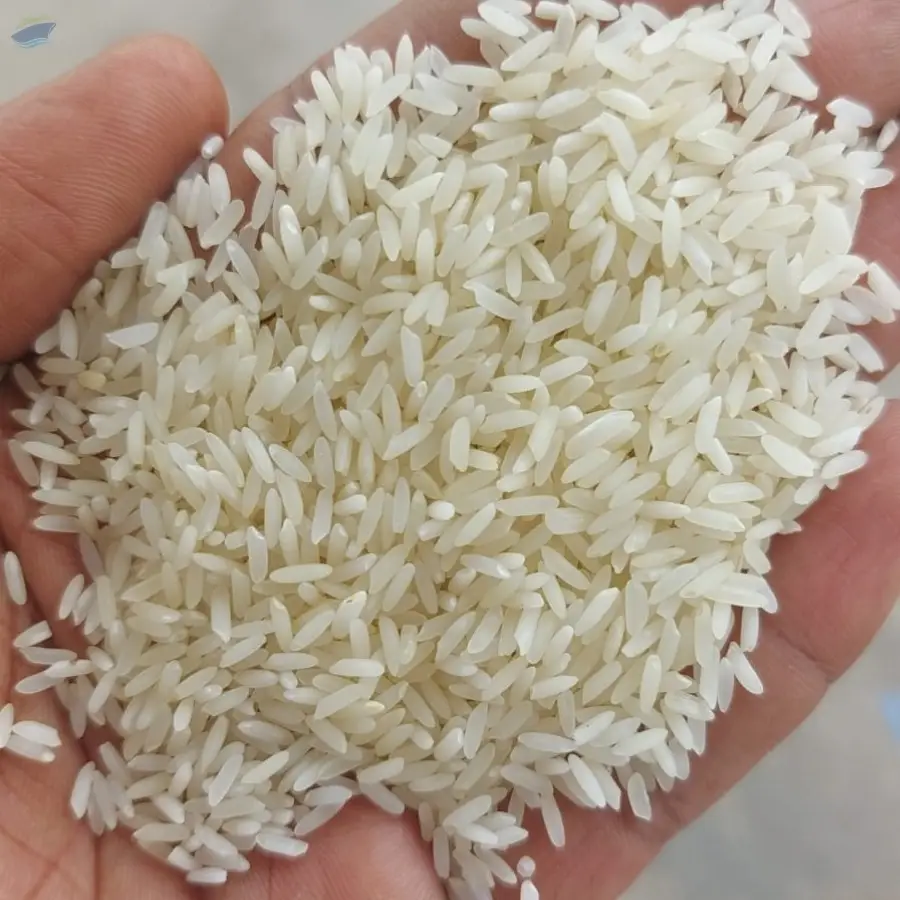
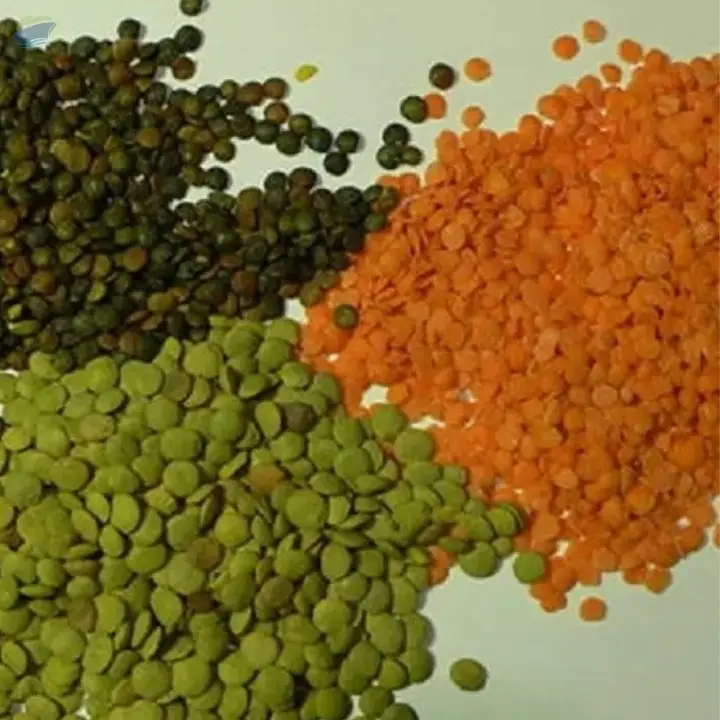
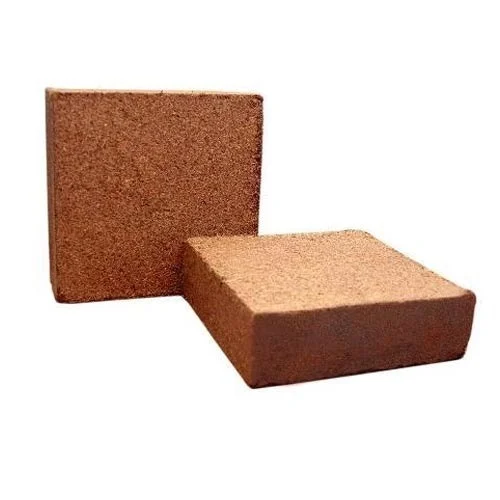
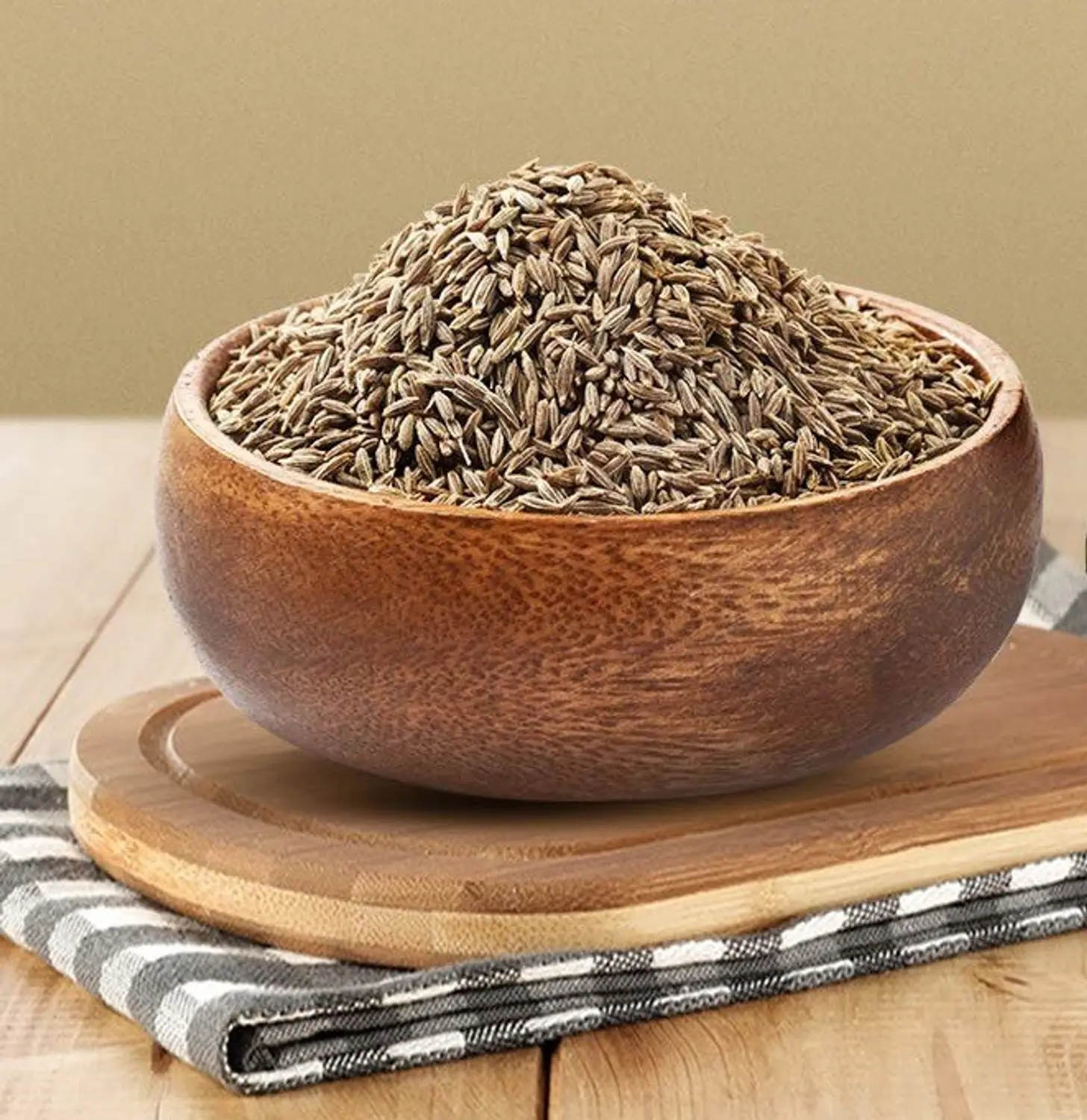
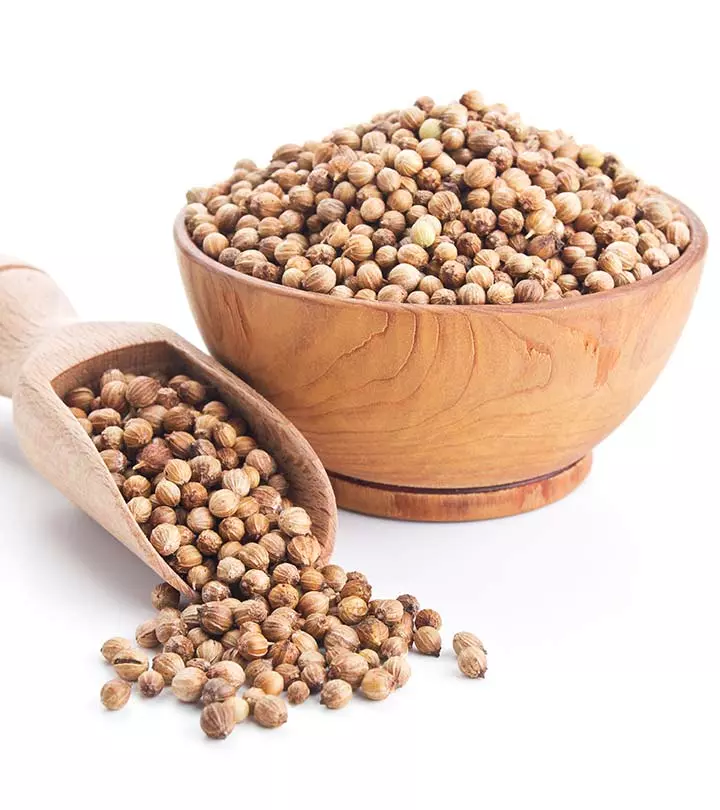
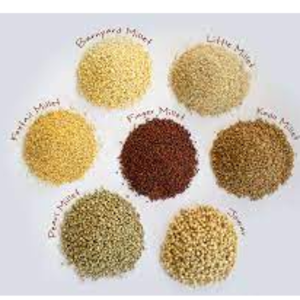
The supplier’s current listing includes specific items such as sorghum millet, barnyard millet, browntop millet, pearl millet, proso millet, foxtail millet, little millet, cashew nuts, fox nuts (makhana), roasted flavour makhana, various spice seeds (cardamom, black pepper, cumin, coriander, fennel, fenugreek), turmeric, clove, saffron, rice, groundnut, and coco peat. Each product is identified by its common name without additional HS‑code details, reflecting the supplier’s emphasis on a diversified raw‑material portfolio for food processing and snack manufacturing.
Product Range and Specialties of Lucrum Global Private Limited
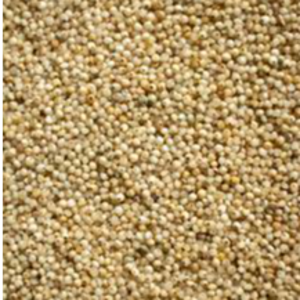
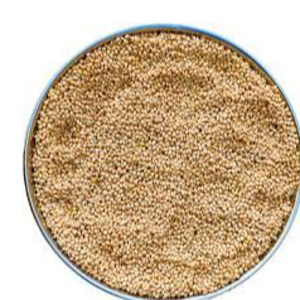
The catalogue’s millet segment comprises six varieties - sorghum, barnyard, browntop, pearl, proso and foxtail - which in international trade are typically classified under HS 1006 and graded by moisture content (usually ≤13 %) and impurity limits below 1 %. Indian millets are often supplied in 25 kg polypropylene bags for bulk buyers. The spice segment (cardamom, black pepper, cumin, coriander, fennel, fenugreek, clove, turmeric, saffron) falls under HS 0905 and is commonly offered in grades such as “A‑grade” with essential oil content specifications (e.g., cardamom ≥5 % essential oil, black pepper ≥ 45 % piperine). Nut products like cashew nuts, fox nuts, groundnut and roasted makhana belong to HS 0802 and are usually exported as “W180” (cashew) or “Grade A” with shell‑free percentages above 95 % and aflatoxin limits under 10 µg/kg. Packaging formats range from 1 kg retail packs to 20 ft containers loaded with 20 kg or 25 kg bulk bags.
Trade and Export Information - Lucrum Global Private Limited
India is a major exporter of millets, spices and nuts, with the European Union, United States, Middle East and Southeast Asia representing the largest import markets. HS 1006 millets and HS 0905 spices routinely require phytosanitary certificates and compliance with EU pesticide residue limits (maximum residue levels - MRLs). Typical certifications requested by overseas buyers include FSSAI registration, ISO 22000 food safety management, and organic certifications such as NPOP or USDA‑Organic where applicable. Shipping is frequently arranged on a CIF basis using 20 ft or 40 ft containers; millets and spices are palletised on wooden dunnage, while nuts are often packed in jute or polypropylene bulk bags. Indian exporters also adhere to the Customs (Export) Regulations that mandate electronic filing of export documents and the issuance of a Certificate of Origin for preferential duty treatment under various trade agreements.
Sourcing from Lucrum Global Private Limited - Buyer Guidance
Buyers should request up‑to‑date FSSAI registration, ISO 22000 or HACCP audit reports, and, where organic claims are made, the relevant organic certification documents. Sample testing for moisture (millets ≤13 %), essential oil content (spices), aflatoxin (nuts ≤10 µg/kg) and pesticide residues is standard practice before finalising large orders. Verify the HS code used on the commercial invoice matches the product description to avoid customs discrepancies. Confirm packaging details - bulk bags of 20 kg or 25 kg for millets and nuts, sealed poly bags for spices - and ask for a packing list showing container dimensions and weight distribution.
Frequently Asked Questions About Lucrum Global Private Limited
What product categories does Lucrum Global Private Limited list?
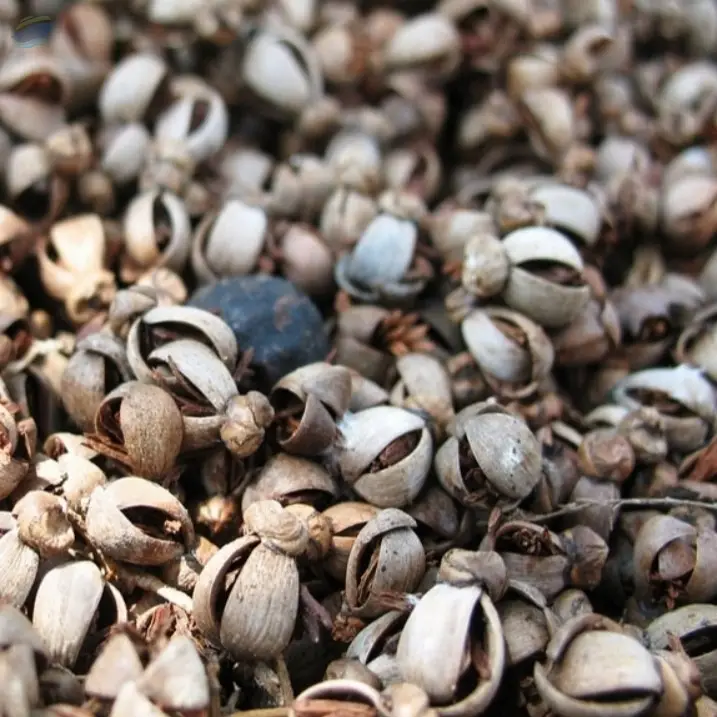
The supplier lists 25 items covering millets (six varieties), nuts (cashew, fox nuts, groundnut), a range of spice seeds, turmeric, clove, saffron, rice, coco peat and cultured Cordyceps.
Which HS‑code families are associated with the listed products?
Typical HS families are 1006 for millets, 0905 for dehydrated spices, 0802 for nuts and kernels, and 1005 for rice and related cereals.
What certifications should a buyer request from this Indian supplier?
Buyers should ask for FSSAI registration, ISO 22000 or HACCP audit reports, and any organic certification (e.g., NPOP, USDA‑Organic) if the product is marketed as organic.
What are the common quality specifications for Indian millets exported from India?
Millets are generally required to have moisture ≤13 %, impurity levels below 1 %, and be packed in 25 kg polypropylene bags with proper labeling of variety and grade.
How are Indian spices typically graded for export?
Spice grades are based on essential oil content (e.g., cardamom ≥5 % oil, black pepper ≥45 % piperine) and low pesticide residues, with “A‑grade” indicating compliance with EU MRLs.
What packaging formats are used for nuts and makhana?
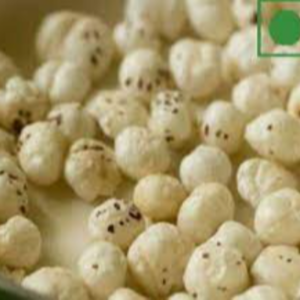
Nuts and roasted makhana are usually shipped in 20 kg or 25 kg bulk polypropylene or jute bags, loaded on pallets inside 20 ft or 40 ft containers.
Which markets commonly import the products offered by Lucrum Global?
Key import markets include the European Union, United States, Gulf Cooperation Council countries, and Southeast Asian nations that source millets, spices and nuts from India.
What documentation is needed for customs clearance of these agro products?
Customs typically requires a commercial invoice with correct HS code, a phytosanitary certificate, a Certificate of Origin, and any applicable food safety certificates such as FSSAI or ISO 22000.




 , India




.jpg.png)