That Broken Pen — Verified Manufacturer & Wholesale Supplier
About That Broken Pen - Spices Supplier in India
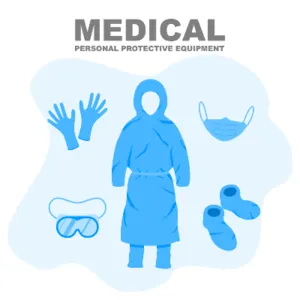
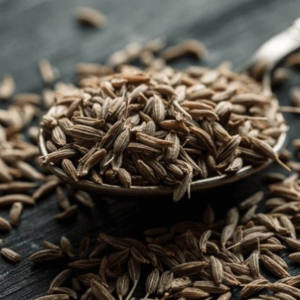
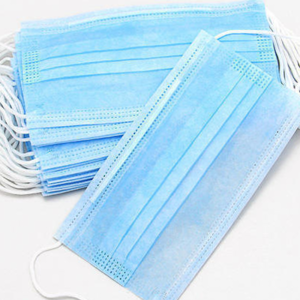
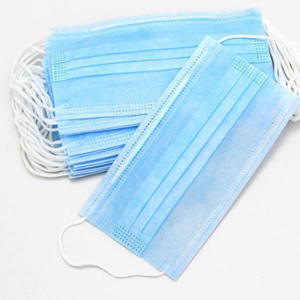
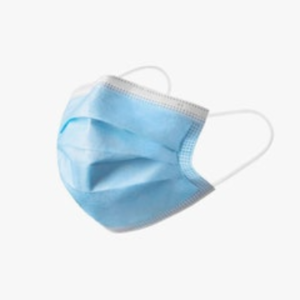
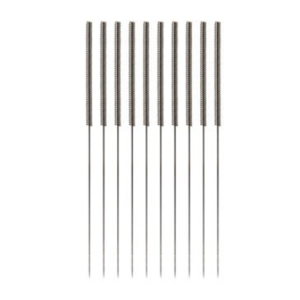
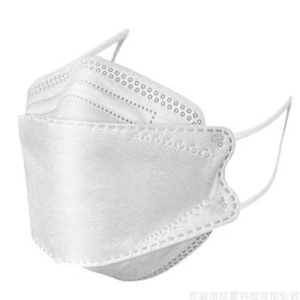
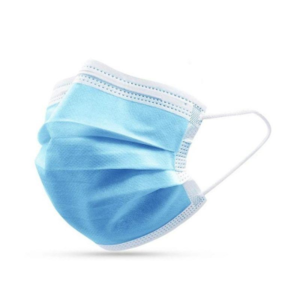
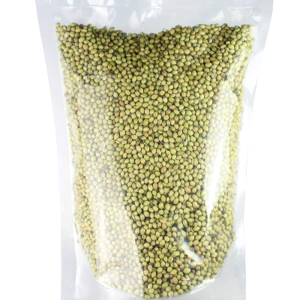
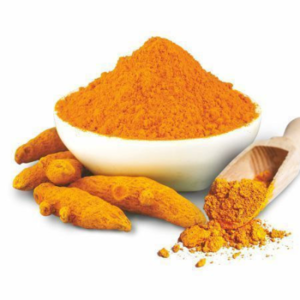
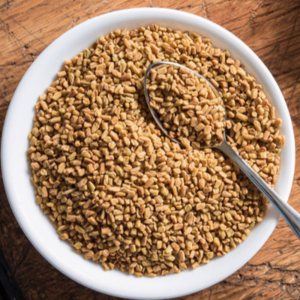
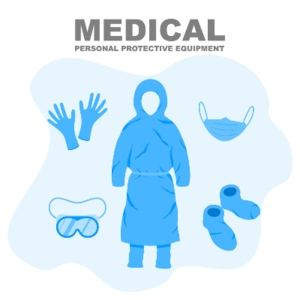
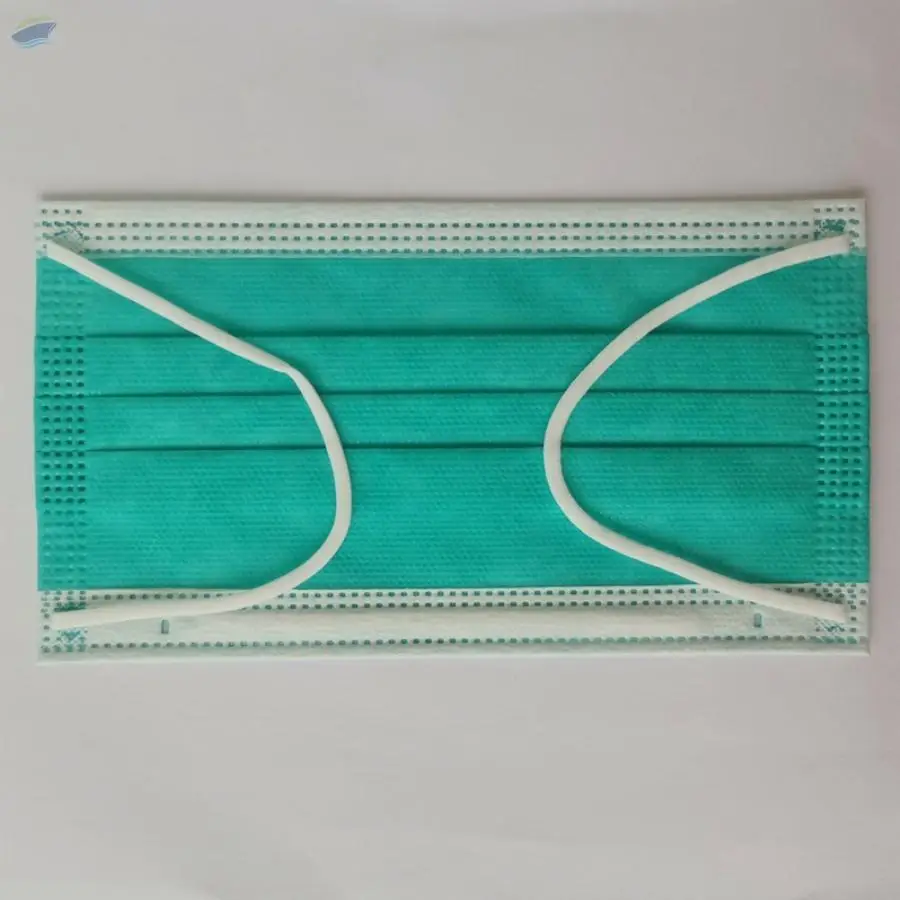
That Broken Pen is based in Nicobar, Andaman & Nicobar, India and lists 59 active products across spice and medical disposable categories. The catalogue records organic coriander whole seeds (HS 24632), turmeric powder (HS 24633), organic fenugreek seeds (HS 24634) and cumin seeds (HS 0909.31) alongside a wide set of non‑woven polypropylene face masks (HS 6307.90) and nitrile gloves (HS 4015.19). The supplier also offers medical‑grade items such as acupuncture tools (HS 9018.32) and diagnostic test kits (HS 3822.00). Each entry includes a specific HS‑code and material description, allowing buyers to match tariff classifications precisely. The product mix reflects both agricultural exports and manufactured personal protective equipment from the same Indian entity.
Product Range and Specialties of That Broken Pen
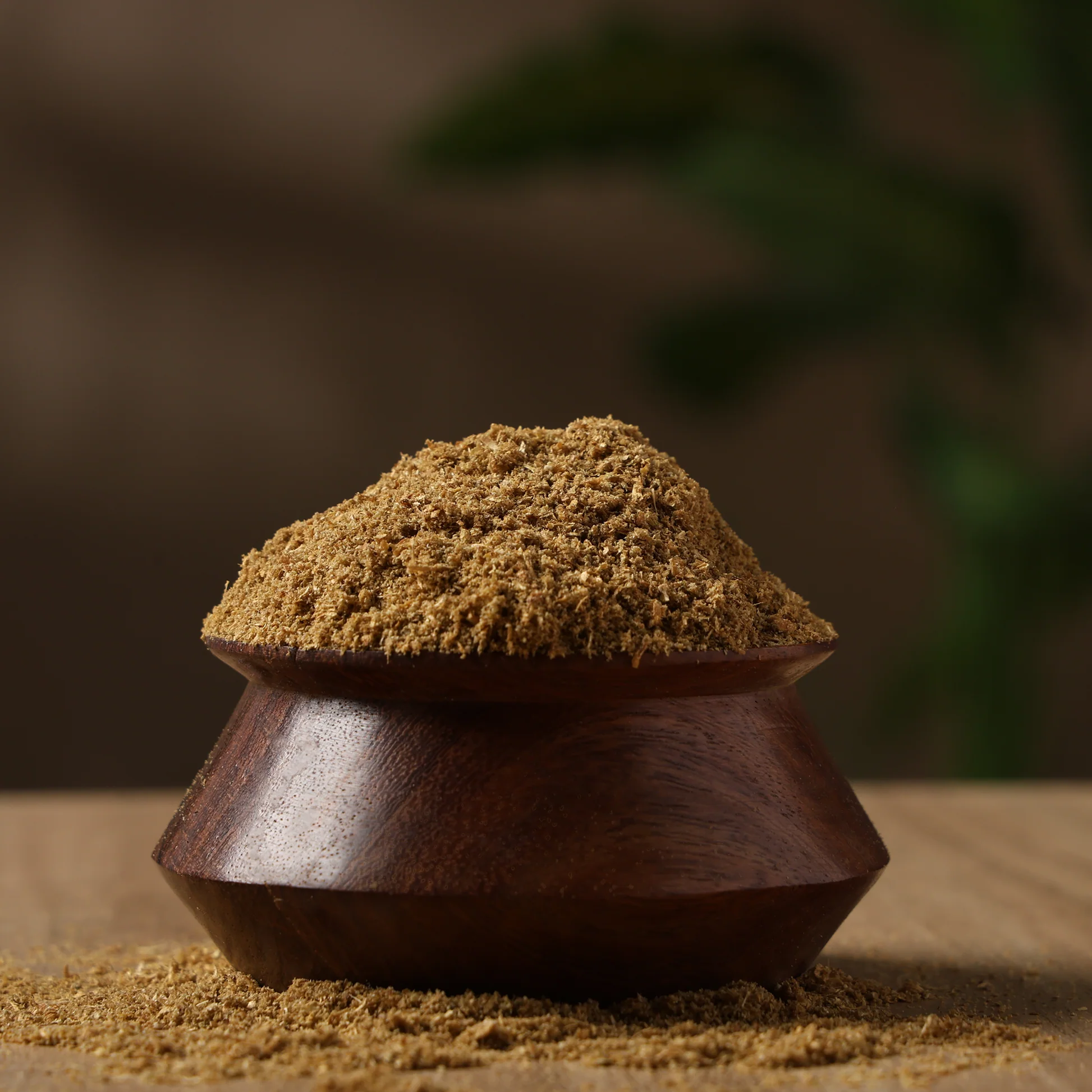
The spice segment includes four listed items: organic coriander seeds, turmeric powder, organic fenugreek seeds and cumin seeds. In the global spice market, coriander seeds are typically sold with a moisture content below 12 % and a purity of 98 % or higher, while turmeric powder is graded by curcumin content (often 3 - 6 %). Fenugreek and cumin seeds are commonly evaluated for oil content and the presence of foreign matter, with standard limits of 0.2 % for ash and 0.15 % for pesticide residues. The medical disposables comprise 1‑ to 5‑ply face masks made from non‑woven polypropylene, where melt‑blown filtration layers target a bacterial filtration efficiency (BFE) of ≥95 % and a particle filtration efficiency (PFE) of ≥98 % for 3‑ply masks. Nitrile gloves are typically supplied in 100 % NBR with a thickness of 0.10 - 0.20 mm and a tensile strength of 15 - 20 MPa. The catalogue also lists stainless‑steel acupuncture needles (304/316L) and rapid diagnostic kits that use nitrocellulose membranes, both standard in Indian medical‑device production.
Trade and Export Information - That Broken Pen
India ranks among the top exporters of both spices and PPE, with the EU, United States and Middle East being the primary spice destinations and Southeast Asia, Africa and Europe importing the PPE items. HS chapter 24 (spices) and chapter 63 (non‑woven textiles) are the relevant tariff lines; buyers usually verify that the declared HS codes align with the product description to avoid duty re‑classification. Typical certifications demanded for Indian spice exporters include FSSAI registration, ISO 22000 food safety management, and organic certification such as USDA Organic or EU Organic, while PPE exporters are often required to provide CE marking, ISO 13485 for medical devices, and test reports confirming BFE/PFE performance. Export shipments are commonly packed in 25 kg jute bags for spices and bulk cartons (e.g., 1000 pcs per 20‑ft container) for masks, with freight terms of FOB or CIF prevailing. Indian customs inspection for spices may involve pesticide residue analysis under the Codex Alimentarius limits, whereas PPE may be subject to random sampling for filtration efficiency under EU PPE Regulation.
Sourcing from That Broken Pen - Buyer Guidance
When sourcing from That Broken Pen, request the latest organic certification copy for the coriander, fenugreek and turmeric items, as well as a recent FSSAI license. For the PPE line, ask for a CE Declaration of Conformity, a test report showing BFE/PFE values, and a material safety data sheet for the polypropylene layers. Verify that the HS codes on the commercial invoice match the product specifications to prevent customs delays. Samples of spices should be provided in 500 g quantities with a certificate of analysis covering moisture, ash, and pesticide limits; mask samples should include at least 100 pcs of each ply type for filtration testing before bulk order.
Frequently Asked Questions About That Broken Pen
What spice products does That Broken Pen list in its catalogue?
The catalogue includes organic coriander whole seeds (HS 24632), turmeric powder (HS 24633), organic fenugreek seeds (HS 24634) and dried cumin seeds (HS 0909.31).
Which HS codes are used for the face mask products?
All listed face mask variants - 1‑ply, 2‑ply, 3‑ply, 5‑ply and anti‑virus masks - use HS 6307.90, the code for other made‑up textile articles, especially non‑woven protective apparel.
What material is used for the disposable gloves?
The disposable gloves are made from nitrile butadiene rubber (NBR) and are marketed as latex‑free, classified under HS 4015.19.
Are organic certifications available for the spice items?
The supplier states an organic focus; buyers should request the current organic certification (e.g., USDA or EU Organic) and an FSSAI license before placing an order.
What test documentation is typical for the medical face masks?
Buyers normally ask for a CE Declaration of Conformity and a laboratory test report showing bacterial filtration efficiency (BFE ≥ 95 %) and particle filtration efficiency (PFE ≥ 98 %) for the specific ply count.
What packaging formats are used for spice shipments?
Indian spice exporters commonly pack bulk spices in 25 kg jute bags, which can be loaded into 20‑ft or 40‑ft containers; the supplier’s catalogue follows this standard practice.
How can I obtain a sample of the diagnostic test kit?
Request a single unit sample; the kit is housed in ABS/PP plastic with a nitrocellulose membrane and includes a certificate of analysis for sensitivity and specificity.
What are the typical lead times for mask orders?
Lead times for non‑woven polypropylene masks generally range from 2 to 4 weeks after order confirmation, depending on the ply configuration and required certifications.





 Nicobar, India