infinity exports — Verified Trader & Wholesale Supplier
About infinity exports - Coconut & Spice Products Supplier in India
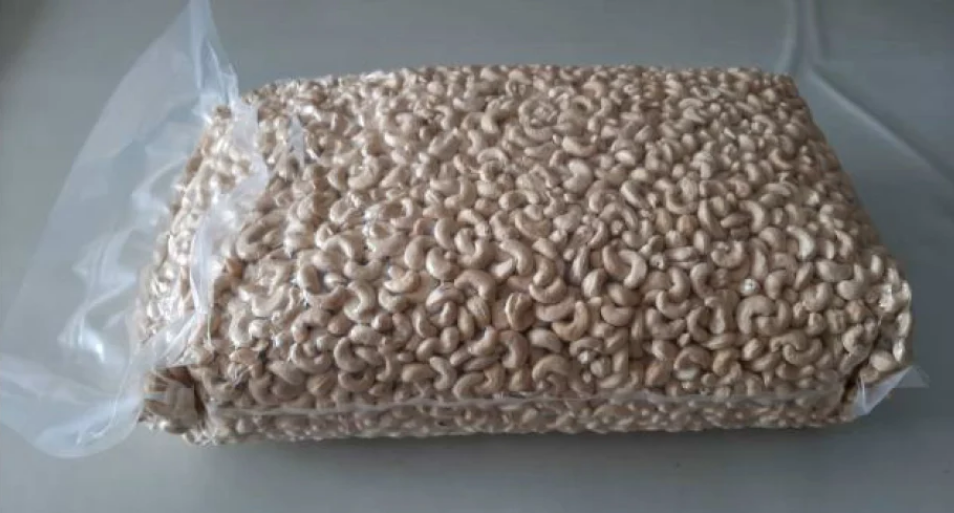
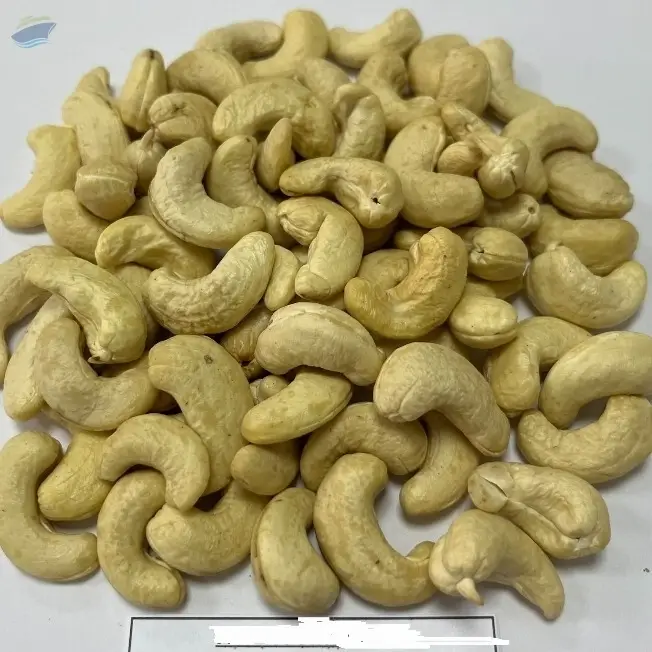
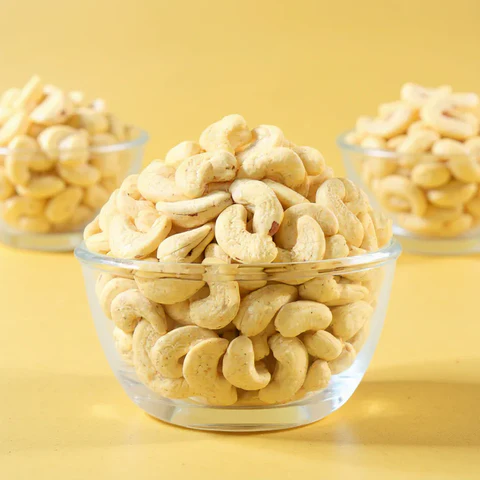
India, Dindigul in Tamil Nadu lists 21 active products. The catalogue spans coconut derivatives such as semi‑husked coconut, coconut shell, copra and shell powder, as well as a range of spices including chilli powder, turmeric (finger, bulb and powder), cumin, fennel, fenugreek, pepper (whole and powder), white pepper powder, star anise, clove, green cardamom, and additional items like cashew nuts, dry grapes, banana leaf and elephant foot yam. Each item is identified with its corresponding HS‑code family, for example 0801.10 for semi‑husked coconut and 0904.20 for chilli powder. The supplier’s tier is marked as organic, indicating that the listed commodities are sourced from farms following organic practices. The product list reflects both primary agricultural produce and processed forms.
The coconut segment follows HS chapter 08 (fresh fruit) and chapter 14 (shells), while the spice segment is classified under HS chapter 09 (spices, condiments, pepper). The catalogue also includes items under HS 06 (banana leaf) and HS 07 (elephant foot yam). All entries specify the material, for instance “Fresh Coconuts (Cocos nucifera), Partially Husked” for semi‑husked coconut and “Ground Curcuma Longa Rhizome” for turmeric powder. The range therefore covers fresh produce, dried kernels, powders and by‑products that are commonly traded from India to international markets.
Product Range and Specialties of infinity exports
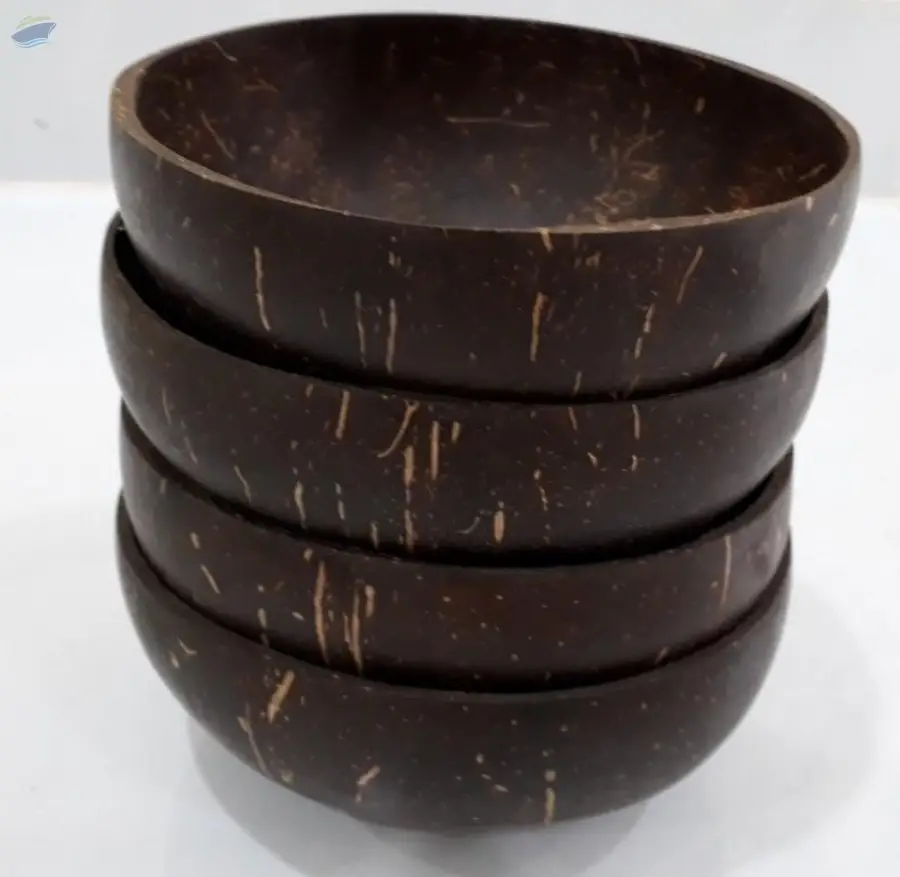
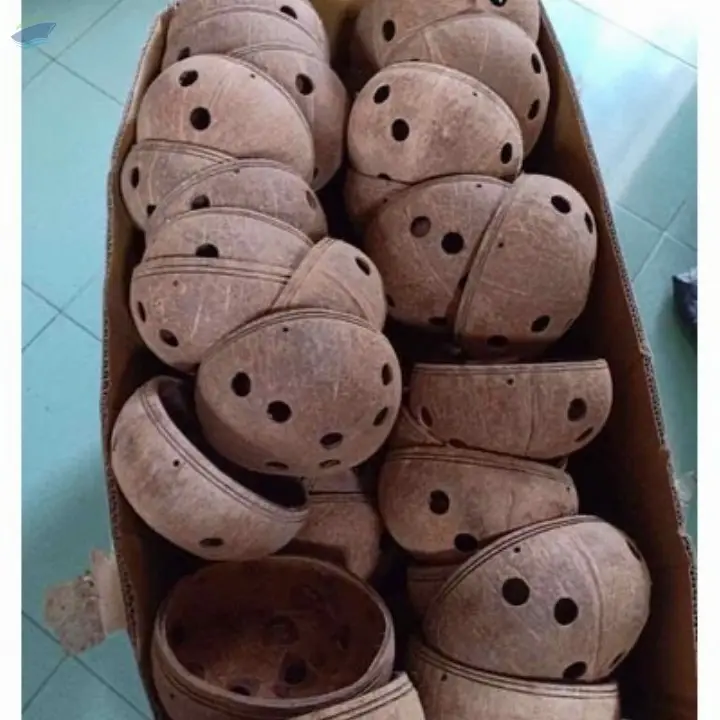
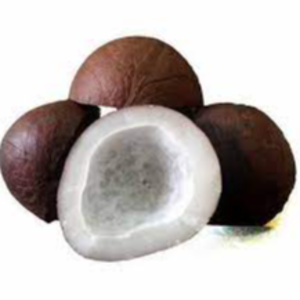
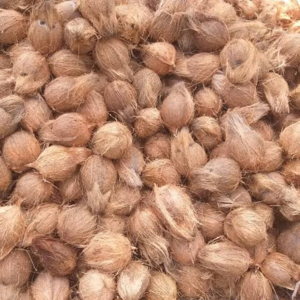
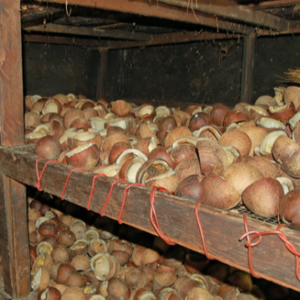
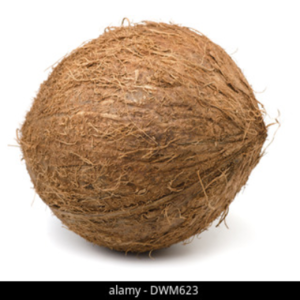
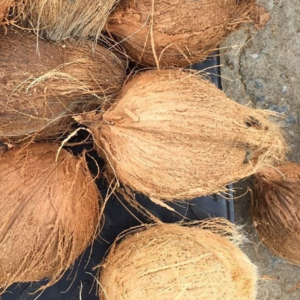
India’s coconut exports typically include semi‑husked nuts with moisture content of 50‑55 % and a weight of 1.2‑1.5 kg per piece, classified under HS 0801.10. Coconut shell (HS 1401.90) is supplied in bulk for charcoal or activated carbon production, with a bulk density of 0.45‑0.55 t/m³. Copra (HS 1203.00) is dried to a moisture level below 7 % and yields 60‑65 % oil, a standard metric for the industry. Coconut shell powder (HS 2308.90) is marketed for abrasive and filtration applications, often meeting particle size specifications of 0.5‑2 mm.
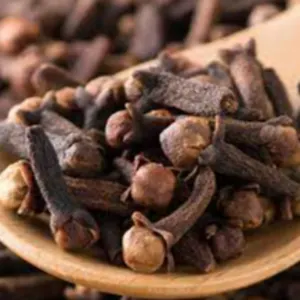
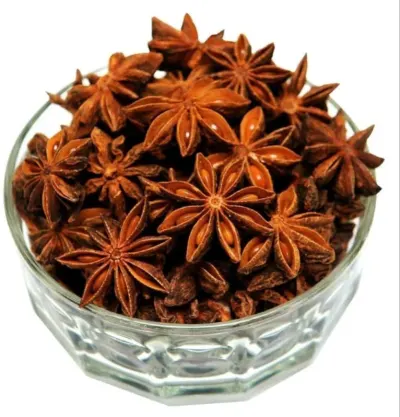
Typical spice grades from India conform to international specifications: chilli powder (HS 0904.20) is graded by colour index (CI 30‑40) and moisture ≤12 %; turmeric powder (HS 0910.30) is usually sold as ICUMSA 45‑60 with ash content <6 %; black and white pepper (HS 0904.11‑12) are assessed by oil content (12‑14 %) and size (8‑12 mm). Whole cumin seeds (HS 0909.31) and fennel seeds (HS 0909.61) are evaluated for essential oil content (0.8‑1.5 % for cumin, 1.0‑2.0 % for fennel). Star anise, clove and green cardamom are exported in 25 kg jute bags, meeting the standard moisture limits of 10‑12 % for anise and 6‑8 % for clove.
Trade and Export Information - infinity exports
India ranks among the top global exporters of coconuts and spices, with shipments frequently destined for the Middle East, the European Union, the United States and Southeast Asia. HS chapter 08 and 09 commodities are subject to phytosanitary certification, a certificate of origin and, where applicable, organic verification such as NOP or India’s National Programme for Organic Production. Containers are typically loaded as 20‑ft or 40‑ft units, using PP‑lined jute bags for powders and wooden crates for coconut shells. Indian export regulations require compliance with the Agricultural and Processed Food Products Export Development Authority (APEDA) standards, which align with ISO 22000 food safety protocols.
Sourcing from infinity exports - Buyer Guidance
Buyers should request a recent phytosanitary certificate, a laboratory analysis for moisture, oil content and pesticide residues, and, for organic‑labelled items, the corresponding organic certification document. Sample quantities of 5‑10 kg per spice are standard for quality verification, while a single semi‑husked coconut lot of 1 ton can be inspected for size uniformity. Verify that the HS code on the commercial invoice matches the product description, and confirm packaging details such as 25 kg jute bags for powders or 1‑ton bulk bags for copra before finalising the order. Lead times from Dindigul typically range from 30 to 45 days after order confirmation, with container loading coordinated through major Indian ports such as Chennai.
Frequently Asked Questions About infinity exports
What product categories does infinity exports offer?
The supplier lists 21 items ranging from coconut derivatives (semi‑husked coconut, shell, copra, shell powder) to a full line of spices (chilli, turmeric, cumin, fennel, fenugreek, pepper, star anise, clove, green cardamom) and ancillary agricultural goods such as cashew nuts, dry grapes, banana leaf and elephant foot yam, each identified with its HS code.
Which HS codes are used for the coconut products?
Semi‑husked coconut is classified under HS 0801.10, coconut shell under HS 1401.90, copra under HS 1203.00 and coconut shell powder under HS 2308.90. These codes fall within the standard chapters for fresh fruit, shell material and processed plant products.
What are the typical quality specifications for turmeric powder from India?
Indian turmeric powder is commonly sold as ICUMSA 45‑60 with moisture not exceeding 12 % and ash content below 6 %. Buyers usually request a certificate of analysis confirming curcumin content and absence of heavy metals.
How are spice powders usually packaged for export?
The standard export packaging for powders such as chilli, turmeric, cumin and pepper is 25 kg multi‑wall jute bags lined with polypropylene, sealed to protect against moisture and contamination. For larger shipments the bags are palletised inside a 20‑ft or 40‑ft container.
What certifications should a buyer verify before purchasing organic‑labelled items?
Buyers should obtain a copy of the organic certification (e.g., NOP or India’s National Programme for Organic Production), a phytosanitary certificate, and a food‑safety certificate such as ISO 22000 or FSSAI compliance, as these are the documents typically required for organic agricultural exports.
What are the common minimum order quantities (MOQ) for the listed spices?
MOQs in the Indian spice market generally start at 500 kg per spice variety, although bulk orders of 1 ton or more are common for items like chilli powder and black pepper. Smaller samples of 5‑10 kg can be arranged for quality testing.
Which regions import the coconut and spice products supplied by infinity exports?
Major import destinations include the United Arab Emirates, Saudi Arabia, the United Kingdom, Germany, the United States and Singapore, reflecting the global demand for Indian coconuts, copra, and a broad selection of spice powders.





 Dindigul, India





.jpg.png)