Madina Traders — Verified Supplier
About Madina Traders - Raw Leather, Sesame Oil, Cumin Seeds, Sesame Seeds, Dehydrated Ginger, Jute Products Supplier in Bangladesh
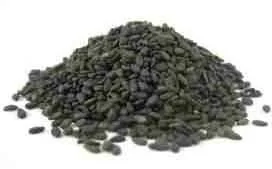
Madina Traders, located in Bangladesh, offers 8 active products. The company lists a variety of goods, including Wet Blue Cow Split Leather, Sesame Oil, Black Cumin Seed, Sesame Seeds, Fresh Potatoes, GEO Jute Textiles, New Binola Jute Bags, and Jute Twine/Yarn. Exporters of leather, oil, and seeds from Bangladesh typically ship to regions such as Europe, the Middle East, and Africa. Buyers of these goods usually require compliance with standards like ISO 9001 and ISO 22000.
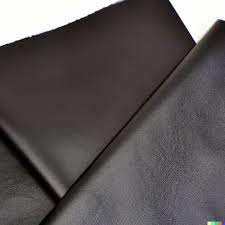
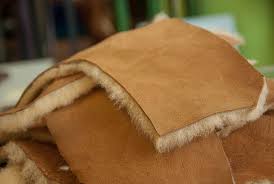
The company's product range includes raw leather, which is often used in the production of shoes, belts, and other leather goods. Sesame oil and seeds are commonly used in the food industry, while jute products are used in the manufacture of bags, yarn, and other textiles. Dehydrated ginger is often used in the production of spices and flavorings. Bangladesh is a significant exporter of jute products, with many companies in the country producing quality jute goods.
Product Range and Specialties of Madina Traders
Madina Traders' product range includes raw leather, which is typically graded according to its thickness, with common grades including 1.2-1.5 mm and 1.8-2.2 mm. Sesame oil is often classified according to its color and aroma, with common types including cold-pressed and hot-pressed oil. Cumin seeds are typically graded according to their size and color, with common grades including #1 and #2. Jute products are often classified according to their weight and thickness, with common grades including 200-400 gsm and 10-20 oz/yd².
The company's catalogue also includes dehydrated ginger, which is often used in the production of spices and flavorings. Fresh potatoes are commonly used in the food industry, while jute bags and yarn are used in the manufacture of textiles and other goods. Buyers of these goods should request specifications, samples, and test reports to ensure compliance with their requirements.
Trade and Export Information - Madina Traders
Exporters of leather, oil, and seeds from Bangladesh typically ship to regions such as Europe, the Middle East, and Africa. The HS code families involved in the export of these goods include 4107 for leather, 1515 for sesame oil, and 1207 for cumin seeds. Certifications commonly required for these goods include ISO 9001 and ISO 22000, as well as compliance with regulations such as REACH and FDA.
Buyers of these goods should be aware of the regulatory requirements for their region and ensure that the supplier is compliant. Incoterms such as CIF and FOB are commonly used in the export of these goods, and buyers should request documentation such as commercial invoices and packing lists. Logistics norms such as containerization and palletization are also important considerations.
Sourcing from Madina Traders - Buyer Guidance
Buyers sourcing from Madina Traders should request specifications, samples, and test reports for the goods they are interested in. They should also verify the supplier's compliance with regulations such as REACH and FDA, and request certifications such as ISO 9001 and ISO 22000.
It is also important for buyers to confirm the MOQ and lead time for the goods they are interested in, as well as the packaging and shipping options available. They should request documentation such as commercial invoices and packing lists, and ensure that the supplier is compliant with Incoterms such as CIF and FOB. Verification of the supplier's trust tier and active product count can also provide assurance of their reliability.
Frequently Asked Questions About Madina Traders
What is the typical grade of raw leather used in the production of shoes?
The typical grade of raw leather used in the production of shoes is 1.2-1.5 mm. However, this can vary depending on the specific requirements of the buyer. It is recommended to request specifications and samples from the supplier to ensure compliance with your requirements.
What is the difference between cold-pressed and hot-pressed sesame oil?
Cold-pressed sesame oil is extracted using a mechanical press, while hot-pressed sesame oil is extracted using heat. Cold-pressed oil is often considered to be of higher quality and have a more delicate flavor.
What is the typical MOQ for jute bags?
The typical MOQ for jute bags can vary depending on the supplier and the specific product. However, it is common for suppliers to have a MOQ of 1000-5000 units. It is recommended to confirm the MOQ with the supplier before placing an order.
What is the lead time for the production of dehydrated ginger?
The lead time for the production of dehydrated ginger can vary depending on the supplier and the specific product. However, it is common for suppliers to have a lead time of 2-4 weeks. It is recommended to confirm the lead time with the supplier before placing an order.
What is the typical packaging for jute yarn?
The typical packaging for jute yarn is in bales or bundles, with each bundle weighing 50-100 kg. However, this can vary depending on the supplier and the specific product. It is recommended to request specifications and samples from the supplier to ensure compliance with your requirements.
What is the HS code for sesame seeds?
The HS code for sesame seeds is 1207. However, it is recommended to confirm the HS code with the supplier and the relevant authorities to ensure compliance with regulations.
What is the certification required for the export of leather goods from Bangladesh?
The certification required for the export of leather goods from Bangladesh can vary depending on the specific product and the region it is being exported to. However, common certifications include ISO 9001 and ISO 14001. It is recommended to request certifications and compliance documents from the supplier to ensure compliance with regulations.
What is the Incoterm commonly used for the export of jute products from Bangladesh?
The Incoterm commonly used for the export of jute products from Bangladesh is CIF. However, this can vary depending on the supplier and the specific product. It is recommended to confirm the Incoterm with the supplier before placing an order.




 , Bangladesh