Vrunda Overseas — Verified Supplier
About Vrunda Overseas - Organic Spices Supplier in India
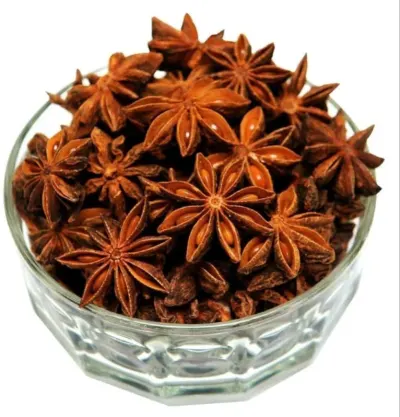
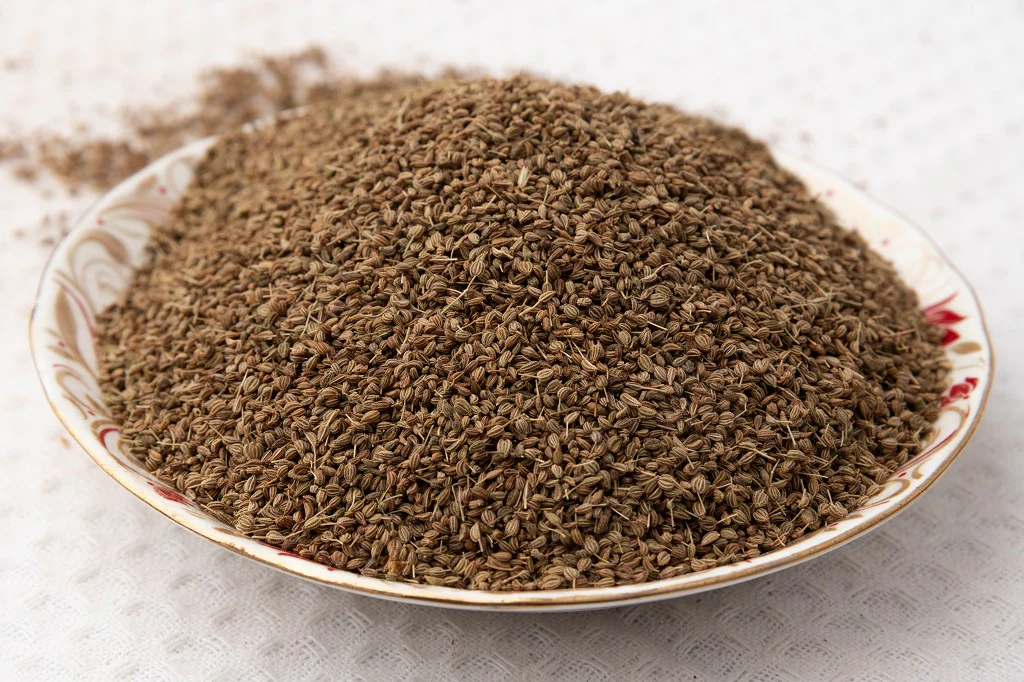
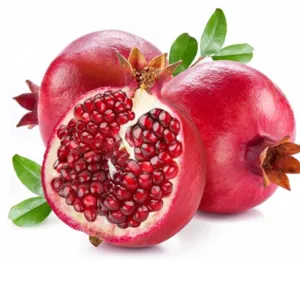
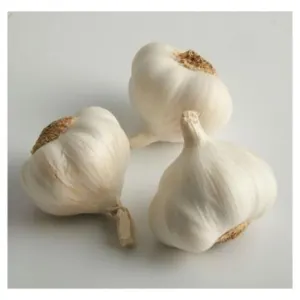
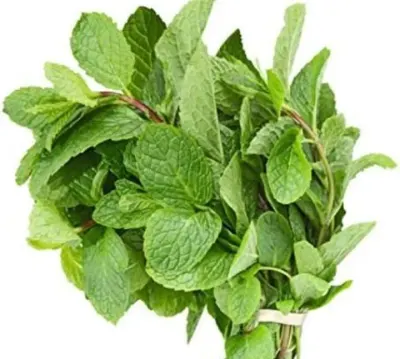
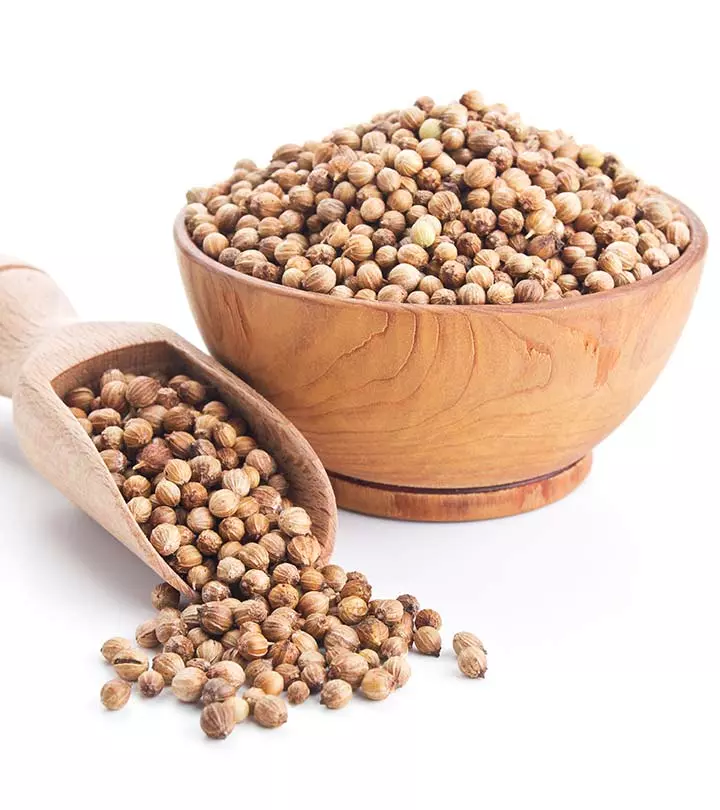
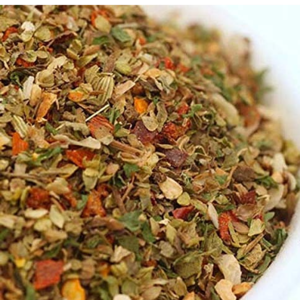
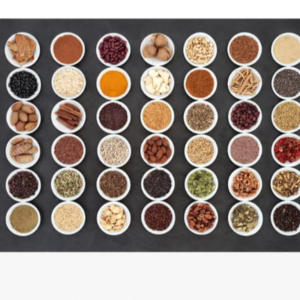
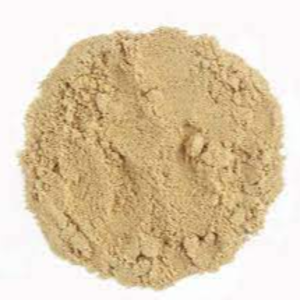
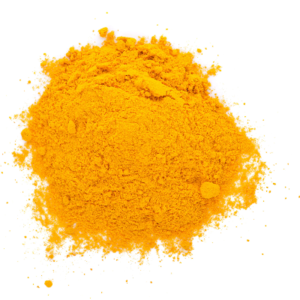
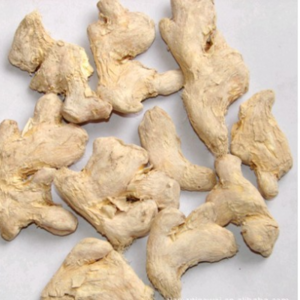
Vrunda Overseas is based in India and lists 25 active organic spice products. The catalogue includes whole and ground forms such as Cumin Seeds, Chili Powder, Turmeric, Green Cardamom, Black Pepper, Clove, Cinnamon, Ginger, Mustard seeds, Garam Masala, Curry Powder, Coriander Seeds, Fennel Seeds, Dried Mint, Garlic, Tamarind, Fenugreek Seed, Pomegranate, Tejpat, Tazaki Hing, Carom Seeds, Star Anise and Nutmeg. All items are recorded under the broader HS chapter 09 for spices, with most products falling under sub‑heading 0904 which covers dried herbs, spices and related mixtures. The supplier’s profile states that the spices are sourced from farms that follow organic farming practices and are processed in facilities that aim to preserve aroma and nutritional value.
The product list reflects a focus on both common culinary staples and specialty aromatics used in South Asian and international cuisines. Each entry corresponds to a distinct organic spice or blend, and the catalogue does not differentiate between duplicate entries such as "Cumin Seeds" and "Cumin Seed". The range spans dried seeds, whole spices, ground powders and aromatic herbs, providing a comprehensive selection for buyers seeking organic Indian spice ingredients.
Product Range and Specialties of Vrunda Overseas
Vrunda Overseas’ catalogue covers 25 distinct organic spice items, ranging from seed spices (Cumin, Mustard, Fennel, Carom) to bark spices (Cinnamon), flower buds (Clove, Star Anise) and root powders (Ginger, Turmeric). In the spice trade, typical quality grades are defined by moisture content (usually ≤12 % for whole seeds, ≤8 % for powders), particle size (whole seed length 8‑12 mm for Cumin, 6‑9 mm for Coriander), and color standards such as ICUMSA for powdered spices where applicable. Organic batches are commonly verified against standards like India Organic (NPOP) or international equivalents (USDA Organic, EU organic). Buyers also look for compliance with food safety systems such as ISO 22000 or HACCP, which are industry‑wide requirements for bulk spice exporters. Packaging formats include 25 kg jute bags, 1 kg PET jars or bulk bulk‑container loads, matching the typical logistics for HS 0904 commodities.
Trade and Export Information - Vrunda Overseas
India is one of the world’s largest exporters of organic spices, with major import destinations in the United States, European Union, Middle East and Southeast Asia. HS 0904 products are subject to phytosanitary inspection and often require a certificate of origin, as well as an organic certificate when labeled as such. Importers frequently request compliance with food safety standards (ISO 22000, HACCP) and may ask for a commodity‑specific analysis report covering moisture, ash and microbial limits (e.g., total plate count < 10⁴ cfu/g, yeast & mould < 10³ cfu/g). Typical Incoterms used by Indian spice exporters are FOB Indian ports (such as Mumbai or Mundra) and CIF to destination ports. Container loading follows standard 20‑ft or 40‑ft configurations, with bulk spices packed in moisture‑resistant liners inside the outer jute or polypropylene sacks to meet HS‑code handling requirements.
Sourcing from Vrunda Overseas - Buyer Guidance
When sourcing organic spices from Vrunda Overseas, buyers should request the current organic certification (e.g., NPOP or USDA Organic) together with a recent phytosanitary certificate. A product specification sheet should detail moisture limits, particle size distribution, and any microbiological test results. Samples are usually supplied in 500 g to 1 kg quantities; confirming sample results against the buyer’s specifications helps validate batch consistency before full‑scale orders. Standard minimum order quantities for bulk shipments are often 500 kg per SKU, with lead times ranging from 30 to 45 days after order confirmation, depending on seasonal harvest cycles. Verification of ISO 22000 or HACCP audit reports is advisable to ensure the processing facility meets international food safety expectations.
Frequently Asked Questions About Vrunda Overseas
What organic certifications does Vrunda Overseas provide for its spices?
The supplied data does not list specific certifications; buyers should request the current organic certificate, such as India Organic (NPOP) or an equivalent international certification, before placing orders.
Which HS code applies to the spices listed by Vrunda Overseas?
All listed spices fall under HS chapter 09, with most items classified under sub‑heading 0904, which covers dried herbs, spices and mixtures.
What typical moisture limits should buyers expect for whole seed spices?
For whole seed spices like Cumin, Mustard and Fennel, industry standards usually require moisture content of 12 % or lower to maintain shelf stability.
Are food safety management system documents available from the supplier?
The facts do not mention specific certifications; buyers should request copies of ISO 22000 or HACCP audit reports that are commonly required for spice exports.
What packaging formats are used for bulk spice orders?
Bulk orders are commonly packed in 25 kg jute bags or 1 kg PET jars; containers are loaded in standard 20‑ft or 40‑ft units with moisture‑resistant liners.
Which markets typically import Indian organic spices?
Major import markets include the United States, European Union countries, the Middle East and Southeast Asian nations, where buyers often require organic and food safety certifications.
What documentation is needed for customs clearance of these spices?
Customs usually require a commercial invoice, packing list, certificate of origin, phytosanitary certificate and any organic certification that supports the product label.
What is the typical lead time for a full container order?
Lead times are generally 30‑45 days after order confirmation, subject to harvest season and any required pre‑shipment testing.




 , India