SHRI SANJEEVARAYA HYBRID SEEDS — Verified Manufacturer & Wholesale Supplier
About SHRI SANJEEVARAYA HYBRID SEEDS - Hybrid Seed Supplier in India
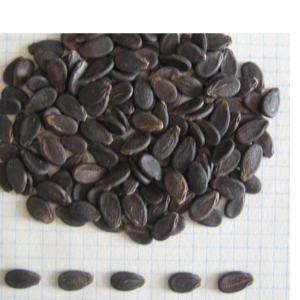
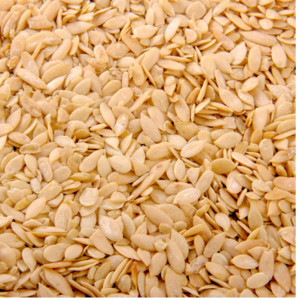
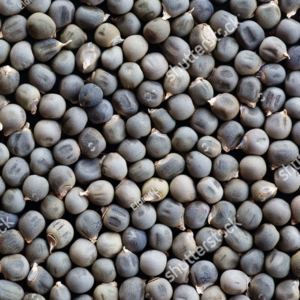
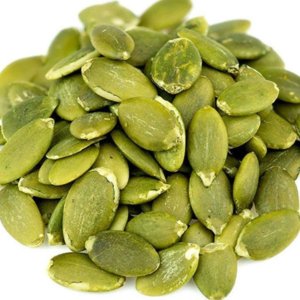
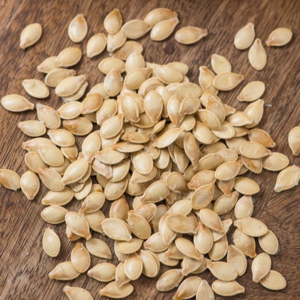
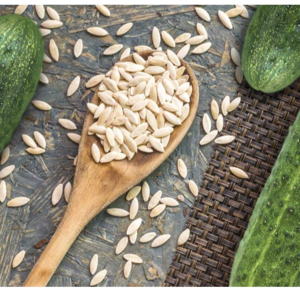
Located in Haveri District, Karnataka, India, SHRI SANJEEVARAYA HYBRID SEEDS lists six active hybrid seed products. The catalogue covers watermelon (HS 1209.29), muskmelon (HS 1209.99), okra (HS 1209.91), pumpkin (HS 1209.99), squash (HS 1209.91) and cucumber (HS 1209.91), each described as hybrid planting material for agricultural use. The supplier groups these items under broader categories such as Fruit Seeds, Vegetable Seeds, and Pumpkin Seeds, reflecting a focus on horticultural crops. All products are classified under HS Chapter 12 - Seeds, fruiting, for sowing, which is the standard customs tariff for seed commodities.
Product Range and Specialties of SHRI SANJEEVARAYA HYBRID SEEDS
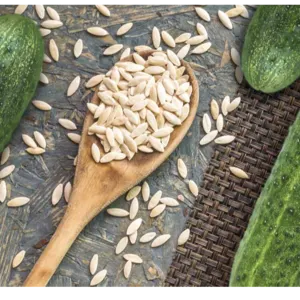
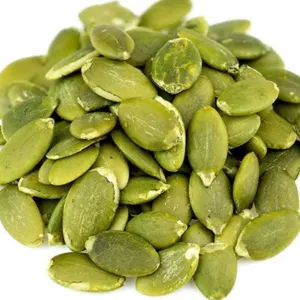
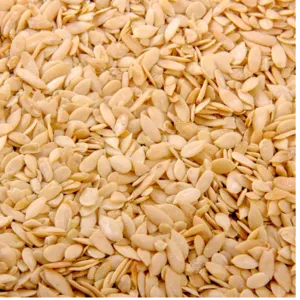
The product list includes hybrid watermelon (Cucumis lanatus) seeds, muskmelon (Cucumis melo) seeds, hybrid okra (Abelmoschus esculentus) seeds, Cucurbita pepo pumpkin seeds, Cucurbita spp. squash seeds and hybrid cucumber (Cucumis sativus) seeds. In the global seed market, hybrid varieties are typically evaluated by germination rates of 85 % - 95 %, purity above 95 %, and moisture content below 12 %. Buyers often request ISTA‑approved test reports that confirm these parameters, as well as seed health certificates confirming freedom from common pathogens. Common seed treatments include fungicide coating and pelleting to improve handling and early vigor, which are standard practices for the listed crops.
Trade and Export Information - SHRI SANJEEVARAYA HYBRID SEEDS
India ranks among the top exporters of horticultural seeds, with major destinations in the Middle East, East Africa, Southeast Asia and the European Union. HS 1209 codes are subject to phytosanitary inspection; exporters must provide a Phytosanitary Certificate issued by the Indian Plant Quarantine authority and, where required, an ISO 9001 quality management certificate or ISTA seed testing report. Shipping is usually done in 50 kg polypropylene bags, stacked in 20‑ft or 40‑ft containers, allowing 20 - 24 bags per cubic meter. Typical Incoterms for Indian seed exporters are FOB Indian ports such as Mumbai or Kolkata, with buyers arranging onward freight to regional hubs.
Sourcing from SHRI SANJEEVARAYA HYBRID SEEDS - Buyer Guidance
Buyers should request a recent germination test (ISTA‑G‑6) and seed purity analysis for each hybrid lot before placing an order. Verify that the shipment includes a Phytosanitary Certificate and, if the destination market requires, an additional seed health certificate or import permit. Confirm packaging details - 50 kg bags with moisture‑proof liners - and ask for a sample batch to assess vigor under the buyer’s target climate. Minimum order quantities for hybrid seeds are often set at one full container (≈ 1,200 kg) but can be negotiated for smaller quantities with appropriate documentation.
Frequently Asked Questions About SHRI SANJEEVARAYA HYBRID SEEDS
What HS codes apply to the seeds offered by SHRI SANJEEVARAYA HYBRID SEEDS?
The watermelon seeds fall under HS 1209.29, muskmelon and pumpkin seeds under HS 1209.99, and okra, squash and cucumber seeds under HS 1209.91, all within Chapter 12 for seeds, fruiting, for sowing.
Which certifications should a buyer request for these hybrid seeds?
Buyers typically request a Phytosanitary Certificate, an ISTA germination test report, and, where required by the importing country, an ISO 9001 or similar quality‑management certification.
What are the typical quality parameters for hybrid horticultural seeds?
Standard parameters include a germination rate of 85 % - 95 %, seed purity above 95 %, moisture content below 12 % and freedom from seed‑borne pathogens as confirmed by a seed health test.
What is the usual packaging and container loading for these seeds?
Seeds are packed in 50 kg polypropylene bags with moisture‑proof liners; a 20‑ft container can hold roughly 1,200 kg (about 24 bags) while a 40‑ft container accommodates about 2,400 kg.
What Incoterms are commonly used for shipments from India?
Exporters from India often quote FOB Indian ports such as Mumbai or Kolkata, allowing the buyer to arrange freight, insurance and onward logistics.
What is a typical lead time from order to shipment?
Lead times for hybrid seed batches usually range from 30 to 45 days, depending on seed treatment, testing and the issuance of phytosanitary clearance.
How can a buyer obtain a sample before full order?
Buyers can request a sample of 5 kg per variety, which the supplier can dispatch under the same phytosanitary requirements, enabling the buyer to conduct germination and vigor tests under local conditions.
Which regions commonly import hybrid watermelon and cucumber seeds from India?
Key import regions include the Middle East (UAE, Saudi Arabia), East Africa (Kenya, Tanzania), Southeast Asia (Vietnam, Thailand) and the European Union, where the climate matches the performance profile of Indian hybrid varieties.




 Haveri District, India