Trust Herbal — Supplier

About Trust Herbal - Herbs and Spices Supplier in Egypt

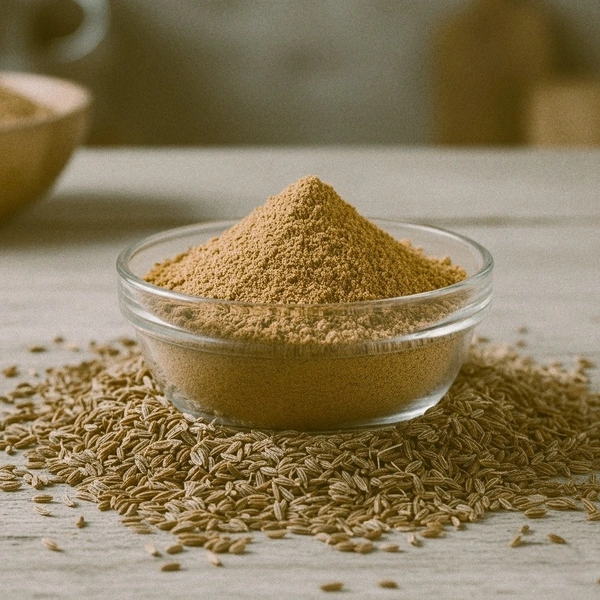
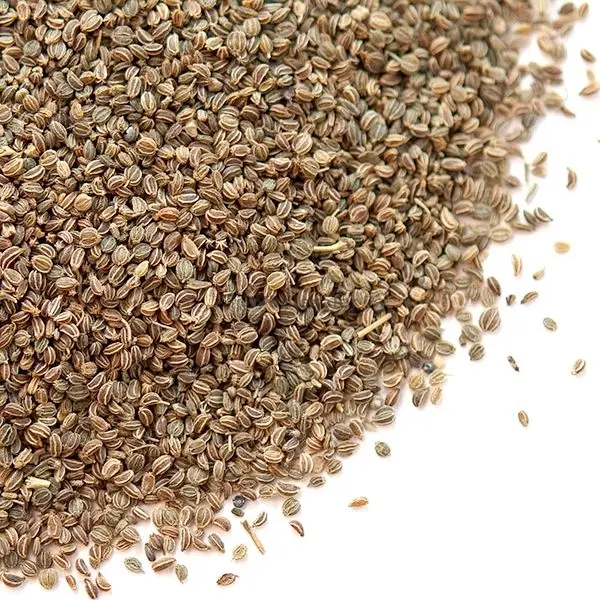
Egypt hosts a diversified catalogue of 25 agricultural and spice items listed by Trust Herbal. The supplier’s active product count spans categories such as Agriculture Products, Other Fresh Vegetables, Sesame Seeds, Other Type Of Spices, Dehydrated Spices, Aniseeds, Fenugreek Seeds and Fresh Lemon, with individual listings that include sesame seeds, parsley, marjoram, lemon balm, caraway, aniseeds, fenugreek, lemon grass, dill tips, nettle leaves, coriander, sage, nigela, henna, echnicea, basil, celery, cumin, fennel seeds, hibiscus, peppermint, spearmint, calendula and chamomile.

The product set combines fresh herbs, dried spices and oil seeds that are normally classified under HS Chapter 09 for herbs and spices and Chapter 12 for oil seeds. Typical export packaging involves food‑grade polypropylene bags (20‑25 kg) loaded into 20 ft or 40 ft containers, allowing a full 20 ft container to carry roughly 800 kg of bulk herbs or seeds.

Product Range and Specialties of Trust Herbal

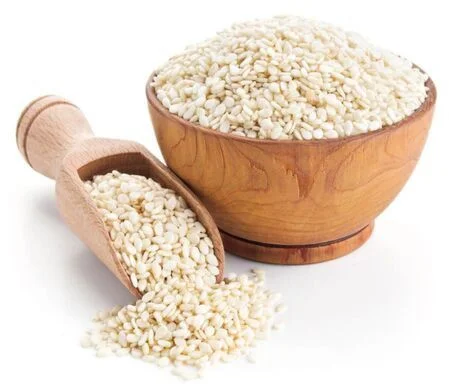
The catalogue enumerates 25 specific items, ranging from fresh leafy herbs such as parsley, basil, sage and celery to dried spice seeds including cumin, fennel, aniseeds and fenugreek. Sesame seeds are listed separately, reflecting their status as an oil seed rather than a spice. In the global market, sesame seeds are graded by hull removal and colour (white, off‑white) with typical purity levels of 98‑99 %. Fresh herbs are usually evaluated for moisture content (≤12 %) and leaf integrity, while dried spices are assessed for colour grade, essential‑oil percentage (e.g., cumin 0.8‑1.2 %) and particle size. These specifications align with the standards buyers encounter when sourcing Mediterranean and Middle‑Eastern herb products.

Trade and Export Information - Trust Herbal

Egypt is a long‑standing exporter of herbs, spices and oil seeds, supplying the European Union, Gulf Cooperation Council, Russia and Southeast Asian markets. The relevant HS codes fall under Chapter 09 (0909 for dried herbs, 0910 for spices) and Chapter 12 (1207 for oil seeds such as sesame). Importers typically require phytosanitary certificates, certificates of origin and food‑safety certifications such as HACCP or ISO 22000, especially for EU destinations where pesticide residue limits are strict. Shipping is commonly arranged on FOB terms from the Port of Alexandria, with buyers often opting for CIF to major European or Middle‑Eastern ports. Containerisation follows standard bulk practices: 20 ft containers hold approximately 800 kg of packed bags, while 40 ft containers can accommodate up to 1 600 kg.

Sourcing from Trust Herbal - Buyer Guidance

Buyers should request a Certificate of Analysis that details moisture, pesticide residues, microbial counts and, for seeds, oil content. A phytosanitary certificate and an EU‑compliant pesticide residue report are standard prerequisites for Egyptian herbs and spices. Prior to order confirmation, verify the supplier’s ability to provide HACCP or ISO 22000 documentation, and confirm packaging material (food‑grade PP bags) and container load plans to ensure compliance with the buyer’s logistics requirements.

Frequently Asked Questions About Trust Herbal

What product categories does Trust Herbal list?

Trust Herbal lists 25 items that cover sesame seeds, a full suite of fresh herbs (e.g., parsley, basil, sage, celery) and a range of dried spices such as aniseeds, fenugreek, cumin, fennel seeds, hibiscus, peppermint and spearmint.

Which HS code sections apply to these products?

Fresh herbs and dried spices are classified under HS Chapter 09 (0909 for dried herbs, 0910 for spices), while sesame seeds fall under HS Chapter 12, code 1207 for oil seeds.

What certifications should a buyer request?

Buyers normally request a phytosanitary certificate, a Certificate of Origin, a Certificate of Analysis, and, where required by the destination market, HACCP or ISO 22000 food‑safety certification.

What are typical packaging and container sizes?

Products are usually packed in 20‑25 kg food‑grade polypropylene bags. A standard 20 ft container can hold about 800 kg of such bags, and a 40 ft container can accommodate roughly 1 600 kg.

What quality specifications are common for these herbs and spices?

Fresh herbs are expected to have moisture content of 12 % or less and pesticide residues below EU maximum limits. Dried spices are evaluated for colour grade (bright), essential‑oil content (e.g., cumin 0.8‑1.2 %) and particle size uniformity.

What are typical lead times and minimum order quantities?

Lead times from Egypt generally range from 15 to 30 days after order confirmation. Minimum order quantities are commonly set at 500 kg per product, though the exact figure can be negotiated.

Which markets import Egyptian herbs and spices?

Key import markets include the European Union, GCC countries, Russia and Southeast Asian nations such as Malaysia and Singapore, all of which source Mediterranean herbs and spices regularly.

Which Incoterms are most frequently used for shipments?

Exporters from Egypt often quote FOB from the Port of Alexandria or CIF to major European and Middle‑Eastern ports, reflecting standard practice for bulk herb and spice shipments.


Featured Products from this Supplier

Other Suppliers in Primary Category

Top Trusted Suppliers

Related Products

Trending in Parent Category

More Suppliers in Category

Related Products

Other Suppliers

EximNext
7.2K+ live requirements
Register Free🎁 Reach global buyers
Post Requirement
🌍 Trusted by 225K+ businesses in 200+ countries|
7.2K+ active requirements right now
✉️ [email protected]
|
Sell on EximNextPost Requirement
EximNext
AgricultureApparelConstructionElectronicFoodHomeIndustrialMineralsMiscellaneous
🔥 Deals|✨ AI Match|🏭 Suppliers|📋 Buy Leads|💰 Trade Finance
7.2K+ live RFQs·194.8K+ suppliers
🎁 Reach global buyers →
EximNext
EximNext
Register Free
🎁 Reach global buyers
Sign In
📋Post Requirement💬Get Quotes✨AI Match📋RFQ Marketplace
All Categories
Services & Tools
🏭Supplier Directory🔥Today's Deals💰Trade Finance
Sell on EximNext →
AboutContactBlogHelp
Global Trade  ·  Egypt
25
products listed

Trust Herbal

⚓ Harbor
Country flag , EgyptNew supplier / no reviews yet
🛡️
79/100
Trust Score

Trust Herbal Product Catalog

Showing 12 of 25 products
View all products →
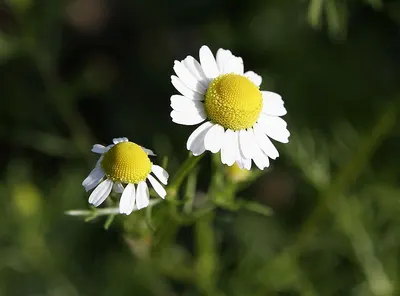
Chamomile
⚓ Harbor
Chamomile
Contact
MOQ: 1 Unit
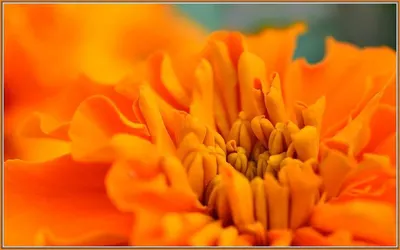
Calendula
⚓ Harbor
Calendula
Contact
MOQ: 1 Unit
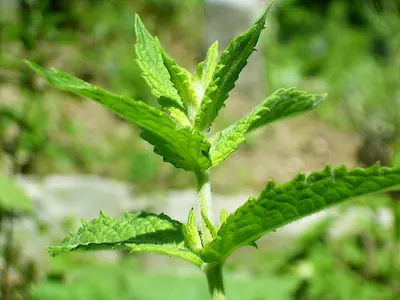
Spearmint
⚓ Harbor
Spearmint
Contact
MOQ: 1 Unit
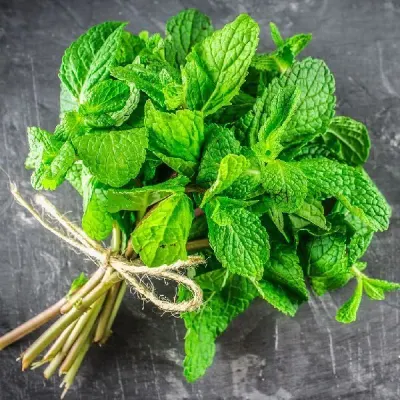
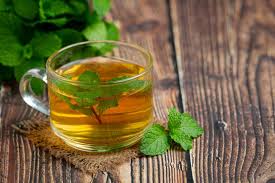
Peppermint
⚓ Harbor
Peppermint
Contact
MOQ: 1 Unit
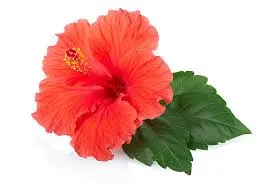
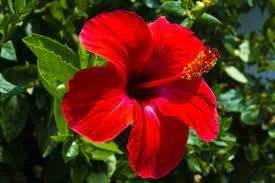
Hibiscus
⚓ Harbor
Hibiscus
Contact
MOQ: 1 Unit
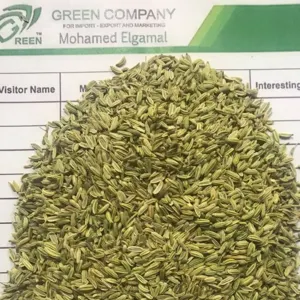
Fennel seeds
⚓ Harbor
Fennel seeds
Contact
MOQ: 1 Unit
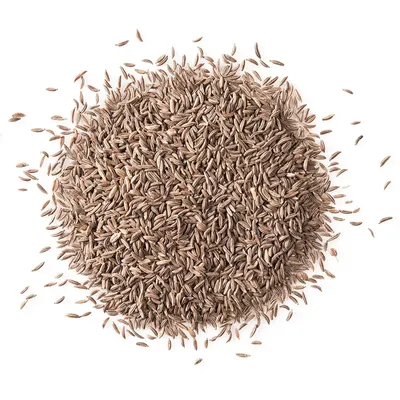
Cumin
⚓ Harbor
Cumin
Contact
MOQ: 1 Unit
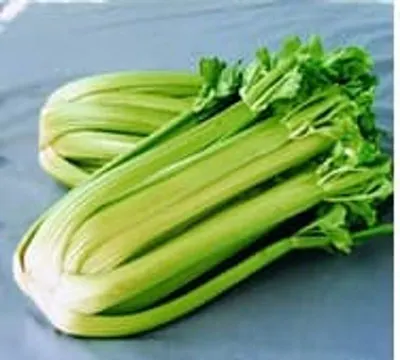
Celery
⚓ Harbor
Celery
Contact
MOQ: 1 Unit
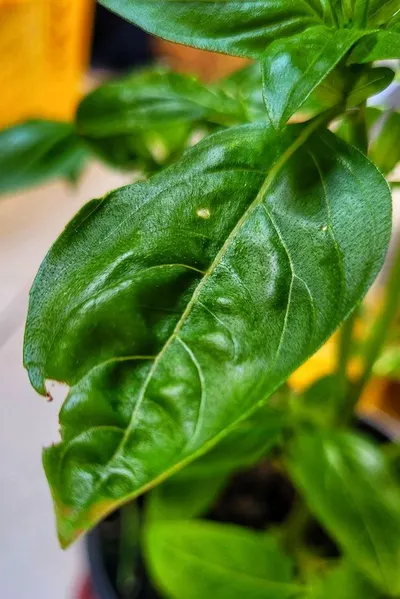
Basil
⚓ Harbor
Basil
Contact
MOQ: 1 Unit
Echnicea
⚓ Harbor
Echnicea
Contact
MOQ: 1 Unit
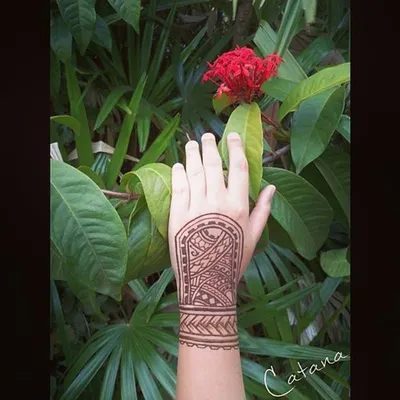
Henna
⚓ Harbor
Henna
Contact
MOQ: 1 Unit
Nigela
⚓ Harbor
Nigela
Contact
MOQ: 1 Unit

About Trust Herbal - Herbs and Spices Supplier in Egypt

Egypt hosts a diversified catalogue of 25 agricultural and spice items listed by Trust Herbal. The supplier’s active product count spans categories such as Agriculture Products, Other Fresh Vegetables, Sesame Seeds, Other Type Of Spices, Dehydrated Spices, Aniseeds, Fenugreek Seeds and Fresh Lemon, with individual listings that include sesame seeds, parsley, marjoram, lemon balm, caraway, aniseeds, fenugreek, lemon grass, dill tips, nettle leaves, coriander, sage, nigela, henna, echnicea, basil, celery, cumin, fennel seeds, hibiscus, peppermint, spearmint, calendula and chamomile.

The product set combines fresh herbs, dried spices and oil seeds that are normally classified under HS Chapter 09 for herbs and spices and Chapter 12 for oil seeds. Typical export packaging involves food‑grade polypropylene bags (20‑25 kg) loaded into 20 ft or 40 ft containers, allowing a full 20 ft container to carry roughly 800 kg of bulk herbs or seeds.

Product Range and Specialties of Trust Herbal

The catalogue enumerates 25 specific items, ranging from fresh leafy herbs such as parsley, basil, sage and celery to dried spice seeds including cumin, fennel, aniseeds and fenugreek. Sesame seeds are listed separately, reflecting their status as an oil seed rather than a spice. In the global market, sesame seeds are graded by hull removal and colour (white, off‑white) with typical purity levels of 98‑99 %. Fresh herbs are usually evaluated for moisture content (≤12 %) and leaf integrity, while dried spices are assessed for colour grade, essential‑oil percentage (e.g., cumin 0.8‑1.2 %) and particle size. These specifications align with the standards buyers encounter when sourcing Mediterranean and Middle‑Eastern herb products.

Trade and Export Information - Trust Herbal

Egypt is a long‑standing exporter of herbs, spices and oil seeds, supplying the European Union, Gulf Cooperation Council, Russia and Southeast Asian markets. The relevant HS codes fall under Chapter 09 (0909 for dried herbs, 0910 for spices) and Chapter 12 (1207 for oil seeds such as sesame). Importers typically require phytosanitary certificates, certificates of origin and food‑safety certifications such as HACCP or ISO 22000, especially for EU destinations where pesticide residue limits are strict. Shipping is commonly arranged on FOB terms from the Port of Alexandria, with buyers often opting for CIF to major European or Middle‑Eastern ports. Containerisation follows standard bulk practices: 20 ft containers hold approximately 800 kg of packed bags, while 40 ft containers can accommodate up to 1 600 kg.

Sourcing from Trust Herbal - Buyer Guidance

Buyers should request a Certificate of Analysis that details moisture, pesticide residues, microbial counts and, for seeds, oil content. A phytosanitary certificate and an EU‑compliant pesticide residue report are standard prerequisites for Egyptian herbs and spices. Prior to order confirmation, verify the supplier’s ability to provide HACCP or ISO 22000 documentation, and confirm packaging material (food‑grade PP bags) and container load plans to ensure compliance with the buyer’s logistics requirements.

Frequently Asked Questions About Trust Herbal

What product categories does Trust Herbal list?

Trust Herbal lists 25 items that cover sesame seeds, a full suite of fresh herbs (e.g., parsley, basil, sage, celery) and a range of dried spices such as aniseeds, fenugreek, cumin, fennel seeds, hibiscus, peppermint and spearmint.

Which HS code sections apply to these products?

Fresh herbs and dried spices are classified under HS Chapter 09 (0909 for dried herbs, 0910 for spices), while sesame seeds fall under HS Chapter 12, code 1207 for oil seeds.

What certifications should a buyer request?

Buyers normally request a phytosanitary certificate, a Certificate of Origin, a Certificate of Analysis, and, where required by the destination market, HACCP or ISO 22000 food‑safety certification.

What are typical packaging and container sizes?

Products are usually packed in 20‑25 kg food‑grade polypropylene bags. A standard 20 ft container can hold about 800 kg of such bags, and a 40 ft container can accommodate roughly 1 600 kg.

What quality specifications are common for these herbs and spices?

Fresh herbs are expected to have moisture content of 12 % or less and pesticide residues below EU maximum limits. Dried spices are evaluated for colour grade (bright), essential‑oil content (e.g., cumin 0.8‑1.2 %) and particle size uniformity.

What are typical lead times and minimum order quantities?

Lead times from Egypt generally range from 15 to 30 days after order confirmation. Minimum order quantities are commonly set at 500 kg per product, though the exact figure can be negotiated.

Which markets import Egyptian herbs and spices?

Key import markets include the European Union, GCC countries, Russia and Southeast Asian nations such as Malaysia and Singapore, all of which source Mediterranean herbs and spices regularly.

Which Incoterms are most frequently used for shipments?

Exporters from Egypt often quote FOB from the Port of Alexandria or CIF to major European and Middle‑Eastern ports, reflecting standard practice for bulk herb and spice shipments.

About Trust Herbal - Herbs and Spices Supplier in Egypt

Egypt hosts a diversified catalogue of 25 agricultural and spice items listed by Trust Herbal. The supplier’s active product count spans categories such as Agriculture Products, Other Fresh Vegetables, Sesame Seeds, Other Type Of Spices, Dehydrated Spices, Aniseeds, Fenugreek Seeds and Fresh Lemon, with individual listings that include sesame seeds, parsley, marjoram, lemon balm, caraway, aniseeds, fenugreek, lemon grass, dill tips, nettle leaves, coriander, sage, nigela, henna, echnicea, basil, celery, cumin, fennel seeds, hibiscus, peppermint, spearmint, calendula and chamomile.

The product set combines fresh herbs, dried spices and oil seeds that are normally classified under HS Chapter 09 for herbs and spices and Chapter 12 for oil seeds. Typical export packaging involves food‑grade polypropylene bags (20‑25 kg) loaded into 20 ft or 40 ft containers, allowing a full 20 ft container to carry roughly 800 kg of bulk herbs or seeds.

Product Range and Specialties of Trust Herbal

The catalogue enumerates 25 specific items, ranging from fresh leafy herbs such as parsley, basil, sage and celery to dried spice seeds including cumin, fennel, aniseeds and fenugreek. Sesame seeds are listed separately, reflecting their status as an oil seed rather than a spice. In the global market, sesame seeds are graded by hull removal and colour (white, off‑white) with typical purity levels of 98‑99 %. Fresh herbs are usually evaluated for moisture content (≤12 %) and leaf integrity, while dried spices are assessed for colour grade, essential‑oil percentage (e.g., cumin 0.8‑1.2 %) and particle size. These specifications align with the standards buyers encounter when sourcing Mediterranean and Middle‑Eastern herb products.

Trade and Export Information - Trust Herbal

Egypt is a long‑standing exporter of herbs, spices and oil seeds, supplying the European Union, Gulf Cooperation Council, Russia and Southeast Asian markets. The relevant HS codes fall under Chapter 09 (0909 for dried herbs, 0910 for spices) and Chapter 12 (1207 for oil seeds such as sesame). Importers typically require phytosanitary certificates, certificates of origin and food‑safety certifications such as HACCP or ISO 22000, especially for EU destinations where pesticide residue limits are strict. Shipping is commonly arranged on FOB terms from the Port of Alexandria, with buyers often opting for CIF to major European or Middle‑Eastern ports. Containerisation follows standard bulk practices: 20 ft containers hold approximately 800 kg of packed bags, while 40 ft containers can accommodate up to 1 600 kg.

Sourcing from Trust Herbal - Buyer Guidance

Buyers should request a Certificate of Analysis that details moisture, pesticide residues, microbial counts and, for seeds, oil content. A phytosanitary certificate and an EU‑compliant pesticide residue report are standard prerequisites for Egyptian herbs and spices. Prior to order confirmation, verify the supplier’s ability to provide HACCP or ISO 22000 documentation, and confirm packaging material (food‑grade PP bags) and container load plans to ensure compliance with the buyer’s logistics requirements.

Frequently Asked Questions About Trust Herbal
What product categories does Trust Herbal list?
Trust Herbal lists 25 items that cover sesame seeds, a full suite of fresh herbs (e.g., parsley, basil, sage, celery) and a range of dried spices such as aniseeds, fenugreek, cumin, fennel seeds, hibiscus, peppermint and spearmint.
Which HS code sections apply to these products?
Fresh herbs and dried spices are classified under HS Chapter 09 (0909 for dried herbs, 0910 for spices), while sesame seeds fall under HS Chapter 12, code 1207 for oil seeds.
What certifications should a buyer request?
Buyers normally request a phytosanitary certificate, a Certificate of Origin, a Certificate of Analysis, and, where required by the destination market, HACCP or ISO 22000 food‑safety certification.
What are typical packaging and container sizes?
Products are usually packed in 20‑25 kg food‑grade polypropylene bags. A standard 20 ft container can hold about 800 kg of such bags, and a 40 ft container can accommodate roughly 1 600 kg.
What quality specifications are common for these herbs and spices?
Fresh herbs are expected to have moisture content of 12 % or less and pesticide residues below EU maximum limits. Dried spices are evaluated for colour grade (bright), essential‑oil content (e.g., cumin 0.8‑1.2 %) and particle size uniformity.
What are typical lead times and minimum order quantities?
Lead times from Egypt generally range from 15 to 30 days after order confirmation. Minimum order quantities are commonly set at 500 kg per product, though the exact figure can be negotiated.
Which markets import Egyptian herbs and spices?
Key import markets include the European Union, GCC countries, Russia and Southeast Asian nations such as Malaysia and Singapore, all of which source Mediterranean herbs and spices regularly.
Which Incoterms are most frequently used for shipments?
Exporters from Egypt often quote FOB from the Port of Alexandria or CIF to major European and Middle‑Eastern ports, reflecting standard practice for bulk herb and spice shipments.

Trust Herbal
Country flag Egypt
⚓ HarborGlobal Trade
79/100
Trust Score
25
Products
✓ Free to contact — no commission
✓ Escrow payment available
✓ Verified business identity
Compare more suppliers
Post a requirement — get 10 quotes free
Let verified suppliers compete for your business. Free, fast, no commitment.
Due Diligence
Verify this supplier's real shipping history.
Every shipment, every buyer, every port. Trade data that can't be faked.
Run due diligence →
Discover More

Related Suppliers & Products

Explore similar suppliers, related products and trending categories

Featured Products from this Supplier

Other Suppliers in Primary Category

Top Trusted Suppliers

Related Products

Trending in Parent Category

More Suppliers in Category

Stay ahead in global trade
Weekly market insights & new supplier alerts.
EximNext
Exim Next is a leading global B2B marketplace, connecting over 220,000 registered suppliers and buyers across 200+ countries. As a trusted import export marketplace, it serves as the essential B2B portal for businesses worldwide, empowering them to expand their international reach. With Exim Next, businesses can trade smarter and grow faster.
SECURE PAYMENTS
VISAMastercardPayPalSWIFTL/CEscrow
Follow us
© 2026 EximNext