Aswini Exim — Verified Supplier

About Aswini Exim - Agricultural Products Supplier in India

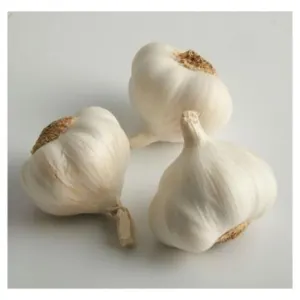
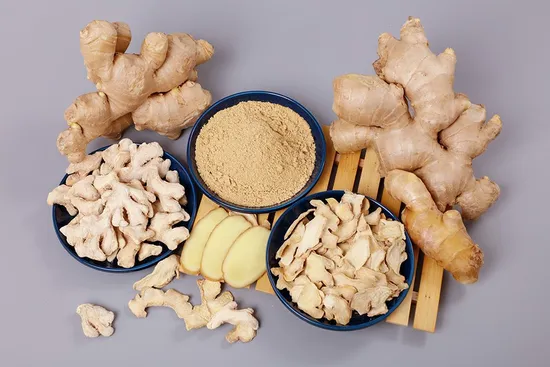
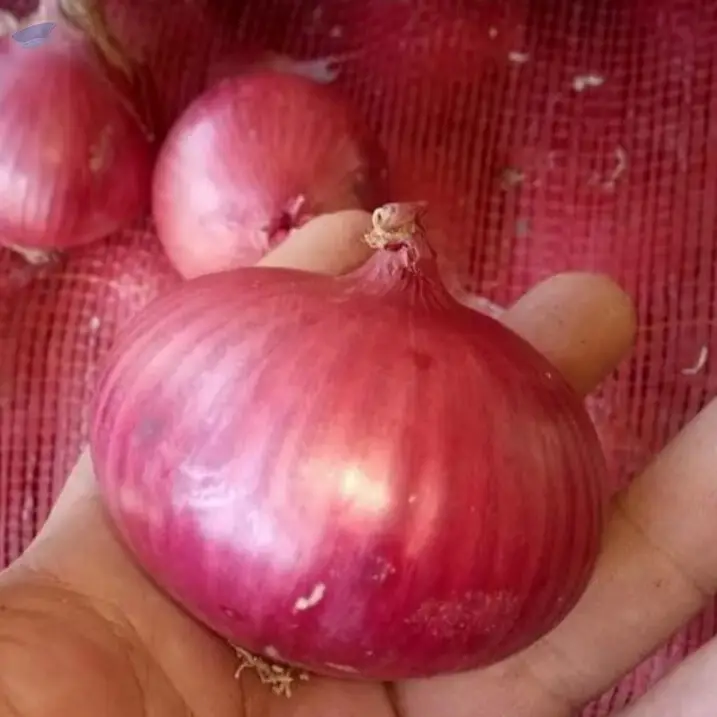
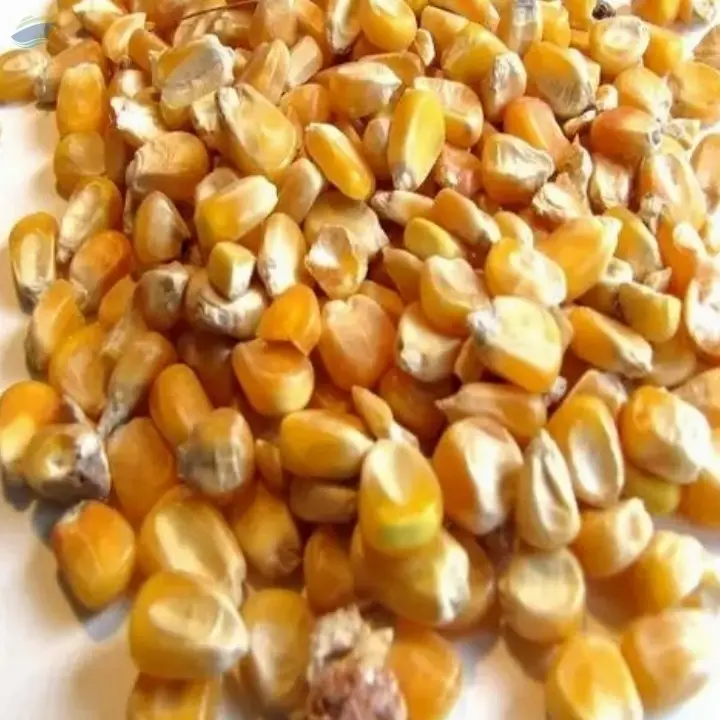
India, specifically the East Godavari district of Andhra Pradesh, is the base of Aswini Exim. The supplier lists fifteen distinct agricultural products across its catalogue. The product set includes various rice types classified under HS chapter 1006.30, coconut and related derivatives under HS 1203.00, 4402.90 and 5305.00, maize (HS 1005.90), ground coriander (HS 0909.22), dehydrated ginger (HS 0910.11), dehydrated garlic (HS 0712.90), fresh elephant foot yam (HS 0714.90) and dried red chili pods (HS 0904.21). Each entry specifies the material composition such as polished parboiled rice, coconut meat, natural coir, or whole grain maize.

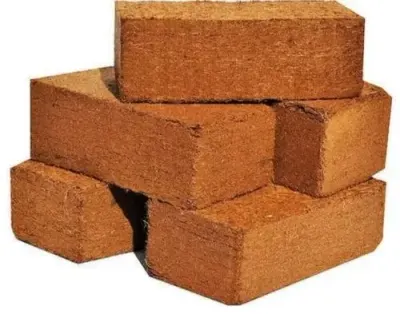
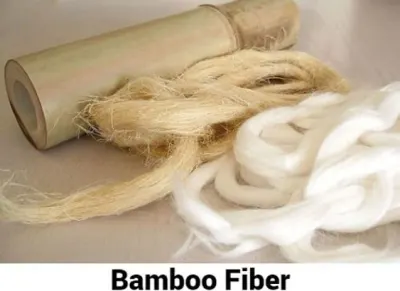
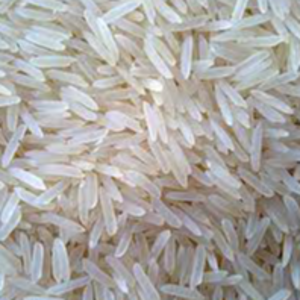
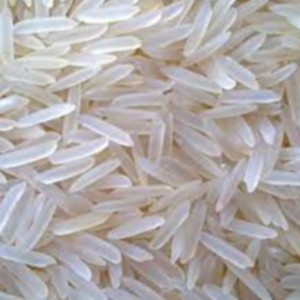
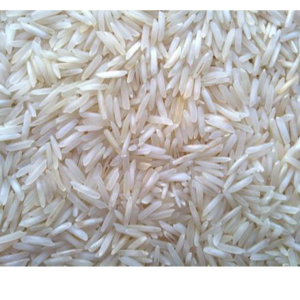
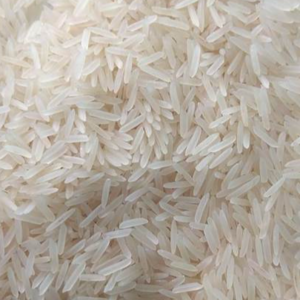
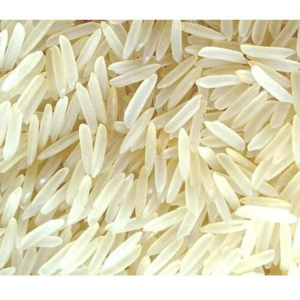
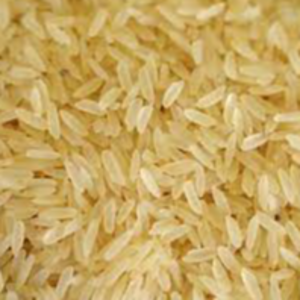
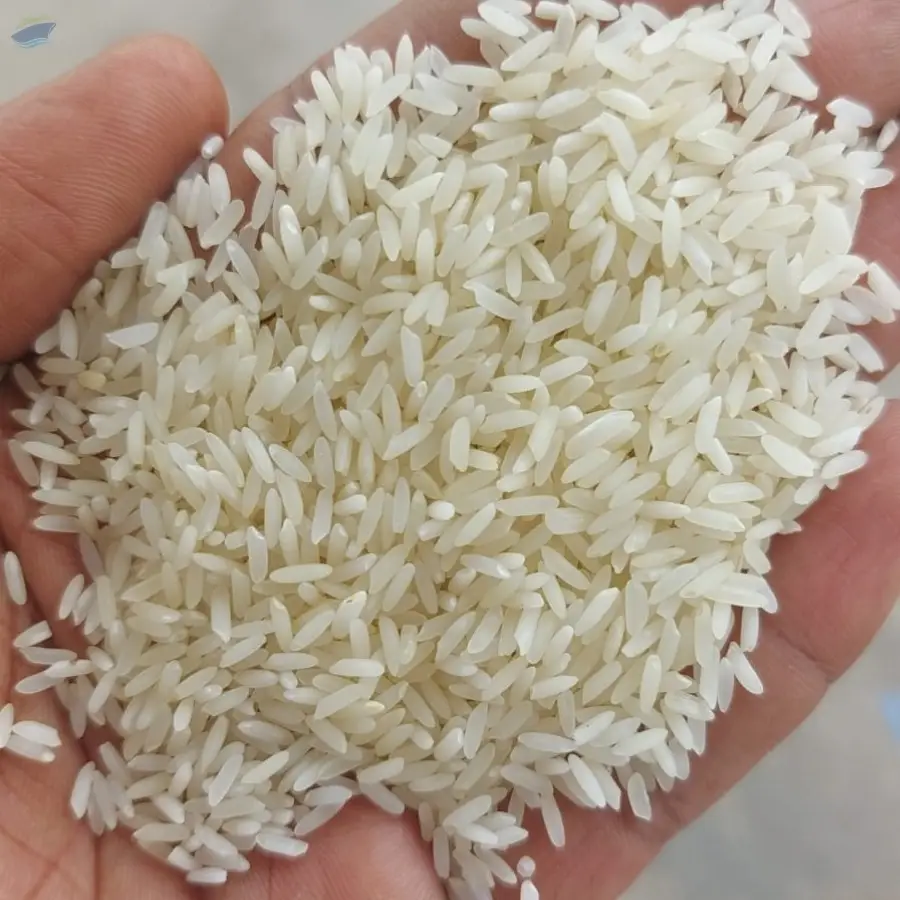
The rice portfolio comprises Non‑Basmati rice with 5 % broken parboiled, Non‑Basmati raw with 5 % broken, Karnataka Sona Measure white rice, and a Basmati grade 1509 long‑grain rice. Coconut‑related items include husked coconuts and copra, high‑carbon coconut shell charcoal, natural coconut fiber, organic coconut coir pith (coco peat) and pressed coco peat bricks. Additional commodities are whole‑grain yellow maize, ground coriander, dehydrated ginger root, dehydrated garlic, fresh elephant foot yam tubers, and dried red chili pods. All products are recorded with their respective HS codes, enabling precise customs classification. The catalogue therefore covers a broad spectrum of staple grains, oilseed, fiber and spice categories.

Product Range and Specialties of Aswini Exim

In the rice segment, Indian exporters typically report moisture levels between 12 % and 14 %, broken grain percentages below 5 % for premium grades, and kernel lengths of 6.5 mm or more for Basmati varieties. The Non‑Basmati parboiled product aligns with standard parboiled specifications that require gelatinisation of the starch and a husk removal rate above 95 %. Basmati 1509 is classified as a Grade 1 aromatic rice, often assessed for fragrance intensity (2‑5 ppm 2‑acetyl‑1‑pyrroline) and uniform long grain shape. Buyers usually receive the rice in 25 kg polypropylene bags or bulk 1 ton flexible containers, packed for sea freight. Coconut derivatives follow distinct quality parameters: husked copra is expected to contain 6‑8 % moisture and an oil extraction yield above 60 %; coconut shell charcoal is measured for fixed carbon content of 80‑85 % and low ash. Natural coconut fiber (coir) is graded by fibre length (30‑70 mm) and tensile strength, while coco peat is evaluated for bulk density (0.12‑0.18 g cm⁻³) and pH 5.5‑6.5. Maize exports from India are commonly checked for moisture 13‑14 % and aflatoxin levels below 20 ppb. Ground coriander, dehydrated ginger and garlic, and dried chili pods are subject to pesticide residue limits and moisture content under 12 % for stable storage.

Trade and Export Information - Aswini Exim

India is a major exporter of milled rice, supplying the Middle East, Gulf Cooperation Council (GCC) countries, Bangladesh and East African markets. The rice shipments fall under HS 1006.30 and typically require a phytosanitary certificate, a certificate of origin, and, for organic claims, an accredited organic certification such as NOP or EU organic. Standard Incoterms used are FOB at Indian ports (e.g., Visakhapatnam) or CIF to destination ports, with cargo loaded in 20 ft or 40 ft containers. Coconut products, including copra, shell charcoal and coir, are frequently shipped to the United States, Europe and Southeast Asian countries, classified under HS 1203.00, 4402.90 and 5305.00 respectively. Importers often request ISO 22000 or FSSAI compliance, SGS laboratory analysis for moisture and fixed‑carbon content, and a phytosanitary clearance. Maize and spice items such as coriander, ginger, garlic and chili are directed to African, Middle‑Eastern and European buyers, with HS codes 1005.90, 0909.22, 0910.11, 0712.90 and 0904.21. These commodities are generally packed in jute or polypropylene bags for bulk shipments and must meet the destination country's pesticide residue and aflatoxin regulations.

Sourcing from Aswini Exim - Buyer Guidance

When sourcing rice from Aswini Exim, request the mill test report confirming moisture, broken percentage, kernel length and aromatic compound levels, as well as a phytosanitary certificate and, if required, an organic certification. Verify that the HS code 1006.30 on the commercial invoice matches the specific rice type (parboiled, raw or Basmati) and confirm packaging weight and container loading plan. For coconut and coir products, ask for moisture analysis, fixed‑carbon percentage for charcoal, fibre length distribution for coir, and bulk density figures for coco peat, accompanied by an SGS or Bureau Veritas lab report and phytosanitary clearance. Spice and tuber shipments should be supported by pesticide residue certificates, microbial test results, and moisture content data; lead times for these products typically range from 30 to 45 days after order confirmation, subject to seasonal harvest cycles.

Frequently Asked Questions About Aswini Exim

What types of rice does Aswini Exim export and under which HS code?

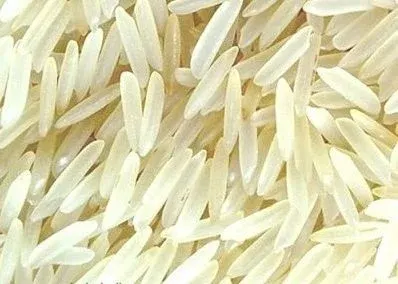
They export Non‑Basmati rice (parboiled, raw, Karnataka Sona Measure) and Basmati 1509 long‑grain rice, all classified under HS 1006.30.

Which coconut‑derived products are listed and what HS codes apply?

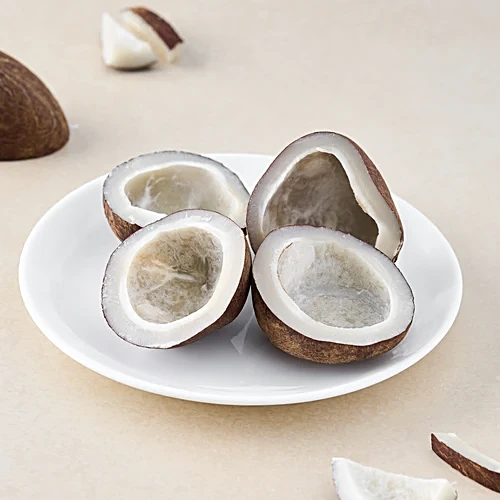
The catalogue includes husked coconuts and copra (HS 1203.00), coconut shell charcoal (HS 4402.90), and coconut fiber, coco peat and coco peat bricks (all HS 5305.00).

What quality documents should a buyer request for rice shipments?

Buyers should ask for a mill test report covering moisture (12‑14 %), broken grain percentage (<5 %), kernel length and aromatic compound level, together with a phytosanitary certificate and, if applicable, an organic certification.

How are coconut fiber and coco peat typically packaged for export?

They are usually packed in 1 ton bulk bags or loaded into 20 ft containers with moisture‑resistant liners; specifications include bulk density (0.12‑0.18 g cm⁻³) and pH 5.5‑6.5 for coco peat.

What certifications are commonly required for Indian agricultural exports like those offered by Aswini Exim?

Importers commonly require a phytosanitary certificate, a certificate of origin, and product‑specific safety certifications such as ISO 22000, FSSAI compliance, and, for organic claims, an internationally recognised organic certificate.

What are the typical lead times and minimum order quantities for the listed products?

Lead times generally range from 30 to 45 days after order confirmation, with minimum order quantities often set at one 20 ft container (≈ 20‑25 ton) for bulk grains and around 500 kg for specialty items such as coconut shell charcoal.

Which global markets most frequently import the categories offered by Aswini Exim?

Indian milled rice is most often shipped to the GCC, Bangladesh and East Africa; coconut products go to the United States and Europe; maize and spices such as coriander, ginger, garlic and chili are directed to African, Middle‑Eastern and European buyers.


Other Suppliers in Basmati Rice

Top Trusted Suppliers

Related Products in Basmati Rice

Trending in Parent Category

More Suppliers in Parent Category

Related Products

Other Suppliers

EximNext
58.4K+ live requirements
Register Free🎁 5 free buy-lead credits
Post Requirement
🌍 Trusted by 224.3K+ businesses in 200+ countries|
58.4K+ active requirements right now
✉️ [email protected]
|
Sell on EximNextPost Requirement
EximNext
AgricultureApparelConstructionElectronicFoodHomeIndustrialMineralsMiscellaneous
🔥 Deals|✨ AI Match|🏭 Suppliers|📋 Buy Leads|💰 Trade Finance|⭐ Upgrade
58.4K+ live RFQs·194.4K+ suppliers
🎁 5 free credits →
EximNext
EximNext
Register Free
🎁 5 free buy-lead credits
Sign In
📋Post Requirement💬Get QuotesAI Match📋RFQ Marketplace
All Categories
Services & Tools
🏭Supplier Directory🔥Today's Deals💰Trade FinanceMembership
Sell on EximNext
AboutContactBlogHelp
🏭

Aswini Exim

🚢 Voyage
Country flag East Godavari, India
🛡️
63/100
Trust Score

Aswini Exim Product Catalog

Showing 12 of 15 products
View all products →
chilly
🚢 Voyage
chilly
Contact
MOQ: 1 Unit
Yam
🚢 Voyage
Yam
Contact
MOQ: 1 Unit
Garlic
🚢 Voyage
Garlic
Contact
MOQ: 1 Unit
Ginger
🚢 Voyage
Ginger
Contact
MOQ: 1 Unit
Corianders
🚢 Voyage
Corianders
Contact
MOQ: 1 Unit
Maize
🚢 Voyage
Maize
Contact
MOQ: 1 Unit
Coco Peat Bricks
🚢 Voyage
Coco Peat Bricks
Contact
MOQ: 1 Unit
Coco Peat
🚢 Voyage
Coco Peat
Contact
MOQ: 1 Unit
Coconut Fiber
🚢 Voyage
Coconut Fiber
Contact
MOQ: 1 Unit
Coconut Shell Charcoal
🚢 Voyage
Coconut Shell Charcoal
Contact
MOQ: 1 Unit
Husked Coconuts and Copra
🚢 Voyage
Husked Coconuts and Copra
Contact
MOQ: 1 Unit
Basmati Rice(1509 Basmati rice)
🚢 Voyage
Basmati Rice(1509 Basmati rice)
Contact
MOQ: 1 Unit

About Aswini Exim - Agricultural Products Supplier in India

India, specifically the East Godavari district of Andhra Pradesh, is the base of Aswini Exim. The supplier lists fifteen distinct agricultural products across its catalogue. The product set includes various rice types classified under HS chapter 1006.30, coconut and related derivatives under HS 1203.00, 4402.90 and 5305.00, maize (HS 1005.90), ground coriander (HS 0909.22), dehydrated ginger (HS 0910.11), dehydrated garlic (HS 0712.90), fresh elephant foot yam (HS 0714.90) and dried red chili pods (HS 0904.21). Each entry specifies the material composition such as polished parboiled rice, coconut meat, natural coir, or whole grain maize.

The rice portfolio comprises Non‑Basmati rice with 5 % broken parboiled, Non‑Basmati raw with 5 % broken, Karnataka Sona Measure white rice, and a Basmati grade 1509 long‑grain rice. Coconut‑related items include husked coconuts and copra, high‑carbon coconut shell charcoal, natural coconut fiber, organic coconut coir pith (coco peat) and pressed coco peat bricks. Additional commodities are whole‑grain yellow maize, ground coriander, dehydrated ginger root, dehydrated garlic, fresh elephant foot yam tubers, and dried red chili pods. All products are recorded with their respective HS codes, enabling precise customs classification. The catalogue therefore covers a broad spectrum of staple grains, oilseed, fiber and spice categories.

Product Range and Specialties of Aswini Exim

In the rice segment, Indian exporters typically report moisture levels between 12 % and 14 %, broken grain percentages below 5 % for premium grades, and kernel lengths of 6.5 mm or more for Basmati varieties. The Non‑Basmati parboiled product aligns with standard parboiled specifications that require gelatinisation of the starch and a husk removal rate above 95 %. Basmati 1509 is classified as a Grade 1 aromatic rice, often assessed for fragrance intensity (2‑5 ppm 2‑acetyl‑1‑pyrroline) and uniform long grain shape. Buyers usually receive the rice in 25 kg polypropylene bags or bulk 1 ton flexible containers, packed for sea freight. Coconut derivatives follow distinct quality parameters: husked copra is expected to contain 6‑8 % moisture and an oil extraction yield above 60 %; coconut shell charcoal is measured for fixed carbon content of 80‑85 % and low ash. Natural coconut fiber (coir) is graded by fibre length (30‑70 mm) and tensile strength, while coco peat is evaluated for bulk density (0.12‑0.18 g cm⁻³) and pH 5.5‑6.5. Maize exports from India are commonly checked for moisture 13‑14 % and aflatoxin levels below 20 ppb. Ground coriander, dehydrated ginger and garlic, and dried chili pods are subject to pesticide residue limits and moisture content under 12 % for stable storage.

Trade and Export Information - Aswini Exim

India is a major exporter of milled rice, supplying the Middle East, Gulf Cooperation Council (GCC) countries, Bangladesh and East African markets. The rice shipments fall under HS 1006.30 and typically require a phytosanitary certificate, a certificate of origin, and, for organic claims, an accredited organic certification such as NOP or EU organic. Standard Incoterms used are FOB at Indian ports (e.g., Visakhapatnam) or CIF to destination ports, with cargo loaded in 20 ft or 40 ft containers. Coconut products, including copra, shell charcoal and coir, are frequently shipped to the United States, Europe and Southeast Asian countries, classified under HS 1203.00, 4402.90 and 5305.00 respectively. Importers often request ISO 22000 or FSSAI compliance, SGS laboratory analysis for moisture and fixed‑carbon content, and a phytosanitary clearance. Maize and spice items such as coriander, ginger, garlic and chili are directed to African, Middle‑Eastern and European buyers, with HS codes 1005.90, 0909.22, 0910.11, 0712.90 and 0904.21. These commodities are generally packed in jute or polypropylene bags for bulk shipments and must meet the destination country's pesticide residue and aflatoxin regulations.

Sourcing from Aswini Exim - Buyer Guidance

When sourcing rice from Aswini Exim, request the mill test report confirming moisture, broken percentage, kernel length and aromatic compound levels, as well as a phytosanitary certificate and, if required, an organic certification. Verify that the HS code 1006.30 on the commercial invoice matches the specific rice type (parboiled, raw or Basmati) and confirm packaging weight and container loading plan. For coconut and coir products, ask for moisture analysis, fixed‑carbon percentage for charcoal, fibre length distribution for coir, and bulk density figures for coco peat, accompanied by an SGS or Bureau Veritas lab report and phytosanitary clearance. Spice and tuber shipments should be supported by pesticide residue certificates, microbial test results, and moisture content data; lead times for these products typically range from 30 to 45 days after order confirmation, subject to seasonal harvest cycles.

Frequently Asked Questions About Aswini Exim

What types of rice does Aswini Exim export and under which HS code?

They export Non‑Basmati rice (parboiled, raw, Karnataka Sona Measure) and Basmati 1509 long‑grain rice, all classified under HS 1006.30.

Which coconut‑derived products are listed and what HS codes apply?

The catalogue includes husked coconuts and copra (HS 1203.00), coconut shell charcoal (HS 4402.90), and coconut fiber, coco peat and coco peat bricks (all HS 5305.00).

What quality documents should a buyer request for rice shipments?

Buyers should ask for a mill test report covering moisture (12‑14 %), broken grain percentage (<5 %), kernel length and aromatic compound level, together with a phytosanitary certificate and, if applicable, an organic certification.

How are coconut fiber and coco peat typically packaged for export?

They are usually packed in 1 ton bulk bags or loaded into 20 ft containers with moisture‑resistant liners; specifications include bulk density (0.12‑0.18 g cm⁻³) and pH 5.5‑6.5 for coco peat.

What certifications are commonly required for Indian agricultural exports like those offered by Aswini Exim?

Importers commonly require a phytosanitary certificate, a certificate of origin, and product‑specific safety certifications such as ISO 22000, FSSAI compliance, and, for organic claims, an internationally recognised organic certificate.

What are the typical lead times and minimum order quantities for the listed products?

Lead times generally range from 30 to 45 days after order confirmation, with minimum order quantities often set at one 20 ft container (≈ 20‑25 ton) for bulk grains and around 500 kg for specialty items such as coconut shell charcoal.

Which global markets most frequently import the categories offered by Aswini Exim?

Indian milled rice is most often shipped to the GCC, Bangladesh and East Africa; coconut products go to the United States and Europe; maize and spices such as coriander, ginger, garlic and chili are directed to African, Middle‑Eastern and European buyers.

About Aswini Exim - Agricultural Products Supplier in India

India, specifically the East Godavari district of Andhra Pradesh, is the base of Aswini Exim. The supplier lists fifteen distinct agricultural products across its catalogue. The product set includes various rice types classified under HS chapter 1006.30, coconut and related derivatives under HS 1203.00, 4402.90 and 5305.00, maize (HS 1005.90), ground coriander (HS 0909.22), dehydrated ginger (HS 0910.11), dehydrated garlic (HS 0712.90), fresh elephant foot yam (HS 0714.90) and dried red chili pods (HS 0904.21). Each entry specifies the material composition such as polished parboiled rice, coconut meat, natural coir, or whole grain maize.

The rice portfolio comprises Non‑Basmati rice with 5 % broken parboiled, Non‑Basmati raw with 5 % broken, Karnataka Sona Measure white rice, and a Basmati grade 1509 long‑grain rice. Coconut‑related items include husked coconuts and copra, high‑carbon coconut shell charcoal, natural coconut fiber, organic coconut coir pith (coco peat) and pressed coco peat bricks. Additional commodities are whole‑grain yellow maize, ground coriander, dehydrated ginger root, dehydrated garlic, fresh elephant foot yam tubers, and dried red chili pods. All products are recorded with their respective HS codes, enabling precise customs classification. The catalogue therefore covers a broad spectrum of staple grains, oilseed, fiber and spice categories.

Product Range and Specialties of Aswini Exim

In the rice segment, Indian exporters typically report moisture levels between 12 % and 14 %, broken grain percentages below 5 % for premium grades, and kernel lengths of 6.5 mm or more for Basmati varieties. The Non‑Basmati parboiled product aligns with standard parboiled specifications that require gelatinisation of the starch and a husk removal rate above 95 %. Basmati 1509 is classified as a Grade 1 aromatic rice, often assessed for fragrance intensity (2‑5 ppm 2‑acetyl‑1‑pyrroline) and uniform long grain shape. Buyers usually receive the rice in 25 kg polypropylene bags or bulk 1 ton flexible containers, packed for sea freight. Coconut derivatives follow distinct quality parameters: husked copra is expected to contain 6‑8 % moisture and an oil extraction yield above 60 %; coconut shell charcoal is measured for fixed carbon content of 80‑85 % and low ash. Natural coconut fiber (coir) is graded by fibre length (30‑70 mm) and tensile strength, while coco peat is evaluated for bulk density (0.12‑0.18 g cm⁻³) and pH 5.5‑6.5. Maize exports from India are commonly checked for moisture 13‑14 % and aflatoxin levels below 20 ppb. Ground coriander, dehydrated ginger and garlic, and dried chili pods are subject to pesticide residue limits and moisture content under 12 % for stable storage.

Trade and Export Information - Aswini Exim

India is a major exporter of milled rice, supplying the Middle East, Gulf Cooperation Council (GCC) countries, Bangladesh and East African markets. The rice shipments fall under HS 1006.30 and typically require a phytosanitary certificate, a certificate of origin, and, for organic claims, an accredited organic certification such as NOP or EU organic. Standard Incoterms used are FOB at Indian ports (e.g., Visakhapatnam) or CIF to destination ports, with cargo loaded in 20 ft or 40 ft containers. Coconut products, including copra, shell charcoal and coir, are frequently shipped to the United States, Europe and Southeast Asian countries, classified under HS 1203.00, 4402.90 and 5305.00 respectively. Importers often request ISO 22000 or FSSAI compliance, SGS laboratory analysis for moisture and fixed‑carbon content, and a phytosanitary clearance. Maize and spice items such as coriander, ginger, garlic and chili are directed to African, Middle‑Eastern and European buyers, with HS codes 1005.90, 0909.22, 0910.11, 0712.90 and 0904.21. These commodities are generally packed in jute or polypropylene bags for bulk shipments and must meet the destination country's pesticide residue and aflatoxin regulations.

Sourcing from Aswini Exim - Buyer Guidance

When sourcing rice from Aswini Exim, request the mill test report confirming moisture, broken percentage, kernel length and aromatic compound levels, as well as a phytosanitary certificate and, if required, an organic certification. Verify that the HS code 1006.30 on the commercial invoice matches the specific rice type (parboiled, raw or Basmati) and confirm packaging weight and container loading plan. For coconut and coir products, ask for moisture analysis, fixed‑carbon percentage for charcoal, fibre length distribution for coir, and bulk density figures for coco peat, accompanied by an SGS or Bureau Veritas lab report and phytosanitary clearance. Spice and tuber shipments should be supported by pesticide residue certificates, microbial test results, and moisture content data; lead times for these products typically range from 30 to 45 days after order confirmation, subject to seasonal harvest cycles.

Frequently Asked Questions About Aswini Exim
What types of rice does Aswini Exim export and under which HS code?
They export Non‑Basmati rice (parboiled, raw, Karnataka Sona Measure) and Basmati 1509 long‑grain rice, all classified under HS 1006.30.
Which coconut‑derived products are listed and what HS codes apply?
The catalogue includes husked coconuts and copra (HS 1203.00), coconut shell charcoal (HS 4402.90), and coconut fiber, coco peat and coco peat bricks (all HS 5305.00).
What quality documents should a buyer request for rice shipments?
Buyers should ask for a mill test report covering moisture (12‑14 %), broken grain percentage (<5 %), kernel length and aromatic compound level, together with a phytosanitary certificate and, if applicable, an organic certification.
How are coconut fiber and coco peat typically packaged for export?
They are usually packed in 1 ton bulk bags or loaded into 20 ft containers with moisture‑resistant liners; specifications include bulk density (0.12‑0.18 g cm⁻³) and pH 5.5‑6.5 for coco peat.
What certifications are commonly required for Indian agricultural exports like those offered by Aswini Exim?
Importers commonly require a phytosanitary certificate, a certificate of origin, and product‑specific safety certifications such as ISO 22000, FSSAI compliance, and, for organic claims, an internationally recognised organic certificate.
What are the typical lead times and minimum order quantities for the listed products?
Lead times generally range from 30 to 45 days after order confirmation, with minimum order quantities often set at one 20 ft container (≈ 20‑25 ton) for bulk grains and around 500 kg for specialty items such as coconut shell charcoal.
Which global markets most frequently import the categories offered by Aswini Exim?
Indian milled rice is most often shipped to the GCC, Bangladesh and East Africa; coconut products go to the United States and Europe; maize and spices such as coriander, ginger, garlic and chili are directed to African, Middle‑Eastern and European buyers.

🏭
Aswini Exim
Country flag East Godavari, India
🚢 Voyage
63/100
Trust Score
📦
15
Products
Free to contact — no commission
Escrow payment available
Verified business identity
Compare more suppliers
Post a requirement — get 10 quotes free
Let verified suppliers compete for your business. Free, fast, no commitment.
EximNext Verified Supplier
Business identity verified
Physical address confirmed
Financial history checked
Certifications authenticated
Trade references validated
Due Diligence
Verify this supplier's real shipping history.
Every shipment, every buyer, every port. Trade data that can't be faked.
Run due diligence →
Discover More

Related Suppliers & Products

Explore similar suppliers, related products and trending categories

Other Suppliers in Basmati Rice

Top Trusted Suppliers

Related Products in Basmati Rice

Trending in Parent Category

More Suppliers in Parent Category

Stay ahead in global trade
Weekly market insights & new supplier alerts.
EximNext
Exim Next is a leading global B2B marketplace, connecting over 205,000 verified suppliers and buyers across 200+ countries. As a trusted import export marketplace, it serves as the essential B2B portal for businesses worldwide, empowering them to expand their international reach. With Exim Next, businesses can trade smarter and grow faster.
SECURE PAYMENTS
VISAMastercardPayPalSWIFTL/CEscrow
Follow us
© 2026 EximNext