Madhur Industries Ltd. — Verified Supplier
About Madhur Industries Ltd. - Dehydrated Spices Supplier in India
India is the origin country for Madhur Industries Ltd., an imported‑tier supplier with a harbor trust rating. The company lists 25 active food products spanning dehydrated spices, Indian sweets and namkeens, beverages, soups, processed foods, sesame seeds, groundnut kernels and fenugreek seeds. Its catalogue includes whole and powdered chillies, chocolate shake mix, ready‑to‑eat Upma and Dhokla, real tomato soup, rice, sesame seed, groundnut kernels and a range of spice blends such as garam masala and pav‑bhaji masala. The product set also covers condiment chutneys, vegetable soups, ginger, pepper and turmeric finger. All items are identified under broad HS‑code families for food commodities, for example HS 0904 for spices, HS 1207 for oilseeds, HS 2106 for soups, and HS 2202 for beverages.
Export data show that Indian spice and processed‑food producers typically ship to the United Arab Emirates, Saudi Arabia, the United Kingdom, the United States and Germany, with container loads ranging from 20‑ft (≈500 kg of bulk spices) to 40‑ft (≈1 000 kg). Buyers in these markets often require compliance with FSSAI licensing, ISO 22000 food‑safety management and HACCP plans, as well as pesticide‑residue certificates that meet Codex limits. The product mix offered by Madhur Industries Ltd. falls within these standard regulatory frameworks, allowing straightforward customs clearance under the relevant HS chapters. Seasonal demand peaks for spice blends during the winter months in the Northern Hemisphere, while ready‑to‑eat Indian snacks see higher imports in the summer festival season.
Product Range and Specialties of Madhur Industries Ltd.
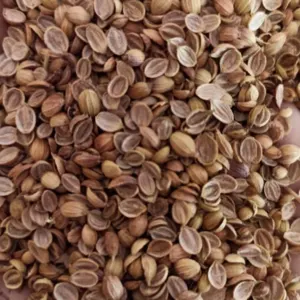
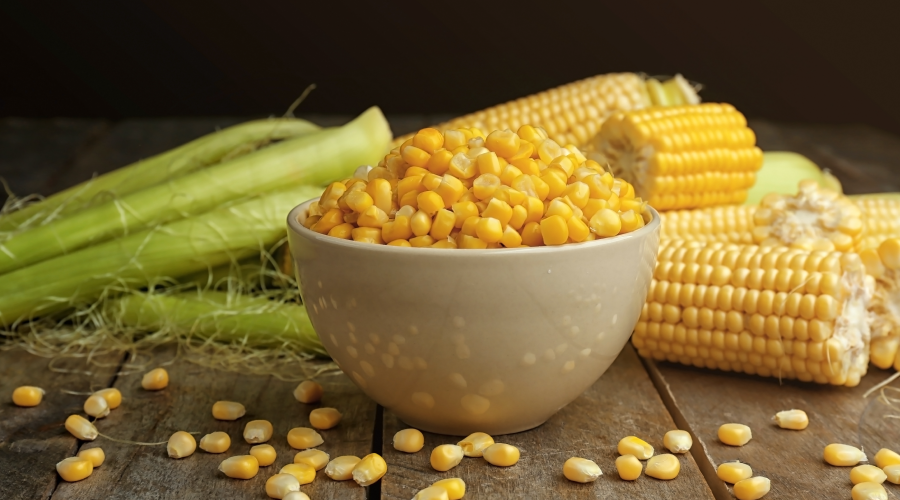
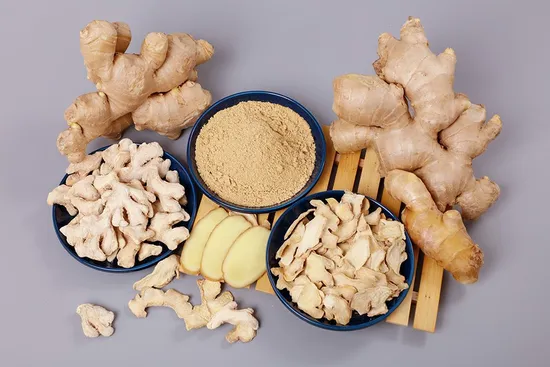
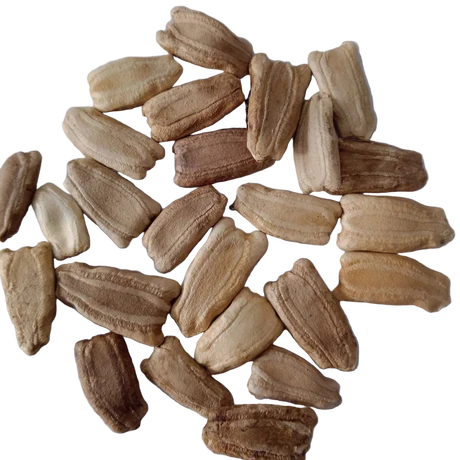
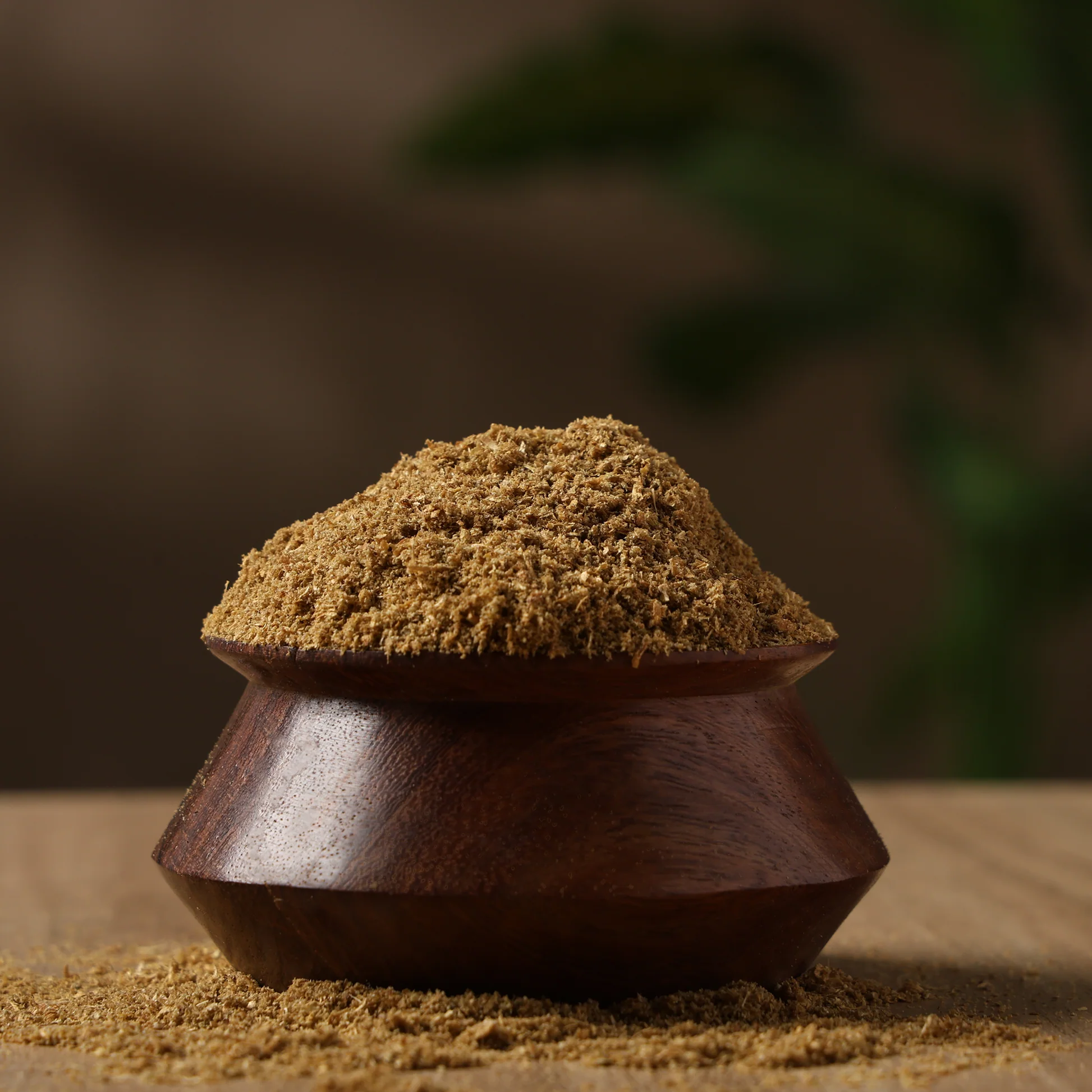
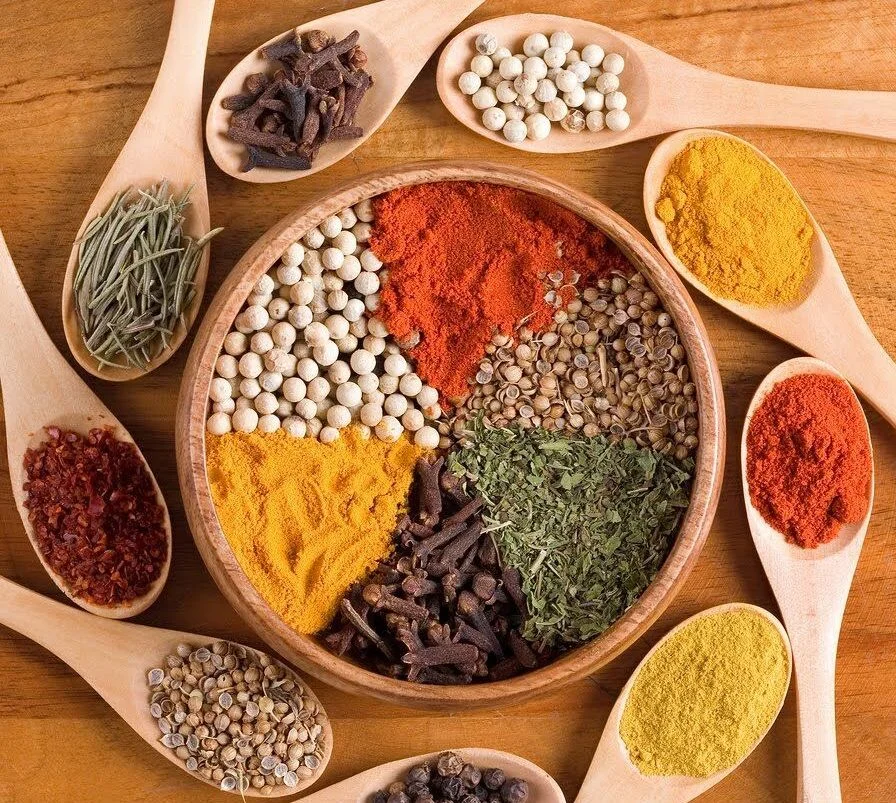
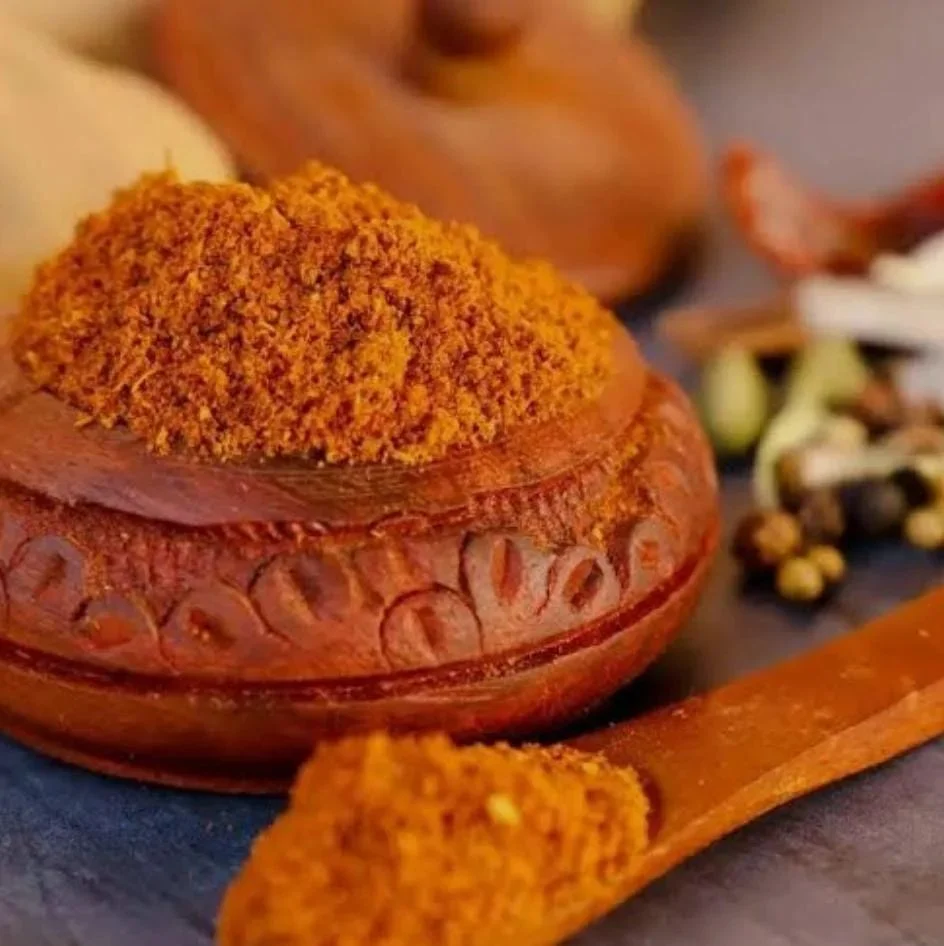
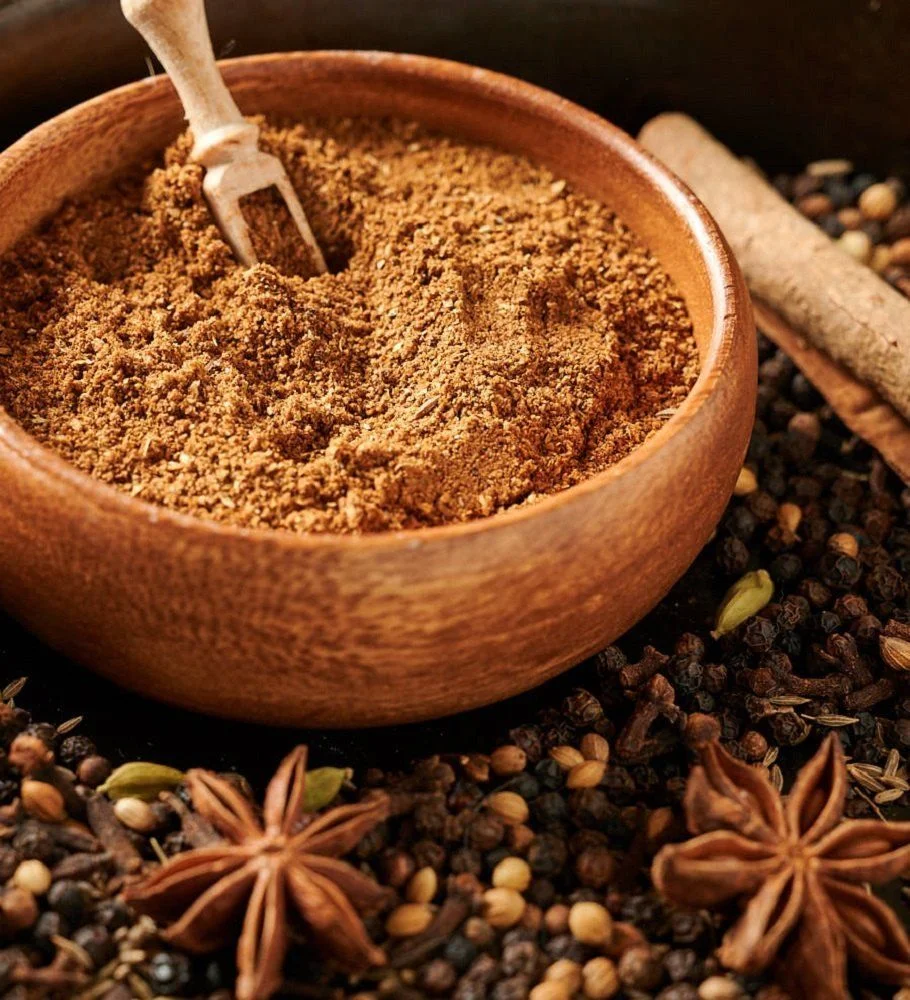
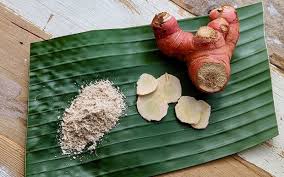
The catalogue of Madhur Industries Ltd. enumerates 25 items, beginning with Chillies (whole or powder) and extending to Chocolate Shake mix, Upma, Dhokla and Real Tomato Soup. Core spice entries include Cardamom, Cumin Seed, Coriander seed, Fenugreek Seed, Ginger, Pepper, Turmeric Finger and a suite of blended masalas such as Garam Masala, Pav‑Bhaji Masala and Madhur Pachak Masala Soda. Seed products comprise Sesame Seed and Groundnut Kernels, while condiment offerings list Sandwich Chutney, Samosa Chutney, Pani Puri Chutney, Paratha Chutney and Mixed Vegetable Soup. Additional items cover rice, sweet‑corn vegetable soup, and traditional snack mixes like Chana Masala.
In the spice segment, Indian exporters usually grade chillies by Scoville heat units (5 000‑15 000 SHU for mild varieties) and limit moisture to 12 % to prevent clumping. Cardamom is commonly sold in whole green pods with a minimum essential‑oil content of 6 % and a maximum foreign‑matter level of 0.5 %. Groundnut kernels are typically sized 6‑8 mm and have a moisture range of 4‑6 %. Sesame seeds for food use are graded by hull removal (hulled vs. unhulled) and oil content of 45‑55 %. Ready‑to‑eat mixes such as Upma and Dhokla are formulated to a dry‑matter content of 85‑90 % and packaged in 5‑kg or 25‑kg polypropylene bags.
Trade and Export Information - Madhur Industries Ltd.
India ranks among the top global exporters of spices and processed food ingredients, with annual spice export volumes exceeding 300 000 metric tonnes. HS chapter 09 (spices) and chapter 12 (oilseeds) dominate shipment paperwork, and customs authorities in the EU and GCC frequently request a Certificate of Origin, Phytosanitary Certificate and compliance with the EU Pesticide Residue Limits (EU‑PRLs). Buyers commonly stipulate ISO 22000 or FSSC 22000 certification, HACCP audit reports and, for organic lines, a USDA‑NOP or EU organic certificate.
Logistically, bulk spices are packed in multi‑layered jute or polypropylene bags of 25 kg, while seed commodities are shipped in 50 kg polypropylene sacks. A standard 20‑ft container can accommodate roughly 20 000 kg of mixed spice blends, and a 40‑ft container can hold up to 42 000 kg, depending on packaging density. Preferred Incoterms for Indian food exporters are FOB Mumbai or CIF Dubai, with temperature‑controlled containers used for moisture‑sensitive products such as chocolate shake mix.
Sourcing from Madhur Industries Ltd. - Buyer Guidance
Prospective buyers should request the supplier’s FSSAI registration number, ISO 22000 or HACCP audit report, and recent pesticide‑residue test certificates that reference Codex maximum limits for each spice. Samples of representative batches should be examined for moisture (≤12 % for whole spices), foreign matter (≤0.5 %) and organoleptic attributes such as colour and aroma before confirming a purchase.
Typical minimum order quantities range from 500 kg for single‑spice items to 1 000 kg for blended masalas and seed commodities. Lead time after PO confirmation is generally 30‑45 days, allowing for quality testing, packaging and export documentation. Buyers are advised to verify the container seal integrity and request a pre‑shipment inspection report from a recognized agency such as SGS or Bureau Veritas.
Frequently Asked Questions About Madhur Industries Ltd.
What product categories does Madhur Industries Ltd. export?
The supplier lists dehydrated spices, Indian sweets and namkeens, beverages, soups, processed foods, sesame seeds, groundnut kernels and fenugreek seeds, covering 25 individual items such as whole chillies, chocolate shake mix and various masala blends.
Which HS codes apply to the main product groups?
Exported spices fall under HS 0904, oilseeds and sesame under HS 1207, groundnut kernels under HS 1208, soups and ready‑to‑eat mixes under HS 2106, and beverage powders under HS 2202. The catalogue does not provide specific HS numbers, so these chapter codes represent the usual classification.
What certifications are typically required for Indian spice and seed shipments?
Buyers usually request FSSAI registration, ISO 22000 or FSSC 22000 food‑safety certification, HACCP audit reports and, where applicable, organic certificates such as USDA‑NOP or EU organic. The supplier’s own certifications are not listed in the supplied facts.
What are the standard quality specifications for chillies and other spices?
Whole chillies are generally limited to 12 % moisture and a foreign‑matter level below 0.5 %; ground powders must pass a 0.5 mm sieve and retain a colour index above 80 % for red varieties. Essential‑oil content for cardamom is ≥6 % and for cumin seed ≥1 %.
What packaging formats are used for the listed products?
Bulk spices and seed kernels are packed in 25‑kg or 50‑kg polypropylene bags, while ready‑to‑eat mixes and chutneys are supplied in 5‑kg or 10‑kg food‑grade containers. All packaging complies with FDA and EU food‑contact regulations.
What are the typical MOQ and lead time for orders?
Minimum order quantities are usually 500 kg per single spice and 1 000 kg for blended masalas or seed batches. After order confirmation, production and export documentation require 30‑45 days before shipment.
Which markets commonly import these Indian food products?
The main destination regions include the Middle East (UAE, Saudi Arabia), Europe (UK, Germany, Netherlands), North America (USA, Canada) and Africa (Kenya, South Africa), where importers frequently seek the certifications and quality reports mentioned above.




 , India