HEMANT EXPORT — Verified Manufacturer & Wholesale Supplier

About HEMANT EXPORT - Soaps & Detergents Supplier in India

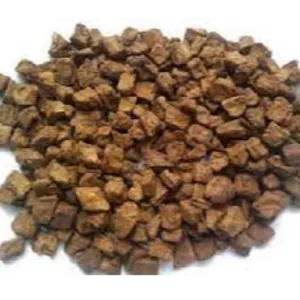
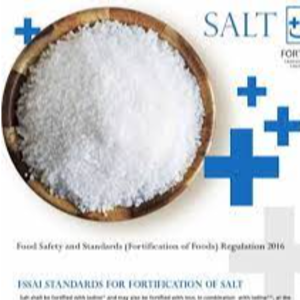
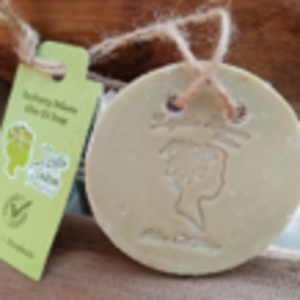
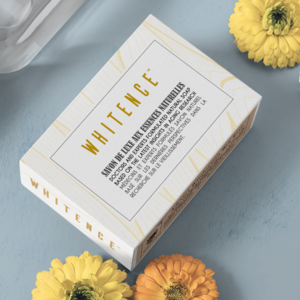
India, Anand in Gujarat hosts HEMANT EXPORT, which currently lists 39 active products across several commodity families. The catalogue includes eleven soap items classified under HS chapter 34 (e.g., HS 3401.11 for bar soaps and HS 3401.20 for scrubbing soaps), six food‑grade salt products under HS 2501.00, six varieties of long‑grain rice under HS 1006.30, six peanut‑butter formulations under HS 2008.11/2007.11, and a single roasted chicory grain under HS 1212.94. Each entry specifies the base material, such as natural plant‑based soap bases, refined sodium chloride, polished milled rice, roasted peanuts with flavorings, or roasted chicory root. The supplier’s product set therefore spans personal‑care, staple food, and specialty food segments, all referenced by their exact HS codes and material descriptions.

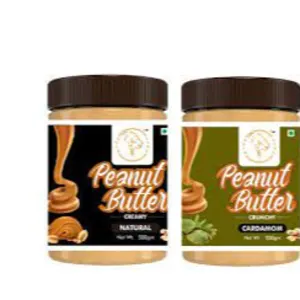
The listed items reflect a focus on conventional manufacturing grades. For example, the soaps are presented with standard ingredients like sodium stearate, glycerin, botanical extracts, and optional exfoliant particles. Salt products range from raw unrefined halite to fortified blends containing iron, iodine, or potassium chloride. Rice entries include traditional and Pusa Basmati varieties, while peanut‑butter lines cover classic, chocolate, coconut, and cardamom‑infused formats. The roasted chicory grain is described as a coffee‑substitute raw material. No additional product claims are provided beyond the catalogue data.

Product Range and Specialties of HEMANT EXPORT

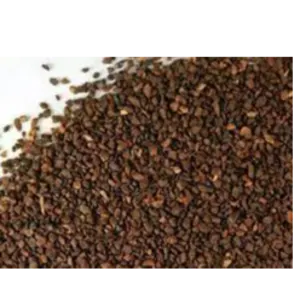
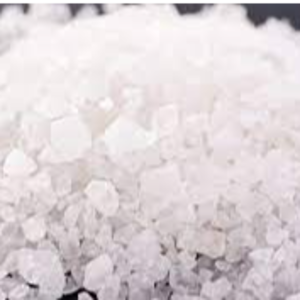
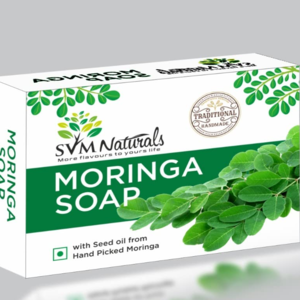
The soap portfolio covers bar soaps (HS 3401.11) and a scrubbing soap (HS 3401.20) formulated with plant‑derived bases, moisturising emollients, exfoliant particles (jojoba beads, walnut shell, bamboo powder) and active agents such as kojic acid or menthol. In the industry, such soaps are typically produced to a pH of 9‑10, with free fatty acid content below 0.5 % and compliance to ISO 22716 cosmetic GMP standards. Salt products (HS 2501.00) include raw, refined, low‑sodium (KCl/NaCl blend) and double‑fortified (iron and iodine) grades; food‑grade salts are usually required to meet IS 3025 specifications for purity (>99 % NaCl) and mineral limits. Rice items (HS 1006.30) are long‑grain Basmati and non‑Basmati varieties, commonly graded by broken percentage (<5 %), moisture content (<14 %) and aroma index. Peanut‑butter products (HS 2008.11/2007.11) are roasted‑peanut pastes with added flavors, cocoa, coconut oil or cardamom; standard specifications call for protein ≥20 %, fat 45‑55 %, aflatoxin ≤10 ppb and compliance with Codex Alimentarius. The roasted chicory grain (HS 1212.94) is a roasted root used as a coffee substitute, typically sold in bulk with moisture ≤12 % and particle size 1‑3 mm.

These categories are supported by industry‑wide quality grades such as ISO 9001 for general management, ISO 22000 for food safety, and, where applicable, organic certifications. Buyers often request certificates of analysis, microbiological test reports and compliance with national food‑safety regulations in addition to the product specifications listed above.

Trade and Export Information - HEMANT EXPORT

India is a major exporter of personal‑care soaps, edible salts, Basmati rice and groundnut products. Common destination markets include the Middle East, Africa, Europe and North America, where buyers typically import under HS 34, 25, 10 and 20 chapters respectively. Export shipments are frequently packed in cardboard boxes (5‑10 kg) for soaps, 25‑kg polypropylene drums for salts, 20‑ft or 40‑ft containers with 20‑tonne rice loads, and sealed glass or PET jars (200‑500 g) or bulk bags (25 kg) for peanut butter. Buyers usually require compliance with Indian export regulations, such as a valid FSSAI license for food items, a Certificate of Origin, and any relevant phytosanitary certificates for agricultural products. Standard certifications requested by importers are ISO 9001/ISO 22000, GMP, and where applicable organic or halal certification. Incoterms most often used are FOB Anand or CIF destination port, with container loading optimized for the product’s weight and volume.

Indian exporters of these categories also observe labelling requirements that include the HS code, net weight, country of origin and any fortification details for salts. Quality inspections are commonly performed by agencies such as SGS, Bureau Veritas or the Indian Council of Agricultural Research (ICAR) before customs clearance. The logistical profile of these goods - low‑to‑medium density, non‑hazardous - allows for standard sea freight handling and straightforward customs clearance in most importing jurisdictions.

Sourcing from HEMANT EXPORT - Buyer Guidance

When sourcing soaps from HEMANT EXPORT, request a Material Safety Data Sheet (MSDS) and a Certificate of Analysis that confirms pH, free fatty acid level and absence of prohibited preservatives. Verify that the product complies with ISO 22716 and, if required by the destination market, with EU Cosmetic Regulation (EC) No 1223/2009. Samples of each soap variant should be examined for scent, texture and colour consistency before full‑scale purchase.

For salt, rice and peanut‑butter items, buyers should ask for a recent CoA covering purity, moisture, iodine/iron fortification levels (for fortified salts), broken grain percentage (for rice) and aflatoxin/microbial limits (for peanut butter). Confirm that the exporter holds a valid FSSAI licence and, where necessary, ISO 22000 or HACCP certification. Typical minimum order quantities are 500 kg for salts, 1 000 kg for rice, 2 000 units (≈ 200 kg) for soaps and 500 kg for peanut‑butter, with lead times of 30‑45 days after order confirmation.

Frequently Asked Questions About HEMANT EXPORT

What HS codes apply to the soap products offered by HEMANT EXPORT?

The bar‑soap range is classified under HS 3401.11, while the scrubbing soap is listed under HS 3401.20. Both codes fall within Chapter 34 for soap and organic surface‑active preparations.

Are the salt products food‑grade and what fortifications are available?

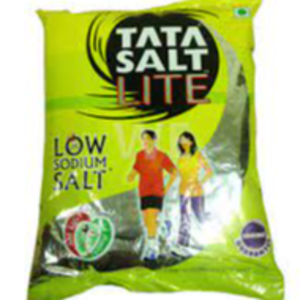
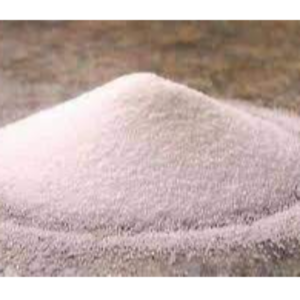
All six salt items are described as food‑grade under HS 2501.00. The portfolio includes raw halite, refined salt, low‑sodium (KCl/NaCl blend), iron‑fortified, iodine‑fortified and double‑fortified (iron + iodine) variants.

Which rice varieties are exported and what quality parameters should be checked?

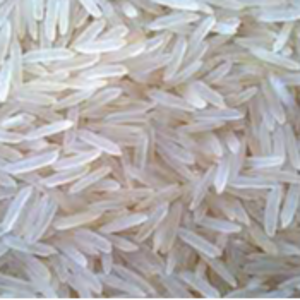
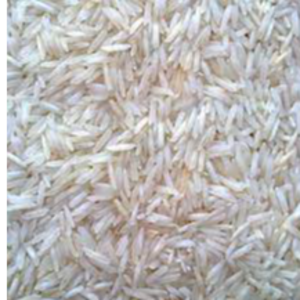
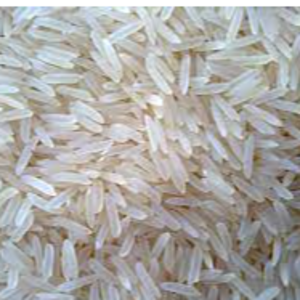
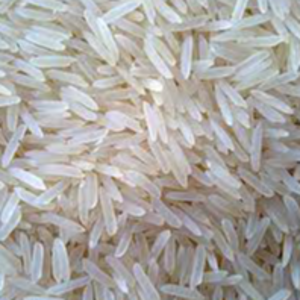
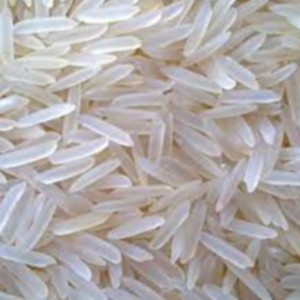
The catalogue lists long‑grain white rice and five Basmati varieties (Traditional, Pusa, 1509, 1401, 1121) under HS 1006.30. Buyers usually verify moisture content (<14 %), broken grain percentage (<5 %) and aroma grade as defined by the Indian Standard IS 3025.

What certifications are typically required for the peanut‑butter range?

Importers often request ISO 22000 or HACCP certification, a recent Certificate of Analysis showing protein ≥20 % and aflatoxin ≤10 ppb, and, if marketed as organic, an organic certification such as NOP or India’s NAAS.

Can I obtain a sample of the roasted chicory grain before placing a full order?

Yes, a sample of the roasted chicory grain (HS 1212.94) can be requested. Suppliers usually provide a small bulk sample (1‑2 kg) together with a CoA indicating moisture content and particle size distribution.

What are the typical packaging formats for the listed products?

Soaps are packed in cardboard boxes of 5‑10 kg, salts in 25‑kg polypropylene drums, rice in 20‑ft or 40‑ft containers with 20‑tonne bulk loads, peanut butter in sealed glass or PET jars (200‑500 g) or 25‑kg bulk bags, and chicory grain in bulk bags (25 kg) with moisture‑proof liners.

Which incoterms does HEMANT EXPORT usually work with?

The supplier commonly offers FOB from Anand port facilities or CIF to the buyer’s destination port. Both terms are standard for the product types listed and allow the buyer to arrange inland transport as needed.

What documentation should I ask for to verify compliance before shipment?

Request a Certificate of Origin, the latest FSSAI licence (for food items), ISO 9001/ISO 22000 certificates, a detailed CoA for each product batch, and any specific phytosanitary certificates required for rice or chicory. These documents together confirm regulatory compliance and product quality.


Featured Products from HEMANT EXPORT

Other Suppliers in Baby Soap

Top Trusted Suppliers

Related Products in Baby Soap

Trending in Parent Category

More Suppliers in Parent Category

Related Products

Other Suppliers

EximNext
58.4K+ live requirements
Register Free🎁 5 free buy-lead credits
Post Requirement
🌍 Trusted by 224.3K+ businesses in 200+ countries|
58.4K+ active requirements right now
✉️ [email protected]
|
Sell on EximNextPost Requirement
EximNext
AgricultureApparelConstructionElectronicFoodHomeIndustrialMineralsMiscellaneous
🔥 Deals|✨ AI Match|🏭 Suppliers|📋 Buy Leads|💰 Trade Finance|⭐ Upgrade
58.4K+ live RFQs·194.4K+ suppliers
🎁 5 free credits →
EximNext
EximNext
Register Free
🎁 5 free buy-lead credits
Sign In
📋Post Requirement💬Get QuotesAI Match📋RFQ Marketplace
All Categories
Services & Tools
🏭Supplier Directory🔥Today's Deals💰Trade FinanceMembership
Sell on EximNext
AboutContactBlogHelp
🏭

HEMANT EXPORT

🚢 Voyage
Country flag Anand, IndiaEst. 1985-01-01
🏆
41+
Years in Business
🛡️
93/100
Trust Score

HEMANT EXPORT Product Catalog

Showing 12 of 40 products
View all products →
Water Softener Salt Tablets
🚢 Voyage
Water Softener Salt Tablets
Contact
MOQ: 1 Unit
SULPHURIC ACID
🚢 Voyage
SULPHURIC ACID
Contact
MOQ: 1 Unit
SULFAMIC ACID
🚢 Voyage
SULFAMIC ACID
Contact
MOQ: 1 Unit
NITRIC ACID
🚢 Voyage
NITRIC ACID
Contact
MOQ: 1 Unit
HYDROCHLORIC ACID
🚢 Voyage
HYDROCHLORIC ACID
Contact
MOQ: 1 Unit
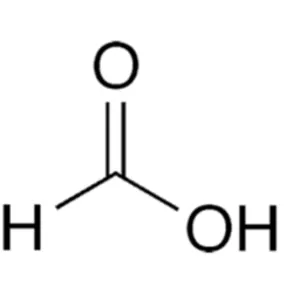
FORMIC ACID
🚢 Voyage
FORMIC ACID
Contact
MOQ: 1 Unit
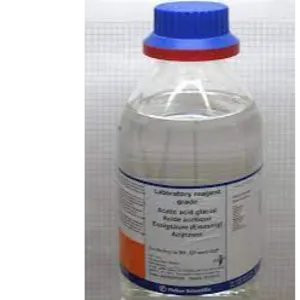
ACETIC ACID
🚢 Voyage
ACETIC ACID
Contact
MOQ: 1 Unit
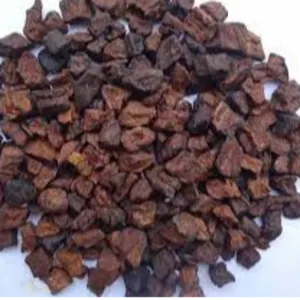
Roasted Chicory Cubes
🚢 Voyage
Roasted Chicory Cubes
Contact
MOQ: 1 Unit
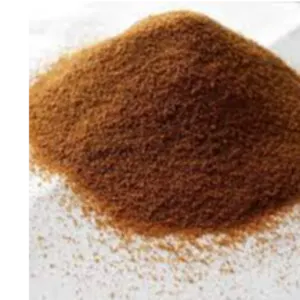
Roasted Chicory Powder
🚢 Voyage
Roasted Chicory Powder
Contact
MOQ: 1 Unit
Roasted Chicory Extract
🚢 Voyage
Roasted Chicory Extract
Contact
MOQ: 1 Unit
Roasted Chicory Grain
🚢 Voyage
Roasted Chicory Grain
Contact
MOQ: 1 Unit
NATURAL (ELAICHI) PEANUT BUTTER (CREAMY/CRUNCHY)
🚢 Voyage
NATURAL (ELAICHI) PEANUT BUTTER (CREAMY/CRUNCHY)
Contact
MOQ: 1 Unit

About HEMANT EXPORT - Soaps & Detergents Supplier in India

India, Anand in Gujarat hosts HEMANT EXPORT, which currently lists 39 active products across several commodity families. The catalogue includes eleven soap items classified under HS chapter 34 (e.g., HS 3401.11 for bar soaps and HS 3401.20 for scrubbing soaps), six food‑grade salt products under HS 2501.00, six varieties of long‑grain rice under HS 1006.30, six peanut‑butter formulations under HS 2008.11/2007.11, and a single roasted chicory grain under HS 1212.94. Each entry specifies the base material, such as natural plant‑based soap bases, refined sodium chloride, polished milled rice, roasted peanuts with flavorings, or roasted chicory root. The supplier’s product set therefore spans personal‑care, staple food, and specialty food segments, all referenced by their exact HS codes and material descriptions.

The listed items reflect a focus on conventional manufacturing grades. For example, the soaps are presented with standard ingredients like sodium stearate, glycerin, botanical extracts, and optional exfoliant particles. Salt products range from raw unrefined halite to fortified blends containing iron, iodine, or potassium chloride. Rice entries include traditional and Pusa Basmati varieties, while peanut‑butter lines cover classic, chocolate, coconut, and cardamom‑infused formats. The roasted chicory grain is described as a coffee‑substitute raw material. No additional product claims are provided beyond the catalogue data.

Product Range and Specialties of HEMANT EXPORT

The soap portfolio covers bar soaps (HS 3401.11) and a scrubbing soap (HS 3401.20) formulated with plant‑derived bases, moisturising emollients, exfoliant particles (jojoba beads, walnut shell, bamboo powder) and active agents such as kojic acid or menthol. In the industry, such soaps are typically produced to a pH of 9‑10, with free fatty acid content below 0.5 % and compliance to ISO 22716 cosmetic GMP standards. Salt products (HS 2501.00) include raw, refined, low‑sodium (KCl/NaCl blend) and double‑fortified (iron and iodine) grades; food‑grade salts are usually required to meet IS 3025 specifications for purity (>99 % NaCl) and mineral limits. Rice items (HS 1006.30) are long‑grain Basmati and non‑Basmati varieties, commonly graded by broken percentage (<5 %), moisture content (<14 %) and aroma index. Peanut‑butter products (HS 2008.11/2007.11) are roasted‑peanut pastes with added flavors, cocoa, coconut oil or cardamom; standard specifications call for protein ≥20 %, fat 45‑55 %, aflatoxin ≤10 ppb and compliance with Codex Alimentarius. The roasted chicory grain (HS 1212.94) is a roasted root used as a coffee substitute, typically sold in bulk with moisture ≤12 % and particle size 1‑3 mm.

These categories are supported by industry‑wide quality grades such as ISO 9001 for general management, ISO 22000 for food safety, and, where applicable, organic certifications. Buyers often request certificates of analysis, microbiological test reports and compliance with national food‑safety regulations in addition to the product specifications listed above.

Trade and Export Information - HEMANT EXPORT

India is a major exporter of personal‑care soaps, edible salts, Basmati rice and groundnut products. Common destination markets include the Middle East, Africa, Europe and North America, where buyers typically import under HS 34, 25, 10 and 20 chapters respectively. Export shipments are frequently packed in cardboard boxes (5‑10 kg) for soaps, 25‑kg polypropylene drums for salts, 20‑ft or 40‑ft containers with 20‑tonne rice loads, and sealed glass or PET jars (200‑500 g) or bulk bags (25 kg) for peanut butter. Buyers usually require compliance with Indian export regulations, such as a valid FSSAI license for food items, a Certificate of Origin, and any relevant phytosanitary certificates for agricultural products. Standard certifications requested by importers are ISO 9001/ISO 22000, GMP, and where applicable organic or halal certification. Incoterms most often used are FOB Anand or CIF destination port, with container loading optimized for the product’s weight and volume.

Indian exporters of these categories also observe labelling requirements that include the HS code, net weight, country of origin and any fortification details for salts. Quality inspections are commonly performed by agencies such as SGS, Bureau Veritas or the Indian Council of Agricultural Research (ICAR) before customs clearance. The logistical profile of these goods - low‑to‑medium density, non‑hazardous - allows for standard sea freight handling and straightforward customs clearance in most importing jurisdictions.

Sourcing from HEMANT EXPORT - Buyer Guidance

When sourcing soaps from HEMANT EXPORT, request a Material Safety Data Sheet (MSDS) and a Certificate of Analysis that confirms pH, free fatty acid level and absence of prohibited preservatives. Verify that the product complies with ISO 22716 and, if required by the destination market, with EU Cosmetic Regulation (EC) No 1223/2009. Samples of each soap variant should be examined for scent, texture and colour consistency before full‑scale purchase.

For salt, rice and peanut‑butter items, buyers should ask for a recent CoA covering purity, moisture, iodine/iron fortification levels (for fortified salts), broken grain percentage (for rice) and aflatoxin/microbial limits (for peanut butter). Confirm that the exporter holds a valid FSSAI licence and, where necessary, ISO 22000 or HACCP certification. Typical minimum order quantities are 500 kg for salts, 1 000 kg for rice, 2 000 units (≈ 200 kg) for soaps and 500 kg for peanut‑butter, with lead times of 30‑45 days after order confirmation.

Frequently Asked Questions About HEMANT EXPORT

What HS codes apply to the soap products offered by HEMANT EXPORT?

The bar‑soap range is classified under HS 3401.11, while the scrubbing soap is listed under HS 3401.20. Both codes fall within Chapter 34 for soap and organic surface‑active preparations.

Are the salt products food‑grade and what fortifications are available?

All six salt items are described as food‑grade under HS 2501.00. The portfolio includes raw halite, refined salt, low‑sodium (KCl/NaCl blend), iron‑fortified, iodine‑fortified and double‑fortified (iron + iodine) variants.

Which rice varieties are exported and what quality parameters should be checked?

The catalogue lists long‑grain white rice and five Basmati varieties (Traditional, Pusa, 1509, 1401, 1121) under HS 1006.30. Buyers usually verify moisture content (<14 %), broken grain percentage (<5 %) and aroma grade as defined by the Indian Standard IS 3025.

What certifications are typically required for the peanut‑butter range?

Importers often request ISO 22000 or HACCP certification, a recent Certificate of Analysis showing protein ≥20 % and aflatoxin ≤10 ppb, and, if marketed as organic, an organic certification such as NOP or India’s NAAS.

Can I obtain a sample of the roasted chicory grain before placing a full order?

Yes, a sample of the roasted chicory grain (HS 1212.94) can be requested. Suppliers usually provide a small bulk sample (1‑2 kg) together with a CoA indicating moisture content and particle size distribution.

What are the typical packaging formats for the listed products?

Soaps are packed in cardboard boxes of 5‑10 kg, salts in 25‑kg polypropylene drums, rice in 20‑ft or 40‑ft containers with 20‑tonne bulk loads, peanut butter in sealed glass or PET jars (200‑500 g) or 25‑kg bulk bags, and chicory grain in bulk bags (25 kg) with moisture‑proof liners.

Which incoterms does HEMANT EXPORT usually work with?

The supplier commonly offers FOB from Anand port facilities or CIF to the buyer’s destination port. Both terms are standard for the product types listed and allow the buyer to arrange inland transport as needed.

What documentation should I ask for to verify compliance before shipment?

Request a Certificate of Origin, the latest FSSAI licence (for food items), ISO 9001/ISO 22000 certificates, a detailed CoA for each product batch, and any specific phytosanitary certificates required for rice or chicory. These documents together confirm regulatory compliance and product quality.

About HEMANT EXPORT - Soaps & Detergents Supplier in India

India, Anand in Gujarat hosts HEMANT EXPORT, which currently lists 39 active products across several commodity families. The catalogue includes eleven soap items classified under HS chapter 34 (e.g., HS 3401.11 for bar soaps and HS 3401.20 for scrubbing soaps), six food‑grade salt products under HS 2501.00, six varieties of long‑grain rice under HS 1006.30, six peanut‑butter formulations under HS 2008.11/2007.11, and a single roasted chicory grain under HS 1212.94. Each entry specifies the base material, such as natural plant‑based soap bases, refined sodium chloride, polished milled rice, roasted peanuts with flavorings, or roasted chicory root. The supplier’s product set therefore spans personal‑care, staple food, and specialty food segments, all referenced by their exact HS codes and material descriptions.

The listed items reflect a focus on conventional manufacturing grades. For example, the soaps are presented with standard ingredients like sodium stearate, glycerin, botanical extracts, and optional exfoliant particles. Salt products range from raw unrefined halite to fortified blends containing iron, iodine, or potassium chloride. Rice entries include traditional and Pusa Basmati varieties, while peanut‑butter lines cover classic, chocolate, coconut, and cardamom‑infused formats. The roasted chicory grain is described as a coffee‑substitute raw material. No additional product claims are provided beyond the catalogue data.

Product Range and Specialties of HEMANT EXPORT

The soap portfolio covers bar soaps (HS 3401.11) and a scrubbing soap (HS 3401.20) formulated with plant‑derived bases, moisturising emollients, exfoliant particles (jojoba beads, walnut shell, bamboo powder) and active agents such as kojic acid or menthol. In the industry, such soaps are typically produced to a pH of 9‑10, with free fatty acid content below 0.5 % and compliance to ISO 22716 cosmetic GMP standards. Salt products (HS 2501.00) include raw, refined, low‑sodium (KCl/NaCl blend) and double‑fortified (iron and iodine) grades; food‑grade salts are usually required to meet IS 3025 specifications for purity (>99 % NaCl) and mineral limits. Rice items (HS 1006.30) are long‑grain Basmati and non‑Basmati varieties, commonly graded by broken percentage (<5 %), moisture content (<14 %) and aroma index. Peanut‑butter products (HS 2008.11/2007.11) are roasted‑peanut pastes with added flavors, cocoa, coconut oil or cardamom; standard specifications call for protein ≥20 %, fat 45‑55 %, aflatoxin ≤10 ppb and compliance with Codex Alimentarius. The roasted chicory grain (HS 1212.94) is a roasted root used as a coffee substitute, typically sold in bulk with moisture ≤12 % and particle size 1‑3 mm.

These categories are supported by industry‑wide quality grades such as ISO 9001 for general management, ISO 22000 for food safety, and, where applicable, organic certifications. Buyers often request certificates of analysis, microbiological test reports and compliance with national food‑safety regulations in addition to the product specifications listed above.

Trade and Export Information - HEMANT EXPORT

India is a major exporter of personal‑care soaps, edible salts, Basmati rice and groundnut products. Common destination markets include the Middle East, Africa, Europe and North America, where buyers typically import under HS 34, 25, 10 and 20 chapters respectively. Export shipments are frequently packed in cardboard boxes (5‑10 kg) for soaps, 25‑kg polypropylene drums for salts, 20‑ft or 40‑ft containers with 20‑tonne rice loads, and sealed glass or PET jars (200‑500 g) or bulk bags (25 kg) for peanut butter. Buyers usually require compliance with Indian export regulations, such as a valid FSSAI license for food items, a Certificate of Origin, and any relevant phytosanitary certificates for agricultural products. Standard certifications requested by importers are ISO 9001/ISO 22000, GMP, and where applicable organic or halal certification. Incoterms most often used are FOB Anand or CIF destination port, with container loading optimized for the product’s weight and volume.

Indian exporters of these categories also observe labelling requirements that include the HS code, net weight, country of origin and any fortification details for salts. Quality inspections are commonly performed by agencies such as SGS, Bureau Veritas or the Indian Council of Agricultural Research (ICAR) before customs clearance. The logistical profile of these goods - low‑to‑medium density, non‑hazardous - allows for standard sea freight handling and straightforward customs clearance in most importing jurisdictions.

Sourcing from HEMANT EXPORT - Buyer Guidance

When sourcing soaps from HEMANT EXPORT, request a Material Safety Data Sheet (MSDS) and a Certificate of Analysis that confirms pH, free fatty acid level and absence of prohibited preservatives. Verify that the product complies with ISO 22716 and, if required by the destination market, with EU Cosmetic Regulation (EC) No 1223/2009. Samples of each soap variant should be examined for scent, texture and colour consistency before full‑scale purchase.

For salt, rice and peanut‑butter items, buyers should ask for a recent CoA covering purity, moisture, iodine/iron fortification levels (for fortified salts), broken grain percentage (for rice) and aflatoxin/microbial limits (for peanut butter). Confirm that the exporter holds a valid FSSAI licence and, where necessary, ISO 22000 or HACCP certification. Typical minimum order quantities are 500 kg for salts, 1 000 kg for rice, 2 000 units (≈ 200 kg) for soaps and 500 kg for peanut‑butter, with lead times of 30‑45 days after order confirmation.

Frequently Asked Questions About HEMANT EXPORT
What HS codes apply to the soap products offered by HEMANT EXPORT?
The bar‑soap range is classified under HS 3401.11, while the scrubbing soap is listed under HS 3401.20. Both codes fall within Chapter 34 for soap and organic surface‑active preparations.
Are the salt products food‑grade and what fortifications are available?
All six salt items are described as food‑grade under HS 2501.00. The portfolio includes raw halite, refined salt, low‑sodium (KCl/NaCl blend), iron‑fortified, iodine‑fortified and double‑fortified (iron + iodine) variants.
Which rice varieties are exported and what quality parameters should be checked?
The catalogue lists long‑grain white rice and five Basmati varieties (Traditional, Pusa, 1509, 1401, 1121) under HS 1006.30. Buyers usually verify moisture content (<14 %), broken grain percentage (<5 %) and aroma grade as defined by the Indian Standard IS 3025.
What certifications are typically required for the peanut‑butter range?
Importers often request ISO 22000 or HACCP certification, a recent Certificate of Analysis showing protein ≥20 % and aflatoxin ≤10 ppb, and, if marketed as organic, an organic certification such as NOP or India’s NAAS.
Can I obtain a sample of the roasted chicory grain before placing a full order?
Yes, a sample of the roasted chicory grain (HS 1212.94) can be requested. Suppliers usually provide a small bulk sample (1‑2 kg) together with a CoA indicating moisture content and particle size distribution.
What are the typical packaging formats for the listed products?
Soaps are packed in cardboard boxes of 5‑10 kg, salts in 25‑kg polypropylene drums, rice in 20‑ft or 40‑ft containers with 20‑tonne bulk loads, peanut butter in sealed glass or PET jars (200‑500 g) or 25‑kg bulk bags, and chicory grain in bulk bags (25 kg) with moisture‑proof liners.
Which incoterms does HEMANT EXPORT usually work with?
The supplier commonly offers FOB from Anand port facilities or CIF to the buyer’s destination port. Both terms are standard for the product types listed and allow the buyer to arrange inland transport as needed.
What documentation should I ask for to verify compliance before shipment?
Request a Certificate of Origin, the latest FSSAI licence (for food items), ISO 9001/ISO 22000 certificates, a detailed CoA for each product batch, and any specific phytosanitary certificates required for rice or chicory. These documents together confirm regulatory compliance and product quality.

🏭
HEMANT EXPORT
Country flag Anand, India
🚢 Voyage
93/100
Trust Score
📦
40
Products
Free to contact — no commission
Escrow payment available
Verified business identity
Compare more suppliers
Post a requirement — get 10 quotes free
Let verified suppliers compete for your business. Free, fast, no commitment.
EximNext Verified Supplier
Business identity verified
Physical address confirmed
Financial history checked
Certifications authenticated
Trade references validated
Due Diligence
Verify this supplier's real shipping history.
Every shipment, every buyer, every port. Trade data that can't be faked.
Run due diligence →
Discover More

Related Suppliers & Products

Explore similar suppliers, related products and trending categories

Featured Products from HEMANT EXPORT

Other Suppliers in Baby Soap

Top Trusted Suppliers

Related Products in Baby Soap

Trending in Parent Category

More Suppliers in Parent Category

Stay ahead in global trade
Weekly market insights & new supplier alerts.
EximNext
Exim Next is a leading global B2B marketplace, connecting over 205,000 verified suppliers and buyers across 200+ countries. As a trusted import export marketplace, it serves as the essential B2B portal for businesses worldwide, empowering them to expand their international reach. With Exim Next, businesses can trade smarter and grow faster.
SECURE PAYMENTS
VISAMastercardPayPalSWIFTL/CEscrow
Follow us
© 2026 EximNext