PT. Budi Makmur Jayamurni — Verified Supplier
About PT. Budi Makmur Jayamurni - Leather Supplier in Indonesia
PT. Budi Makmur Jayamurni operates from Indonesia and currently lists 291 distinct products on its catalogue. The company’s portfolio concentrates on leather‑derived goods, covering raw hides, finished leathers, and specialized glove materials. Its top categories include Raw Leather, Finished Leather, Gloves, and ancillary animal skin products such as horns and feathers. The supplier is classified as an imported tier with a harbor trust rating. The product catalogue spans both raw material forms and finished components for downstream manufacturers.
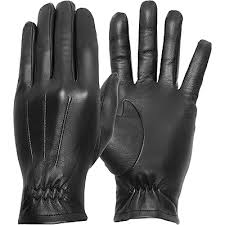
The catalogue features items such as Sheep and Goat Suede Leather, Nappa Leather for bags and shoes, Cabretta leather variants, and a range of glove‑specific leathers including Sheep Glove, Goat Batting Gloves, and Golf Glove Full Leather. Additional entries list specialized finishes like Digital Quartz Goat Leather for gloves and Embossed Batting Glove Leather. Several products target niche applications such as ski gloves, military sport shooting gloves, and high‑quality fashion leather for garments. The list also includes leather materials designated for women’s bags, men’s shoe uppers, and various colour‑specific glove leathers.
Product Range and Specialties of PT. Budi Makmur Jayamurni
Among the Indonesian leather market, raw hides are commonly graded by fiber content and thickness, with full‑grain and top‑grain classifications forming the highest quality tiers. Nappa leather, referenced in the catalogue, is a soft, full‑grain leather typically processed to a thickness of 0.8 - 1.2 mm and a moisture content of 10 - 12 %. Cabretta leather, frequently used for gloves, is a split‑grain leather with a typical tensile strength of 20 - 30 MPa and a smooth surface finish. Suede variants such as Sheep and Goat Suede generally exhibit a nap of 0.5 - 1 mm and are finished to ISO 5745 standards for surface uniformity.
Glove‑specific leathers, including Digital Quartz and Digital Matrik treatments, are often subjected to abrasion resistance testing (ASTM D3884) aiming for a minimum of 150 cycles. Golf glove leathers usually require a colorfastness rating of ≥3 on the Gray Scale and a grain thickness of 0.9 - 1.1 mm. Ski glove batting leathers are evaluated for thermal insulation, with a typical loft density of 150 g/m². Finished leather for shoes and labels commonly meets ISO 5389 surface flaw limits of less than 5 mm² per 100 cm².
Trade and Export Information - PT. Budi Makmur Jayamurni
Indonesia ranks among the top global exporters of raw and finished leather, supplying primarily to markets in East Asia, the European Union, and North America. Export shipments are classified under HS Chapter 41, covering raw hides, skins, and leather articles. Buyers in the automotive interior, fashion footwear, and sports equipment sectors regularly request ISO 9001 quality‑management certification, REACH compliance for chemical restrictions, and Oeko‑Tex Standard 100 for skin‑contact safety. Typical export logistics involve 20‑foot containers holding 30 - 35 leather bales, each bale weighing up to 1 ton, with CIF or FOB terms prevailing in trade contracts.
Packaging for leather exports commonly employs moisture‑controlled pallets, stretch‑film wrapping, and hardwood crates to preserve dimensional stability. Inspection agencies such as SGS or Bureau Veritas frequently conduct pre‑shipment checks against the International Leather Federation (ILF) standards. Indonesian exporters often coordinate with freight forwarders experienced in handling bulk leather to ensure temperature‑controlled environments during sea transit, especially for Nappa and suede products that are sensitive to humidity fluctuations.
Sourcing from PT. Budi Makmur Jayamurni - Buyer Guidance
Potential buyers should request material data sheets that detail leather thickness, tensile strength, moisture content, and any surface treatments applied. Sample submissions are usually requested in 1 m² swatches, allowing verification of color, grain structure, and hand feel before confirming bulk orders. Verification of certifications - ISO 9001, REACH, and any third‑party leather quality audits - is essential to meet import regulatory requirements.
Typical minimum order quantities for bulk leather bales range from 5 to 10 tons, while specialty glove leathers may be quoted per kilogram with a 500 kg minimum. Lead times for standard raw hides are 30 - 45 days from order confirmation, whereas processed Nappa or treated glove leathers can require 60 - 75 days due to additional finishing steps. Buyers are advised to confirm container loading plans and request pre‑shipment inspection reports to mitigate risks of non‑conformity.
Frequently Asked Questions About PT. Budi Makmur Jayamurni
What leather grades are available in the catalogue?
The catalogue lists full‑grain Nappa leather, top‑grain Cabretta leather, split‑grain suede, and treated glove leathers such as Digital Quartz and Digital Matrik. Each grade follows industry thickness and tensile‑strength specifications typical for its end use.
Which specifications should I check for glove‑making leather?
For glove leathers, buyers usually verify thickness (0.8 - 1.2 mm), abrasion resistance (≥150 cycles ASTM D3884), and surface smoothness (ISO 5745). Colorfastness to light and sweat is also commonly required, with a Gray Scale rating of 3 or higher.
How are the leather products packaged for export?
Leather bales are placed on moisture‑controlled pallets, wrapped in stretch film, and secured in hardwood crates. For delicate Nappa or suede items, additional humidity‑absorbing packs are included to maintain optimal moisture levels during transit.
What certifications are commonly required for Indonesian leather imports?
Importers typically request ISO 9001 quality‑management certification, REACH compliance for restricted substances, and Oeko‑Tex Standard 100 for skin‑contact safety. The supplier’s catalogue does not list specific certifications, so buyers should ask the supplier to provide copies before finalizing contracts.
What is the usual minimum order quantity for bulk leather?
Standard raw hides and finished leathers are often sold in bales with a minimum order of 5 - 10 tons. Specialty glove leathers may be ordered by the kilogram, with a typical minimum of 500 kg.
What lead time can I expect for Nappa leather for bags?
Nappa leather, which requires additional softening and finishing, generally has a lead time of 60 - 75 days from order confirmation. Faster turnaround may be possible for raw hides, which usually ship within 30 - 45 days.
How can I obtain a sample before placing a large order?
Buyers can request a 1 m² swatch of the desired leather grade, which the supplier ships under standard freight terms. The sample should be examined for grain consistency, color match, and tactile properties before confirming bulk specifications.




 , Indonesia