Q Trade International — Supplier

About Q Trade International - Raw Leather Supplier in Bangladesh

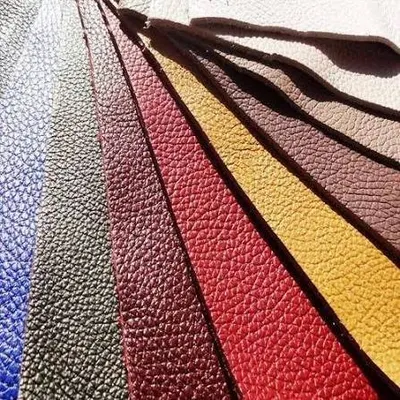
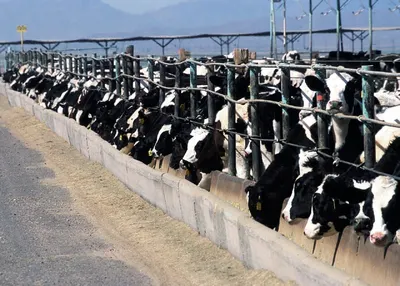
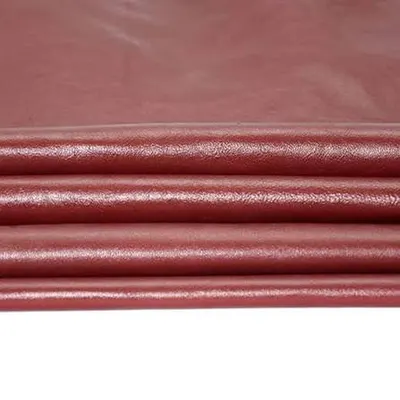
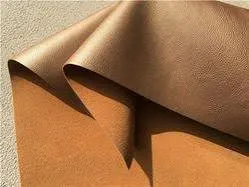
Bangladesh hosts Q Trade International, which currently lists 25 active leather products in its online catalogue. The portfolio spans the top categories of Raw Leather, Finished Leather, Leather Products, Agriculture and Cow Leather, reflecting the full processing chain from hide to finished material. Specific entries include Cow Crust Stock Lot Leather, Goat Ecological Crust Leather, Cow Full Vegetable Leather, Cow Finished Leather, Full Chrome Cow Lining Leather (stock lot), Cow Wet Blue Split Leather, Buffalo Finished Leather, Cow Nappa Leather and a range of split and pigment‑finished leathers. The list also mentions Baby Shoe Leather, Chrome‑Free options and bulk “stock lot” designations, indicating large‑volume availability. All items are grouped under raw and finished leather families without individual HS codes in the source data.

The catalogue mirrors standard leather processing stages: crust, split, wet‑blue, full‑chrome, vegetable‑tanned and finished grades. Products such as “Full Chrome Cow Lining Leather” and “Full Vegetable Cow Crust Leather” identify the tanning method, while “Pigment Finished” and “Suede” denote surface treatments applied after tanning. Descriptors like “Ecological” and “10 Up Split Leather” point to environmentally‑focused processes and bulk lot sizing respectively. Although HS codes are not supplied, these goods typically fall under HS Chapter 41 - raw hides and skins (4104) and finished leather (4105).

Product Range and Specialties of Q Trade International

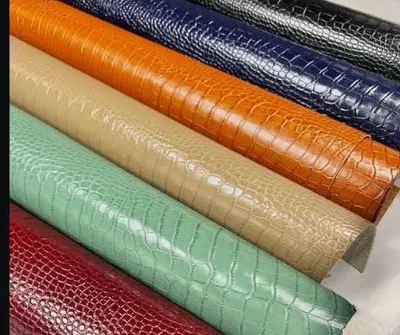
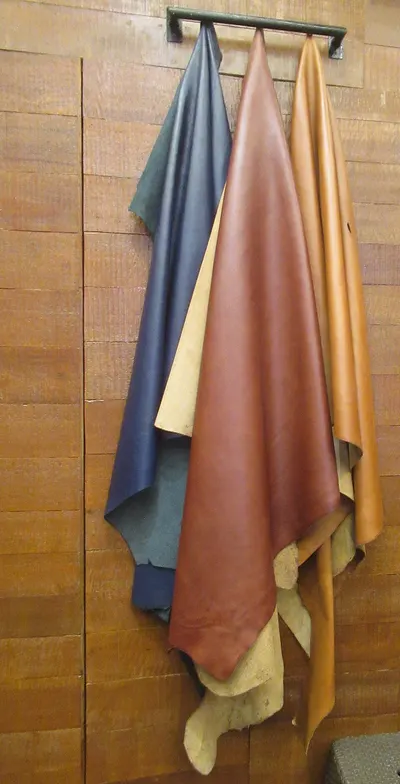
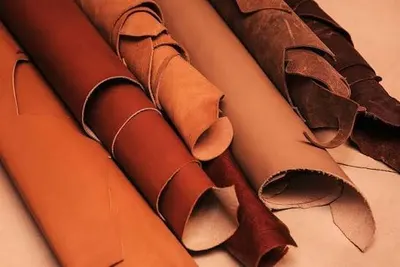
The catalogue offers a variety of leather types commonly required by downstream manufacturers. Items range from raw crust leathers (e.g., Cow Crust Stock Lot) and wet‑blue split leathers to fully tanned vegetable and chrome leathers, as well as specialty finishes such as pigment‑finished split leather and baby‑shoe‑grade leather. The inclusion of both cow and buffalo hides broadens the material base for applications in footwear, automotive upholstery and fashion accessories.

In the global leather market, raw crust leathers are graded by thickness (typically 0.7‑1.2 mm), grain structure and moisture content, while wet‑blue leathers are assessed by chrome uptake (usually 3‑5 % Cr₂O₃) and tensile strength (≈30‑40 MPa). Vegetable‑tanned leathers are evaluated on tannin penetration and color uniformity, often meeting ISO 9001 quality management criteria. Finished leathers such as pigment‑finished or suede are checked for surface abrasion resistance, colour fastness and edge stitching quality. Buyers usually request specifications in millimetres for thickness, percentage of chrome or vegetable tannins, and standard test reports (e.g., ISO 3379 for leather thickness, ISO 2364 for tensile properties).

Trade and Export Information - Q Trade International

Bangladesh is a recognized exporter of both raw and finished leather, with shipments primarily destined for the European Union, United States, China and Middle‑East markets. Exporters of raw crust and wet‑blue leathers typically use HS 4104, while finished leather garments and panels fall under HS 4105; customs authorities in importing countries often require phytosanitary certificates and compliance with REACH chemical restrictions.

Buyers of Bangladeshi leather generally expect ISO 9001 or ISO 14001 certification from their suppliers, along with test reports for chrome content, tensile strength, and colour fastness. Packaging is usually in sealed, moisture‑controlled wooden crates or bulk plastic-covered pallets, sized for 20‑ft or 40‑ft containers. Common Incoterms are FOB Chittagong or CIF European ports, with freight forwarders handling temperature‑controlled transport to preserve leather quality.

Sourcing from Q Trade International - Buyer Guidance

When sourcing from Q Trade International, buyers should request material data sheets that detail hide source, tanning method (chrome or vegetable), thickness, moisture content and any eco‑label claims such as “Ecological”. Sample pieces of each leather type are standard practice; suppliers often provide a 1 m² swatch for colour and texture verification before bulk orders.

Confirm that the supplier can furnish third‑party test reports covering ISO 3379 (thickness), ISO 2364 (tensile strength), and REACH compliance for chrome‑tanned leathers. Verify the availability of phytosanitary certificates and, if required by the destination country, a CITES declaration for any exotic species. Clarify packaging specifications (crate dimensions, moisture barriers) and preferred Incoterms, ensuring that the logistics provider can handle the weight of leather crates, which typically range from 500 kg to 1 ton per container.

Frequently Asked Questions About Q Trade International

What leather grades does Q Trade International list in its catalogue?

The catalogue includes raw crust leathers, wet‑blue split leathers, full‑chrome and full‑vegetable tanned leathers, as well as pigment‑finished and suede finishes for both cow and buffalo hides.

Are HS codes provided for the listed leather products?

Specific HS codes are not listed, but the products correspond to HS Chapter 41 - raw hides and skins (4104) and finished leather (4105).

Which certifications should a buyer request from this supplier?

Buyers should request ISO 9001 or ISO 14001 quality management certificates, REACH compliance documentation for chrome‑tanned leathers, and any phytosanitary certificates required by the importing country.

What typical specifications are used to evaluate the leather quality?

Common specifications include hide thickness (0.7‑1.2 mm), moisture content (8‑12 %), chrome uptake (3‑5 % for wet‑blue), tensile strength (30‑40 MPa), and colour fastness grades.

How is the leather usually packaged for export?

Export packs are typically sealed wooden crates or moisture‑controlled plastic‑covered pallets, sized for 20‑ft or 40‑ft containers, with each crate weighing between 500 kg and 1 ton.

What Incoterms are most frequently used for Bangladeshi leather shipments?

FOB Chittagong and CIF to major European ports are the most common Incoterms used for leather exports from Bangladesh.


Other Suppliers in Raw Leather

Top Trusted Suppliers

Related Products in Raw Leather

Trending in Parent Category

More Suppliers in Parent Category

Related Products

Other Suppliers

EximNext
7.1K+ live requirements
Register Free🎁 Reach global buyers
Post Requirement
🌍 Trusted by 225K+ businesses in 200+ countries|
7.1K+ active requirements right now
✉️ [email protected]
|
Sell on EximNextPost Requirement
EximNext
AgricultureApparelConstructionElectronicFoodHomeIndustrialMineralsMiscellaneous
🔥 Deals|✨ AI Match|🏭 Suppliers|📋 Buy Leads|💰 Trade Finance
7.1K+ live RFQs·194.8K+ suppliers
🎁 Reach global buyers →
EximNext
EximNext
Register Free
🎁 Reach global buyers
Sign In
📋Post Requirement💬Get Quotes✨AI Match📋RFQ Marketplace
All Categories
Services & Tools
🏭Supplier Directory🔥Today's Deals💰Trade Finance
Sell on EximNext →
AboutContactBlogHelp
Apparel & Home  ·  Bangladesh
25
products listed

Q Trade International

⚓ Harbor
Country flag , BangladeshNew supplier / no reviews yet
🛡️
79/100
Trust Score

Q Trade International Product Catalog

Showing 12 of 25 products
View all products →
Cow Split Leather
⚓ Harbor
Cow Split Leather
Contact
MOQ: 1 Unit
Wet Blue Split Leather
⚓ Harbor
Wet Blue Split Leather
Contact
MOQ: 1 Unit
Full Vegetable Cow Crust Leather
⚓ Harbor
Full Vegetable Cow Crust Leather
Contact
MOQ: 1 Unit
10 Up Split Leather
⚓ Harbor
10 Up Split Leather
Contact
MOQ: 1 Unit
Full Chrome Cow Lineling Leather
⚓ Harbor
Full Chrome Cow Lineling Leather
Contact
MOQ: 1 Unit
Cow Stock Lot
⚓ Harbor
Cow Stock Lot
Contact
MOQ: 1 Unit
Cow Full Chrome Split Leather
⚓ Harbor
Cow Full Chrome Split Leather
Contact
MOQ: 1 Unit
Cow Split Suede Pigment Finished Leather
⚓ Harbor
Cow Split Suede Pigment Finished Leather
Contact
MOQ: 1 Unit
Cow Split Pigment Finished Leather
⚓ Harbor
Cow Split Pigment Finished Leather
Contact
MOQ: 1 Unit
Split Leather
⚓ Harbor
Split Leather
Contact
MOQ: 1 Unit
Cow Wetblue Split Leather
⚓ Harbor
Cow Wetblue Split Leather
Contact
MOQ: 1 Unit
Genuine Finished Leather
⚓ Harbor
Genuine Finished Leather
Contact
MOQ: 1 Unit

About Q Trade International - Raw Leather Supplier in Bangladesh

Bangladesh hosts Q Trade International, which currently lists 25 active leather products in its online catalogue. The portfolio spans the top categories of Raw Leather, Finished Leather, Leather Products, Agriculture and Cow Leather, reflecting the full processing chain from hide to finished material. Specific entries include Cow Crust Stock Lot Leather, Goat Ecological Crust Leather, Cow Full Vegetable Leather, Cow Finished Leather, Full Chrome Cow Lining Leather (stock lot), Cow Wet Blue Split Leather, Buffalo Finished Leather, Cow Nappa Leather and a range of split and pigment‑finished leathers. The list also mentions Baby Shoe Leather, Chrome‑Free options and bulk “stock lot” designations, indicating large‑volume availability. All items are grouped under raw and finished leather families without individual HS codes in the source data.

The catalogue mirrors standard leather processing stages: crust, split, wet‑blue, full‑chrome, vegetable‑tanned and finished grades. Products such as “Full Chrome Cow Lining Leather” and “Full Vegetable Cow Crust Leather” identify the tanning method, while “Pigment Finished” and “Suede” denote surface treatments applied after tanning. Descriptors like “Ecological” and “10 Up Split Leather” point to environmentally‑focused processes and bulk lot sizing respectively. Although HS codes are not supplied, these goods typically fall under HS Chapter 41 - raw hides and skins (4104) and finished leather (4105).

Product Range and Specialties of Q Trade International

The catalogue offers a variety of leather types commonly required by downstream manufacturers. Items range from raw crust leathers (e.g., Cow Crust Stock Lot) and wet‑blue split leathers to fully tanned vegetable and chrome leathers, as well as specialty finishes such as pigment‑finished split leather and baby‑shoe‑grade leather. The inclusion of both cow and buffalo hides broadens the material base for applications in footwear, automotive upholstery and fashion accessories.

In the global leather market, raw crust leathers are graded by thickness (typically 0.7‑1.2 mm), grain structure and moisture content, while wet‑blue leathers are assessed by chrome uptake (usually 3‑5 % Cr₂O₃) and tensile strength (≈30‑40 MPa). Vegetable‑tanned leathers are evaluated on tannin penetration and color uniformity, often meeting ISO 9001 quality management criteria. Finished leathers such as pigment‑finished or suede are checked for surface abrasion resistance, colour fastness and edge stitching quality. Buyers usually request specifications in millimetres for thickness, percentage of chrome or vegetable tannins, and standard test reports (e.g., ISO 3379 for leather thickness, ISO 2364 for tensile properties).

Trade and Export Information - Q Trade International

Bangladesh is a recognized exporter of both raw and finished leather, with shipments primarily destined for the European Union, United States, China and Middle‑East markets. Exporters of raw crust and wet‑blue leathers typically use HS 4104, while finished leather garments and panels fall under HS 4105; customs authorities in importing countries often require phytosanitary certificates and compliance with REACH chemical restrictions.

Buyers of Bangladeshi leather generally expect ISO 9001 or ISO 14001 certification from their suppliers, along with test reports for chrome content, tensile strength, and colour fastness. Packaging is usually in sealed, moisture‑controlled wooden crates or bulk plastic-covered pallets, sized for 20‑ft or 40‑ft containers. Common Incoterms are FOB Chittagong or CIF European ports, with freight forwarders handling temperature‑controlled transport to preserve leather quality.

Sourcing from Q Trade International - Buyer Guidance

When sourcing from Q Trade International, buyers should request material data sheets that detail hide source, tanning method (chrome or vegetable), thickness, moisture content and any eco‑label claims such as “Ecological”. Sample pieces of each leather type are standard practice; suppliers often provide a 1 m² swatch for colour and texture verification before bulk orders.

Confirm that the supplier can furnish third‑party test reports covering ISO 3379 (thickness), ISO 2364 (tensile strength), and REACH compliance for chrome‑tanned leathers. Verify the availability of phytosanitary certificates and, if required by the destination country, a CITES declaration for any exotic species. Clarify packaging specifications (crate dimensions, moisture barriers) and preferred Incoterms, ensuring that the logistics provider can handle the weight of leather crates, which typically range from 500 kg to 1 ton per container.

Frequently Asked Questions About Q Trade International

What leather grades does Q Trade International list in its catalogue?

The catalogue includes raw crust leathers, wet‑blue split leathers, full‑chrome and full‑vegetable tanned leathers, as well as pigment‑finished and suede finishes for both cow and buffalo hides.

Are HS codes provided for the listed leather products?

Specific HS codes are not listed, but the products correspond to HS Chapter 41 - raw hides and skins (4104) and finished leather (4105).

Which certifications should a buyer request from this supplier?

Buyers should request ISO 9001 or ISO 14001 quality management certificates, REACH compliance documentation for chrome‑tanned leathers, and any phytosanitary certificates required by the importing country.

What typical specifications are used to evaluate the leather quality?

Common specifications include hide thickness (0.7‑1.2 mm), moisture content (8‑12 %), chrome uptake (3‑5 % for wet‑blue), tensile strength (30‑40 MPa), and colour fastness grades.

How is the leather usually packaged for export?

Export packs are typically sealed wooden crates or moisture‑controlled plastic‑covered pallets, sized for 20‑ft or 40‑ft containers, with each crate weighing between 500 kg and 1 ton.

What Incoterms are most frequently used for Bangladeshi leather shipments?

FOB Chittagong and CIF to major European ports are the most common Incoterms used for leather exports from Bangladesh.

About Q Trade International - Raw Leather Supplier in Bangladesh

Bangladesh hosts Q Trade International, which currently lists 25 active leather products in its online catalogue. The portfolio spans the top categories of Raw Leather, Finished Leather, Leather Products, Agriculture and Cow Leather, reflecting the full processing chain from hide to finished material. Specific entries include Cow Crust Stock Lot Leather, Goat Ecological Crust Leather, Cow Full Vegetable Leather, Cow Finished Leather, Full Chrome Cow Lining Leather (stock lot), Cow Wet Blue Split Leather, Buffalo Finished Leather, Cow Nappa Leather and a range of split and pigment‑finished leathers. The list also mentions Baby Shoe Leather, Chrome‑Free options and bulk “stock lot” designations, indicating large‑volume availability. All items are grouped under raw and finished leather families without individual HS codes in the source data.

The catalogue mirrors standard leather processing stages: crust, split, wet‑blue, full‑chrome, vegetable‑tanned and finished grades. Products such as “Full Chrome Cow Lining Leather” and “Full Vegetable Cow Crust Leather” identify the tanning method, while “Pigment Finished” and “Suede” denote surface treatments applied after tanning. Descriptors like “Ecological” and “10 Up Split Leather” point to environmentally‑focused processes and bulk lot sizing respectively. Although HS codes are not supplied, these goods typically fall under HS Chapter 41 - raw hides and skins (4104) and finished leather (4105).

Product Range and Specialties of Q Trade International

The catalogue offers a variety of leather types commonly required by downstream manufacturers. Items range from raw crust leathers (e.g., Cow Crust Stock Lot) and wet‑blue split leathers to fully tanned vegetable and chrome leathers, as well as specialty finishes such as pigment‑finished split leather and baby‑shoe‑grade leather. The inclusion of both cow and buffalo hides broadens the material base for applications in footwear, automotive upholstery and fashion accessories.

In the global leather market, raw crust leathers are graded by thickness (typically 0.7‑1.2 mm), grain structure and moisture content, while wet‑blue leathers are assessed by chrome uptake (usually 3‑5 % Cr₂O₃) and tensile strength (≈30‑40 MPa). Vegetable‑tanned leathers are evaluated on tannin penetration and color uniformity, often meeting ISO 9001 quality management criteria. Finished leathers such as pigment‑finished or suede are checked for surface abrasion resistance, colour fastness and edge stitching quality. Buyers usually request specifications in millimetres for thickness, percentage of chrome or vegetable tannins, and standard test reports (e.g., ISO 3379 for leather thickness, ISO 2364 for tensile properties).

Trade and Export Information - Q Trade International

Bangladesh is a recognized exporter of both raw and finished leather, with shipments primarily destined for the European Union, United States, China and Middle‑East markets. Exporters of raw crust and wet‑blue leathers typically use HS 4104, while finished leather garments and panels fall under HS 4105; customs authorities in importing countries often require phytosanitary certificates and compliance with REACH chemical restrictions.

Buyers of Bangladeshi leather generally expect ISO 9001 or ISO 14001 certification from their suppliers, along with test reports for chrome content, tensile strength, and colour fastness. Packaging is usually in sealed, moisture‑controlled wooden crates or bulk plastic-covered pallets, sized for 20‑ft or 40‑ft containers. Common Incoterms are FOB Chittagong or CIF European ports, with freight forwarders handling temperature‑controlled transport to preserve leather quality.

Sourcing from Q Trade International - Buyer Guidance

When sourcing from Q Trade International, buyers should request material data sheets that detail hide source, tanning method (chrome or vegetable), thickness, moisture content and any eco‑label claims such as “Ecological”. Sample pieces of each leather type are standard practice; suppliers often provide a 1 m² swatch for colour and texture verification before bulk orders.

Confirm that the supplier can furnish third‑party test reports covering ISO 3379 (thickness), ISO 2364 (tensile strength), and REACH compliance for chrome‑tanned leathers. Verify the availability of phytosanitary certificates and, if required by the destination country, a CITES declaration for any exotic species. Clarify packaging specifications (crate dimensions, moisture barriers) and preferred Incoterms, ensuring that the logistics provider can handle the weight of leather crates, which typically range from 500 kg to 1 ton per container.

Frequently Asked Questions About Q Trade International
What leather grades does Q Trade International list in its catalogue?
The catalogue includes raw crust leathers, wet‑blue split leathers, full‑chrome and full‑vegetable tanned leathers, as well as pigment‑finished and suede finishes for both cow and buffalo hides.
Are HS codes provided for the listed leather products?
Specific HS codes are not listed, but the products correspond to HS Chapter 41 - raw hides and skins (4104) and finished leather (4105).
Which certifications should a buyer request from this supplier?
Buyers should request ISO 9001 or ISO 14001 quality management certificates, REACH compliance documentation for chrome‑tanned leathers, and any phytosanitary certificates required by the importing country.
What typical specifications are used to evaluate the leather quality?
Common specifications include hide thickness (0.7‑1.2 mm), moisture content (8‑12 %), chrome uptake (3‑5 % for wet‑blue), tensile strength (30‑40 MPa), and colour fastness grades.
How is the leather usually packaged for export?
Export packs are typically sealed wooden crates or moisture‑controlled plastic‑covered pallets, sized for 20‑ft or 40‑ft containers, with each crate weighing between 500 kg and 1 ton.
What Incoterms are most frequently used for Bangladeshi leather shipments?
FOB Chittagong and CIF to major European ports are the most common Incoterms used for leather exports from Bangladesh.

Q Trade International
Country flag Bangladesh
⚓ HarborApparel & Home
79/100
Trust Score
25
Products
✓ Free to contact — no commission
✓ Escrow payment available
✓ Verified business identity
Compare more suppliers
Post a requirement — get 10 quotes free
Let verified suppliers compete for your business. Free, fast, no commitment.
Due Diligence
Verify this supplier's real shipping history.
Every shipment, every buyer, every port. Trade data that can't be faked.
Run due diligence →
Discover More

Related Suppliers & Products

Explore similar suppliers, related products and trending categories

Other Suppliers in Raw Leather

Top Trusted Suppliers

Related Products in Raw Leather

Trending in Parent Category

More Suppliers in Parent Category

Stay ahead in global trade
Weekly market insights & new supplier alerts.
EximNext
Exim Next is a leading global B2B marketplace, connecting over 220,000 registered suppliers and buyers across 200+ countries. As a trusted import export marketplace, it serves as the essential B2B portal for businesses worldwide, empowering them to expand their international reach. With Exim Next, businesses can trade smarter and grow faster.
SECURE PAYMENTS
VISAMastercardPayPalSWIFTL/CEscrow
Follow us
© 2026 EximNext