The Y Exim & Trading Company — Verified Supplier
About The Y Exim & Trading Company - Cotton and Spices Supplier in India
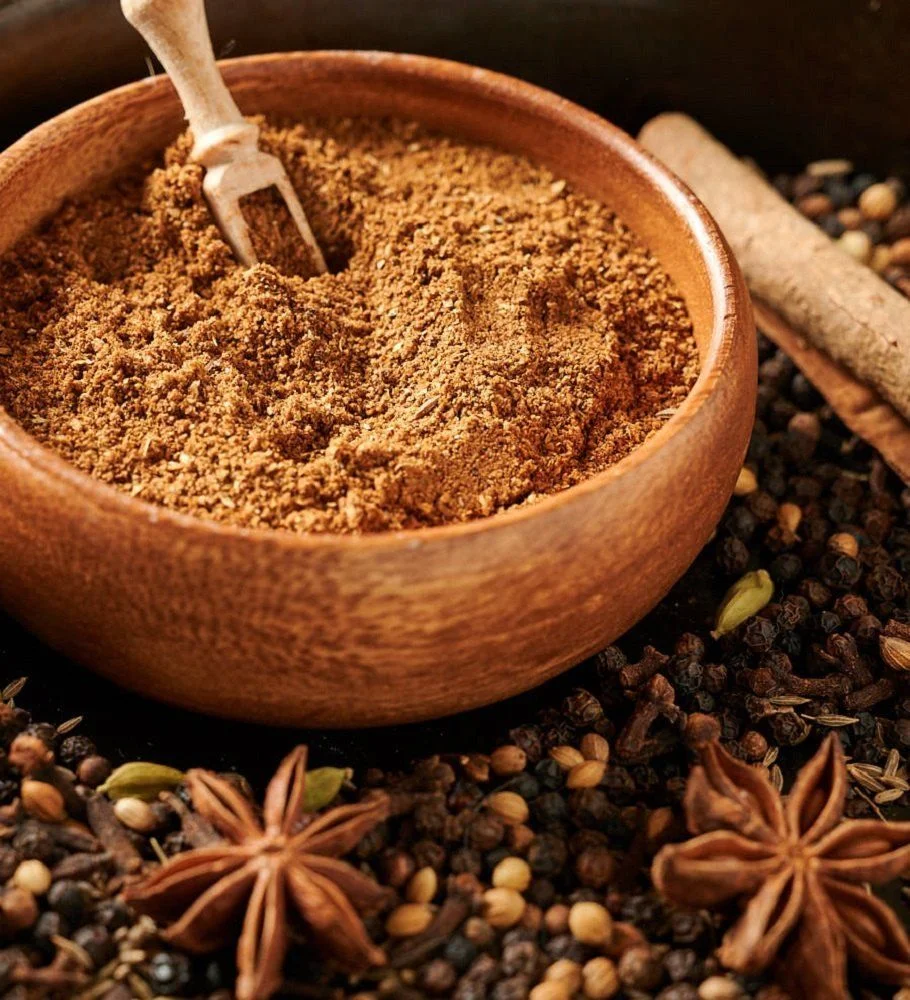
The Y Exim & Trading Company is an India-based exporter operating with an active catalogue of 10 products, spanning two distinct merchandise groups: raw and processed cotton, and a range of whole and ground spices. The cotton side of the listing covers cotton combed, raw cotton, cotton yarn, and a cotton oil seed cake by-product, while the spice side covers cardamom (both black and green varieties), turmeric, red chilli powder, coriander powder, and a general spices line. The supplier's origin in India places it inside the country's two largest export clusters for these goods: Gujarat and Maharashtra for raw cotton, yarn and oil cake, and Kerala, Tamil Nadu, Andhra Pradesh and the Guntur region for the spice categories listed. With cardamom specifically, the catalogue line is filed under HS code 0908.30, the subheading that covers cardamom of the Amomum genus, including the large-podded black cardamom (Amomum subulatum) traded as whole dried pods.
The combined cotton and spice profile is consistent with a multi-line Indian trading house that works across agricultural commodities and fibre rather than a single-category processor. Indian cotton exports in recent seasons have run at well over 1 million tonnes per year, with Shankar-6, DCH-32, MCU-5 and the long-staple DCH varieties typically commanding premiums on counts above 32s and staple lengths of 28-34 mm. On the spice side, India is the world's largest producer and exporter of cardamom, turmeric, chilli and coriander, and Indian shipments of turmeric alone regularly exceed 150,000 tonnes annually. The Y Exim & Trading Company's catalogue sits inside both of these established export flows, with the cotton yarn line extending into the 5205-5207 HS family and the spice lines falling under chapters 09 (spices) and 12 (oil seeds and oleaginous fruits for the cake).
Product Range and Specialties of The Y Exim & Trading Company
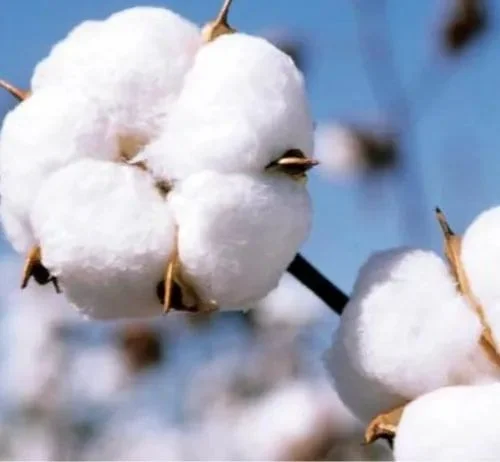
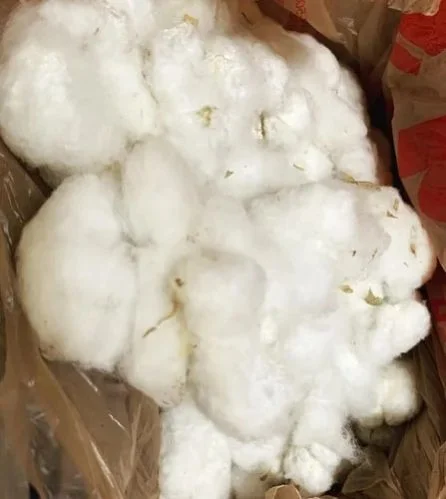
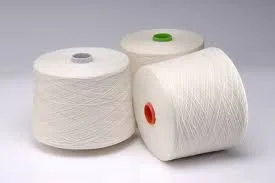
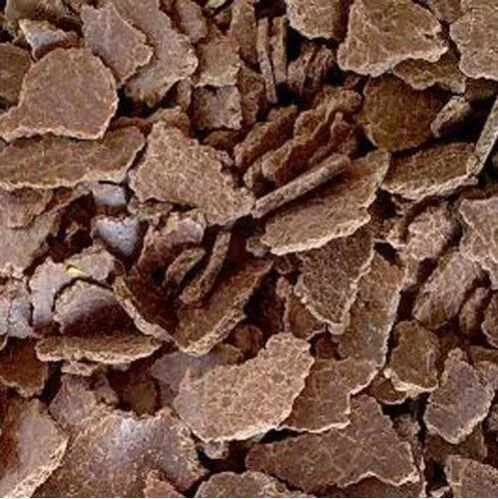
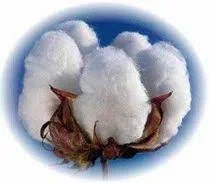
The catalogue breaks into two clearly defined groups. The cotton and cotton-derivative group contains four lines: cotton combed (combed yarn-ready raw cotton or combed sliver/lint, depending on how the buyer interprets the listing), raw cotton (ginned or unginned kapas), cotton yarn (covering counts typically spun in India from 20s to 60s, in carded, combed and compact variants), and cotton oil seed cake, the solid residue left after cottonseed oil extraction and used as cattle feed with typical protein content of 22-26%. Indian combed cotton is usually traded on parameters of staple length (mm), micronaire (3.5-4.9 is the premium band), uniformity index (above 80% is preferred), and trash percentage below 3%.
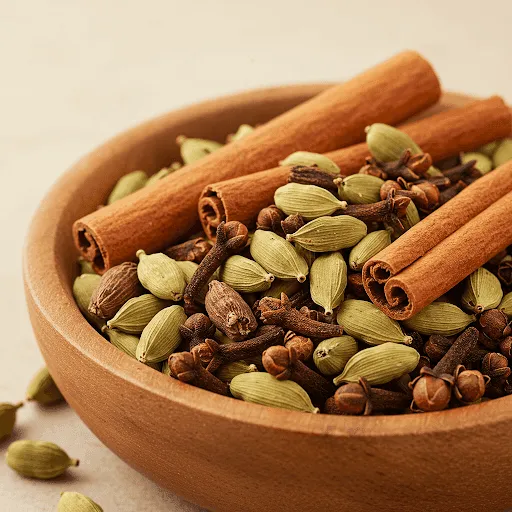
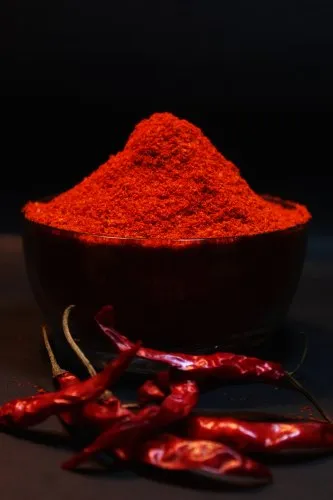
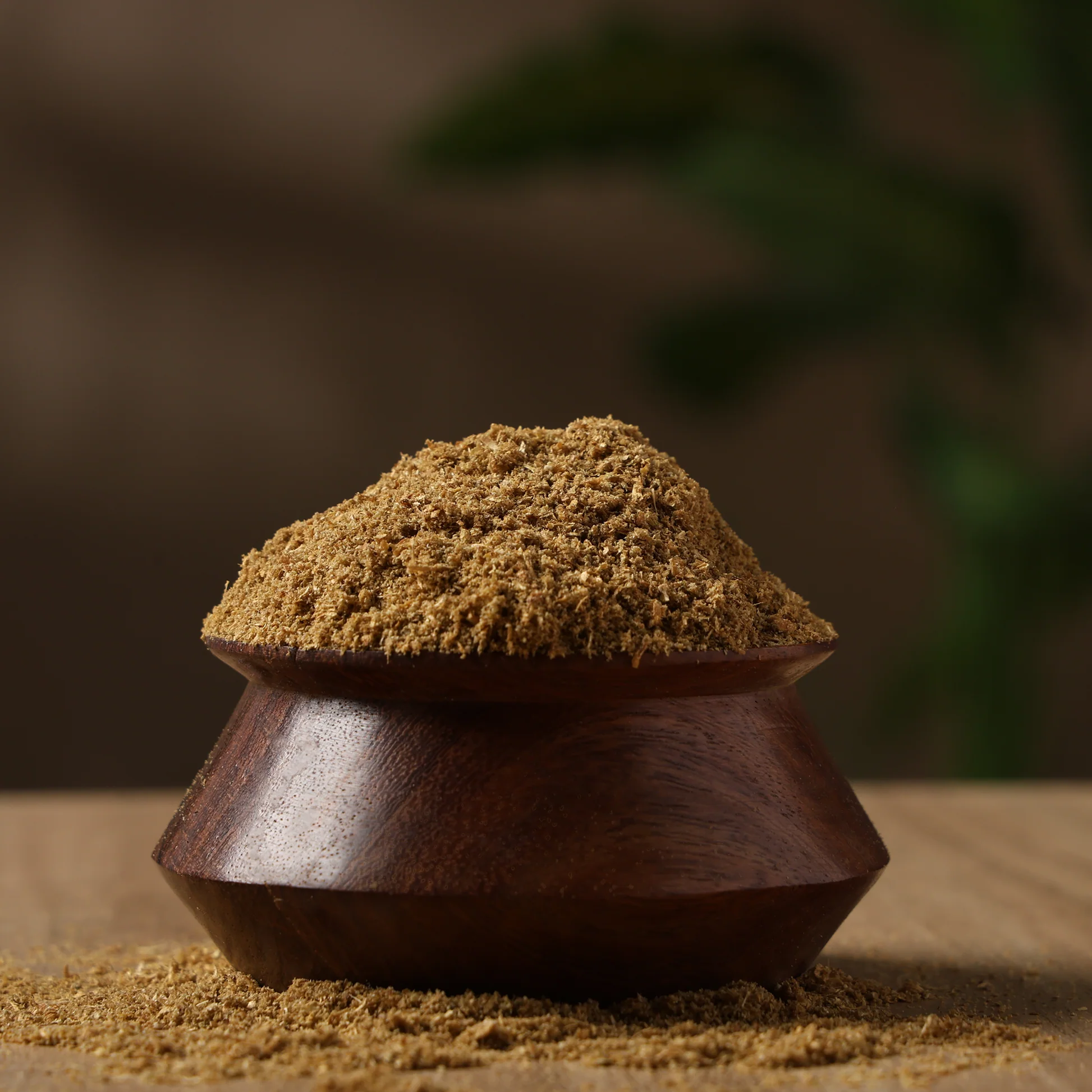
The spice group covers six lines, anchored by cardamom under HS 0908.30 (Amomum subulatum, whole dried pods, also called black or large cardamom, distinct from the smaller green cardamom of the Elettaria genus traded under 0908.31-0908.32). Turmeric in Indian export trade is typically traded to a curcumin content of 2-5%, with finger and bulb varieties sold separately and ground turmeric offered at 100-150 mesh. Red chilli powder from India is graded by ASTA colour value (often 120-160 ASTA for Teja/S17 and Byadigari), Scoville heat units, and moisture below 11%. Coriander powder is usually traded with split-fruit specification, essential oil content of 0.3-1.0%, and a sand/ash limit under 6%. Green cardamom is graded by size (8 mm extra bold, 7-8 mm bold, 6-7 mm medium) and colour, with the premium Alleppey Green Extra Bold (AGEB) fetching the highest prices in Gulf and EU markets.
Trade and Export Information - The Y Exim & Trading Company
Indian cotton and cotton yarn exports are typically shipped to Bangladesh, Vietnam, China, Pakistan, Turkey, Egypt, Portugal and Indonesia, with raw cotton moving in 20 ft and 40 ft high-cube containers at roughly 18-22 tonnes per 40 ft HC depending on compression. Cotton yarn shipments are commonly booked on FOB or CIF terms, with counts above 40s often moving by sea in 40 ft containers holding 12-18 tonnes. Indian spices under HS chapter 09 are typically exported to the UAE, Saudi Arabia, the United States, the United Kingdom, Germany, Malaysia, Sri Lanka and South Africa, with whole spices shipped in 25 kg or 50 kg jute/polypropylene bags and ground spices in multi-wall laminated bags or kraft paper sacks of 20-25 kg. Cardamom under 0908.30 is a high-value, low-volume cargo, often shipped in 5 kg cartons inside 10-12 kg master packs, and is highly sensitive to moisture and infestation in transit.
For the spice lines, buyers in the EU and US typically require compliance with EU Regulation 1881/2006 on contaminants, US FDA food facility registration, and maximum residue limits under Codex Alimentarius. Microbiological limits (total plate count, yeast and mould, Salmonella absent in 25 g, E. coli absent in 1 g) are standard specifications. For cotton and cotton yarn, buyers usually request SGS or Bureau Veritas pre-shipment inspection, HVI (High Volume Instrument) test reports covering micronaire, strength, length, uniformity and trash, and OEKO-TEX Standard 100 or Better Cotton Initiative documentation for yarn and finished textile buyers. Indian exporters of both spices and cotton typically work with APEDA registration, Spice Board of India registration for spices, and a phytosanitary certificate issued by the Plant Quarantine authority. Fumigation certificates (methyl bromide or aluminium phosphide) are standard for cotton bales and for whole spices shipped in jute bags.
Sourcing from The Y Exim & Trading Company - Buyer Guidance
Buyers sourcing from The Y Exim & Trading Company should request category-specific documentation before confirming any order. For the cotton and cotton yarn lines, ask for HVI test reports with micronaire (target band 3.5-4.9 for premium grades), staple length in mm, g/tex strength, uniformity index and trash percentage, plus a pre-shipment inspection certificate from an independent agency such as SGS or Bureau Veritas. For the yarn line, confirm the count (Ne), the spinning system (ring/combed/compact), the twist per inch (TPI), and the CV% of count and evenness, which together indicate yarn quality. For the cotton oil seed cake line, request an analysis certificate covering crude protein (target 22-26%), crude fibre, moisture (below 10% for safe storage), sand/silica, and aflatoxin levels.
For the spice lines, buyers should request a Certificate of Analysis covering curcumin percentage for turmeric (3% minimum is typical for finger turmeric), ASTA colour value and Scoville heat units for chilli powder, essential oil percentage for coriander, and pod size and colour grade for green and black cardamom. Microbiological reports (Salmonella, E. coli, yeast and mould) and pesticide residue screens against EU or Codex MRLs should be requested depending on the destination market. Confirm the crop year, the harvest region (Kerala vs Sikkim for cardamom, Erode/Nizamabad for turmeric, Guntur/Byadgi for chilli), and the packaging specification in writing. Spice Board of India registration, APEDA registration and a phytosanitary certificate are documents that Indian spice exporters typically hold and should be confirmed before shipment. Sample evaluation under the buyer's own lab protocol, prior to booking, is standard practice for both the cotton and spice categories.
Frequently Asked Questions About The Y Exim & Trading Company
What product categories does The Y Exim & Trading Company export?
The catalogue lists 10 active products split between cotton and spices. The cotton group includes cotton combed, raw cotton, cotton yarn and cotton oil seed cake, while the spice group covers cardamom (HS 0908.30, Amomum subulatum, whole dried pods), turmeric, red chilli powder, coriander powder, green cardamom and a general spices line.
Which HS code applies to the cardamom listed in the catalogue?
The cardamom line in the catalogue is filed under HS 0908.30, which covers cardamom of the Amomum genus, including the large-podded black cardamom (Amomum subulatum) traded as whole dried pods. Green cardamom of the Elettaria genus falls under 0908.31-0908.32.
What quality parameters should a buyer request for the cotton yarn line?
Buyers should request the yarn count (Ne), the spinning system (carded, combed or compact), twist per inch (TPI), CV% of count, and evenness/Imperfection Index (IPI) values. An HVI report on the parent cotton and a pre-shipment inspection certificate from SGS or Bureau Veritas are standard supporting documents.
Which documents are typically required for Indian spice exports?
Indian spice exporters typically hold a Spice Board of India registration and an APEDA registration, and shipments are usually accompanied by a phytosanitary certificate, a Certificate of Analysis covering curcumin, ASTA colour value, essential oil percentage or pod size as relevant, microbiological test reports, and a fumigation certificate for whole spices shipped in jute bags.
What is the typical packaging for Indian cotton bales and cotton yarn?
Raw cotton from India is typically pressed into bales of approximately 170 kg and loaded into 40 ft high-cube containers at 18-22 tonnes depending on compression. Cotton yarn is usually packed in 25 kg or 50 kg bags and shipped in 40 ft containers holding 12-18 tonnes depending on count and cone weight.
Which regions typically import Indian spices and Indian cotton?
Indian spices are typically exported to the UAE, Saudi Arabia, the United States, the United Kingdom, Germany, Malaysia, Sri Lanka and South Africa. Indian raw cotton and cotton yarn typically flow to Bangladesh, Vietnam, China, Pakistan, Turkey, Egypt, Portugal and Indonesia.
How should a buyer verify the grade of cardamom before ordering?
Buyers should request pod size in mm (8 mm extra bold, 7-8 mm bold, 6-7 mm medium for green cardamom), colour, moisture content (target below 12% for safe storage), and a sample for cupping or aroma evaluation. For black cardamom under HS 0908.30, confirm the harvest origin (Sikkim, West Bengal, Nepal border regions) and the absence of mould or insect damage in a pre-shipment sample.
What is the typical MOQ and lead time to confirm with the supplier?
MOQ and lead time should be confirmed in writing with the supplier for each product line. For raw cotton and cotton yarn, container-load quantities are standard, while for cardamom under HS 0908.30, shipments of a few hundred kilograms to several tonnes are typical. Lead times depend on crop seasonality, with Indian cardamom harvested mainly from October to March and cotton yarn available year-round from spinning mills.




 , India