G.J.C. Exports — Verified Supplier

About G.J.C. Exports - Jute Bags Supplier in India

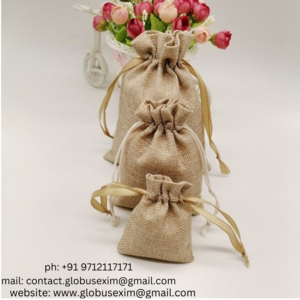
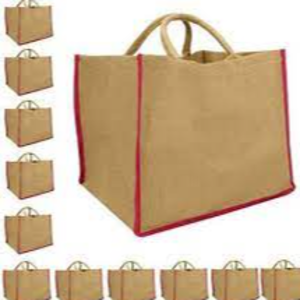
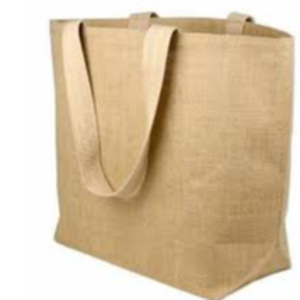
India hosts G.J.C. Exports, a catalogue holder with 38 active products spanning jute bags, cotton accessories, herbal extracts and essential oils. The supplier lists items such as Juco Shopping Bags, Jute Promotional Bags, Floral Jute Bags, custom cotton pencil cases, and a series of raw herbs like Shikakai, Ajowan Seeds and Moringa Powder. Essential oil entries include Organic Essential Oils and generic Essentials Oil, while the spice segment covers Sesame Seeds and Green Coffee Beans. Each product is grouped under HS‑code families used for jute textiles (5603), cotton goods (5208) and botanical extracts (3301). The profile notes compliance with national and international standards and sourcing from certified wholesalers, indicating a focus on traceability and quality control.

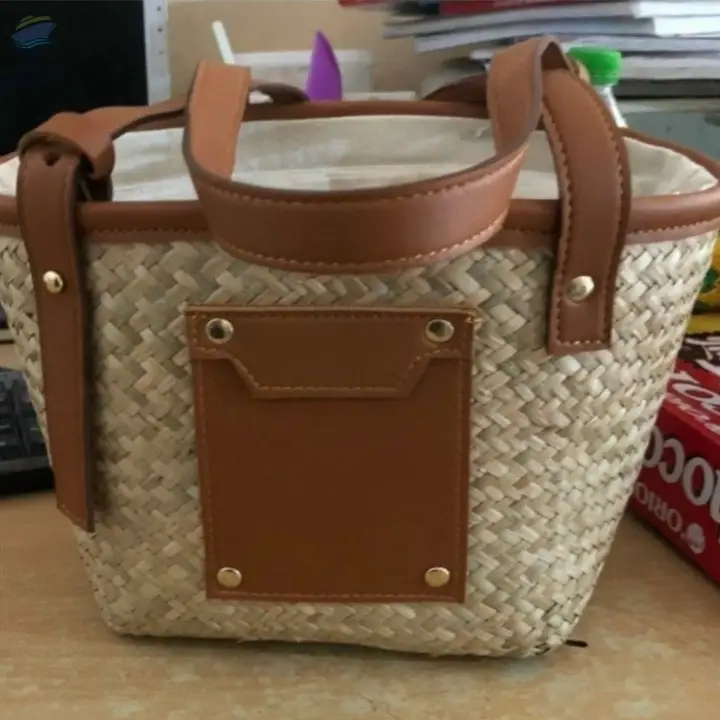
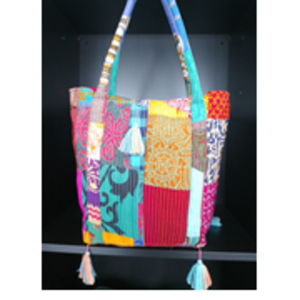
The catalogue further contains bedding textiles (Cotton Patchwork Bedsheets), tote‑style bags (Saddle Tan Veg Bespoke Tote Bags) and promotional items (Juco Promotional Bags). Herbal product lines include Babul Pods, Noni Fruit Powder and Herbal Extracts, reflecting a broad natural‑product portfolio. No specific dates, employee numbers or turnover figures are provided, limiting the description to the listed 38 product types and their categorical families.

Product Range and Specialties of G.J.C. Exports

The listed range covers three core material groups: jute textiles, cotton fabrics and plant‑derived chemicals. Jute bag styles range from plain Jute Bags to printed Floral Jute Bags and heavy‑duty Jute Beach Bags, typically manufactured with a gram weight of 250‑350 g/m² and a tensile strength of 30‑45 MPa. In the global market, jute bags are often graded by GSM, weave tightness and biodegradable certification such as FSC or Oeko‑Tex. Cotton accessories like Customised Cotton Pencil Cases and Stripe Cotton Beach Bags usually meet 150‑200 g/m² fabric weight and are woven from 100 % organic cotton, with common certifications including GOTS and ISO 9001. Essential oils and herbal extracts are sold as bulk liquids or powders; industry standards call for GC‑MS analysis, ISO 9235 compliance and specifications such as oil purity > 95 % and moisture content < 5 % for powders.

Trade and Export Information - G.J.C. Exports

India is a major exporter of jute products, with the HS‑code 5603 covering jute fabrics, sacks and bags that are shipped predominantly to the European Union, United States and Middle‑East markets. Buyers often require phytosanitary certificates, FSC or other eco‑label documentation, and the goods are normally packed in 20‑ft or 40‑ft containers with a net weight of 12‑18 tons per container. Essential oils fall under HS‑code 3301 and are subject to COA, MSDS and, where applicable, ISO 22000 food‑grade certification. Indian exporters of botanical extracts typically obtain export permits from the Agricultural and Processed Food Products Export Development Authority (APEDA) and may need to comply with REACH registration for EU destinations. Common Incoterms used are FOB Mumbai or CIF Rotterdam, with moisture barriers and inner liners required for bulk powder shipments.

Sourcing from G.J.C. Exports - Buyer Guidance

When sourcing jute bags from G.J.C. Exports, request the product’s GSM specification, tensile strength test report and any eco‑label certificates (FSC, Oeko‑Tex) to confirm durability and sustainability claims. For cotton accessories, ask for GOTS certification, fabric weight data and a pre‑production sample to verify stitching quality and print accuracy. Essential oil purchases should be accompanied by a Certificate of Analysis, GC‑MS chromatogram and a statement of ISO 9235 compliance; buyers often request a small trial batch to assess aroma profile and purity. Verify that the supplier can provide phytosanitary certificates for herbal powders and that the packaging meets container moisture limits (≤ 8 %). Typical minimum order quantities range from 500 units for bags to 25 kg for bulk oils, with lead times of 30‑45 days after sample approval.

Frequently Asked Questions About G.J.C. Exports

What product categories does G.J.C. Exports list in its catalogue?

The catalogue includes jute bags, cotton accessories, bedding textiles, various raw herbs, herbal extracts, essential oils and related spice products.

Which HS‑code families are relevant for the listed items?

Jute bags fall under HS 5603, cotton textiles under HS 5208, and essential oils or herbal extracts under HS 3301.

What certifications should a buyer request for jute bag orders?

Buyers typically request FSC or Oeko‑Tex certification, a tensile strength test report and a phytosanitary certificate for any natural fibre content.

How is product quality verified for essential oils?

Quality is verified through a Certificate of Analysis, GC‑MS chromatogram, purity percentage (usually > 95 %) and compliance with ISO 9235.

What are common packaging formats for bulk herbal powders?

Bulk powders are usually packed in food‑grade polyethylene bags inside a moisture‑proof liner, placed in 20‑ft or 40‑ft containers with a total net weight of 12‑18 tons.

What Incoterms are normally used for shipments from India?

FOB Mumbai and CIF Rotterdam are common Incoterms for Indian exporters of jute textiles and botanical products.

What minimum order quantities are typical for the supplier’s products?

Typical MOQs are around 500 units for bags, 200 units for cotton accessories and 25 kg for essential oils or herbal powders.

How long does it take to receive a sample before placing a full order?

Sample preparation and dispatch usually require 10‑15 days, after which standard lead times of 30‑45 days apply for full production.

Other Suppliers in Jute Bags

Top Trusted Suppliers

Related Products in Jute Bags

Trending in Parent Category

More Suppliers in Parent Category

Related Products

Other Suppliers

EximNext
58.4K+ live requirements
Register Free🎁 5 free buy-lead credits
Post Requirement
🌍 Trusted by 224.3K+ businesses in 200+ countries|
58.4K+ active requirements right now
✉️ [email protected]
|
Sell on EximNextPost Requirement
EximNext
AgricultureApparelConstructionElectronicFoodHomeIndustrialMineralsMiscellaneous
🔥 Deals|✨ AI Match|🏭 Suppliers|📋 Buy Leads|💰 Trade Finance|⭐ Upgrade
58.4K+ live RFQs·194.4K+ suppliers
🎁 5 free credits →
EximNext
EximNext
Register Free
🎁 5 free buy-lead credits
Sign In
📋Post Requirement💬Get QuotesAI Match📋RFQ Marketplace
All Categories
Services & Tools
🏭Supplier Directory🔥Today's Deals💰Trade FinanceMembership
Sell on EximNext
AboutContactBlogHelp
🏭

G.J.C. Exports

Harbor
Country flag , India
🛡️
79/100
Trust Score

G.J.C. Exports Product Catalog

Showing 12 of 38 products
View all products →
Herbal Extract Powder
Harbor
Herbal Extract Powder
Contact
MOQ: 1 Unit
Raw Material Powder
Harbor
Raw Material Powder
Contact
MOQ: 1 Unit
Herbal Roots
Harbor
Herbal Roots
Contact
MOQ: 1 Unit
Herbal Extracts
Harbor
Herbal Extracts
Contact
MOQ: 1 Unit
Jute Gunny Bags
Harbor
Jute Gunny Bags
Contact
MOQ: 1 Unit
Jute Rice Bags
Harbor
Jute Rice Bags
Contact
MOQ: 1 Unit
Jute Sand Military Bags
Harbor
Jute Sand Military Bags
Contact
MOQ: 1 Unit
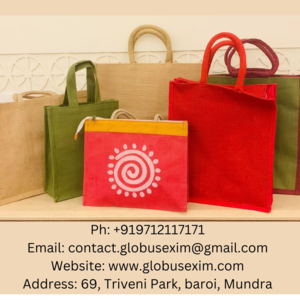
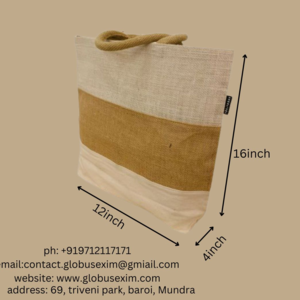
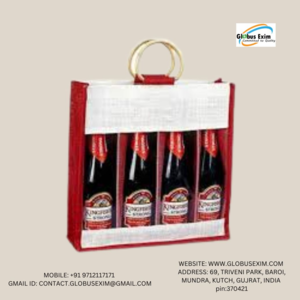
Shopping Bags
Harbor
Shopping Bags
Contact
MOQ: 1 Unit
Natural Jute Packaging
Harbor
Natural Jute Packaging
Contact
MOQ: 1 Unit
Green Coffee Beans
Harbor
Green Coffee Beans
Contact
MOQ: 1 Unit
Moringa Seeds And Powder
Harbor
Moringa Seeds And Powder
Contact
MOQ: 1 Unit
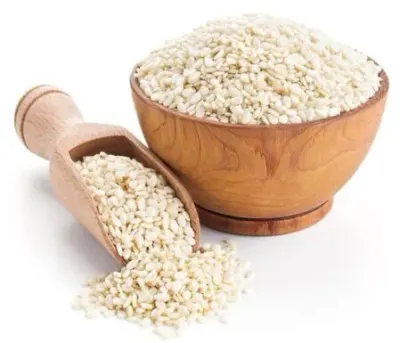
Sesame Seeds
Harbor
Sesame Seeds
Contact
MOQ: 1 Unit

About G.J.C. Exports - Jute Bags Supplier in India

India hosts G.J.C. Exports, a catalogue holder with 38 active products spanning jute bags, cotton accessories, herbal extracts and essential oils. The supplier lists items such as Juco Shopping Bags, Jute Promotional Bags, Floral Jute Bags, custom cotton pencil cases, and a series of raw herbs like Shikakai, Ajowan Seeds and Moringa Powder. Essential oil entries include Organic Essential Oils and generic Essentials Oil, while the spice segment covers Sesame Seeds and Green Coffee Beans. Each product is grouped under HS‑code families used for jute textiles (5603), cotton goods (5208) and botanical extracts (3301). The profile notes compliance with national and international standards and sourcing from certified wholesalers, indicating a focus on traceability and quality control.

The catalogue further contains bedding textiles (Cotton Patchwork Bedsheets), tote‑style bags (Saddle Tan Veg Bespoke Tote Bags) and promotional items (Juco Promotional Bags). Herbal product lines include Babul Pods, Noni Fruit Powder and Herbal Extracts, reflecting a broad natural‑product portfolio. No specific dates, employee numbers or turnover figures are provided, limiting the description to the listed 38 product types and their categorical families.

Product Range and Specialties of G.J.C. Exports

The listed range covers three core material groups: jute textiles, cotton fabrics and plant‑derived chemicals. Jute bag styles range from plain Jute Bags to printed Floral Jute Bags and heavy‑duty Jute Beach Bags, typically manufactured with a gram weight of 250‑350 g/m² and a tensile strength of 30‑45 MPa. In the global market, jute bags are often graded by GSM, weave tightness and biodegradable certification such as FSC or Oeko‑Tex. Cotton accessories like Customised Cotton Pencil Cases and Stripe Cotton Beach Bags usually meet 150‑200 g/m² fabric weight and are woven from 100 % organic cotton, with common certifications including GOTS and ISO 9001. Essential oils and herbal extracts are sold as bulk liquids or powders; industry standards call for GC‑MS analysis, ISO 9235 compliance and specifications such as oil purity > 95 % and moisture content < 5 % for powders.

Trade and Export Information - G.J.C. Exports

India is a major exporter of jute products, with the HS‑code 5603 covering jute fabrics, sacks and bags that are shipped predominantly to the European Union, United States and Middle‑East markets. Buyers often require phytosanitary certificates, FSC or other eco‑label documentation, and the goods are normally packed in 20‑ft or 40‑ft containers with a net weight of 12‑18 tons per container. Essential oils fall under HS‑code 3301 and are subject to COA, MSDS and, where applicable, ISO 22000 food‑grade certification. Indian exporters of botanical extracts typically obtain export permits from the Agricultural and Processed Food Products Export Development Authority (APEDA) and may need to comply with REACH registration for EU destinations. Common Incoterms used are FOB Mumbai or CIF Rotterdam, with moisture barriers and inner liners required for bulk powder shipments.

Sourcing from G.J.C. Exports - Buyer Guidance

When sourcing jute bags from G.J.C. Exports, request the product’s GSM specification, tensile strength test report and any eco‑label certificates (FSC, Oeko‑Tex) to confirm durability and sustainability claims. For cotton accessories, ask for GOTS certification, fabric weight data and a pre‑production sample to verify stitching quality and print accuracy. Essential oil purchases should be accompanied by a Certificate of Analysis, GC‑MS chromatogram and a statement of ISO 9235 compliance; buyers often request a small trial batch to assess aroma profile and purity. Verify that the supplier can provide phytosanitary certificates for herbal powders and that the packaging meets container moisture limits (≤ 8 %). Typical minimum order quantities range from 500 units for bags to 25 kg for bulk oils, with lead times of 30‑45 days after sample approval.

Frequently Asked Questions About G.J.C. Exports

What product categories does G.J.C. Exports list in its catalogue?

The catalogue includes jute bags, cotton accessories, bedding textiles, various raw herbs, herbal extracts, essential oils and related spice products.

Which HS‑code families are relevant for the listed items?

Jute bags fall under HS 5603, cotton textiles under HS 5208, and essential oils or herbal extracts under HS 3301.

What certifications should a buyer request for jute bag orders?

Buyers typically request FSC or Oeko‑Tex certification, a tensile strength test report and a phytosanitary certificate for any natural fibre content.

How is product quality verified for essential oils?

Quality is verified through a Certificate of Analysis, GC‑MS chromatogram, purity percentage (usually > 95 %) and compliance with ISO 9235.

What are common packaging formats for bulk herbal powders?

Bulk powders are usually packed in food‑grade polyethylene bags inside a moisture‑proof liner, placed in 20‑ft or 40‑ft containers with a total net weight of 12‑18 tons.

What Incoterms are normally used for shipments from India?

FOB Mumbai and CIF Rotterdam are common Incoterms for Indian exporters of jute textiles and botanical products.

What minimum order quantities are typical for the supplier’s products?

Typical MOQs are around 500 units for bags, 200 units for cotton accessories and 25 kg for essential oils or herbal powders.

How long does it take to receive a sample before placing a full order?

Sample preparation and dispatch usually require 10‑15 days, after which standard lead times of 30‑45 days apply for full production.

About G.J.C. Exports - Jute Bags Supplier in India

India hosts G.J.C. Exports, a catalogue holder with 38 active products spanning jute bags, cotton accessories, herbal extracts and essential oils. The supplier lists items such as Juco Shopping Bags, Jute Promotional Bags, Floral Jute Bags, custom cotton pencil cases, and a series of raw herbs like Shikakai, Ajowan Seeds and Moringa Powder. Essential oil entries include Organic Essential Oils and generic Essentials Oil, while the spice segment covers Sesame Seeds and Green Coffee Beans. Each product is grouped under HS‑code families used for jute textiles (5603), cotton goods (5208) and botanical extracts (3301). The profile notes compliance with national and international standards and sourcing from certified wholesalers, indicating a focus on traceability and quality control.

The catalogue further contains bedding textiles (Cotton Patchwork Bedsheets), tote‑style bags (Saddle Tan Veg Bespoke Tote Bags) and promotional items (Juco Promotional Bags). Herbal product lines include Babul Pods, Noni Fruit Powder and Herbal Extracts, reflecting a broad natural‑product portfolio. No specific dates, employee numbers or turnover figures are provided, limiting the description to the listed 38 product types and their categorical families.

Product Range and Specialties of G.J.C. Exports

The listed range covers three core material groups: jute textiles, cotton fabrics and plant‑derived chemicals. Jute bag styles range from plain Jute Bags to printed Floral Jute Bags and heavy‑duty Jute Beach Bags, typically manufactured with a gram weight of 250‑350 g/m² and a tensile strength of 30‑45 MPa. In the global market, jute bags are often graded by GSM, weave tightness and biodegradable certification such as FSC or Oeko‑Tex. Cotton accessories like Customised Cotton Pencil Cases and Stripe Cotton Beach Bags usually meet 150‑200 g/m² fabric weight and are woven from 100 % organic cotton, with common certifications including GOTS and ISO 9001. Essential oils and herbal extracts are sold as bulk liquids or powders; industry standards call for GC‑MS analysis, ISO 9235 compliance and specifications such as oil purity > 95 % and moisture content < 5 % for powders.

Trade and Export Information - G.J.C. Exports

India is a major exporter of jute products, with the HS‑code 5603 covering jute fabrics, sacks and bags that are shipped predominantly to the European Union, United States and Middle‑East markets. Buyers often require phytosanitary certificates, FSC or other eco‑label documentation, and the goods are normally packed in 20‑ft or 40‑ft containers with a net weight of 12‑18 tons per container. Essential oils fall under HS‑code 3301 and are subject to COA, MSDS and, where applicable, ISO 22000 food‑grade certification. Indian exporters of botanical extracts typically obtain export permits from the Agricultural and Processed Food Products Export Development Authority (APEDA) and may need to comply with REACH registration for EU destinations. Common Incoterms used are FOB Mumbai or CIF Rotterdam, with moisture barriers and inner liners required for bulk powder shipments.

Sourcing from G.J.C. Exports - Buyer Guidance

When sourcing jute bags from G.J.C. Exports, request the product’s GSM specification, tensile strength test report and any eco‑label certificates (FSC, Oeko‑Tex) to confirm durability and sustainability claims. For cotton accessories, ask for GOTS certification, fabric weight data and a pre‑production sample to verify stitching quality and print accuracy. Essential oil purchases should be accompanied by a Certificate of Analysis, GC‑MS chromatogram and a statement of ISO 9235 compliance; buyers often request a small trial batch to assess aroma profile and purity. Verify that the supplier can provide phytosanitary certificates for herbal powders and that the packaging meets container moisture limits (≤ 8 %). Typical minimum order quantities range from 500 units for bags to 25 kg for bulk oils, with lead times of 30‑45 days after sample approval.

Frequently Asked Questions About G.J.C. Exports
What product categories does G.J.C. Exports list in its catalogue?
The catalogue includes jute bags, cotton accessories, bedding textiles, various raw herbs, herbal extracts, essential oils and related spice products.
Which HS‑code families are relevant for the listed items?
Jute bags fall under HS 5603, cotton textiles under HS 5208, and essential oils or herbal extracts under HS 3301.
What certifications should a buyer request for jute bag orders?
Buyers typically request FSC or Oeko‑Tex certification, a tensile strength test report and a phytosanitary certificate for any natural fibre content.
How is product quality verified for essential oils?
Quality is verified through a Certificate of Analysis, GC‑MS chromatogram, purity percentage (usually > 95 %) and compliance with ISO 9235.
What are common packaging formats for bulk herbal powders?
Bulk powders are usually packed in food‑grade polyethylene bags inside a moisture‑proof liner, placed in 20‑ft or 40‑ft containers with a total net weight of 12‑18 tons.
What Incoterms are normally used for shipments from India?
FOB Mumbai and CIF Rotterdam are common Incoterms for Indian exporters of jute textiles and botanical products.
What minimum order quantities are typical for the supplier’s products?
Typical MOQs are around 500 units for bags, 200 units for cotton accessories and 25 kg for essential oils or herbal powders.
How long does it take to receive a sample before placing a full order?
Sample preparation and dispatch usually require 10‑15 days, after which standard lead times of 30‑45 days apply for full production.

🏭
G.J.C. Exports
Country flag , India
Harbor
79/100
Trust Score
📦
38
Products
Free to contact — no commission
Escrow payment available
Verified business identity
Compare more suppliers
Post a requirement — get 10 quotes free
Let verified suppliers compete for your business. Free, fast, no commitment.
EximNext Verified Supplier
Business identity verified
Physical address confirmed
Financial history checked
Certifications authenticated
Trade references validated
Due Diligence
Verify this supplier's real shipping history.
Every shipment, every buyer, every port. Trade data that can't be faked.
Run due diligence →
Discover More

Related Suppliers & Products

Explore similar suppliers, related products and trending categories

Other Suppliers in Jute Bags

Top Trusted Suppliers

Related Products in Jute Bags

Trending in Parent Category

More Suppliers in Parent Category

Stay ahead in global trade
Weekly market insights & new supplier alerts.
EximNext
Exim Next is a leading global B2B marketplace, connecting over 205,000 verified suppliers and buyers across 200+ countries. As a trusted import export marketplace, it serves as the essential B2B portal for businesses worldwide, empowering them to expand their international reach. With Exim Next, businesses can trade smarter and grow faster.
SECURE PAYMENTS
VISAMastercardPayPalSWIFTL/CEscrow
Follow us
© 2026 EximNext