Agriculture›
 Apparel and fashion accessories›
 Construction & real estate›💡Electronic & Electrical›🍎Food & Beverages›🛋️Home furnishing & supplies›⚗️Industrial goods & chemical›🪨Minerals & metals›📦Miscellaneous›Agriculture›Apparel and fashion accessories›Construction & real estate›💡Electronic & Electrical›🍎Food & Beverages›🛋️Home furnishing & supplies›⚗️Industrial goods & chemical›🪨Minerals & metals›📦Miscellaneous›
PT Delta Dunia Sandang Tekstil
⚓ Harbor , IndonesiaNew supplier / no reviews yet
PT Delta Dunia Sandang Tekstil Product Catalog
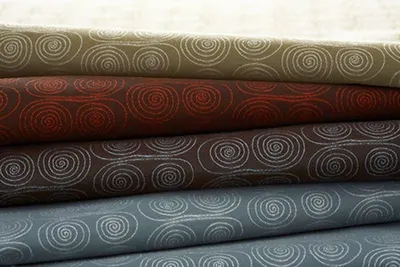

About PT Delta Dunia Sandang Tekstil - Denim Supplier in Indonesia
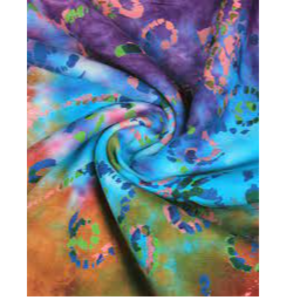
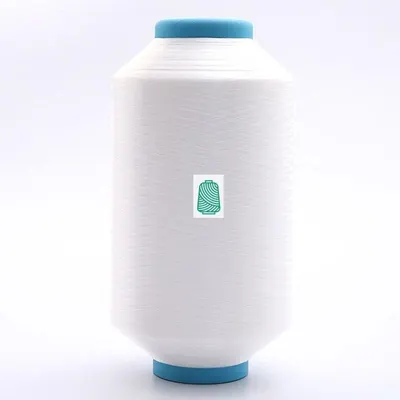
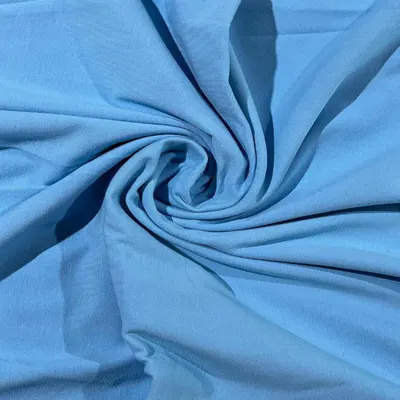
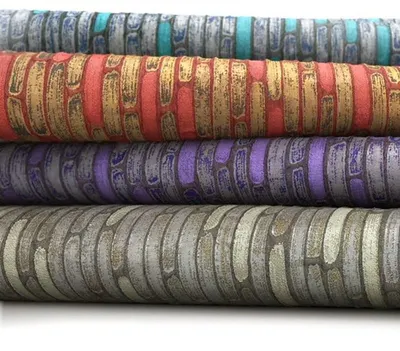
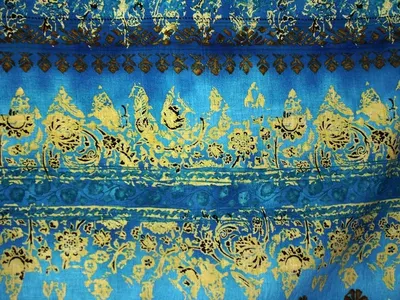
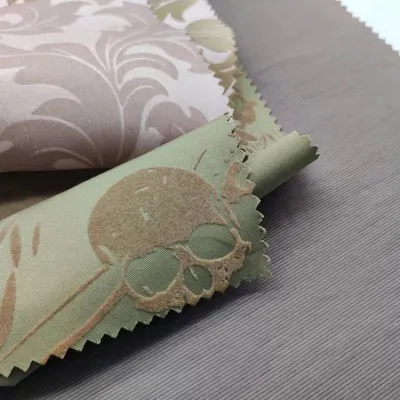
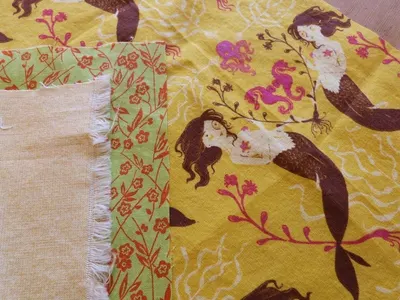
Indonesia hosts PT Delta Dunia Sandang Tekstil, which lists 181 distinct textile items in its catalogue. The catalogue spans yarns, blended fibres and fabrics, featuring products such as Polyester Ring Spun Yarn 30’s, Polyester‑Viscose 65/35 30 KT/WV, pure Viscose 30, a full set of cotton yarns (combed and carded), and blended yarns including polyester/cotton, polyester/viscose, cotton/modal and recycled polyester. Fabric entries cover single and double knitted fabrics, woven cotton, modal, Tencel and printed fabrics, as well as specialised motive fabrics. All listed items correspond to HS‑code families for textile yarns (generally 5407) and for knitted or woven fabrics (generally 5512‑5513). The supplier is recorded as an imported tier with a harbour trust tier, indicating involvement in cross‑border trade.
The second paragraph outlines the factual composition of the catalogue. PT Delta Dunia Sandang Tekstil provides both raw textile inputs - such as spinning cotton (combed, carded) and spinning polyester yarns - and finished fabrics ready for garment or industrial use. The product list includes both natural fibres (cotton, viscose, modal, Tencel) and synthetic fibres (polyester, recycled polyester), reflecting a mixed‑fibre production capability. No additional proprietary or client‑specific information is disclosed beyond the 181 active entries.
Product Range and Specialties of PT Delta Dunia Sandang Tekstil
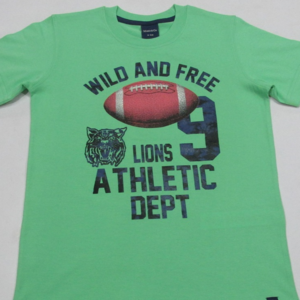
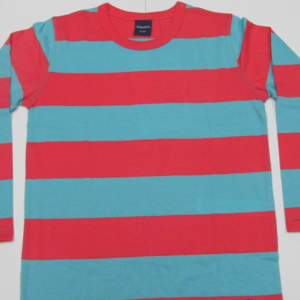
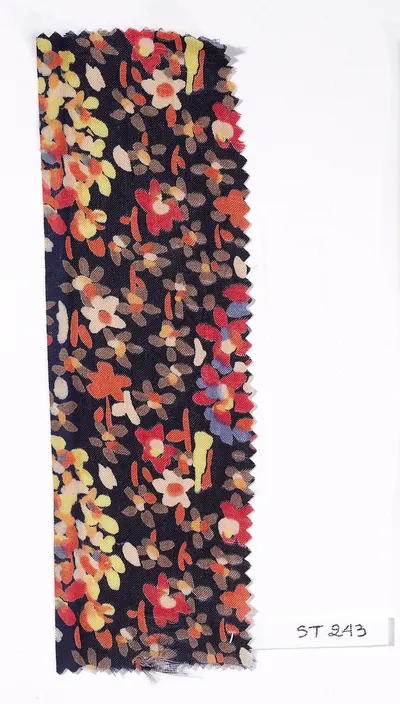
The catalogue’s yarn segment includes polyester ring‑spun yarn in a 30 tex count, polyester‑viscose blends at a 65/35 ratio with a 30 KT/WV specification, and pure viscose yarn also at 30 tex. In the cotton family, combed and carded yarns are offered, along with blends such as polyester/cotton and cotton/modal, each typically supplied in standard counts from 30 tex up to 60 tex. Industry practice for these yarns calls for compliance with ISO 9001 quality management and, where applicable, Oeko‑Tex Standard 100 testing for harmful substances. Fabric offerings comprise single and double knitted structures, woven cotton (combed and carded), woven modal, woven Tencel and printed motive fabrics. Typical quality parameters for knitted fabrics include GSM values between 150 - 300 g/m², while woven fabrics often range from 120 - 250 g/m², with colour fastness tests (ISO 105‑C06) applied to printed variants.
Frequently Asked Questions About PT Delta Dunia Sandang Tekstil
What yarn counts does PT Delta Dunia Sandang Tekstil list in its catalogue?
The catalogue lists polyester ring‑spun yarn at 30 tex and polyester‑viscose blends at a 30 KT/WV specification, as well as cotton, viscose, modal and recycled polyester yarns generally ranging from 30 to 60 tex.
What are the standard Incoterms used for shipments from PT Delta Dunia Sandang Tekstil?
Common Incoterms cited for Indonesian textile exporters are FOB Jakarta Port and CIF to the buyer’s destination port, depending on the negotiated terms.
Which HS‑code families apply to the supplier’s yarn and fabric products?
Yarn products fall under HS code 5407, while knitted and woven fabrics are classified under HS codes 5512 and 5513 respectively.
Are any certifications available for the listed products?
The facts do not state any certifications held by the supplier; however, buyers typically request Oeko‑Tex Standard 100, ISO 9001 quality management and any relevant REACH compliance certificates for textile imports.
What are the typical quality tests for the printed motive fabrics?
Printed fabrics are usually tested for colour fastness to washing (ISO 105‑C06), light fastness (ISO 105‑B02) and dimensional stability, with results expressed in rating scales from 1 to 5.
IndonesiaRelated Suppliers & Products
Explore similar suppliers, related products and trending categories