Sujni India — Verified Manufacturer & Wholesale Supplier
About Sujni India - Cushion Covers Supplier in India
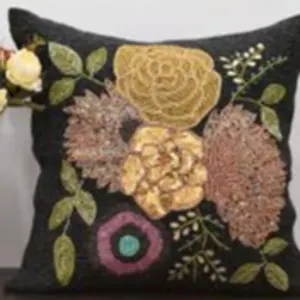
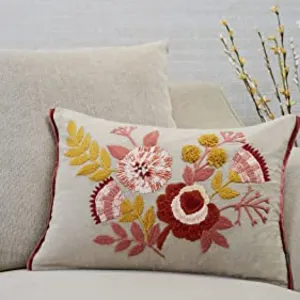
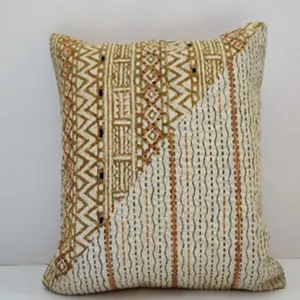
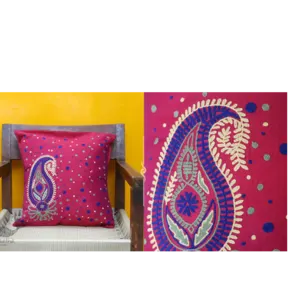
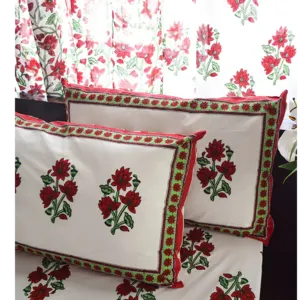
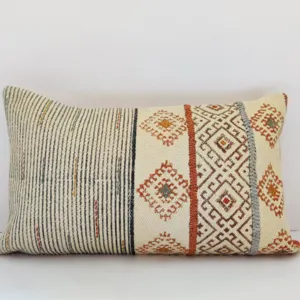
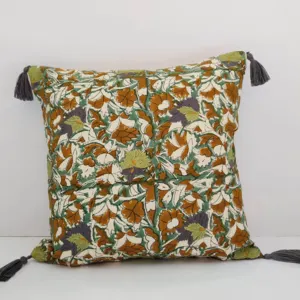
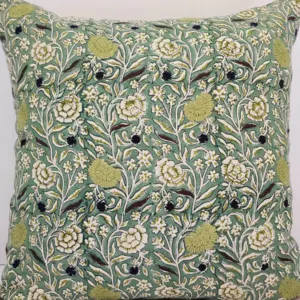
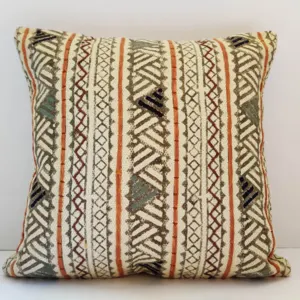
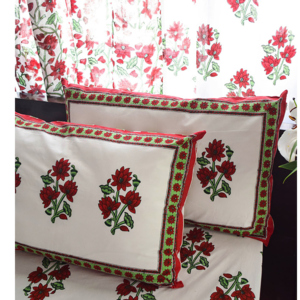
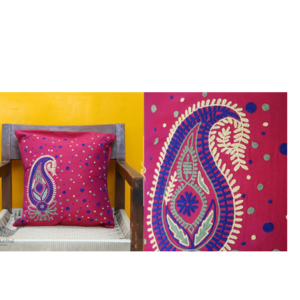
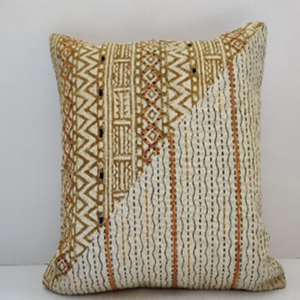
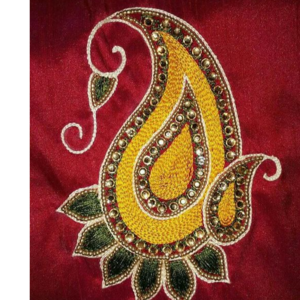
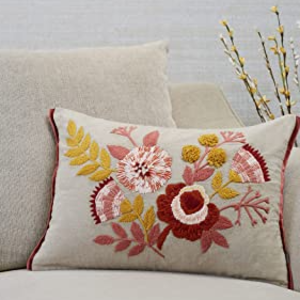
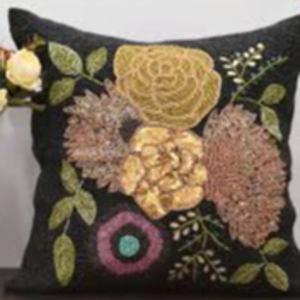
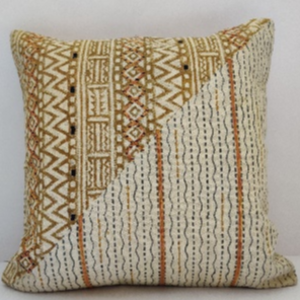
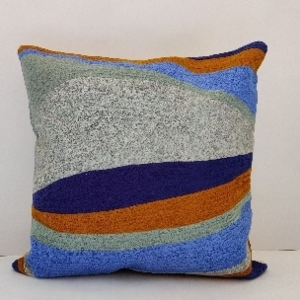
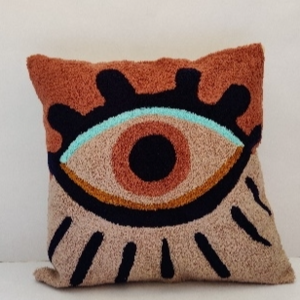
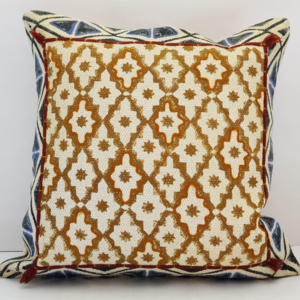
India, Jaipur in the state of Rajasthan hosts Sujni India, which lists 16 active products covering embroidered cushion covers, hand‑block printed cushions and a variety of hand‑embroidered cushion pieces. The catalogue records items under HS code 9404.90 for finished textile articles, HS 6304.92 and 6304.91 for textile accessories, and HS 4202.22 for leather‑related decorative pieces, reflecting the use of cotton, cotton‑linen blends, polyester blends and cotton‑satin fabrics. Cushion Covers (Embroidered) appear three times with different HS entries, indicating material variations such as pure cotton, cotton‑polyester blends and mixed fabric constructions. Hand block printed cushions are listed under HS 9404.90 and specify 100 % natural cotton fabric, sometimes combined with polyester fibre fill for added loft. Additional entries include cotton canvas cushions with aari or Dori embroidery and cotton duck fabric cushions, each mapped to the appropriate HS chapter for home‑decor textiles.
The product set also contains specialised items such as hand‑block cushions with Dori work, aari embroidery cushions and cotton‑duck fabric cushions, each recorded with HS code 4202.22 for leather‑like decorative items. Materials range from 100 % natural cotton to cotton‑canvas and cotton‑satin blends, with fills of polyester fibre or down‑feather where indicated. All items are classified within the textile and home‑decor chapters of the Harmonised System, providing clear customs codes for international trade. The supplier therefore offers finished decorative home‑textile goods rather than raw fabric, which aligns with typical export procedures for such products.
Product Range and Specialties of Sujni India
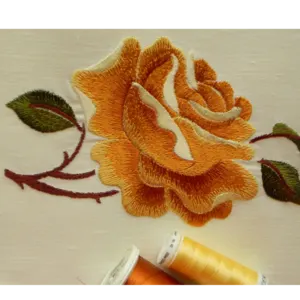
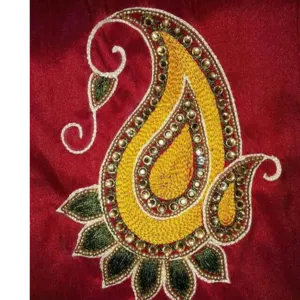
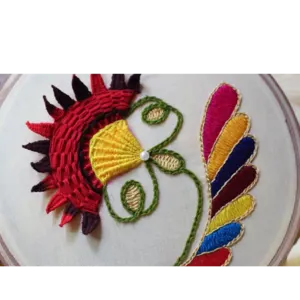
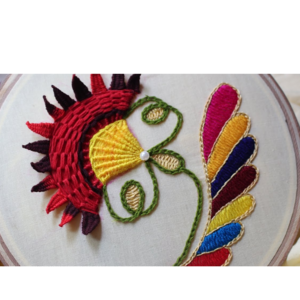
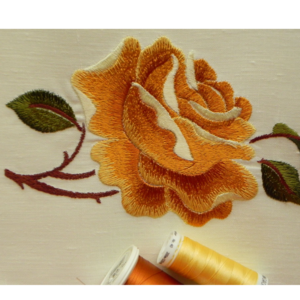
Sujni India’s catalogue includes embroidered cushion covers made from cotton‑linen blends, cotton‑polyester mixes and pure cotton fabrics, as well as hand‑block printed cushions with natural cotton covers and optional polyester fibre filling. The list also features hand‑embroidered cushions using aari, Dori or ubhara stitch techniques on cotton canvas, cotton sateen and cotton duck substrates, plus leather‑style decorative pieces classified under HS 4202.22. In the broader industry, embroidered cushion covers are commonly produced in GSM ranges of 150‑250, thread counts of 200‑300, and colour‑fastness grades of 4‑5 (ISO 105‑B02). Hand‑block printed textiles typically use natural cotton with a fabric weight of 180‑220 gsm and require a minimum colour fastness to washing of grade 3 (ISO 105‑C06). Buyers often request Oeko‑Tex Standard 100 certification for cotton textiles and ISO 9001 quality‑management compliance for finished home‑decor items.
Trade and Export Information - Sujni India
India is a major exporter of home‑textile products, and cushion covers and decorative cushions from Rajasthan are regularly shipped to the United States, European Union, Middle East and Southeast Asian markets. HS chapter 94 (Furniture; bedding, mattresses, cushions) and chapter 63 (Other made‑up textile articles) are the primary tariff classifications, with typical duty rates ranging from 0 % to 12 % depending on the destination. Importers usually require certificates such as Oeko‑Tex Standard 100 for harmful substance testing, and, where organic cotton is claimed, GOTS (Global Organic Textile Standard) certification. Standard packaging involves poly‑bagging each cushion, followed by double‑wall cardboard cartons sized for 20‑ft or 40‑ft containers; moisture barriers are used for down‑filled products. Common Incoterms are FOB Jaipur or CIF destination port, and shipments are subject to pre‑export inspection under India’s Export Inspection Council (EIC) for textile goods.
Because the catalogue items are finished cushion covers, buyers typically arrange for sample testing of colour fastness, dimensional stability and fabric weight before placing bulk orders. Export logistics from Jaipur involve rail or road transport to the major ports of Mumbai or Mundra, followed by sea freight. Buyers should verify that the supplier can provide the necessary test reports (e.g., ISO 105 colourfastness, SGS fabric weight certificates) and confirm that packaging meets the buyer’s import regulations, especially for markets with strict phytosanitary or fire‑safety standards.
Sourcing from Sujni India - Buyer Guidance
When sourcing from Sujni India, buyers should request material composition certificates that detail the cotton, linen, polyester or satin ratios for each cushion cover SKU. Sample requests should include at least one unit of each material variant to assess GSM, thread count, colour fastness (ISO 105‑B02) and any embellishment quality such as embroidery stitch density (stitches per cm). Buyers are advised to ask for Oeko‑Tex or comparable harmful‑substance test reports, as well as a statement of any organic‑cotton certification if applicable.
Typical minimum order quantities for embroidered cushion covers range from 200 to 500 pieces per design, with lead times of 30‑45 days after artwork approval and sample sign‑off. Verify that the supplier can provide the agreed HS codes on commercial invoices and that packaging (individual poly‑bag plus carton) conforms to the buyer’s container loading plan. Confirming the availability of a pre‑shipment inspection report can reduce customs delays in the destination country.
Frequently Asked Questions About Sujni India
What product categories does Sujni India list?
The supplier lists embroidered cushion covers, hand‑block printed cushions, hand‑embroidered cushions with aari or Dori work, and leather‑style decorative pieces, covering 16 distinct SKUs.
Which HS codes are used for the cushion products?
Cushion covers and hand‑block printed cushions are classified under HS 9404.90, embroidered textile accessories under HS 6304.92 or 6304.91, and leather‑style decorative items under HS 4202.22.
What materials are most common in the catalogue?
Materials include 100 % natural cotton, cotton‑linen blends, cotton‑polyester blends, cotton sateen, cotton canvas and cotton duck, with fills of polyester fibre or down feather where specified.
What certifications should a buyer request?
Buyers should request Oeko‑Tex Standard 100 for harmful‑substance testing, ISO 9001 for quality management, and, if organic claims are made, GOTS certification.
What are typical packaging and shipping formats?
Each cushion is usually poly‑bagged and placed in double‑wall cardboard cartons suitable for 20‑ft or 40‑ft containers; shipments are commonly quoted FOB Jaipur or CIF destination port.
What is a reasonable MOQ and lead time?
Minimum order quantities typically start at 200 pieces per design, with production lead times of 30‑45 days after sample approval.
How can a buyer verify product quality before ordering?
Request a physical sample for testing GSM, thread count, colour fastness (ISO 105‑B02) and embroidery stitch density, and ask for accompanying test reports such as fabric weight certificates.
Are there any specific import documents needed?
Importers should obtain a commercial invoice showing the correct HS code, a certificate of origin, and any required test reports (e.g., Oeko‑Tex, colour‑fastness) to satisfy customs authorities.




 Jaipur, India