Senthamilon Private Limited — Verified Manufacturer & Wholesale Supplier
About Senthamilon Private Limited - Dry fruits & nuts Supplier in India
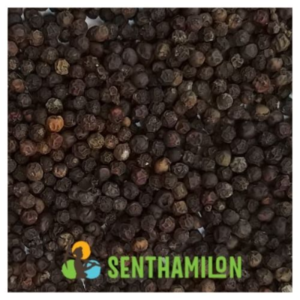
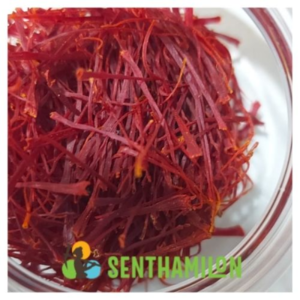
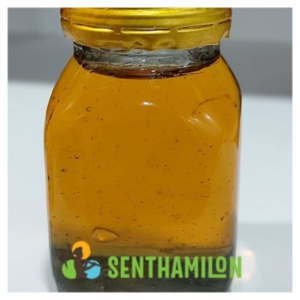
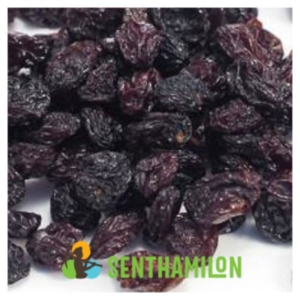
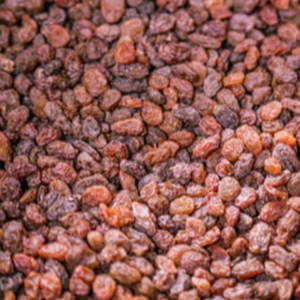
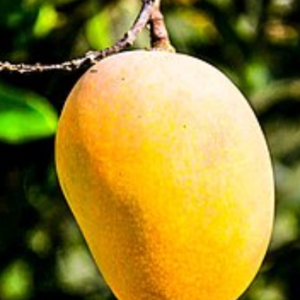
India, Tamil Nadu is the base of Senthamilon Private Limited, which currently lists ten active products in its export catalogue. The company’s catalogue covers whole black peppercorns (HS 0904.11), Kashmiri saffron threads (HS 0910.20), 100 % pure acacia honey (HS 0409.00), round long black raisins (HS 0806.20), green cardamom pods in three size ranges (HS 0908.30), cashew splits and whole raw cashew kernels (both HS 0801.32), Totapuri mango pulp (HS 2009.89) and green‑roasted Arabica coffee beans (HS 0901.11). A separate entry for saffron without an HS code is also present. Each product is identified by its botanical material and standard HS chapter, allowing buyers to locate the goods quickly in customs documentation.
The top‑level categories reported by the supplier include almonds, black cardamom, cacao nuts, walnuts, cashew kernel, red chilli, hazelnuts and saffron. Although only a subset of these appears in the detailed catalogue, the list indicates the company’s focus on premium dry fruits, edible nuts, spices and specialty food ingredients that are commonly traded from India to global markets.
Product Range and Specialties of Senthamilon Private Limited
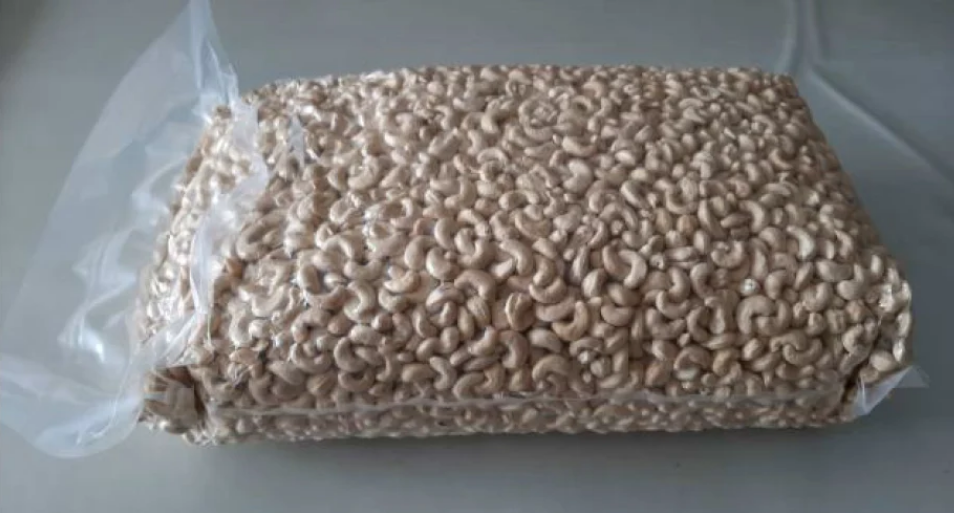
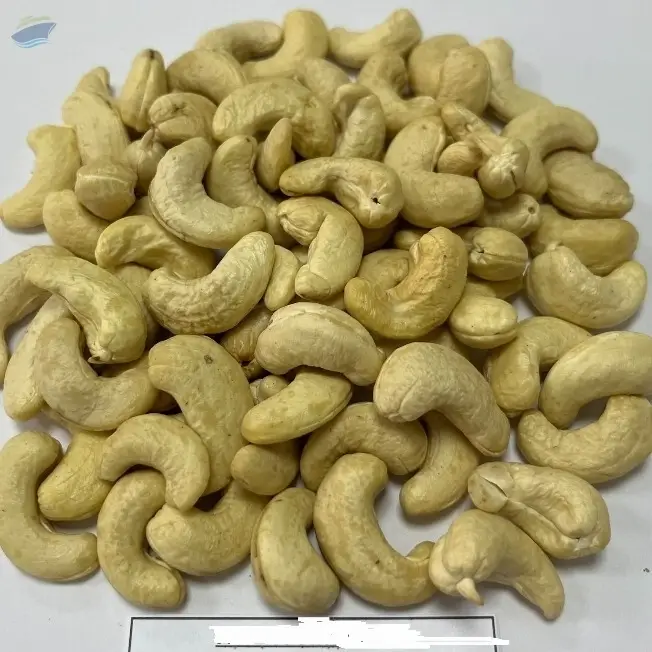
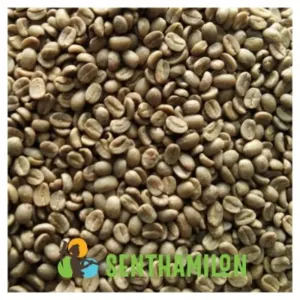
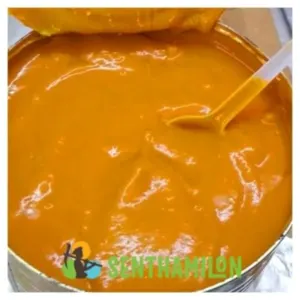
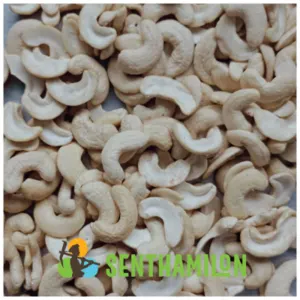
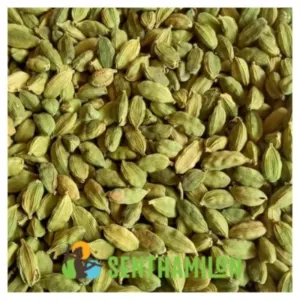
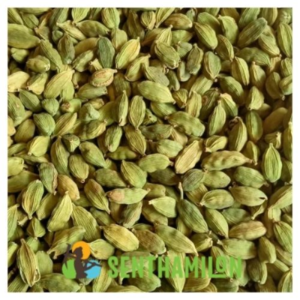
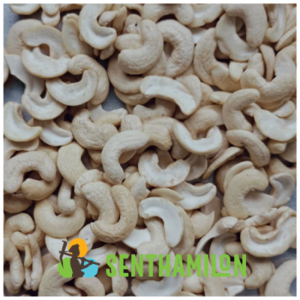
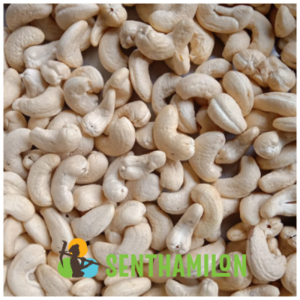
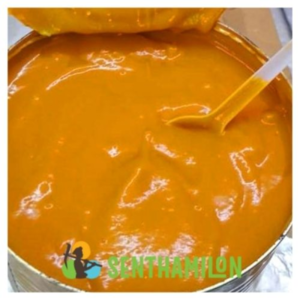
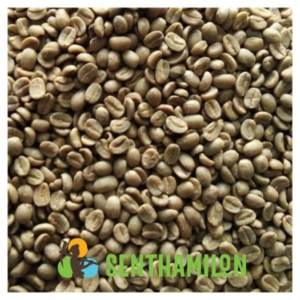
The catalogue shows a mix of spice, nut and fruit‑based products. Black pepper is offered at 11.5 mm size, a dimension that aligns with the common “large” grade used in food processing, typically limited to a moisture content of ≤12 % and oil content below 2 %. Green cardamom pods are supplied in three size brackets (5.5‑6.5 mm, 6.5‑7.5 mm, 7.5‑8 mm), matching the standard Indian export grades where uniform size and low foreign matter are required. Cashew splits and whole kernels fall under the standard HS 0801.32 classification, where split grades are usually graded by kernel‑to‑shell ratio and a maximum moisture of 5 %. Saffron, listed both with and without an HS code, is normally classified under ISO 3632 grade A‑I, meaning a high crocin content (≥250 mg kg‑1) and low moisture (<12 %). Honey from acacia flowers is typically sold with moisture ≤20 % and a measured diastase activity above 8 Schade units. Mango pulp (Totapuri) and green‑roasted Arabica coffee beans are standard processed fruit puree and coffee grades, respectively, with pulp usually packed in aseptic containers and coffee beans meeting a screen size of 16‑18 mm and a moisture level under 12 %.
Trade and Export Information - Senthamilon Private Limited
India is a major exporter of spices, nuts and specialty food ingredients, with the European Union, United States, Middle East and Southeast Asian markets accounting for the largest share of demand. The HS 0900 series (spices) and HS 0800 series (nuts, dried fruit) are routinely inspected under the EU’s Rapid Alert System for Food and Feed (RASFF) and the US Food Safety and Inspection Service (FSIS), requiring documentation such as a Certificate of Origin, Phytosanitary Certificate and, where applicable, an Organic Certification. Buyers often request ISO 22000 or FSSC 22000 compliance for food safety management, HACCP plans for nuts and spices, and EU Organic or USDA‑Organic certificates for organically marketed items. Typical export packaging includes food‑grade multi‑layer paper bags (10‑25 kg) for nuts, 20 ft or 40 ft containers with inner bulk bags for mango pulp, and PET jars or tins for honey. Incoterms most frequently used are FOB Chennai or CIF Dubai, reflecting the established maritime routes from Tamil Nadu ports to global destinations.
Sourcing from Senthamilon Private Limited - Buyer Guidance
When sourcing from this supplier, buyers should request a recent Certificate of Analysis for each product, confirming moisture, oil content, aflatoxin levels (for nuts) and pesticide residues (for spices). For saffron, an ISO 3632 test report verifying crocin, picrocrocin and safranal concentrations is standard practice. Samples should be inspected for uniform size (e.g., pepper 11.5 mm, cardamom pod dimensions) and visual defects before placing a bulk order. Verify that the supplier can provide the required phytosanitary certificates and, if organic claims are made, the corresponding organic certification documents. Confirm packaging details such as bulk bag weight, inner liner material and container dimensions to ensure compatibility with the buyer’s logistics chain.
Frequently Asked Questions About Senthamilon Private Limited
What HS codes are used for the main product categories offered by Senthamilon Private Limited?
The catalogue references HS 0904.11 for whole black peppercorns, HS 0910.20 for Kashmiri saffron, HS 0409.00 for pure acacia honey, HS 0806.20 for black raisins, HS 0908.30 for green cardamom pods, HS 0801.32 for both cashew splits and whole cashews, HS 2009.89 for Totapuri mango pulp, and HS 0901.11 for green‑roasted Arabica coffee beans.
Which quality parameters should a buyer verify for the black pepper product?
Buyers typically check the average pepper size (around 11.5 mm), moisture content not exceeding 12 %, oil content below 2 %, and foreign matter below 0.5 % by weight. A Certificate of Analysis confirming these values is standard.
What certifications are commonly required for Indian saffron exports?
International buyers usually request ISO 3632 grade certification (A‑I), a Phytosanitary Certificate, and, if marketed as organic, an accredited organic certification such as EU‑Organic or USDA‑Organic.
How is acacia honey generally packaged for export?
Export shipments of pure acacia honey are often packed in food‑grade PET jars ranging from 250 ml to 1 L, or in bulk food‑grade drums (200 L) for larger volumes, sealed to maintain moisture below 20 % and prevent fermentation.
What safety tests are important for cashew kernels and splits?
Aflatoxin testing (max 10 µg kg‑1 for total aflatoxins) and moisture analysis (≤5 %) are standard. Buyers also look for a pesticide residue report complying with EU maximum residue limits (MRLs).
Which markets typically import mango pulp from India?
The United Arab Emirates, Saudi Arabia, United Kingdom and United States are major importers of Indian mango pulp, usually under HS 2009.89, with buyers demanding aseptic packaging and a shelf‑life of at least 12 months.
What documentation should be requested before ordering coffee beans?
Buyers should obtain a Certificate of Origin, a recent analysis showing moisture ≤12 % and screen size 16‑18 mm, and, if applicable, a coffee quality report such as cupping scores from a recognized lab.





 , India



.jpg.png)