Aamin International Company — Verified Manufacturer & Wholesale Supplier
About Aamin International Company - Jute Bags Supplier in India
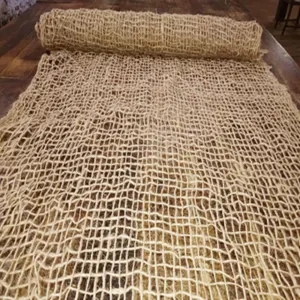
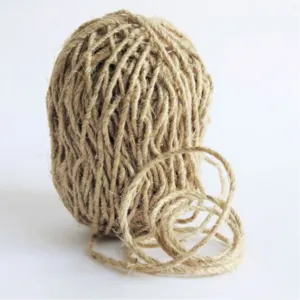
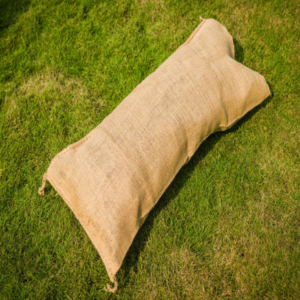
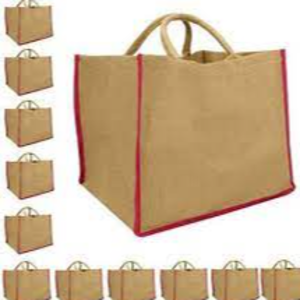
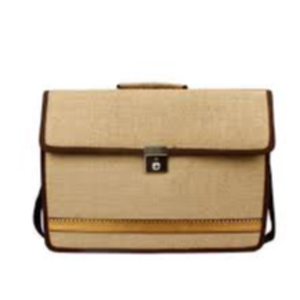
Based in Kolkata, West Bengal, India, Aamin International Company lists nine distinct jute‑based products in its catalogue. The portfolio includes items such as Jute Rope (HS 5607.90), Jute Geotextile (HS 5602.10), and a variety of bags classified under HS 6305.10 and 6305.90, covering pouch, promotional, shopping, Hessian and sand bag formats. All products are manufactured from natural jute fibres, as indicated in the material field of each catalogue entry. The company's catalogue groups the items into categories like Jute Bags, Canvas Bags, Tote Bags, Nylon Bags, Food Bags, Jute Yarn & Fabric, Zipper Bags and Jute Fiber.
The nine listed items comprise rope for bundling, geotextile sheets for soil reinforcement, and several bag types used for agricultural, food and industrial packaging. The bag entries share the HS 6305.10 code for most jute‑based bags, while dyed burlap bags are recorded under HS 6305.10 as well. The product set reflects a focus on biodegradable packaging solutions derived from jute, a renewable fibre cultivated in India.
Product Range and Specialties of Aamin International Company
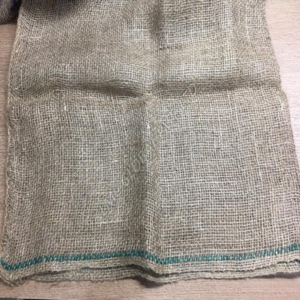
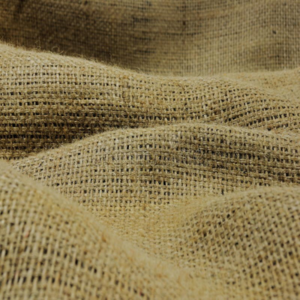
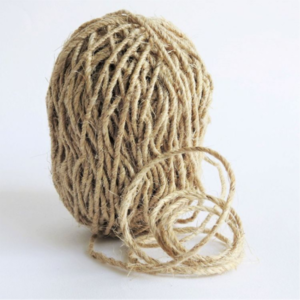
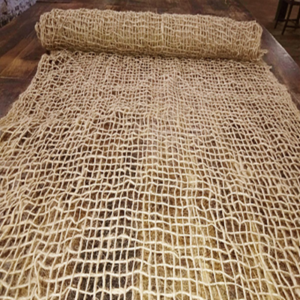
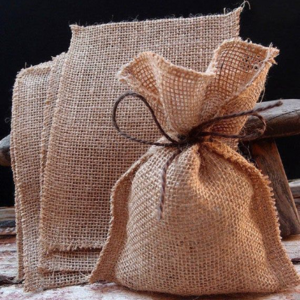
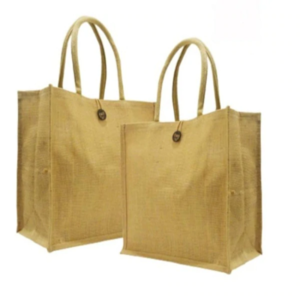
The catalogue offers Jute Rope (HS 5607.90), which in the industry is commonly supplied in diameters from 6 mm to 20 mm and tensile strengths between 120 MPa and 250 MPa depending on fibre treatment. Jute Geotextile (HS 5602.10) is typically produced in rolls of 10 m × 5 m with thicknesses from 0.5 mm to 2 mm, offering permeability values of 100‑500 L · m⁻² · s⁻¹ and puncture resistance of 30‑80 kN. The bag range - Jute Pouch, Promotional, Shopping, Hessian and Onion‑Potato bags - falls under HS 6305.10 and are usually woven with a plain or twill weave, weighing between 200 g m⁻² and 500 g m⁻², and capable of holding 10 kg to 50 kg of dry bulk. Dyed Jute Burlap Bags (HS 6305.10) follow the same structural specifications but receive a colour finish that meets colourfastness grade 3 or higher. Industry standards for jute bags often reference ISO 9001 quality management, ASTM D 3273 for tensile strength, and phytosanitary certification when used for food commodities.
Trade and Export Information - Aamin International Company
India is one of the world’s largest exporters of jute and jute‑based packaging, with major destination regions including the European Union, the Middle East, Africa and South America. Buyers typically import HS 5607.90 rope for agricultural bundling, HS 5602.10 geotextile for civil‑engineering projects, and HS 6305 series bags for bulk food, coffee, cocoa and horticultural products. Commonly required certifications include ISO 9001 (quality management), FSC or PEFC for sustainable sourcing, and phytosanitary certificates for bags used with edible goods. Export shipments are usually packed in 20‑ft or 40‑ft containers, with bag quantities ranging from 1,000 to 5,000 units per container depending on size and weight; rope and geotextile are often shipped on pallets with shrink‑wrap. Incoterms such as FOB Kolkata Port or CIF Dubai are standard, and buyers should verify compliance with the destination country’s customs tariff schedules for HS 6305 and HS 5602/5607 codes.
Sourcing from Aamin International Company - Buyer Guidance
When sourcing from this supplier, request a physical sample of each bag type to confirm weave density, moisture content (typically 10‑12 %) and load‑bearing capacity. Ask for test reports that cover tensile strength (ASTM D 3273), burst strength (ISO 13938) and, for geotextile, permeability and puncture resistance values. Verify that the supplier holds an ISO 9001:2015 certificate and, if required by the importing market, a phytosanitary certificate for food‑grade bags. Confirm the HS code used for each product matches the intended customs classification, and clarify the minimum order quantity - industry practice for jute bags is 500 pcs per style, with lead times of 4‑6 weeks after sample approval. Ensure packaging details (e.g., 50 kg bulk bags on wooden pallets, poly‑bag inner liners) meet the buyer’s logistics plan before finalising the contract.
Frequently Asked Questions About Aamin International Company
What jute products does Aamin International Company list in its catalogue?
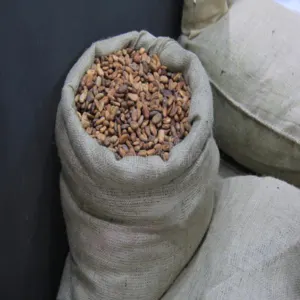
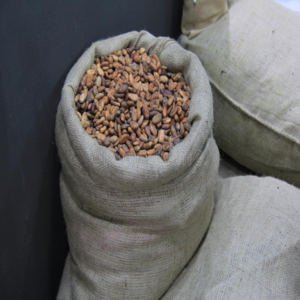
The catalogue contains nine items: Jute Rope (HS 5607.90), Jute Geotextile (HS 5602.10), and seven bag variants - Jute Pouch Bags, Promotional Bags, Shopping Bags, Hessian Bag, Onion & Potato Bags, Coffee & Cocoa Beans Bags and Dyed Burlap Bags - all classified under HS 6305.10 or 6305.90 and made from natural jute.
Which HS codes are associated with the listed products?
Jute Rope uses HS 5607.90, Jute Geotextile uses HS 5602.10, and all listed bag types are recorded under HS 6305.10 or HS 6305.90.
What material standards should buyers verify for these jute products?
Buyers should check that the jute fibres meet ASTM D 3273 tensile strength standards, that bag fabrics have a weight of 200‑500 g m⁻², and that geotextile rolls satisfy permeability of 100‑500 L · m⁻² · s⁻¹ and puncture resistance of 30‑80 kN.
Are any certifications currently held by the supplier?
The supplier’s profile states ISO 9001:2015 certification; any additional certifications such as FSC or phytosanitary must be requested from the supplier for specific market requirements.
What is a typical minimum order quantity for the jute bags?
Industry practice for jute bags is a minimum of 500 pieces per style, though exact MOQ may vary with bag size and custom printing options.
What lead time can a buyer expect after sample approval?
After a sample is approved, the usual production lead time is 4‑6 weeks, with longer periods possible for custom colours or printed designs.
How are the products usually packaged for export?
Bags are commonly stacked in wooden pallets wrapped in stretch film, while rope and geotextile are shipped on pallets or in bulk rolls, all loaded into 20‑ft or 40‑ft containers under standard Incoterms such as FOB Kolkata or CIF Dubai.





 Kolkata, India