Xinxiang Weis Textiles & garments Co., Ltd. — Supplier
About Xinxiang Weis Textiles & garments Co., Ltd. - Flame Retardant Fabrics Supplier in China
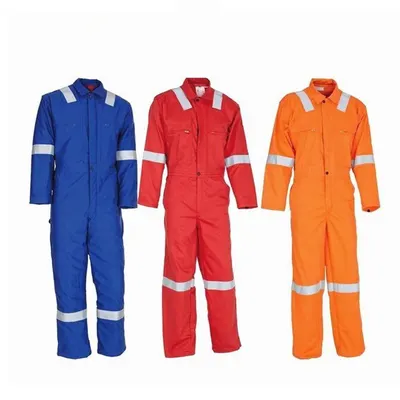
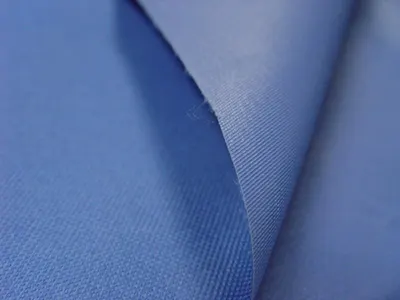
China‑based Xinxiang Weis Textiles & garments Co., Ltd. lists 24 active products that focus on flame‑retardant and safety‑oriented textiles. The catalogue includes items such as 320 g/m² high tear strength flame‑retardant fabric, EN 11612‑rated cotton coveralls, navy‑blue safety workwear, metal‑fiber anti‑static fabric and water‑oil repellent cloths, each identified by its specific product name rather than a generic label.
The supplier’s portfolio covers a variety of material constructions: 100 % cotton fabrics, cotton‑nylon blends, aramid‑based coveralls, modacrylic‑cotton mixes, CVC (cotton‑polyester‑viscose) blends and metal‑fiber treated textiles. Products are described with functional attributes such as flame resistance, anti‑static treatment, high tear strength and water‑oil repellency, reflecting typical specifications required for industrial protective apparel.
Product Range and Specialties of Xinxiang Weis Textiles & garments Co., Ltd.
The listed products span flame‑retardant fabrics for apparel and industrial use, including EN 11612‑compliant cotton, cotton‑nylon, aramid and modacrylic blends. Typical grades in this sector range from 150 g/m² to 350 g/m², with tear strength values often exceeding 30 N, and limiting oxygen index (LOI) values above 28 % for high‑performance treatments. Buyers also encounter anti‑static fabrics meeting ASTM D257 resistance below 1 × 10⁹ Ω and water‑oil repellent finishes evaluated by ISO 811 contact angle tests.
Industry practice for these categories includes certifications such as CE marking for protective clothing, Oeko‑Tex Standard 100 for textile safety, and test reports to NFPA 2112 or ISO 15025 for flame resistance. Colour‑specific items like navy‑blue workwear are usually dyed to meet colourfastness standards (ISO 105‑B02) while maintaining the underlying flame‑retardant performance.
Trade and Export Information - Xinxiang Weis Textiles & garments Co., Ltd.
Exporters of flame‑retardant textiles from China typically ship to Europe, the Middle East, Africa and Southeast Asian manufacturing hubs, where automotive, construction and oil‑rig sectors demand compliant protective fabrics. The relevant HS chapters are 5903 for flame‑retardant fabrics and 6210 for protective clothing, which customs authorities often inspect for conformity to EN 11612 or NFPA 2112 standards. Standard logistics involve rolling fabrics into 30 kg bundles, loading them into 20 ft or 40 ft containers, and using Incoterms such as FOB or CIF depending on the buyer’s preference.
Chinese manufacturers commonly provide test certificates, material safety data sheets (MSDS) and, where requested, CE or Oeko‑Tex declarations. Inspection agencies may verify compliance with ISO 9001 quality management and conduct on‑site checks of anti‑static and water‑repellent treatments before shipment.
Sourcing from Xinxiang Weis Textiles & garments Co., Ltd. - Buyer Guidance
When sourcing from Xinxiang Weis, buyers should request a detailed material composition sheet, flame‑retardancy test report (e.g., ISO 15025 vertical flame test), anti‑static resistance data (ASTM D257) and any applicable CE or Oeko‑Tex certificates. Verifying the fabric weight (g/m²), weave type and treatment durability helps confirm that the product meets the intended safety specifications.
Samples should be inspected for colour consistency, dimensional stability after laundering and performance of the flame‑retardant finish under repeated exposure. Confirming lead time, minimum order quantity and packaging details - such as rolled bundles versus flat sheets - reduces the risk of mismatched expectations during the procurement process.
Frequently Asked Questions About Xinxiang Weis Textiles & garments Co., Ltd.
What types of flame‑retardant fabrics does Xinxiang Weis provide?
The supplier lists cotton, cotton‑nylon blends, aramid, modacrylic, CVC and metal‑fiber fabrics, each treated to meet EN 11612 or NFPA 2112 flame‑retardancy standards.
Are the safety workwear items certified to any international standards?
Coveralls and workwear are described as EN 11612 compliant and can be supplied with test reports for heat resistance, anti‑static performance (ASTM D257) and tear strength.
What typical weight and construction are available?
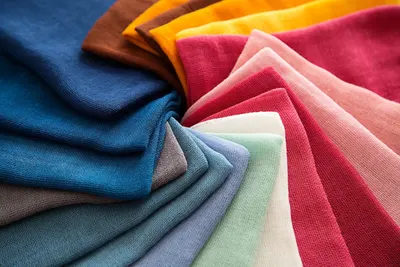
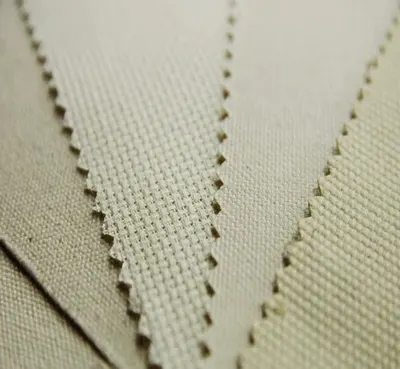
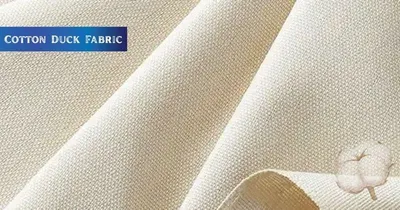
The catalogue includes a 320 g/m² high‑tear‑strength fabric, 100 % cotton canvas and lighter dyed cloths, with weights ranging from roughly 150 g/m² to 350 g/m².
What packaging formats are used for export?
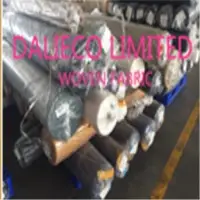
Fabrics are normally rolled and packed in 30 kg bundles, placed in standard 20 ft or 40 ft containers; water‑oil repellent fabrics may be vacuum‑sealed for added protection.
Which documents should a buyer request before purchase?
Buyers should ask for a material composition certificate, flame‑retardancy test report (e.g., ISO 15025), anti‑static test results and any relevant CE or Oeko‑Tex declarations.
What are typical lead times and minimum order quantities?
Lead times are generally 30‑45 days after sample approval; minimum order quantities start at about 500 m² for rolled fabrics, varying by fabric type.
Which markets commonly import these products?
European automotive and construction sectors, Middle‑East oil‑rig safety gear manufacturers and Asian industrial producers are frequent importers of Chinese flame‑retardant textiles.




 , China