Alisha Creations — Verified Manufacturer & Wholesale Supplier
About Alisha Creations - Apparel Supplier in India
Alisha Creations operates from Panchkula, Haryana, India and currently lists seven active products in its catalogue. The portfolio includes a mixture of women’s apparel and a traditional accessory, each classified under HS‑code families 6204, 6206, 6210 and 6307. The company’s product count reflects its focus on a range of ready‑made garments such as skirts, gowns, suits, dresses and tops, as well as a silk‑based potli bag. Export listings are organized by material type - cotton, rayon, polyester, silk and an organic blend - and each entry is tied to a specific HS code that aligns with global customs classification.
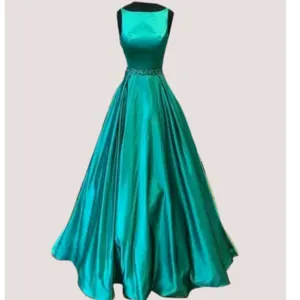
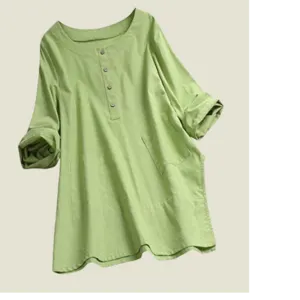
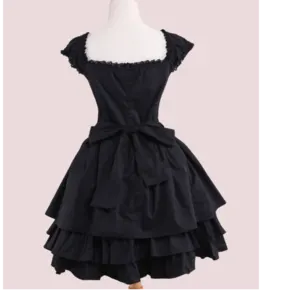
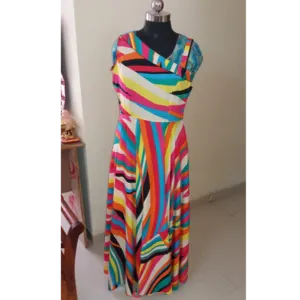
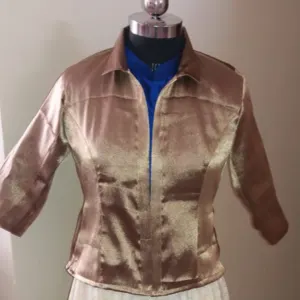
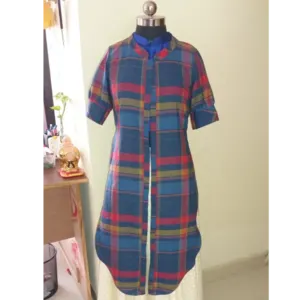
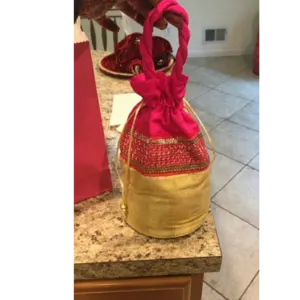
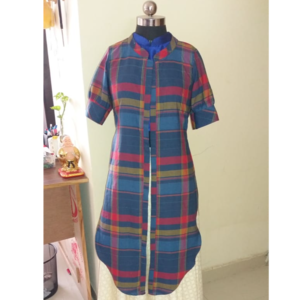
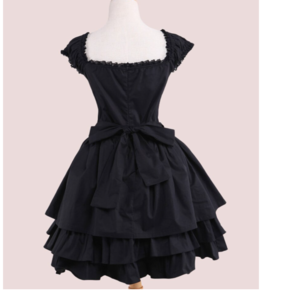
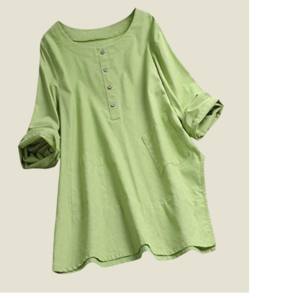
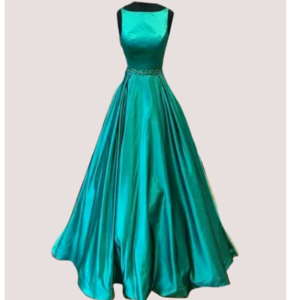
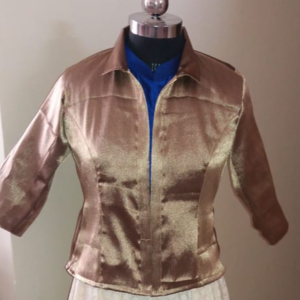
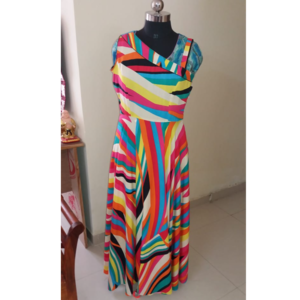
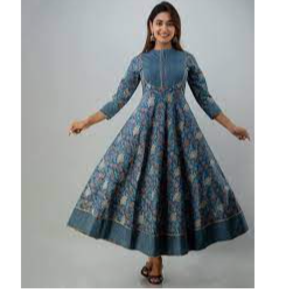
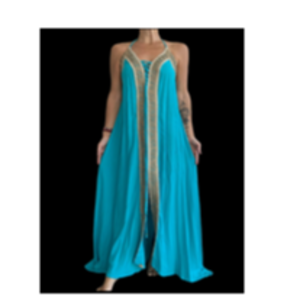
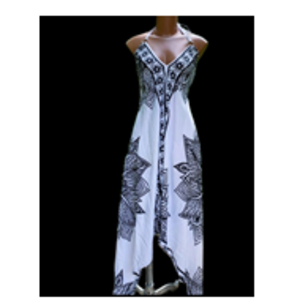
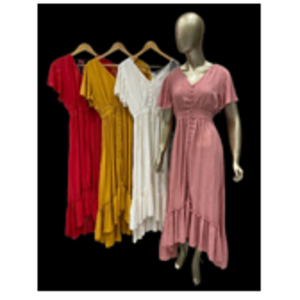
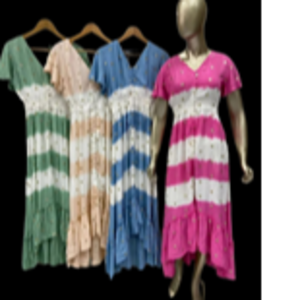
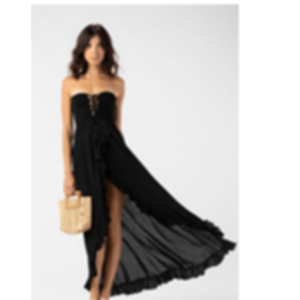
The catalogue shows women’s kurtis (HS 6204.92, cotton), collar tops (HS 6206.30, organic material), off‑shoulder one‑piece dresses (HS 6210.10, cotton), a one‑piece dress combining cotton, rayon and polyester (HS 6204.42), mixed‑material tops (HS 6206.30) and gowns/abayas in similar blends (HS 6210.10). In addition, a traditional potli bag made of silk and shimmer is listed under HS 6307.90. These entries cover typical garment construction categories used in international trade, with clear HS‑code references that facilitate customs clearance and tariff assessment. Each product’s HS code determines the applicable duty rate and any required import documentation in destination markets.
Product Range and Specialties of Alisha Creations
Alisha Creations’ catalogue comprises cotton‑based kurtis, collar tops, off‑shoulder dresses, and blended‑fabric tops, together with silk‑finished potli bags. In the global apparel market, cotton garments are often graded by staple length and GSM, with common specifications ranging from 150 gsm for lightweight tops to 250 gsm for structured dresses. Rayon and polyester blends are used to improve drape and wrinkle resistance, while organic‑certified fibers must meet GOTS or USDA‑NOP standards for pesticide‑free cultivation. Traditional silk accessories such as potli bags are typically classified under HS 6307 and may be assessed for silk content percentage and sheen level.
Industry buyers usually request test reports for fiber composition, colour‑fastness (ISO 105‑C06) and dimensional stability. For blended fabrics, a mill test report indicating exact ratios of cotton, rayon and polyester is standard. Silk items are often accompanied by a silk content certificate and a weight per piece (e.g., 30‑50 g per bag) to verify consistency across shipments.
Trade and Export Information - Alisha Creations
India is a major exporter of ready‑made garments, with the European Union, United States and Middle‑East regions accounting for the largest share of apparel imports. The HS‑code groups represented by Alisha Creations - 6204 (women’s or girls’ garments), 6206 (women’s blouses, shirts and shirt‑blouses) and 6210 (women’s garments of other materials) - are subject to standard customs duties that vary by destination but often benefit from preferential trade agreements such as the India‑EU Generalised Scheme of Preferences. Silk accessories under HS 6307 are typically inspected for authenticity and may require a Certificate of Origin to qualify for reduced tariffs.
Buyers importing these categories usually request compliance with Oeko‑Tex Standard 100 for harmful substance testing, and for organic cotton items, GOTS certification is a common prerequisite. Packaging for bulk shipments commonly involves folded garments packed in polyethylene bags inside 20‑ft containers, with a typical loading capacity of 8,000 - 10,000 pieces depending on garment thickness. Standard Incoterms used by Indian exporters include FOB (Port of Mundra or Nhava Sheva) and CIF for destination ports in Europe or the Gulf, accompanied by a commercial invoice, packing list, bill of lading and, where required, a textile test certificate.
Sourcing from Alisha Creations - Buyer Guidance
When sourcing from Alisha Creations, buyers should first request a detailed mill test report that confirms the fiber composition of each garment, especially for blended items listed under HS 6204.42 and HS 6206.30. For the organic‑labelled collar top, a GOTS or equivalent organic certification should be obtained before placing a purchase order. Colour‑fastness and shrinkage test reports (ISO 105‑C06 and ISO 6330) are also advisable to ensure the garments meet end‑use requirements.
Typical order quantities for Indian ready‑made apparel range from 500 to 2,000 pieces per style, with lead times of 30‑45 days after sample approval. Buyers should verify that the supplier can provide packaging details such as garment count per polybag, bag dimensions and container loading plan. Requesting a pre‑shipment inspection report (e.g., SGS or Bureau Veritas) can further confirm compliance with HS‑code declarations and any applicable certifications before the goods are shipped.
Frequently Asked Questions About Alisha Creations
What are the main product categories offered by Alisha Creations?
The supplier lists women’s kurtis, collar tops, off‑shoulder one‑piece dresses, blended‑fabric tops, gowns/abayas, and a traditional silk potli bag, each assigned to HS codes 6204, 6206, 6210 or 6307.
Which HS codes are associated with the apparel items?
Women’s kurtis use HS 6204.92, collar tops and blended tops use HS 6206.30, off‑shoulder dresses and gowns/abayas use HS 6210.10, and a one‑piece dress with cotton, rayon and polyester is under HS 6204.42.
What material certifications should a buyer request for the organic collar top?
Buyers should request a GOTS or USDA‑NOP organic certification and a mill test report confirming 100 % organic fiber content.
Are there standard quality tests required for the cotton garments?
Typical tests include colour‑fastness to washing (ISO 105‑C06), dimensional stability (ISO 6330) and fabric weight (GSM) verification.
What is a common minimum order quantity for these garments?
Exporters of similar Indian ready‑made clothing usually set MOQs between 500 and 2,000 pieces per style, depending on fabric and design complexity.
Which Incoterms are most frequently used for shipments from India?
FOB from major Indian ports (e.g., Mundra, Nhava Sheva) and CIF to destination ports in Europe or the Gulf are the most common terms.
What documentation is needed for customs clearance of the silk potli bag?
A commercial invoice, packing list, bill of lading, Certificate of Origin and, if requested by the importer, a silk content certificate are typically required.
How are the garments usually packaged for export?
Garments are folded, placed in polyethylene polybags (usually 20 - 30 cm × 30 - 40 cm), boxed in corrugated cartons and loaded into 20‑ft containers, with container capacity depending on garment GSM and bulk.




 Panchkula, India