Moccannor Nigeria Limited — Verified Suppliers
About Moccannor Nigeria Limited - Agricultural Products Supplier in Nigeria
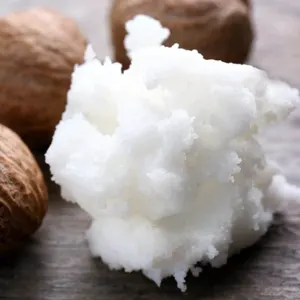
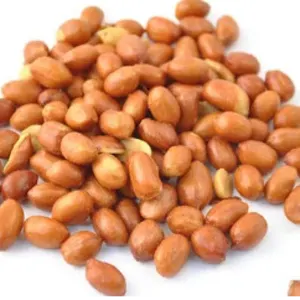
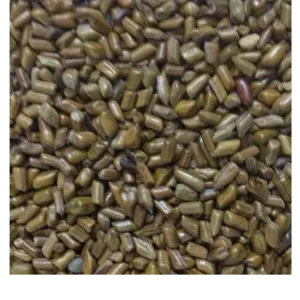
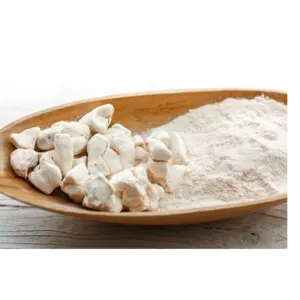
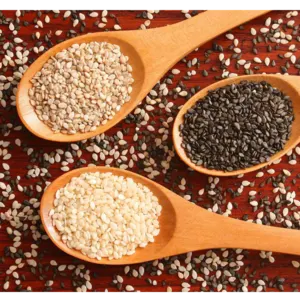
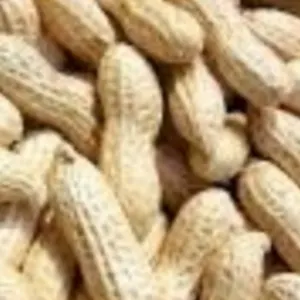
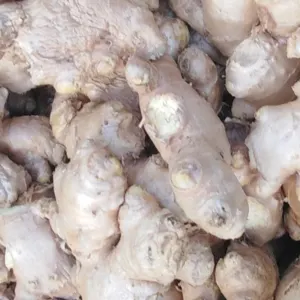
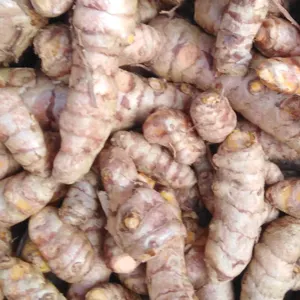
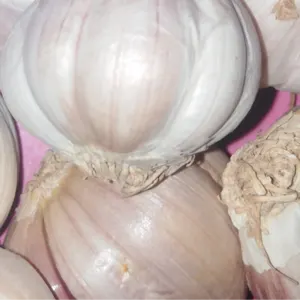
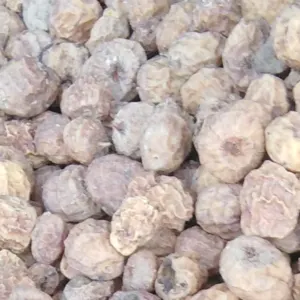
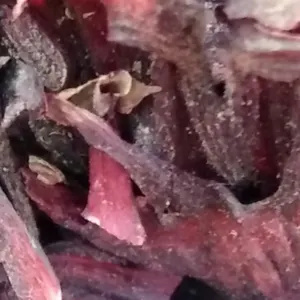
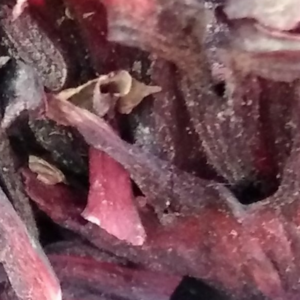
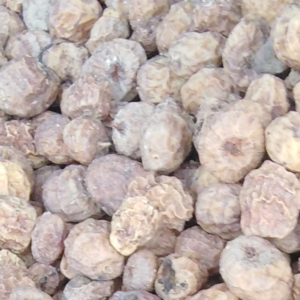
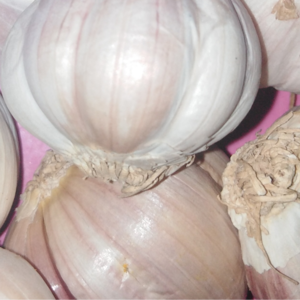
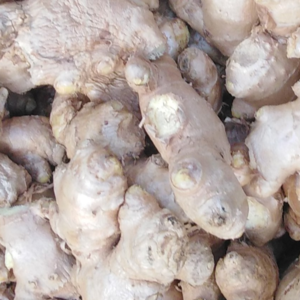
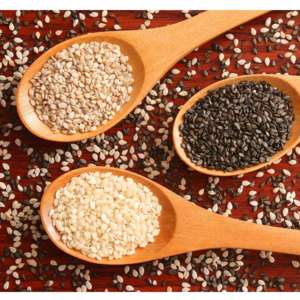
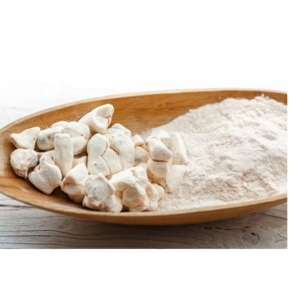
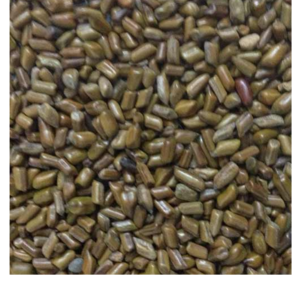
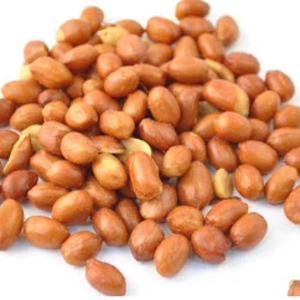
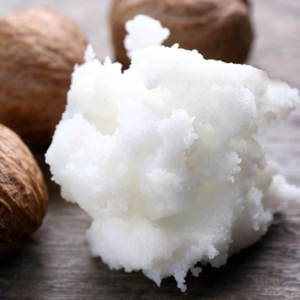
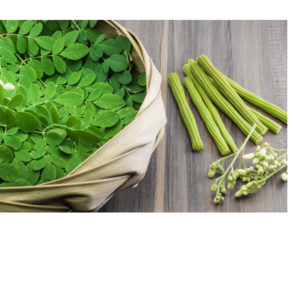
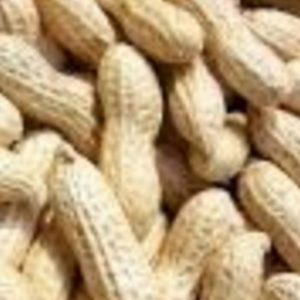
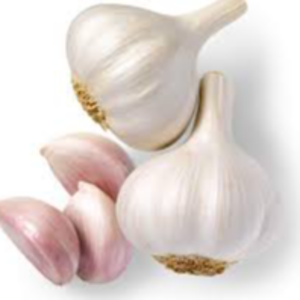
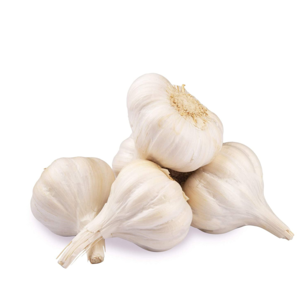
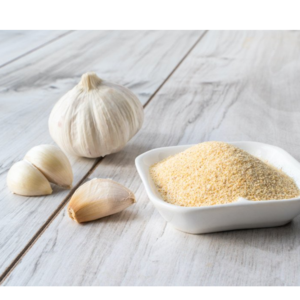
Moccannor Nigeria Limited operates from Nigeria and currently lists eleven distinct agricultural products in its catalogue. The catalogue includes dried Hibiscus sabdariffa calyxes (HS 0603.90), dried Tiger Nuts (HS 0714.90), dehydrated garlic (HS 0910.99), dehydrated ginger root (HS 0910.11), shelled peanut kernels (HS 1202.42), sesame seeds (HS 1207.40), organic Baobab fruit pulp powder (HS 1212.99), Cassia tora seeds or powder (HS 1211.90), organic raw peanuts (HS 1202.12), shea nut butter (HS 1515.90) and Moringa oleifera seeds and leaves (HS 1209.99). Each entry specifies the material type and the relevant HS code family, reflecting a focus on dried, processed and oil‑derived commodities.
The supplier is classified as an organic tier provider and carries a “harbor” trust tier, indicating a positioning within the organic‑certified market segment. Its product set spans herbs, nuts, seeds, spices and vegetable‑derived fats, all of which are commonly handled as bulk dry goods for international trade. The catalogue does not list any processed food items beyond the dried forms and the shea butter, keeping the offering within primary agricultural commodities.
Product Range and Specialties of Moccannor Nigeria Limited
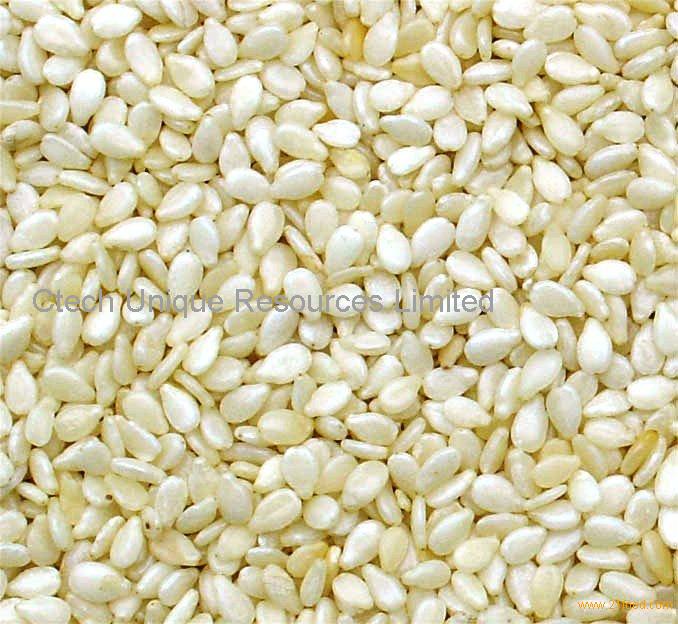
The product range covers dried hibiscus flowers, tiger nuts, garlic and ginger roots, various peanut forms, sesame seeds, baobab powder, cassia tora, shea butter and Moringa seeds and leaves. In the global market, dried hibiscus is typically graded for colour intensity and moisture below 12 %, while dried ginger and garlic are assessed for pungency, moisture under 10 % and microbial limits (e.g., total plate count < 10 000 cfu/g). Peanut kernels are usually sorted by size, shelling percentage and aflatoxin limits (≤ 10 µg/kg for export to the EU). Sesame seeds are graded by oil content (≈ 50 %) and foreign matter below 0.5 %. Baobab pulp powder is commonly evaluated for vitamin C content (≥ 30 mg/100 g) and particle size below 500 µm. Shea butter is measured for oleic/linoleic ratio and free fatty acid content (< 5 %).
Trade and Export Information - Moccannor Nigeria Limited
Nigeria is a long‑standing exporter of dried herbs, nuts and vegetable oils, with major import destinations in the European Union, United States and Middle East. HS chapter 06 (flowers) and chapter 09 (spices) are subject to phytosanitary certification and often require ISO 22000 or HACCP compliance. Nuts and seeds in chapters 12 and 07 frequently need organic certification (e.g., EU organic, USDA Organic) and a certificate of analysis confirming moisture < 5 % and aflatoxin levels within buyer‑specific limits. Shea butter (HS 1515) is usually shipped in 25 kg drums or 1 t bulk bags, with standard Incoterms FOB Lagos or CIF Rotterdam. Packaging for dried herb and spice powders commonly uses food‑grade polyethylene bags with inner liners to protect against moisture ingress.
Sourcing from Moccannor Nigeria Limited - Buyer Guidance
When sourcing from Moccannor Nigeria Limited, buyers should request a current phytosanitary certificate, the specific organic certification copy and a detailed certificate of analysis for each product. Verify moisture content, microbial counts (e.g., total plate count, yeasts & molds) and, for nuts, aflatoxin results before confirming the order. Request a sample of the product packed in the same material as the commercial shipment to assess colour, aroma and particle size, and confirm that the HS code on the commercial invoice matches the catalogue entry.
Frequently Asked Questions About Moccannor Nigeria Limited
What HS codes does Moccannor Nigeria Limited use for its products?
The supplier lists HS 0603.90 for dried hibiscus calyxes, 0714.90 for tiger nuts, 0910.99 for dehydrated garlic, 0910.11 for dehydrated ginger, 1202.42 for shelled peanut kernels, 1207.40 for sesame seeds, 1212.99 for baobab pulp powder, 1211.90 for cassia tora, 1202.12 for organic raw peanuts, 1515.90 for shea butter and 1209.99 for Moringa seeds and leaves.
Which certifications should I ask for before purchasing?
Request the supplier’s organic certification (e.g., EU organic or USDA Organic), a phytosanitary certificate, and an ISO 22000 or HACCP compliance statement. A certificate of analysis showing moisture, microbial limits and, for nuts, aflatoxin levels is also standard.
What typical quality parameters are applied to the dried herbs?
Dried hibiscus, ginger and garlic are usually required to have moisture below 12 % for herbs and below 10 % for ginger and garlic, colour intensity meeting buyer specifications, and microbial counts under 10 000 cfu/g. Heavy metal limits (e.g., lead < 2 ppm) are also commonly checked.
How are the nuts and seeds packaged for export?
Export shipments commonly use food‑grade polyethylene bags of 25 kg or 50 kg, placed inside 1 t bulk bags or wooden crates for ocean freight. The packaging must be moisture‑proof and labelled with net weight, HS code and country of origin.
What are the typical lead times for these products?
Lead times depend on product and season but generally range from 2 weeks for ready‑stock dried herbs to 4 - 6 weeks for bulk nuts and shea butter that require cleaning and quality testing.
Can I obtain samples before placing a full order?
The supplier offers sample packs matching the commercial packaging material. Samples are usually shipped in small quantities (e.g., 1 kg of dried herb or 2 kg of nuts) under the same Incoterm terms as the final order.




 , Nigeria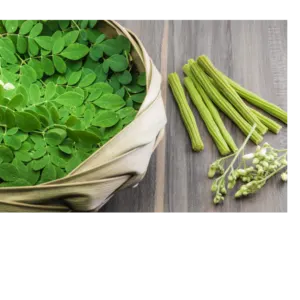




.jpg.png)