Hand To Hand Investment Limited — Verified Supplier
About Hand To Hand Investment Limited - Dry Fruits & Nuts Supplier in Kenya
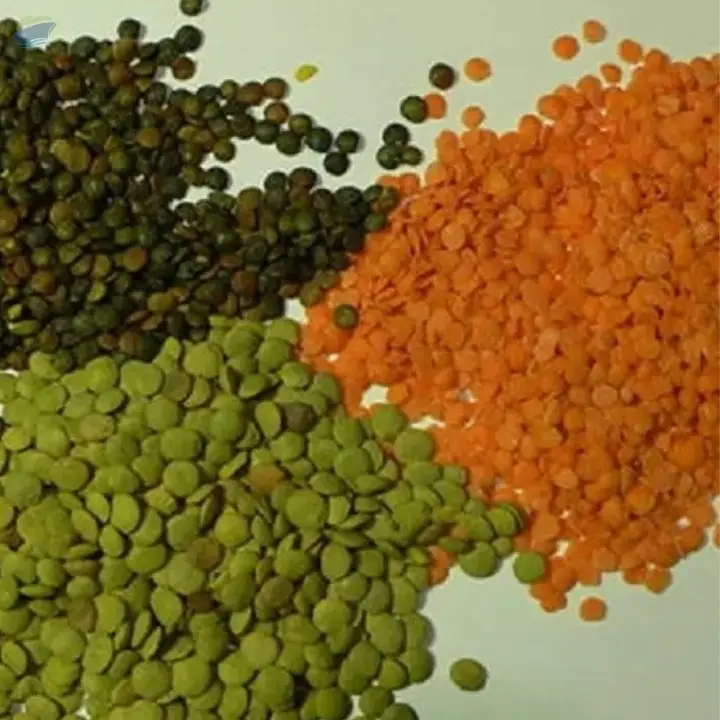
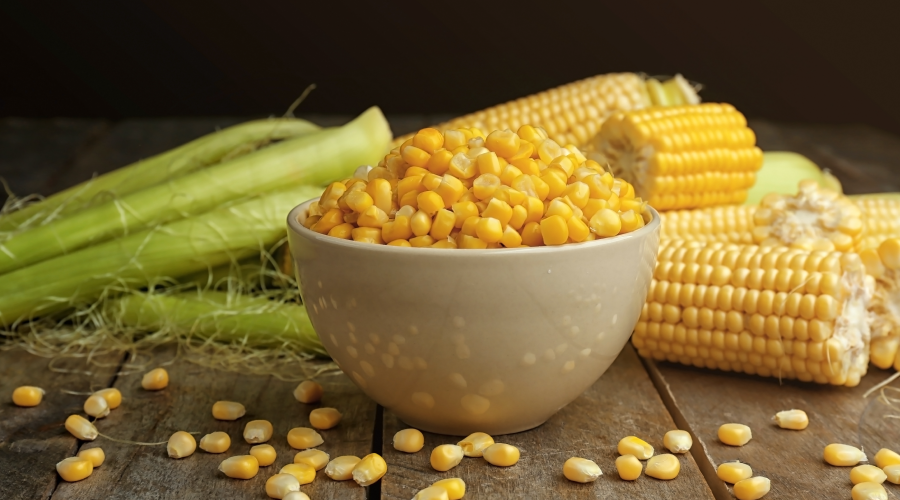
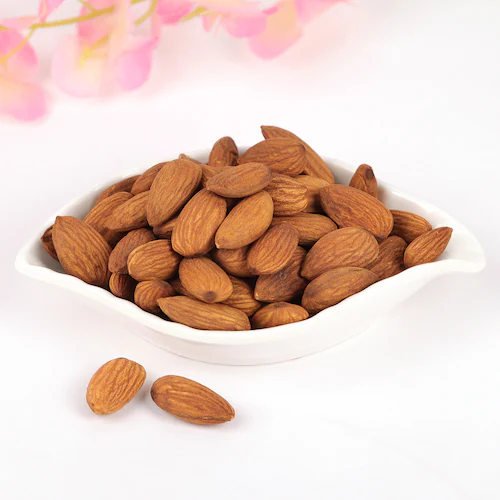
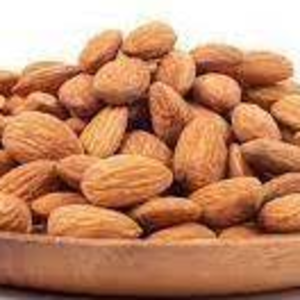
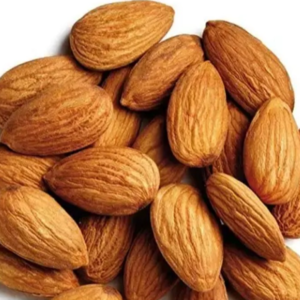
Hand To Hand Investment Limited is based in Kenya and currently lists six distinct agricultural products in its catalogue. The company’s portfolio includes items from the dry fruits and nuts segment as well as staple grains. Specific catalogue entries are Green Mung Beans, Macadamia Nut, Cashew Nuts, Yellow Corn, Organic Blanched Almonds (HS code 0802.12), and Peanuts. The almond product is classified under HS chapter 08 for edible nuts and is described as organic almond kernels. The remaining items fall under HS chapters 07 for beans, 08 for nuts, and 10 for cereals, reflecting standard tariff classifications for these commodities.
The dry‑fruit and nut selections comprise macadamia, cashew, almond and peanut kernels, each commonly traded in bulk bags or 20‑ft containers. The grain offering, Yellow Corn, aligns with typical HS 1005 entries for maize and is usually shipped in 1‑ton bags. Green Mung Beans are classified under HS 0713 for dried beans and are a common source of plant protein in Asian markets. All six products are presented without specific certifications in the supplier’s data, indicating buyers should verify compliance with food safety standards. The catalogue does not disclose packaging dimensions, but industry practice for these categories includes polypropylene woven bags or bulk freight.
Product Range and Specialties of Hand To Hand Investment Limited
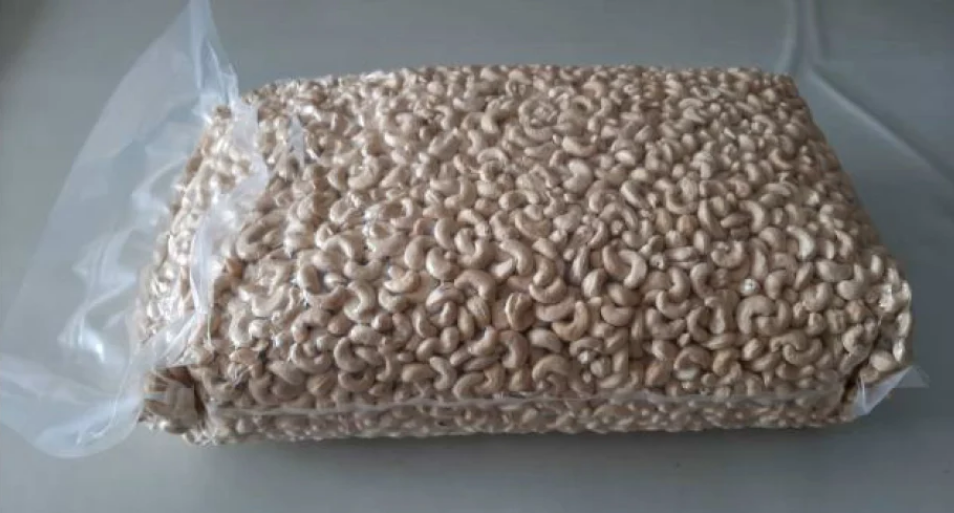
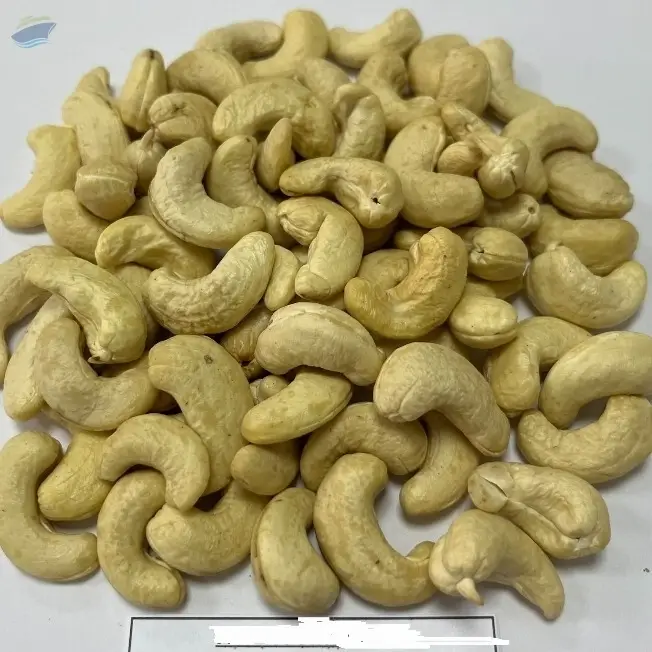
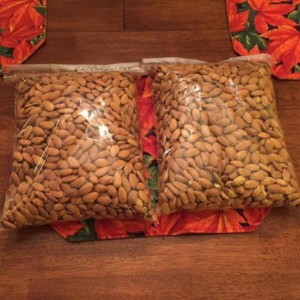
Hand To Hand Investment Limited’s catalogue lists organic blanched almonds (HS 0802.12), raw cashew nuts, macadamia kernels, peanuts, green mung beans and yellow corn. In the global market, almonds are graded by size (10‑12 mm) and moisture content below 5 %, with organic consignments requiring EU organic certification. Cashew nuts are commonly sold in grade W240 (240‑260 mesh) with aflatoxin limits of 10 µg kg‑1 for EU buyers. Macadamia kernels are classified as grade 1, typically 13‑15 mm in length and moisture under 3 %.
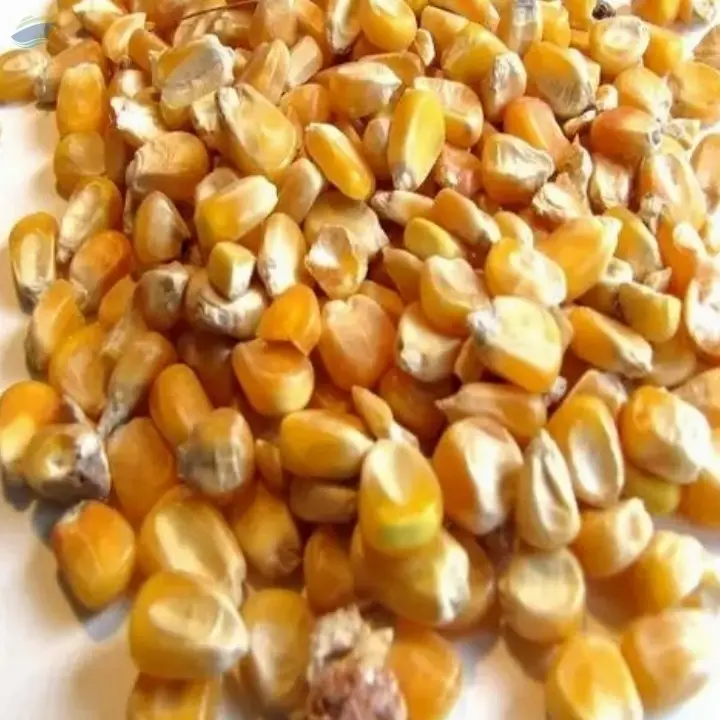
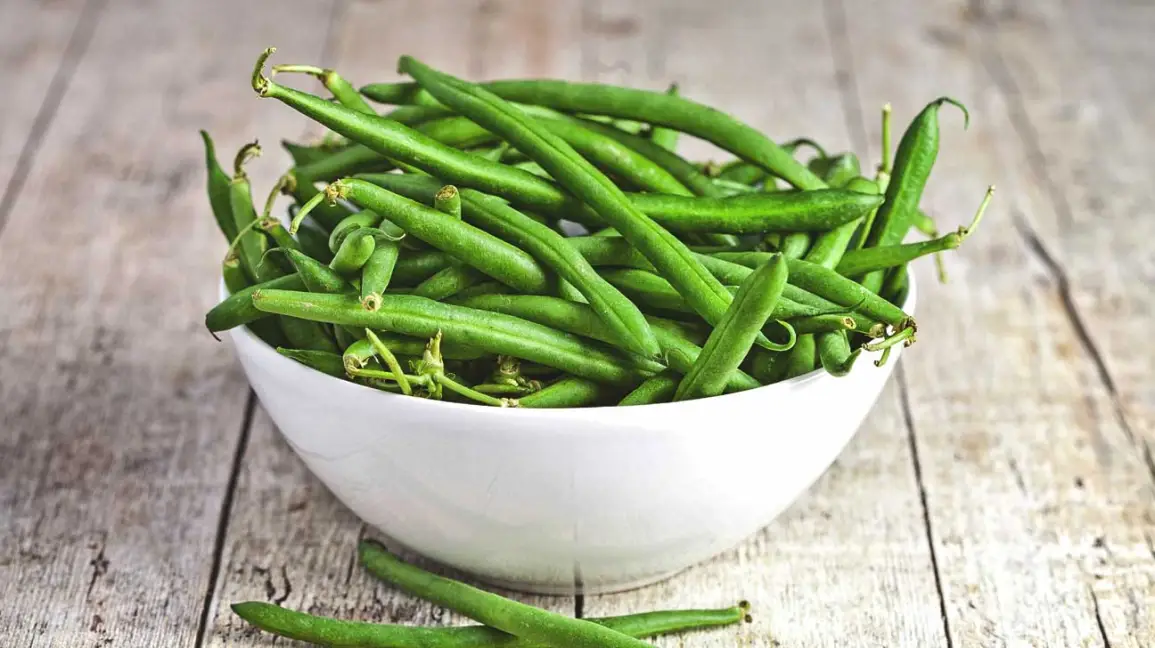
Yellow corn is usually traded under HS 1005 as whole kernels with moisture around 14 % and test weight of 750‑800 kg hL‑1. Green mung beans fall under HS 0713 and are evaluated on size (3‑5 mm), protein content (24‑28 %) and moisture below 12 %. Peanuts are commonly graded AAA with oil content 45‑50 % and aflatoxin limits of 4 µg kg‑1 for EU. Standard export packaging includes 1‑ton polypropylene woven bags for nuts and beans, and bulk 20‑ft containers for corn, all sealed with moisture‑resistant liners.
Trade and Export Information - Hand To Hand Investment Limited
Kenya is a recognised exporter of tree nuts and legumes, with the majority of shipments leaving through the port of Mombasa on FOB terms. Typical import regions include the European Union, the United States, the United Arab Emirates and China, where buyers frequently request phytosanitary certificates, ISO 22000 or HACCP compliance, and, for organic almonds, EU organic registration. HS chapter 08 (nuts) and chapter 07 (beans) are the primary tariff lines, while corn is classified under HS 1005. Export logistics often involve 20‑ft containers holding up to 22 metric tons of nuts or 30 tons of corn, loaded on refrigerated or dry vans depending on moisture sensitivity.
Kenyan exporters must adhere to the East African Community’s plant health regulations, which mandate pre‑export inspection and a phytosanitary certificate issued by the Kenya Plant Health Inspectorate Service. For organic products, a certified organic certificate and traceability documentation are standard requirements. Buyers usually specify packaging standards such as PP‑woven bags with a minimum burst strength of 300 N, and may request laboratory analysis for aflatoxin, pesticide residues and moisture content before shipment.
Sourcing from Hand To Hand Investment Limited - Buyer Guidance
Prospective buyers should request a recent phytosanitary certificate, a laboratory test report covering aflatoxin (≤10 µg kg‑1 for nuts) and pesticide residues, and, where applicable, an organic certification for the almond product. Sample packs of 5‑10 kg allow verification of size grading, moisture level and kernel integrity before confirming larger orders.
Typical minimum order quantities range from 5 metric tons for nuts and 10 metric tons for corn, with lead times of 30‑45 days from order confirmation to shipment. Verify that the supplier’s packaging meets the buyer’s specifications, and confirm the incoterm (commonly FOB Mombasa) and container loading plan to avoid unexpected freight costs.
Frequently Asked Questions About Hand To Hand Investment Limited
What product categories does Hand To Hand Investment Limited offer?
The supplier lists six items: organic blanched almonds, raw cashew nuts, macadamia kernels, peanuts, green mung beans and yellow corn, covering the dry‑fruit, nut and grain segments.
Which HS codes are associated with the listed products?
The only HS code provided is 0802.12 for the organic blanched almonds. Industry practice places the other nuts under HS 0801‑0805, mung beans under HS 0713 and yellow corn under HS 1005.
How are the nuts typically packaged for export?
Kenyan nut exporters normally use 1‑ton polypropylene woven bags with moisture‑resistant liners, stacked in 20‑ft containers that can hold 20‑22 tons of product.
What certifications should a buyer request for these Kenyan nuts and grains?
Buyers generally request a phytosanitary certificate, ISO 22000 or HACCP compliance, and, for organic almonds, an EU‑recognized organic certificate. Laboratory test reports for aflatoxin and pesticide residues are also standard.
What are the typical minimum order quantities (MOQ) for these products?
MOQs commonly start at 5 metric tons for nuts such as almonds, cashew, macadamia and peanuts, while bulk grains like yellow corn are often ordered in 10 metric ton increments.
What lead times are common for shipments from Kenya?
After order confirmation, most Kenyan exporters require 30‑45 days to complete processing, packaging, inspection and loading for FOB Mombasa shipments.
Which markets typically import Kenyan dry fruits and nuts?
The European Union, the United States, the United Arab Emirates and China are the main destinations for Kenyan nuts and legumes, driven by demand for premium quality and traceable supply chains.
How can a buyer obtain a sample before placing a full order?
Buyers can request a 5‑10 kg sample, which the supplier ships in a small PP bag under the same quality controls as the bulk product; the sample is usually accompanied by a test report for key parameters.




 , Kenya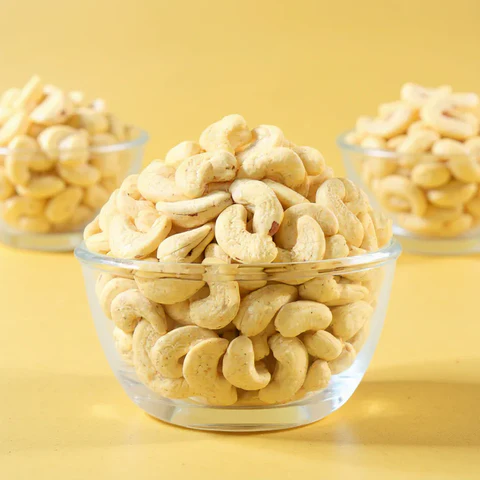

.jpg.png)